 Flip the card
Jules Verne at the table
1828 — 1905
On the menu
The Bourgeois Table and the Yacht's Wardroom
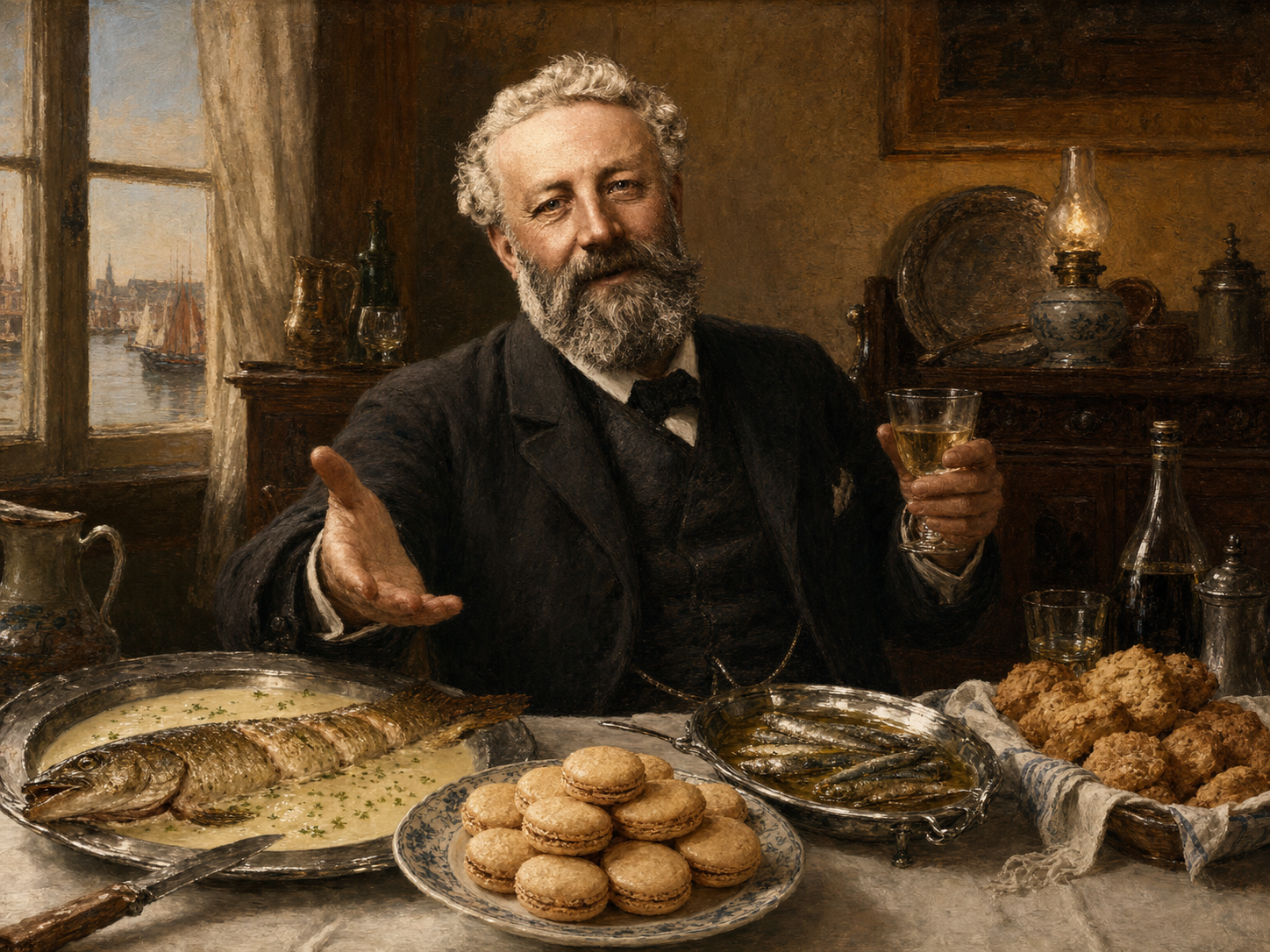
In the 19th century, a French bourgeois family's meal followed a set sequence: a soup to start, a river or sea fish as the "relevé" (next course), a roast of meat, an entremets, and then the sweet dessert — the "service à la russe" (dishes brought one after another, already carved) gradually replacing the "service à la française" where everything was placed on the table at once. Opposite this affluent table from Amiens or Nantes stands a second, much rougher structure: the wardroom and mess of the yacht Saint-Michel, where one eats like a sailor, at fixed hours signaled by the bell, on simple provisions and ship's preserves. This set brings together the two hungers of Verne: that of the settled notable and that of the voyager ready to set sail.
Signature : Appertized Preserves
A tinplate can sealed and sterilized by heat, invented by French confectioner Nicolas Appert at the beginning of the century: it is THE quintessential Verne technique, the one that feeds the explorers of his novels and stocks the pantry of his own yacht. Nantes, Verne's birthplace, would become one of its capitals with its sardine canneries. Science that tames time and allows one to travel far: Verne's entire spirit fits in this can.
click to flip back
Jules Verne at the table
1828 — 1905
5 period recipes
 Everyday
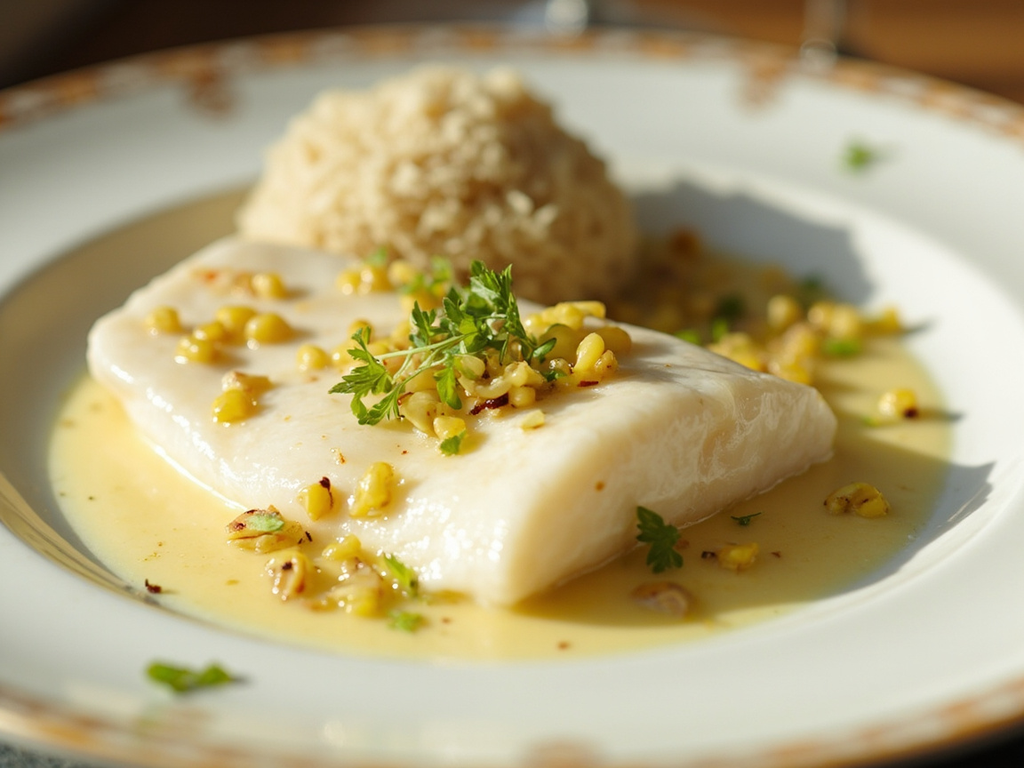
Pike with Nantes Beurre Blanc
The Relevé (Fish of the Bourgeois Table)
🍋 🧂· 40 min
View the recipe
 Festive
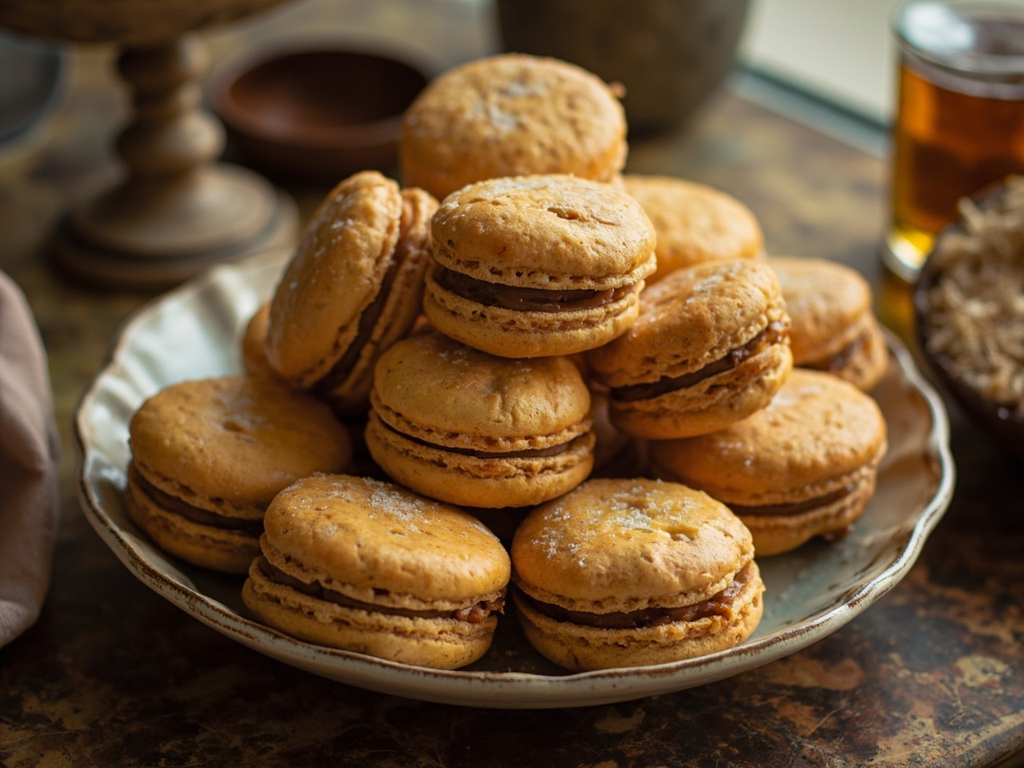
Macarons d'Amiens
The Dessert / End-of-Meal Treat
🍯· 30 min (+ resting)
View the recipe
 Preserving
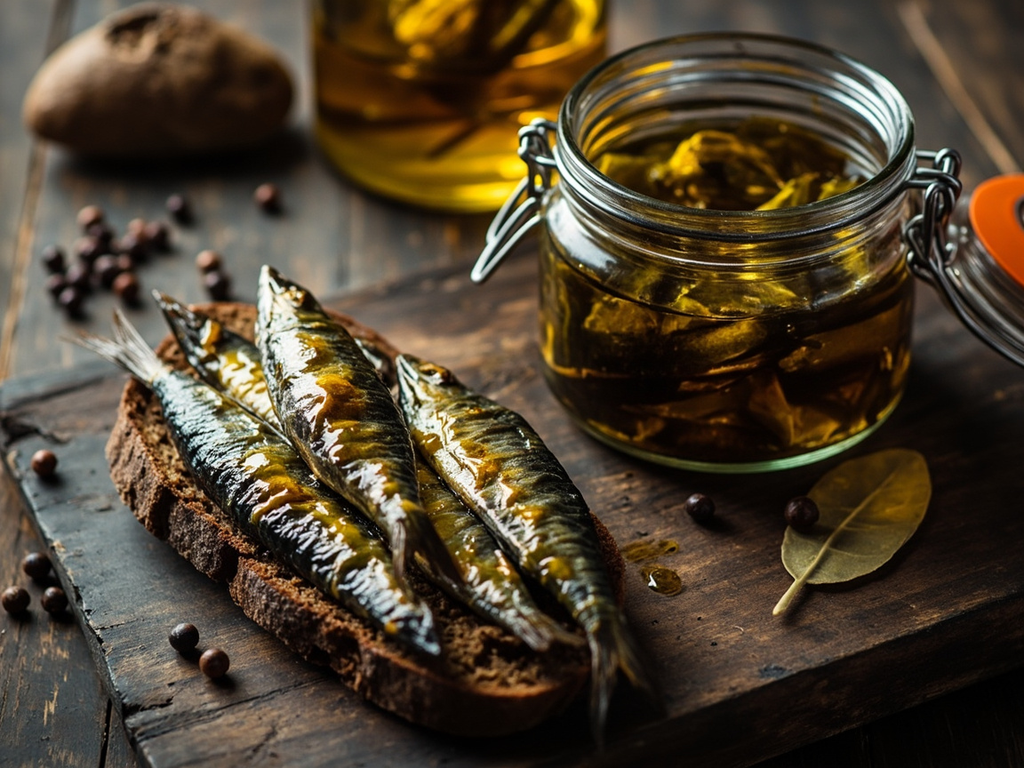
Nantes Sardines in Oil
Ship's Preserves (Provisions for the Pantry and on Board)
🍄 🧂· 1 h (+ maturation)
View the recipe
 Travel
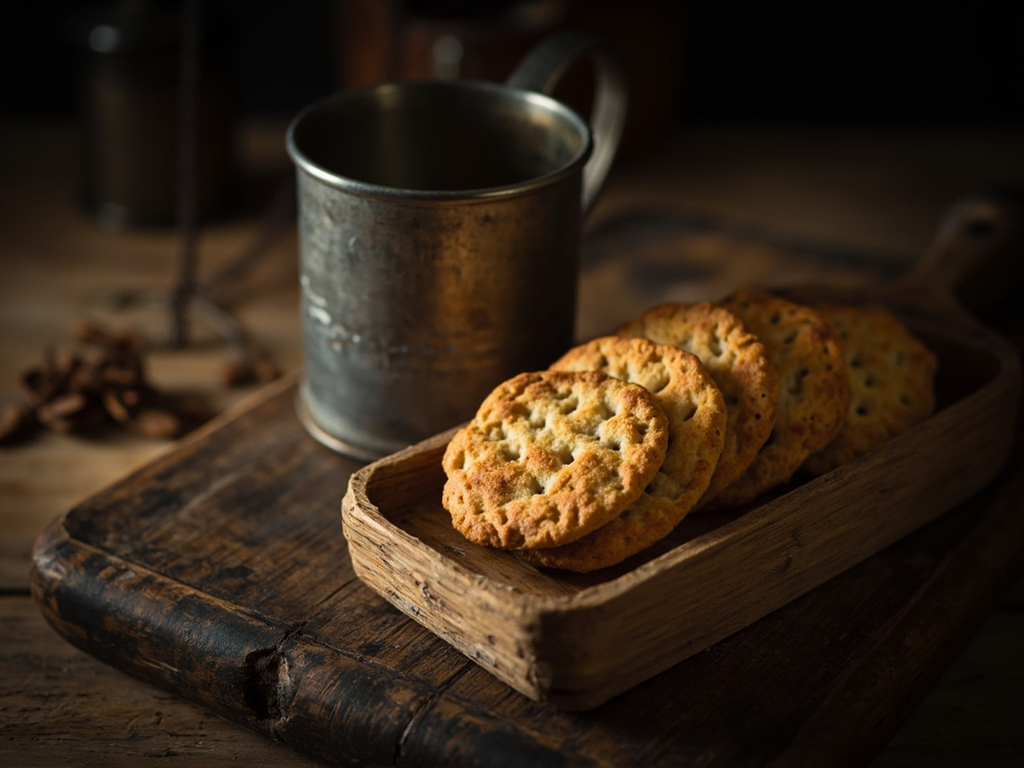
Sea Biscuit of the Saint-Michel
Ship's Provisions (Ration for the Yacht's Wardroom)
🧂· 1 h 30
View the recipe
 Drink
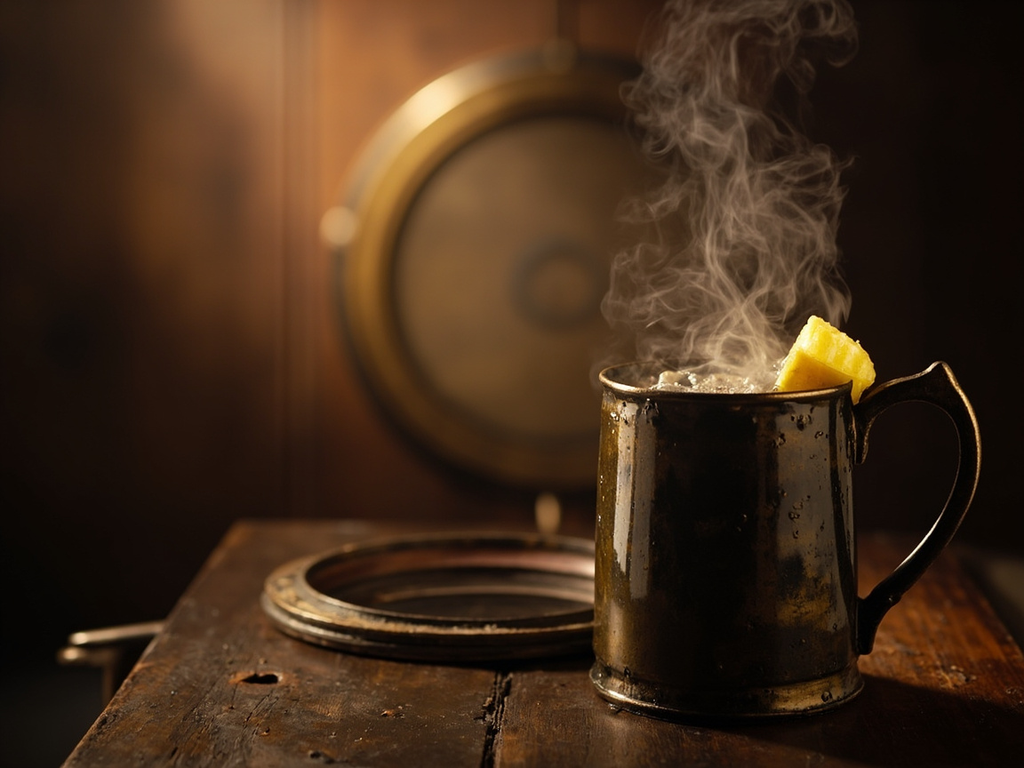
DrinkShip's Grog with Lemon
The Hot Drink of the Watch (Yacht's Mess)
🍯 🍋· 5 min
View the recipe