 flip
flipSea Biscuit of the Saint-Michel
Sea Biscuit of the Saint-Michel
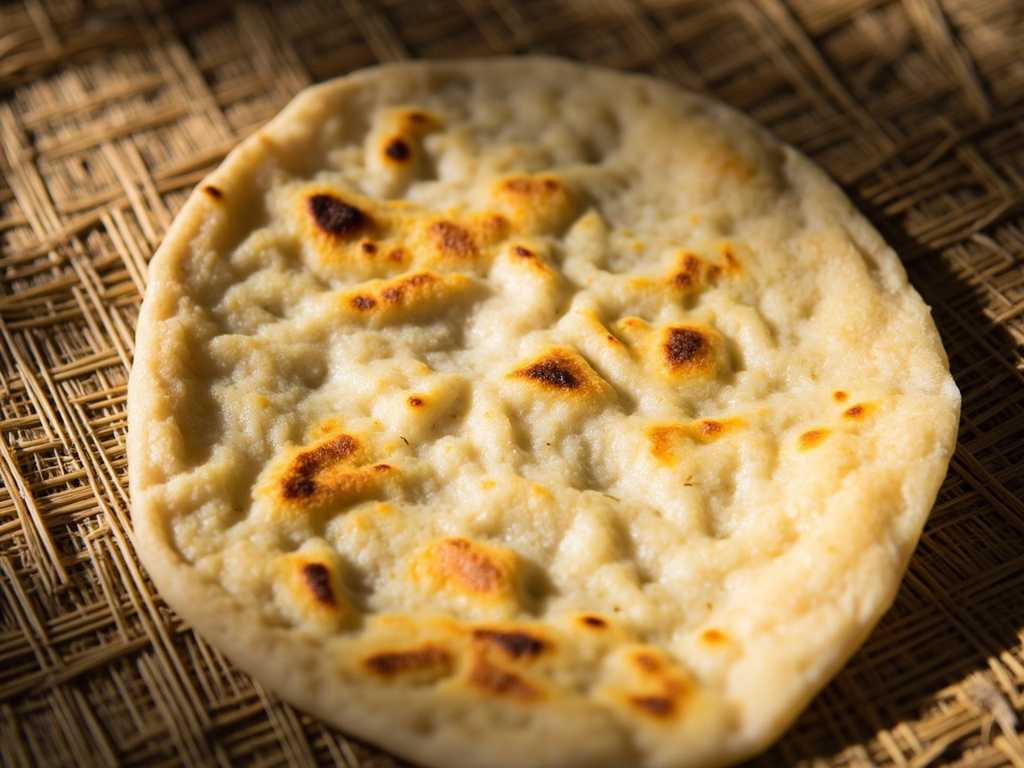
Why this dish? Verne owned three successive yachts named Saint-Michel and sailed on the English Channel and beyond. On board, as on all ships of the era, the sea biscuit — a hard, imperishable cracker — was the traveler's bread, the one that does not mold and accompanies the long crossings in his novels.
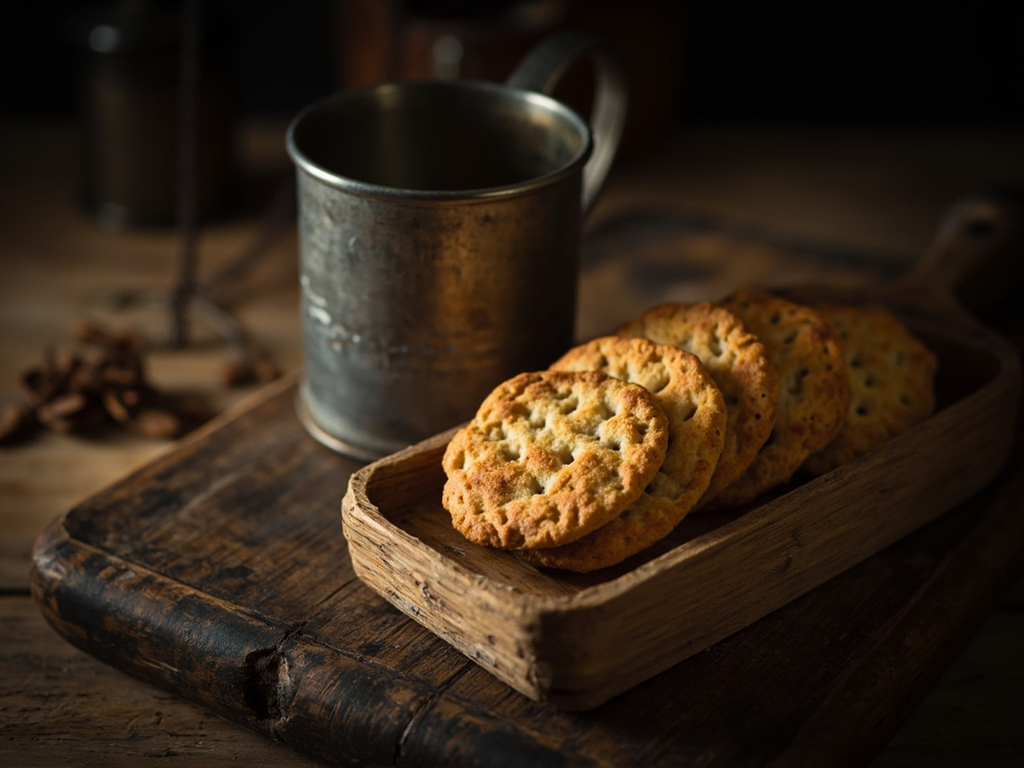
The famous "sea bread": a cracker of flour and water, twice baked until hard as wood, designed to keep for months. It is dipped in soup or coffee to soften it.
On board the Saint-Michel, there is no baker! Fresh bread spoils in two days; we prefer the sea biscuit, hard under the tooth like a beach pebble, but it defies weeks and the dampness of the open sea. Dip it in your broth or coffee, sailor, and it softens enough to be eaten. Harsh, I grant you — but it is on this bread that those who truly depart feed, not those who dream by the fireside.
- •Wheat flour — in quantity (base)
- •Water — as needed (binder)
- •Salt — a pinch (taste and preservation)
Sea Biscuit of the Saint-Michel
The famous "sea bread": a cracker of flour and water, twice baked until hard as wood, designed to keep for months. It is dipped in soup or coffee to soften it.
Why this dish? Verne owned three successive yachts named Saint-Michel and sailed on the English Channel and beyond. On board, as on all ships of the era, the sea biscuit — a hard, imperishable cracker — was the traveler's bread, the one that does not mold and accompanies the long crossings in his novels.
On board the Saint-Michel, there is no baker! Fresh bread spoils in two days; we prefer the sea biscuit, hard under the tooth like a beach pebble, but it defies weeks and the dampness of the open sea. Dip it in your broth or coffee, sailor, and it softens enough to be eaten. Harsh, I grant you — but it is on this bread that those who truly depart feed, not those who dream by the fireside.
Ingredients (period version)
- Wheat flour — in quantity (base)
- Water — as needed (binder)
- Salt — a pinch (taste and preservation)
Ingredients
- Wheat flour (T65) — 300 g (base)
- Water — about 130 ml (binder)
- Salt — 1 teaspoon (seasoning)
Method
- Mix the flour and salt, add the water little by little to obtain a firm, dry dough.
- Knead thoroughly, then roll out to 1 cm thickness; cut into squares and prick with a fork.
- Bake at 200 °C for about 25 minutes until colored.
- Lower the oven to 120 °C and let dry for an additional 1 hour (the double baking makes the biscuit hard and imperishable).
- Cool completely; store dry in an airtight container.
How it was made : Sea biscuit (or "hardtack") was baked twice to remove all moisture and could keep for months in the hold. It was the basic ration of all sailors until the 20th century; it was softened in coffee, soup, or wine.
The contemporary twist : Serve broken into pieces with a sardine rillette and demi-salt butter, on a "Verne's galley" board.
Sources : History of maritime food; sea biscuit ration of 19th-century navies
Jules Verne · Charactorium