 flip
flipNantes Sardines in Oil
Nantes Sardines in Oil
Why this dish? Nantes, Verne's hometown, was a capital of canning in the 19th century. The sardine sealed in its tinplate can perfectly embodies the Verne spirit: Appert's science that tames time and allows long voyages. It is the provision carried by his heroes — and by himself on the Saint-Michel.
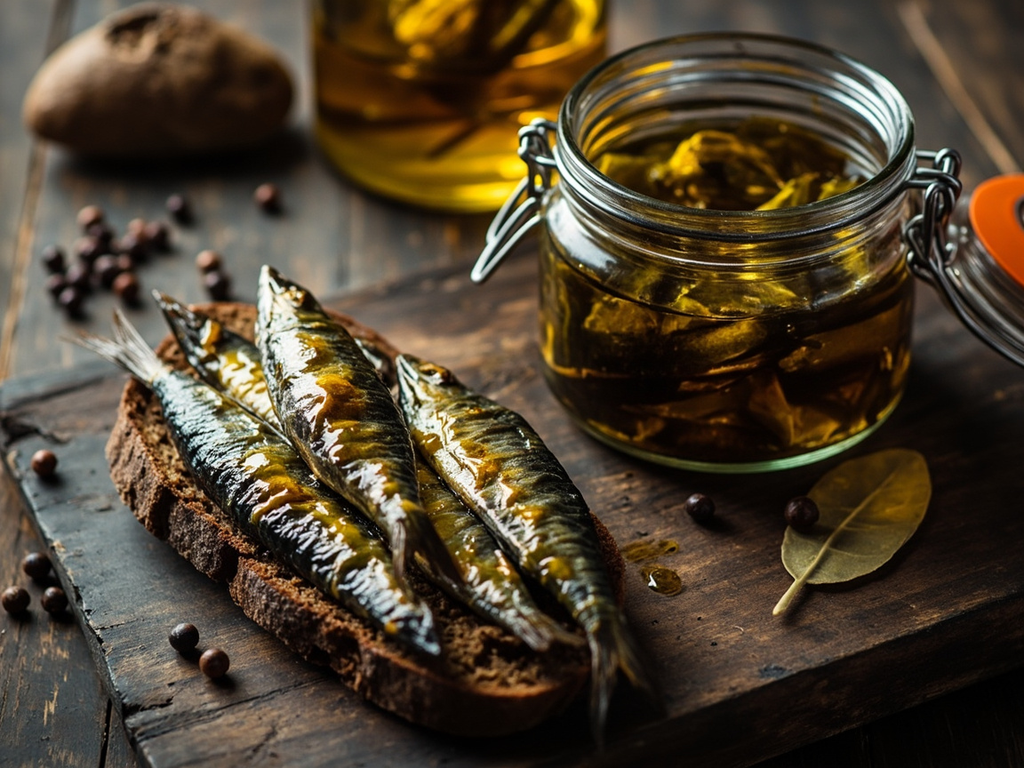
Fresh sardines fried and then packed in oil, keeping for months. Originally destined for sealed cans, here they are prepared in a jar: a salty, savory concentrate of the sea.
There you have the genius of my age held in a tinplate can! Sieur Appert discovered it: heat, seal, and time no longer has a hold on food. My Nantais built a whole trade with their sardines. Believe me, when you weigh anchor for weeks, nothing beats this little reserve of silver and oil: it is the sea itself preserved, ready to follow the adventurer to the ends of the earth.
- •Fresh sardines — several dozen (fish)
- •Coarse salt — as needed (brine and preservation)
- •Olive oil — enough to cover (preservation medium)
Nantes Sardines in Oil
Fresh sardines fried and then packed in oil, keeping for months. Originally destined for sealed cans, here they are prepared in a jar: a salty, savory concentrate of the sea.
Why this dish? Nantes, Verne's hometown, was a capital of canning in the 19th century. The sardine sealed in its tinplate can perfectly embodies the Verne spirit: Appert's science that tames time and allows long voyages. It is the provision carried by his heroes — and by himself on the Saint-Michel.
There you have the genius of my age held in a tinplate can! Sieur Appert discovered it: heat, seal, and time no longer has a hold on food. My Nantais built a whole trade with their sardines. Believe me, when you weigh anchor for weeks, nothing beats this little reserve of silver and oil: it is the sea itself preserved, ready to follow the adventurer to the ends of the earth.
Ingredients (period version)
- Fresh sardines — several dozen (fish)
- Coarse salt — as needed (brine and preservation)
- Olive oil — enough to cover (preservation medium)
Ingredients
- Fresh sardines — 12, gutted and heads removed (fish)
- Coarse salt — 2 tablespoons (drawing out moisture)
- Olive oil — about 300 ml (preservation)
- Bay leaf and peppercorns — a few (flavor)
Method
- Salt the gutted sardines and let them stand for 1 hour to draw out moisture, then rinse and dry thoroughly.
- Fry or quickly pan-sear them in hot oil on both sides.
- Pack them tightly into a scalded jar with bay leaf and pepper.
- Cover completely with olive oil, seal tightly.
- Sterilize the jar in a water bath for 30 minutes; let "mature" at least one week before tasting.
How it was made : Nicolas Appert published his heat preservation method ("appertization") in 1810. Nantes developed major sardine canneries in the 19th century, shipping worldwide. At the time, sterilization was done in hand-sealed tinplate cans.
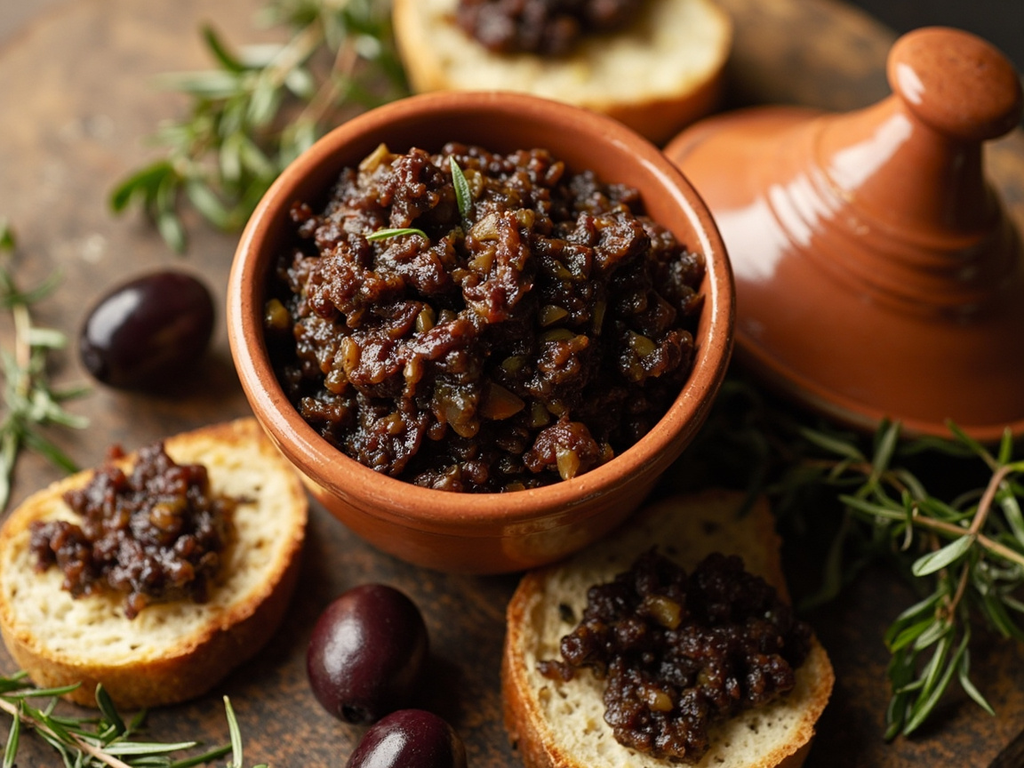
The contemporary twist : Serve on a spoon over grilled bread rubbed with lemon, with an open can placed alongside as a deliberate homage to the original preserved food.
Sources : Nicolas Appert, L'Art de conserver pendant plusieurs années toutes les substances animales et végétales (1810); history of Nantes canning industry
Jules Verne · Charactorium