 Flip the card
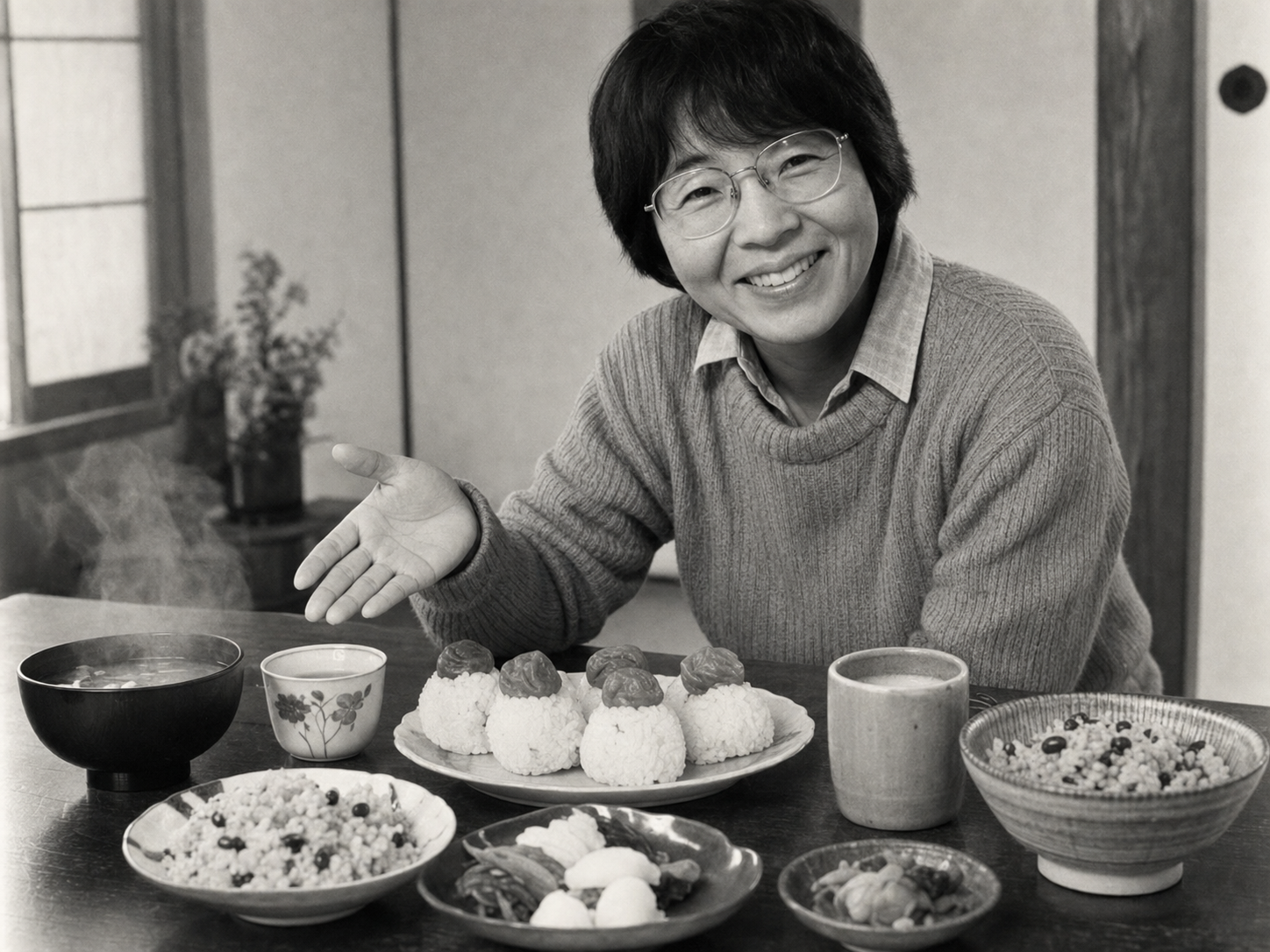
Junko Tabei at the table
1939 — 2016
On the menu
Ichijū-sansai (一汁三菜)
The structure of the daily Japanese meal: "one soup, three side dishes" arranged around a bowl of white rice (gohan). There is no separation into starter/main/dessert: rice is the center, miso soup (shiru) always accompanies it, and the okazu (small savory, pickled, fermented dishes) gravitate around it. Sweets and fermented drinks like amazake are taken separately, during festivals or to warm up. This is the simple, nourishing cuisine of a rural household in Fukushima in post-war Japan, where Junko Tabei grew up.
Signature : Miso and the Art of Fermentation (hakkō)
Fermented soybean paste, miso is the salty-umami soul of the Japanese table. For Tabei, it was much more than a condiment: in freeze-dried packets, hot miso soup was her comfort at 8000 meters on Everest. Fermentation (miso, umeboshi, tsukemono, amazake) runs through all these recipes — it is the key technique that preserves, nourishes, and comforts.
click to flip back
Junko Tabei at the table
1939 — 2016
5 period recipes
 Everyday
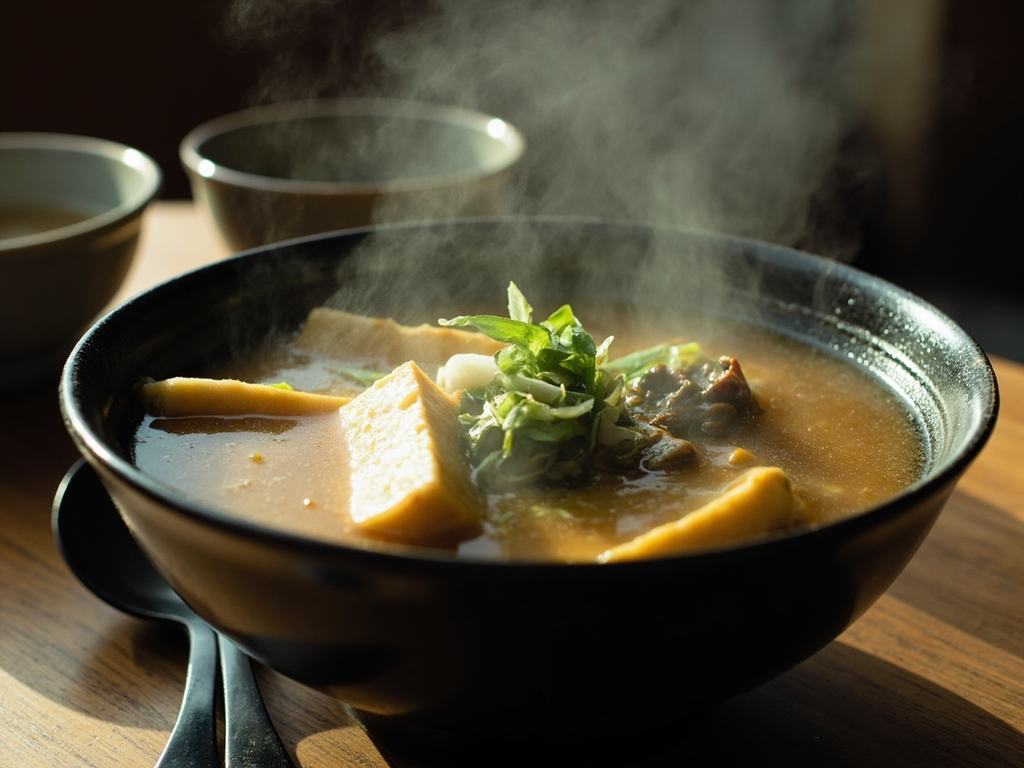
Morning Miso Soup (miso shiru)
Shiru — the soup bowl of ichijū-sansai
🍄 🧂 🫙· 25 min
View the recipe
 Travel
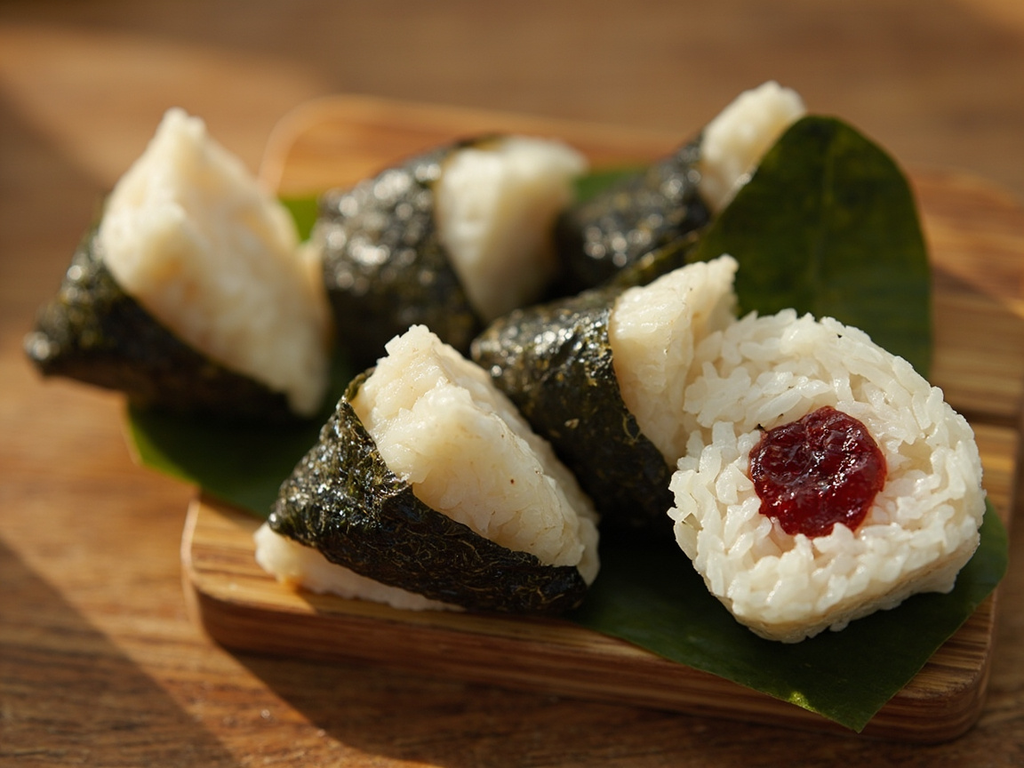
Umeboshi Onigiri (Climber's Rice Balls)
Keitai-shoku — food to take along (hiking snack)
🍋 🧂· 40 min
View the recipe
 Festive
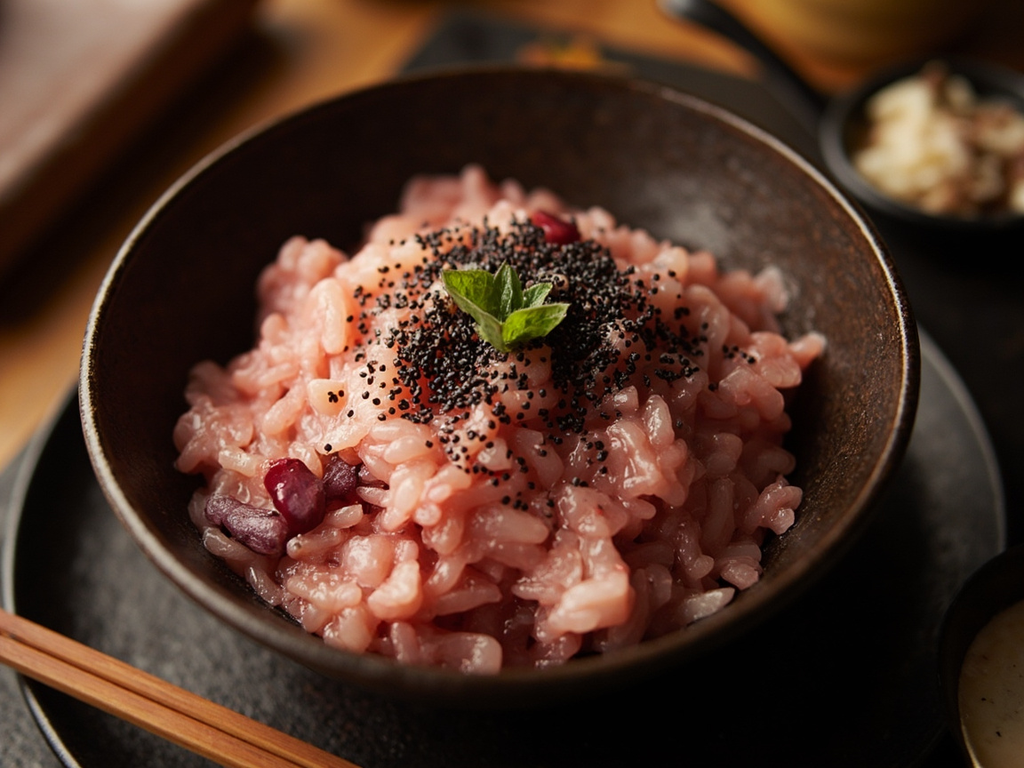
Sekihan (Festive Red Rice with Azuki Beans)
Iwai no gohan — rice for celebratory days
🍯 🧂· 1 h 30 (plus soaking)
View the recipe
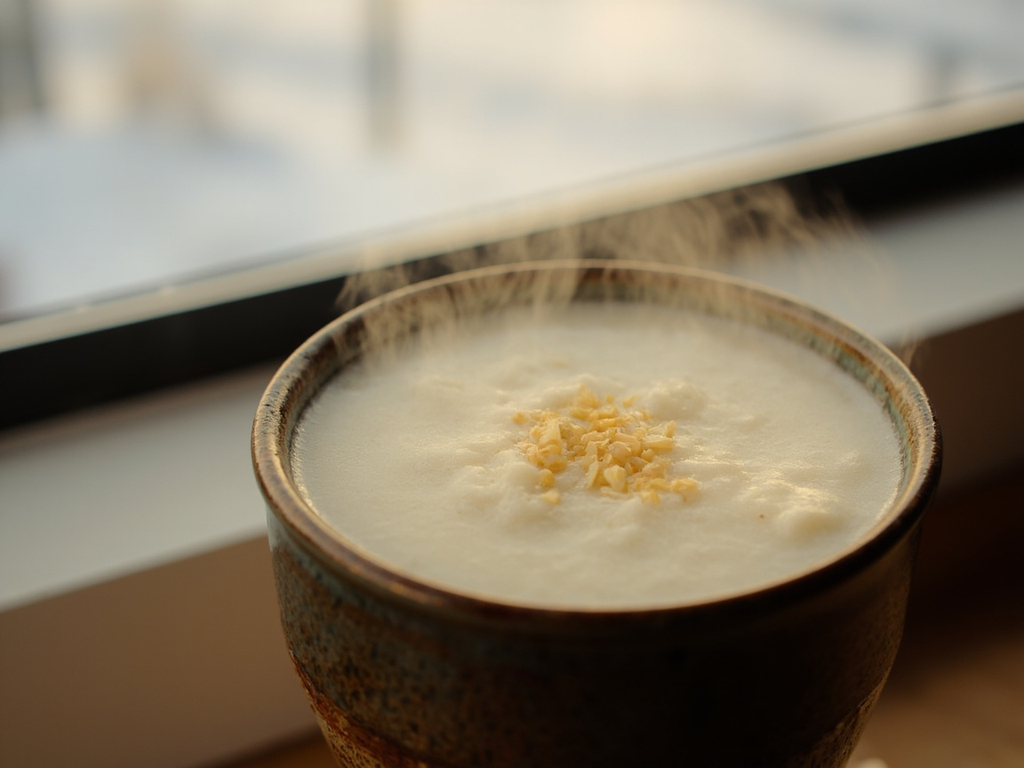 Drink
DrinkAmazake (Comforting Fermented Rice Drink)
Onomimono — the warm drink that warms you
🍯 🫙· 8 h (passive fermentation)
View the recipe
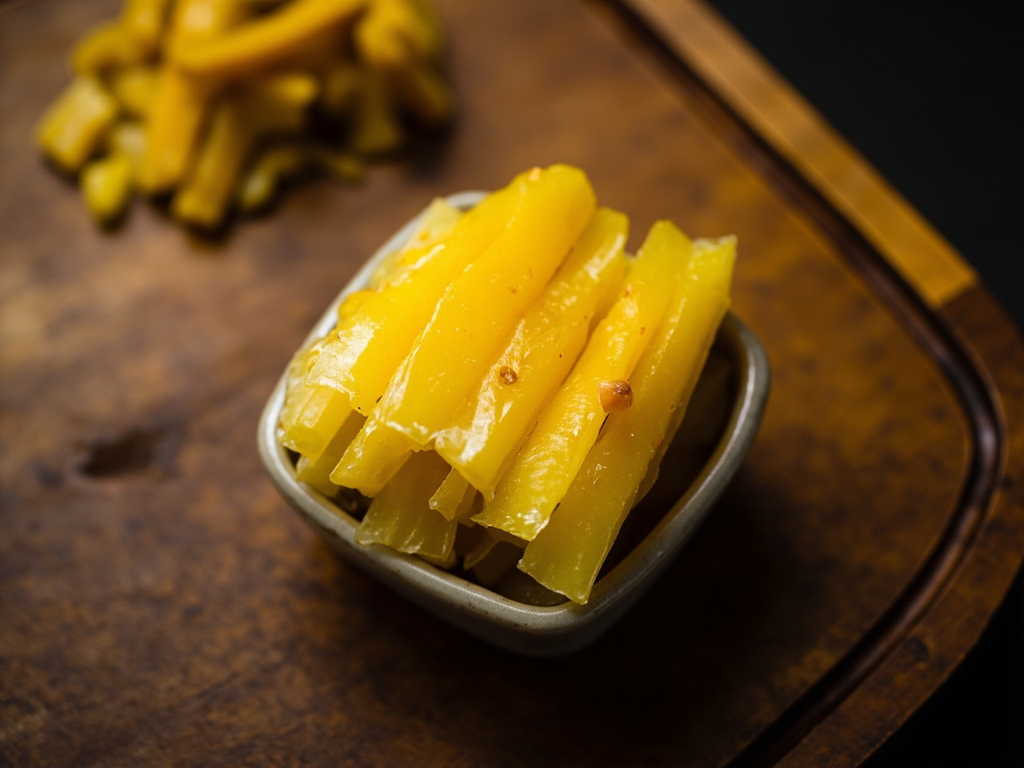 Preserving
Takuan (Pickled Daikon Radish, Winter Preserve)
Tsukemono — pickles that accompany and preserve
🫙 🧂 🍋· 30 min + 1 to 2 weeks fermentation
View the recipe