 flip
flipUmeboshi Onigiri (Climber's Rice Balls)
Umeboshi Onigiri (Climber's Rice Balls)
Why this dish? The salted plum onigiri is the quintessential Japanese hiking ration: compact, energy-rich, and the sour plum is said to fight fatigue. For a mountaineer like Tabei, who climbed the highest peaks on every continent, this fistful of rice was the natural snack for long approaches before reaching zones where only freeze-dried food took over.
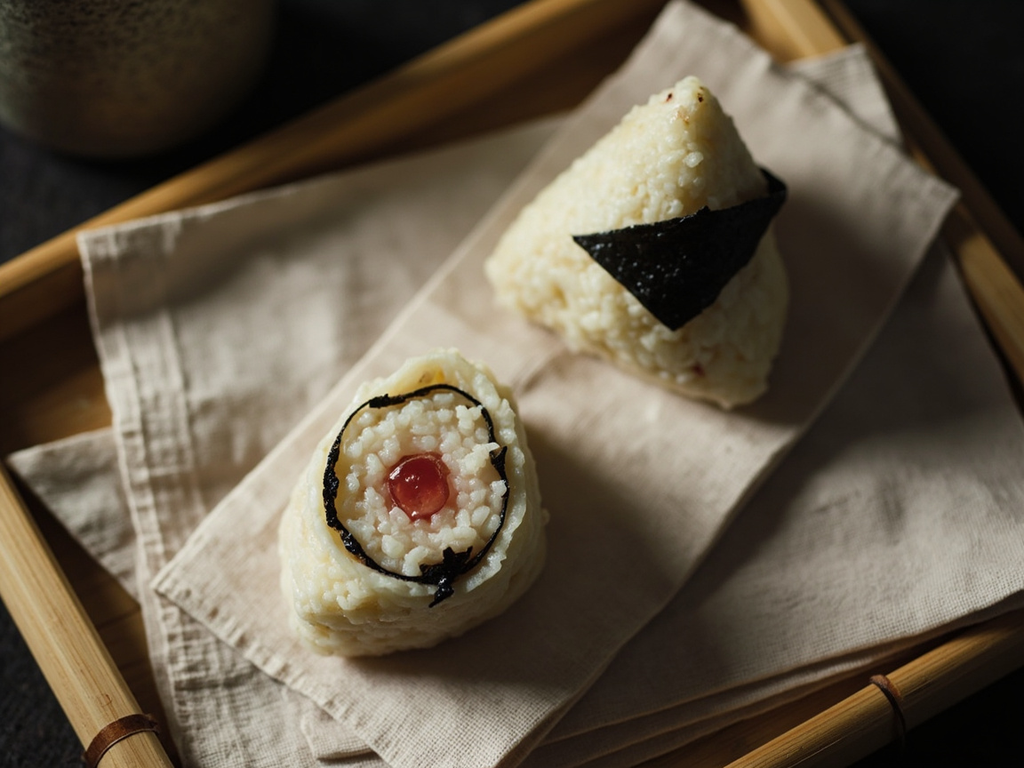
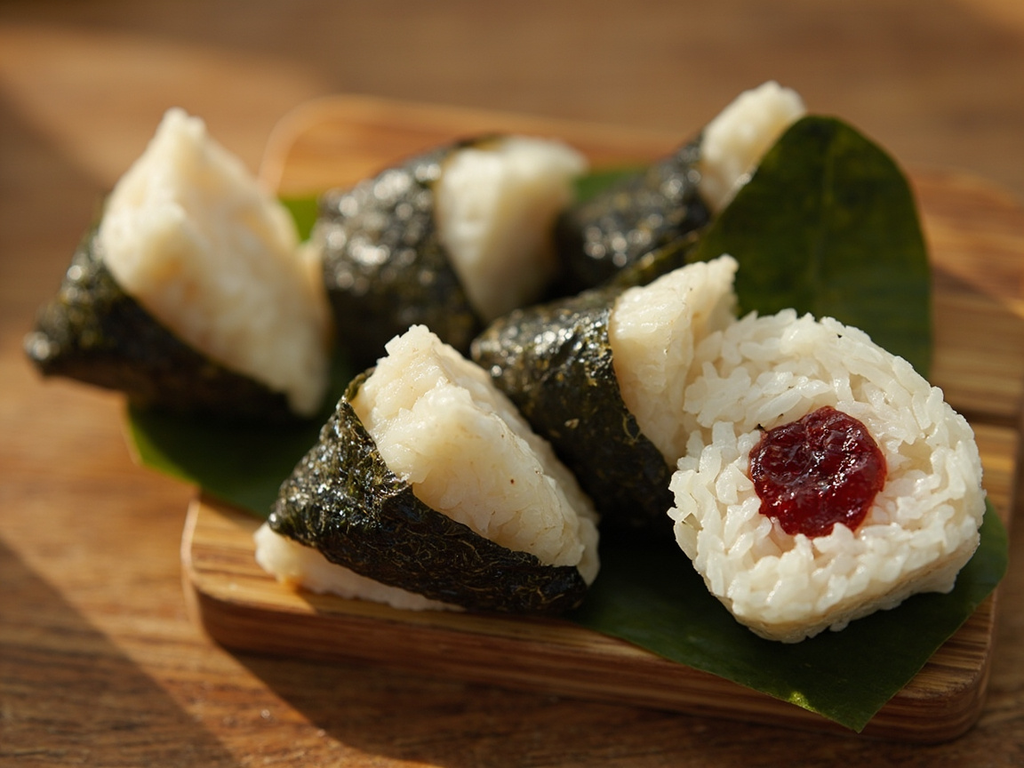
A pressed rice triangle containing a dark red pickled plum, sometimes wrapped in a strip of nori seaweed. The umeboshi is sharply sour and salty — a vivid burst in the center of mild rice.
Before setting out to walk, I would shape my onigiri by hand, palms wet and lightly salted. In the center, always an umeboshi: my grandmother said it keeps the rice from spoiling and gives strength to tired legs. On the trail, when your breath grows short, biting into that sour plum wakes you better than any speech. It is a small thing, a fistful of rice — but it carried me through many hours.
- •Cooked Japanese rice — as much as needed (base)
- •Umeboshi (salted plum) — one per ball (tangy core and preservative)
- •Salt — a pinch (seasoning and preservation)
- •Nori (dried seaweed) — one strip (wrapper, easy to hold)
Umeboshi Onigiri (Climber's Rice Balls)
A pressed rice triangle containing a dark red pickled plum, sometimes wrapped in a strip of nori seaweed. The umeboshi is sharply sour and salty — a vivid burst in the center of mild rice.
Why this dish? The salted plum onigiri is the quintessential Japanese hiking ration: compact, energy-rich, and the sour plum is said to fight fatigue. For a mountaineer like Tabei, who climbed the highest peaks on every continent, this fistful of rice was the natural snack for long approaches before reaching zones where only freeze-dried food took over.
Before setting out to walk, I would shape my onigiri by hand, palms wet and lightly salted. In the center, always an umeboshi: my grandmother said it keeps the rice from spoiling and gives strength to tired legs. On the trail, when your breath grows short, biting into that sour plum wakes you better than any speech. It is a small thing, a fistful of rice — but it carried me through many hours.
Ingredients (period version)
- Cooked Japanese rice — as much as needed (base)
- Umeboshi (salted plum) — one per ball (tangy core and preservative)
- Salt — a pinch (seasoning and preservation)
- Nori (dried seaweed) — one strip (wrapper, easy to hold)
Ingredients
- Short-grain Japanese rice — 300 g (uncooked) (base)
- Umeboshi — 4 plums (filling)
- Fine salt — 1 tsp (seasoning)
- Nori sheets — 2, cut into strips (wrapper)
Method
- Cook Japanese rice and let it cool slightly (it should be sticky but manageable).
- Pit the umeboshi.
- Wet hands, salt them, take a handful of rice and make a well in the center.
- Place an umeboshi in the well, close the rice over it and press firmly into a triangle.
- Wrap each ball with a strip of nori just before eating to keep it crisp.
How it was made : Umeboshi has accompanied Japanese travelers for centuries: its acidity and salt slow down rice spoilage, making it the ideal ration for soldiers, pilgrims, and mountaineers. Onigiri were traditionally carried in a bamboo leaf or cloth.
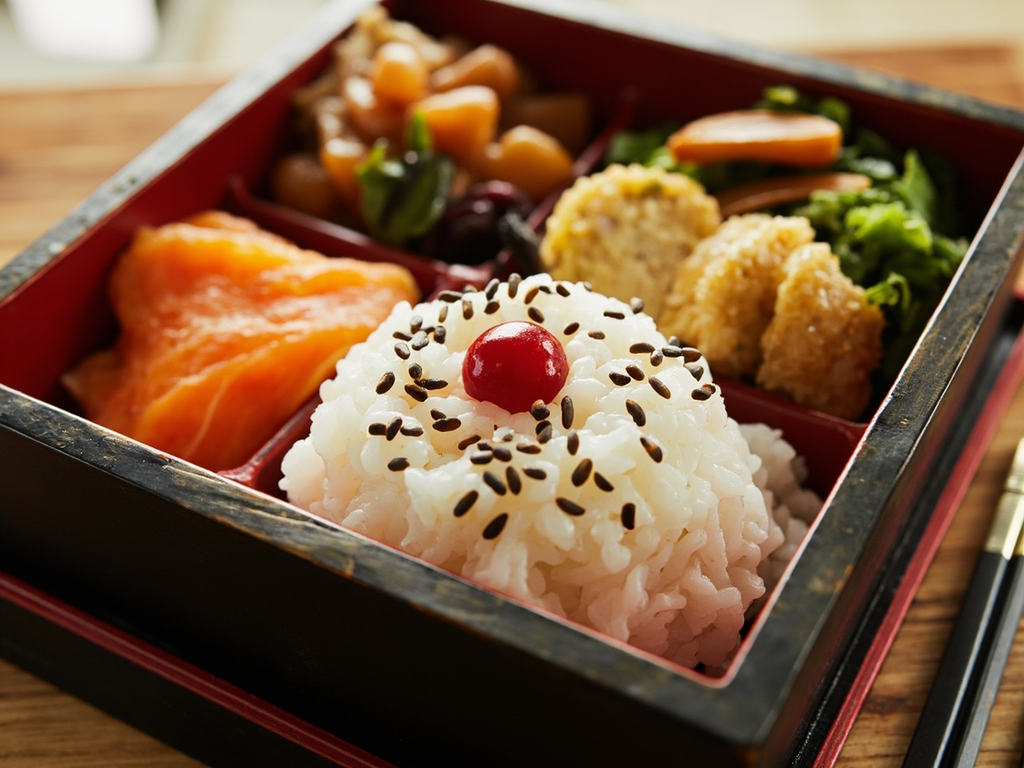
The contemporary twist : Press them in a triangular mold and roll in black sesame: a 'summit onigiri' that fits in a down jacket pocket.
Junko Tabei · Charactorium