ʻAi (the Hawaiian meal)
The traditional Hawaiian meal is organized around a central starch — poi (pounded taro) or ʻulu (breadfruit) — accompanied by iʻa (fish, meat, or seafood) and condiments (sea salt, seaweed, kukui nuts). There is no succession of courses: everything is served together on lauhala mats. The kapu system imposed a strict separation between men and women during meals, and certain foods — pork, some fish, red bananas, coconut — were reserved for men and chiefs (aliʻi). Great occasions gave rise to the ʻahaʻaina, a community feast centered on pork cooked in an imu (underground oven).
Signature : Imu (Polynesian underground oven)
The imu is Hawaiʻi's iconic cooking technique: a pit dug in the earth, lined with volcanic stones heated by a wood fire, in which meats and starches are wrapped in ti (kī) and banana leaves and steamed for hours. This slow cooking gives foods a characteristic smoky flavor and unparalleled tenderness. For Kamehameha, the size of the imu was a sign of power: a great feast could require an imu several meters long.
Kamehameha I at the table
1758 — 1819
5 period recipes
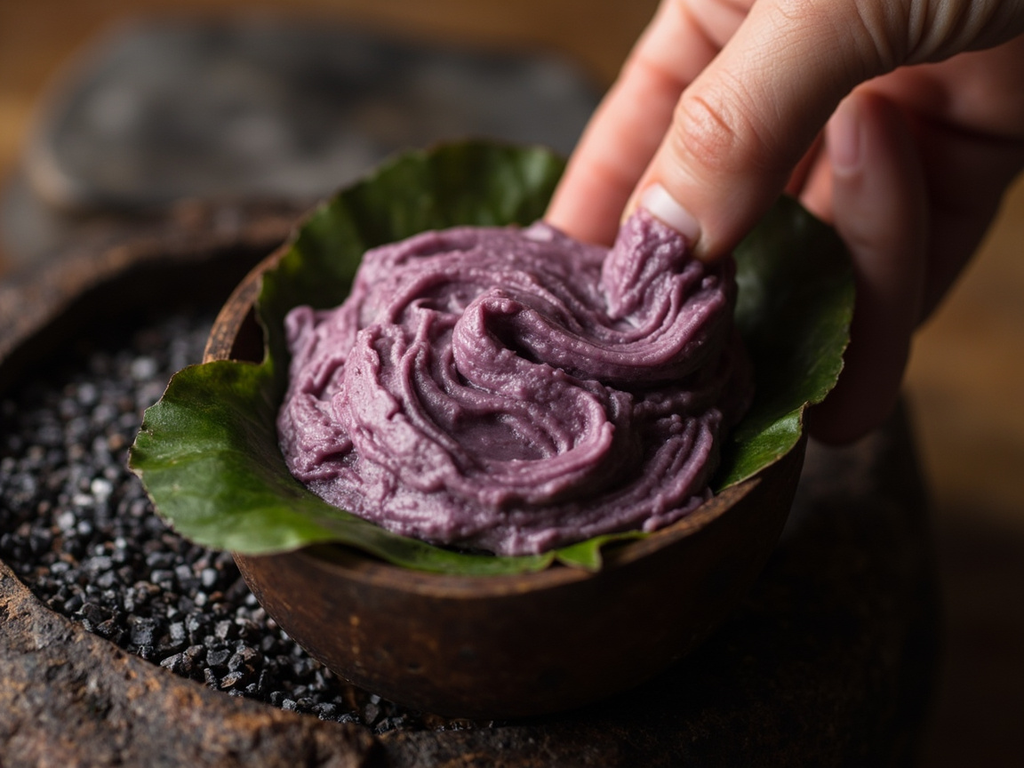 Everyday
Poi (fermented taro paste)
ʻai (staple starch)
🫙 🍋· 1h30 (+ 24-48h if fermented)
View the recipe
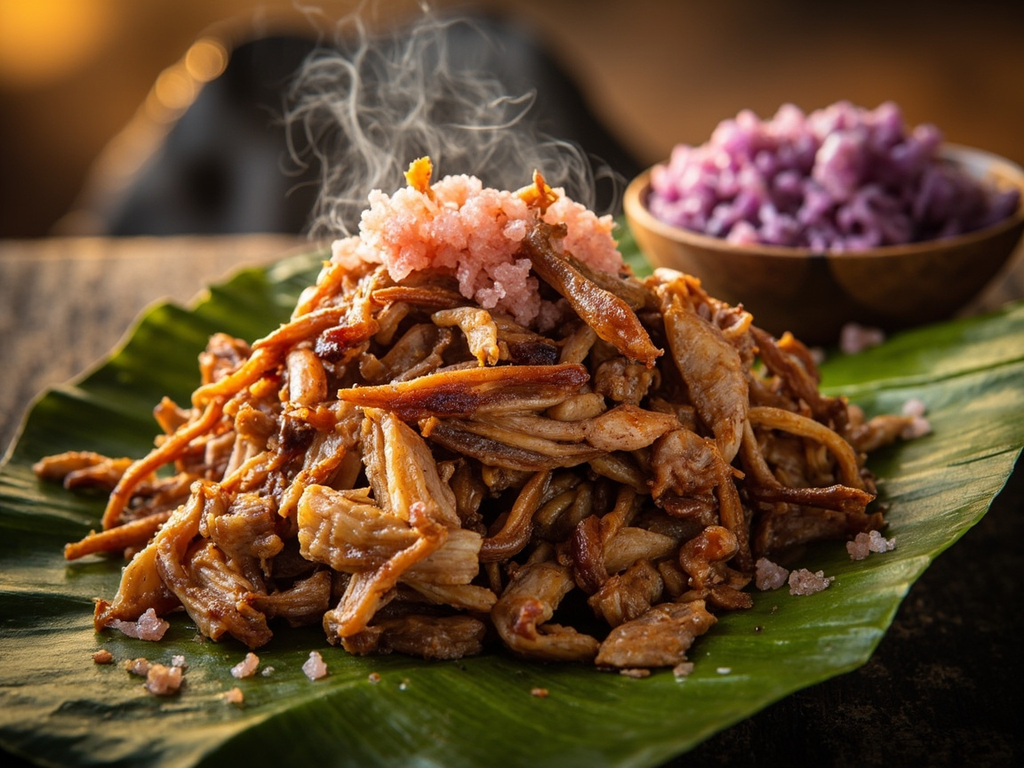 Festive
Kalua puaʻa (imu-cooked pork)
iʻa (protein accompaniment for feasts)
🧂 🍄· 6h (including 5-6h cooking)
View the recipe
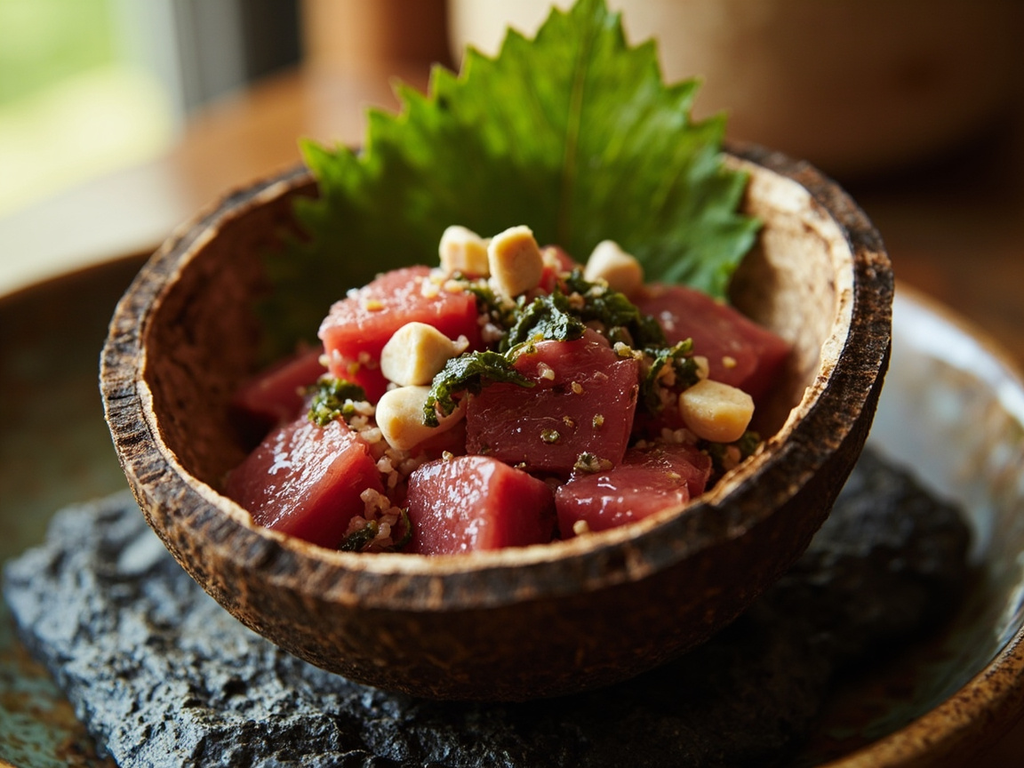 Everyday
Poke iʻa (seasoned raw fish)
iʻa (daily protein dish)
🧂 🍄 🍋· 15 min
View the recipe
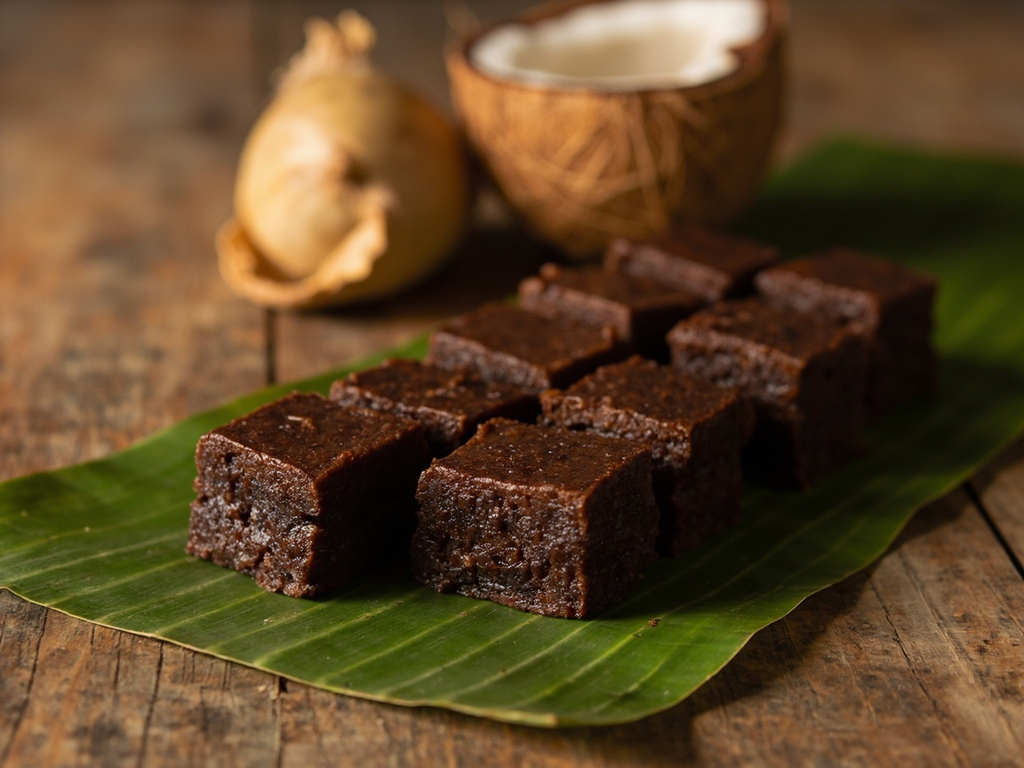 Preserving
Kūlolo (imu-baked taro and coconut pudding)
mea ʻai momona (sweet/rich dish)
🍯 🍄· 3h (including 2h30 baking)
View the recipe
 Offering
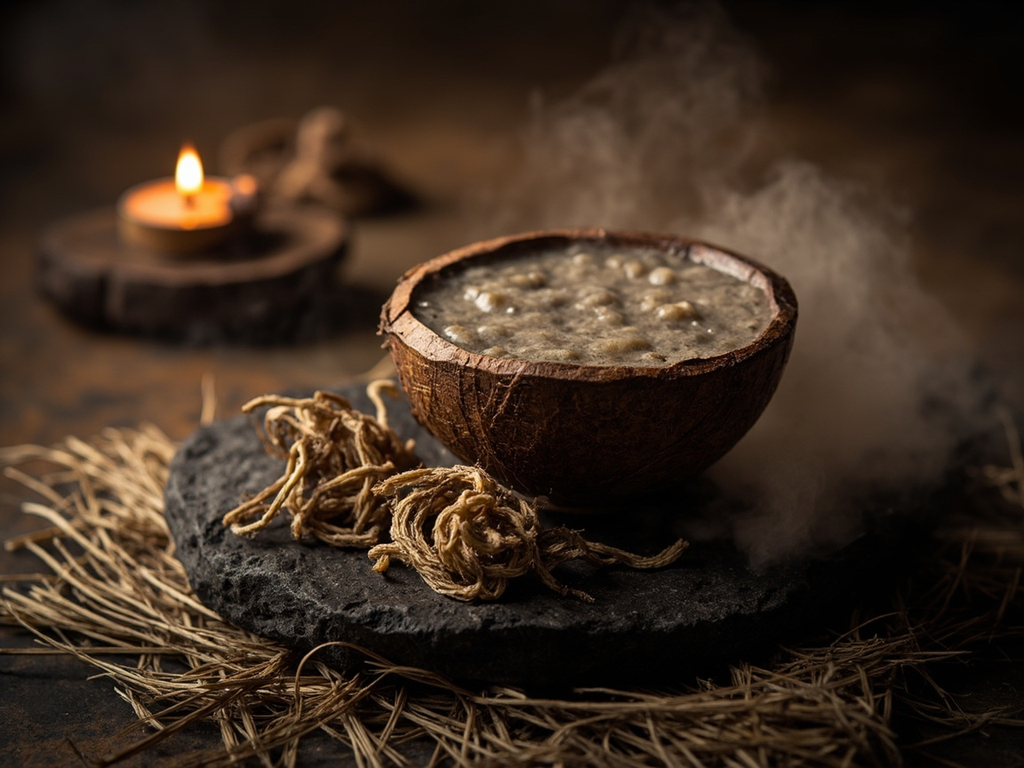
ʻAwa (ceremonial kava drink)
mea inu (ritual beverage)
☕ 🫙· 20 min
View the recipe