Sîtos & ópson, and offerings to the gods
The ancient Greek meal is not divided into starter-main-dessert but into two poles: the sîtos (the grain base—barley cake or bread, which 'nourishes') and the ópson (what is placed on top to accompany it: cheese, olives, figs, honey). Drinks and especially offerings (thysía, aparkhaí, first fruits) deposited for the gods are kept separate. For a Pleiad like Maia, daughter of the Titan Atlas and mother of Hermes, the pastoral Arcadian table (barley, milk, mountain honey, goat cheese) joins the sacred table of cakes and libations offered on altars.
Signature : The wild honey of Arcadia (méli)
The thyme and heather honey of the Arcadian mountains is Maia's golden thread: it is the mortal analogue of the gods' ambrosia and nectar, it perfumes offering cakes, it forms the libation drink (melíkraton), and it seals birth confections. Sweet, resinous, fragrant with mountain herbs, it is the liquid gold of the slopes of Cyllene.
Maia at the table
5 period recipes
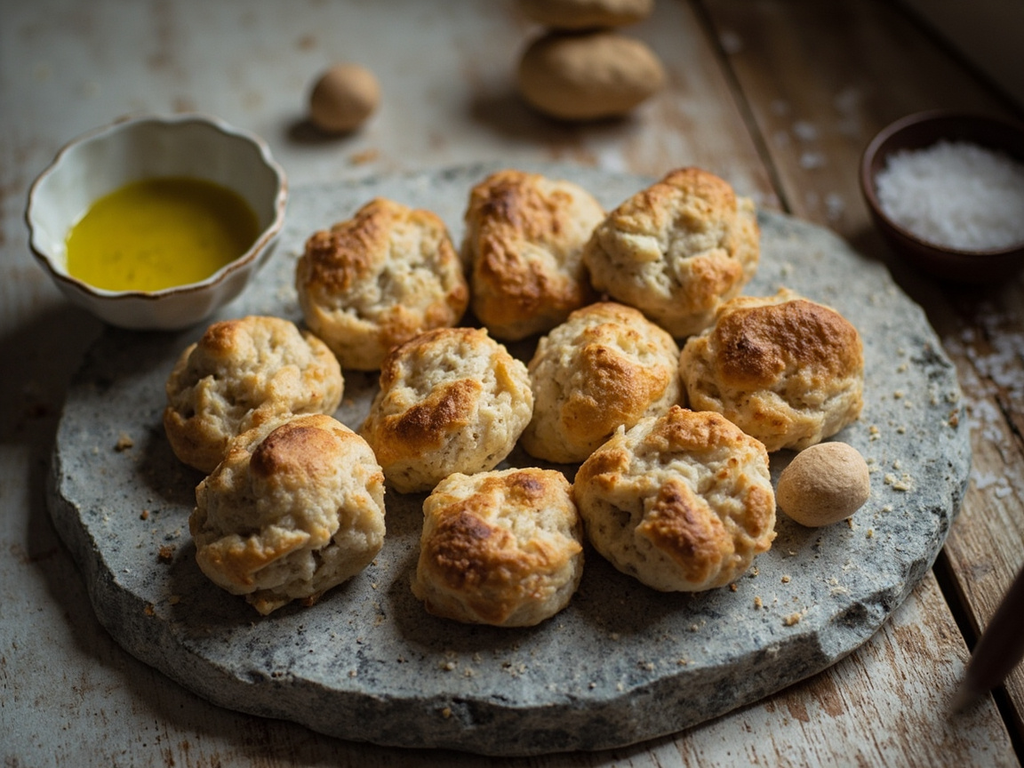 Everyday
Arcadian Mâza with Toasted Barley
Sîtos (the grain base of the meal)
🧂 ☕· 25 min
View the recipe
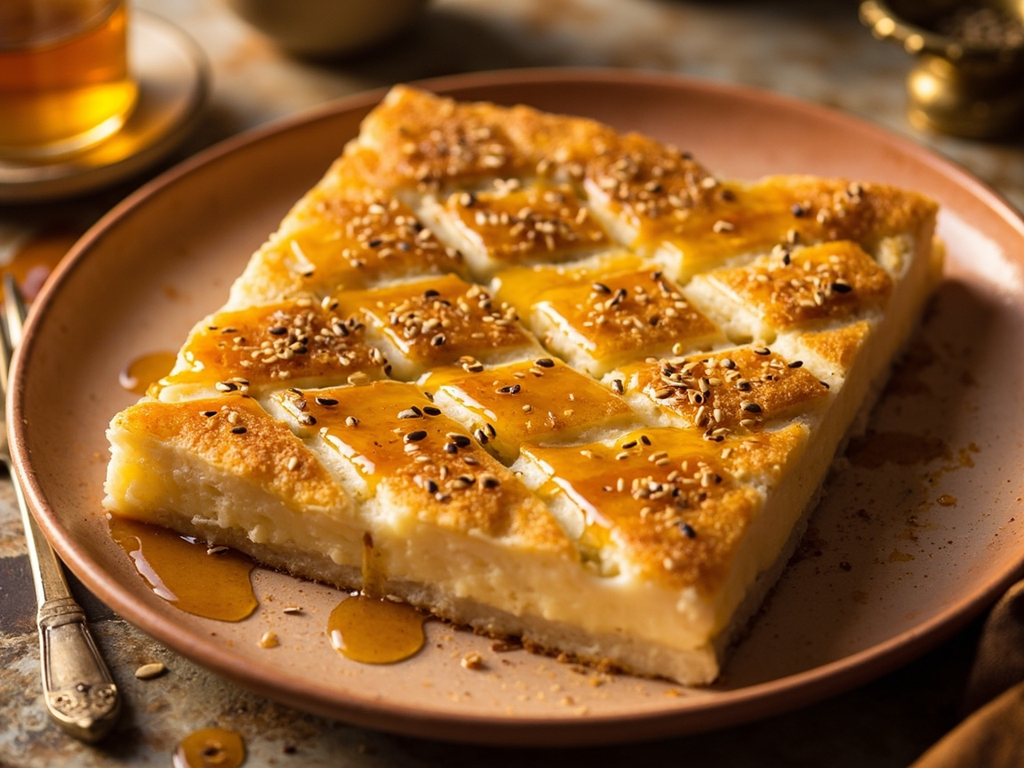 Offering
Plakoûs with Fresh Cheese and Honey
Sweet offering / banquet piece (plakoûs)
🍯· 50 min
View the recipe
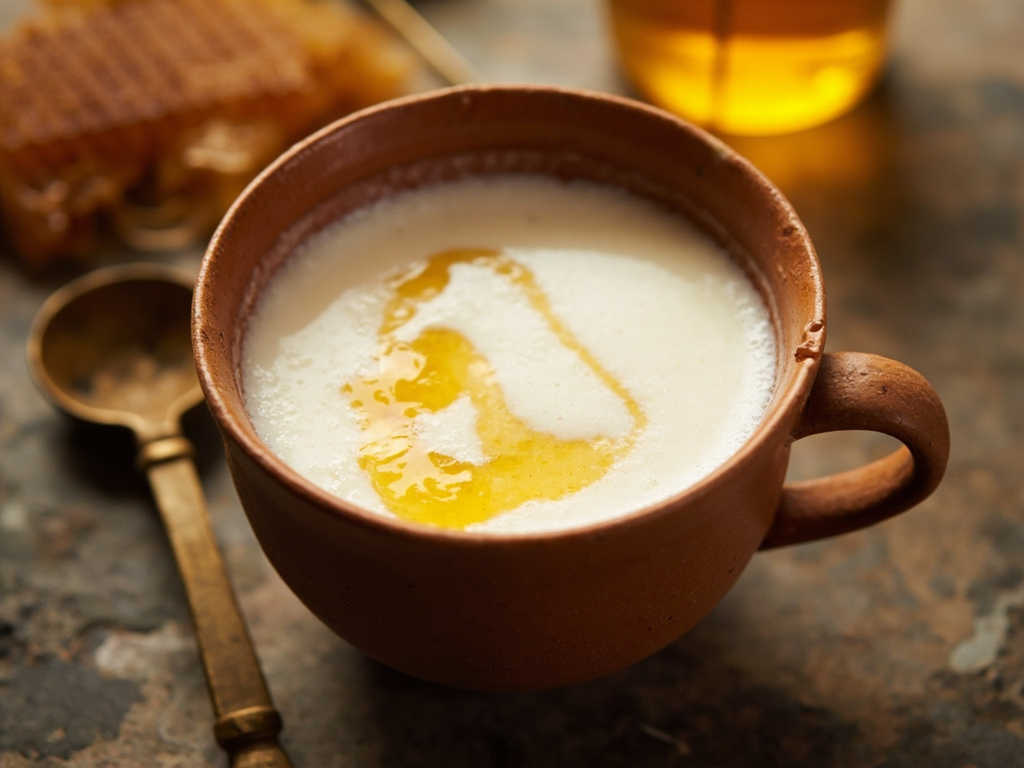 Drink
DrinkMelíkraton, Libation of Honey and Milk
Libation drink (spondê)
🍯· 10 min
View the recipe
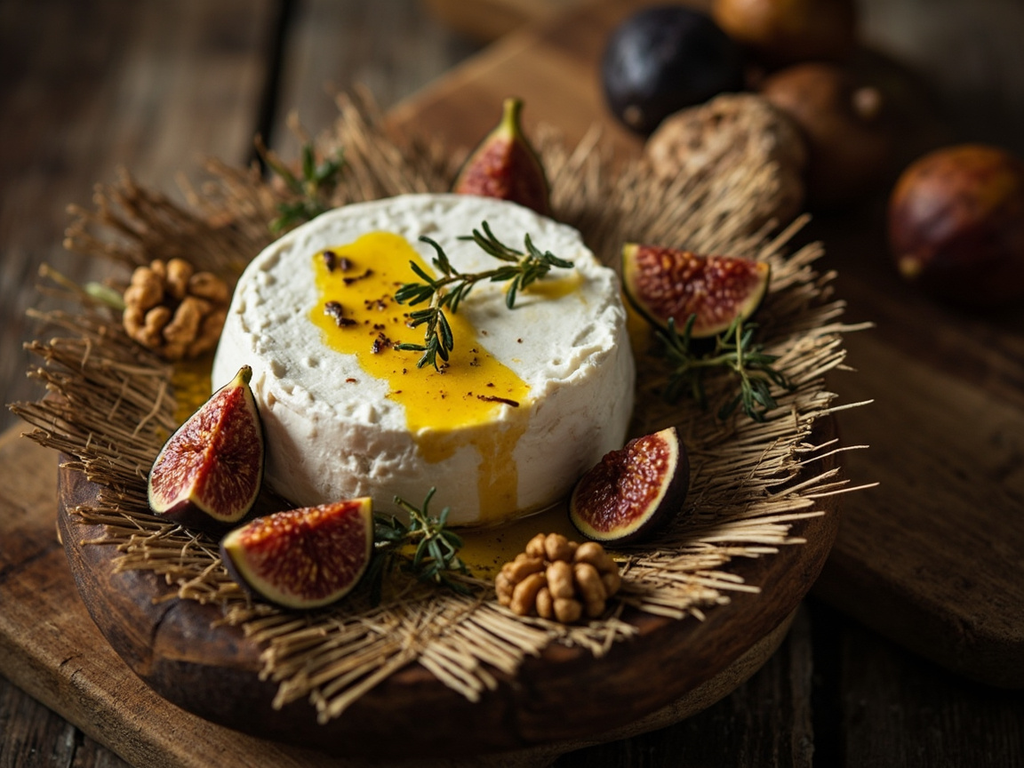 Travel
Shepherd's Provision: Fresh Goat Cheese and Dried Figs
Ópson for travel (the accompaniment to sîtos)
🫙 🧂· 15 min
View the recipe
 Festive
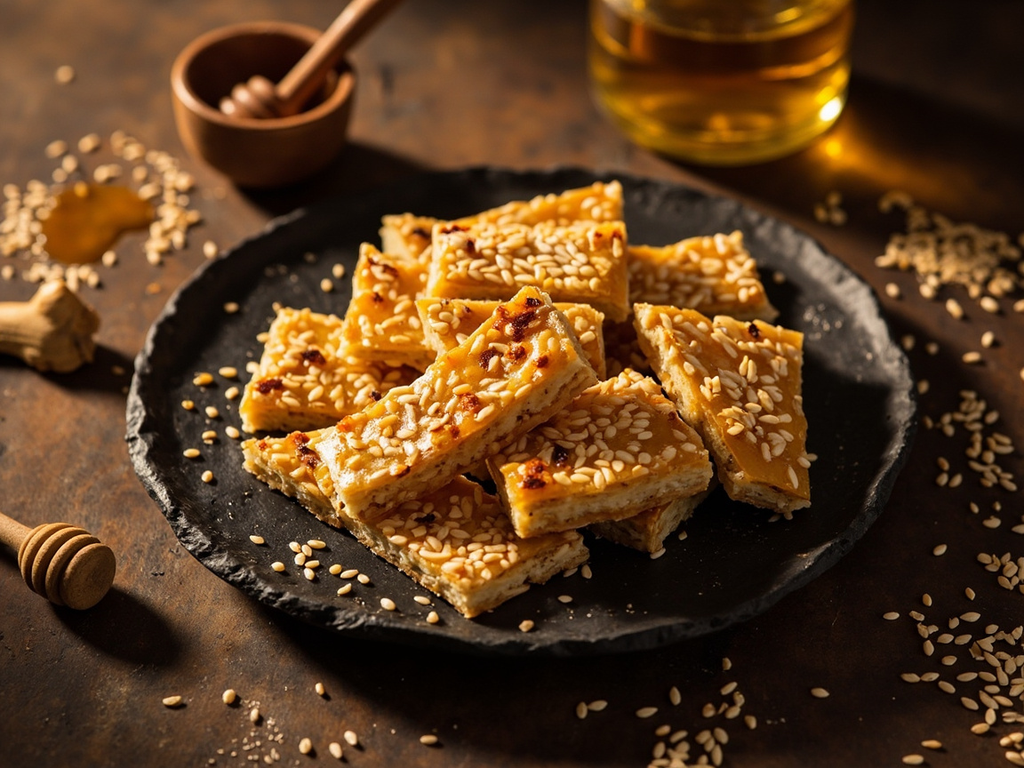
Itría with Sesame and Honey, Birth Cake
Confectionery offering (fertility and birth cake)
🍯· 20 min
View the recipe