 flip
flipArcadian Mâza with Toasted Barley
Arcadian Mâza with Toasted Barley
Why this dish? Mâza, a barley dough or cake, was the daily bread of pastoral Arcadia, the harsh, mountainous region where Maia had her cave on Mount Cyllene. It is the humble food of the shepherds who populated its slopes—the very ones whose protector god her son Hermes would become.
A dough of toasted then ground barley, simply bound with water, a drizzle of oil and a pinch of salt: the nourishing base of every Greek meal, shaped into a flat cake or ball to dip in diluted wine or top with ópson.
Draw near, mortal, and see what the shepherds ate on the slopes of my Cyllene. They toasted the barley on the embers until it sang, then ground it in the stone mill, and from that golden flour they kneaded a firm dough, barely salted with a trickle of water and oil. It is not the feast of the Olympians, surely—no nectar here—but it is the bread of those who watch over the flocks, and it has its nobility. Roll it between your palms as they did, and you will hold true Arcadia in your hand.
- •Hulled barley — two handfuls (base grain, toasted then ground)
- •Spring water — as needed to bind (binder)
- •Olive oil — a drizzle (suppleness and flavor)
- •Sea salt — a pinch (seasoning)
Arcadian Mâza with Toasted Barley
A dough of toasted then ground barley, simply bound with water, a drizzle of oil and a pinch of salt: the nourishing base of every Greek meal, shaped into a flat cake or ball to dip in diluted wine or top with ópson.
Why this dish? Mâza, a barley dough or cake, was the daily bread of pastoral Arcadia, the harsh, mountainous region where Maia had her cave on Mount Cyllene. It is the humble food of the shepherds who populated its slopes—the very ones whose protector god her son Hermes would become.
Draw near, mortal, and see what the shepherds ate on the slopes of my Cyllene. They toasted the barley on the embers until it sang, then ground it in the stone mill, and from that golden flour they kneaded a firm dough, barely salted with a trickle of water and oil. It is not the feast of the Olympians, surely—no nectar here—but it is the bread of those who watch over the flocks, and it has its nobility. Roll it between your palms as they did, and you will hold true Arcadia in your hand.
Ingredients (period version)
- Hulled barley — two handfuls (base grain, toasted then ground)
- Spring water — as needed to bind (binder)
- Olive oil — a drizzle (suppleness and flavor)
- Sea salt — a pinch (seasoning)
Ingredients
- Toasted barley flour (or hulled barley to toast yourself) — 200 g (base)
- Warm water — 90 to 110 ml (binder)
- Extra virgin olive oil — 2 tbsp (suppleness)
- Fine salt — 1/2 tsp (seasoning)
Method
- If starting from barley grains, toast them dry in a pan until they smell nutty, let cool, then grind finely.
- In a bowl, mix the toasted barley flour and salt.
- Add the oil, then the warm water little by little, working until you get a firm but pliable dough, neither sticky nor crumbly.
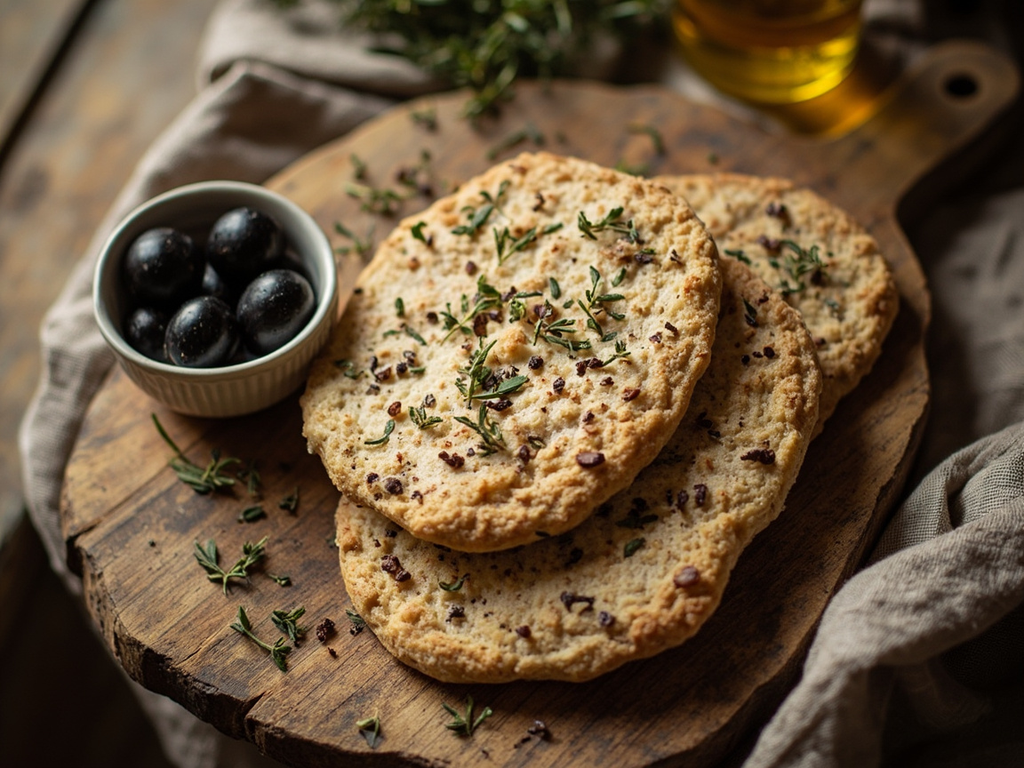
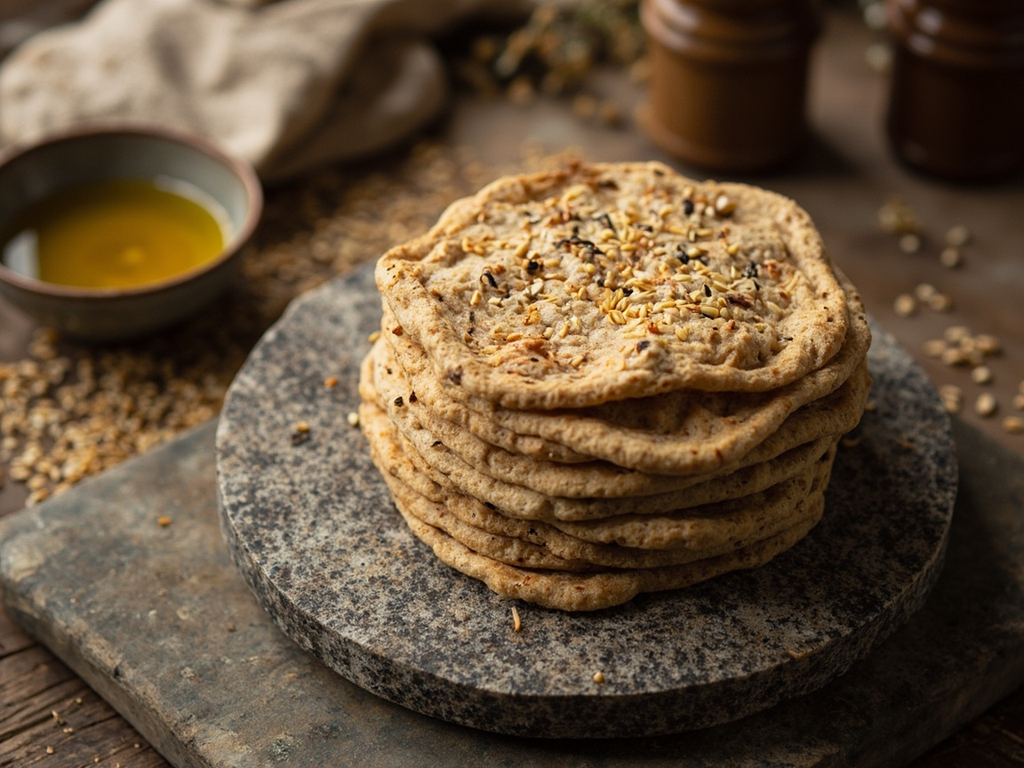
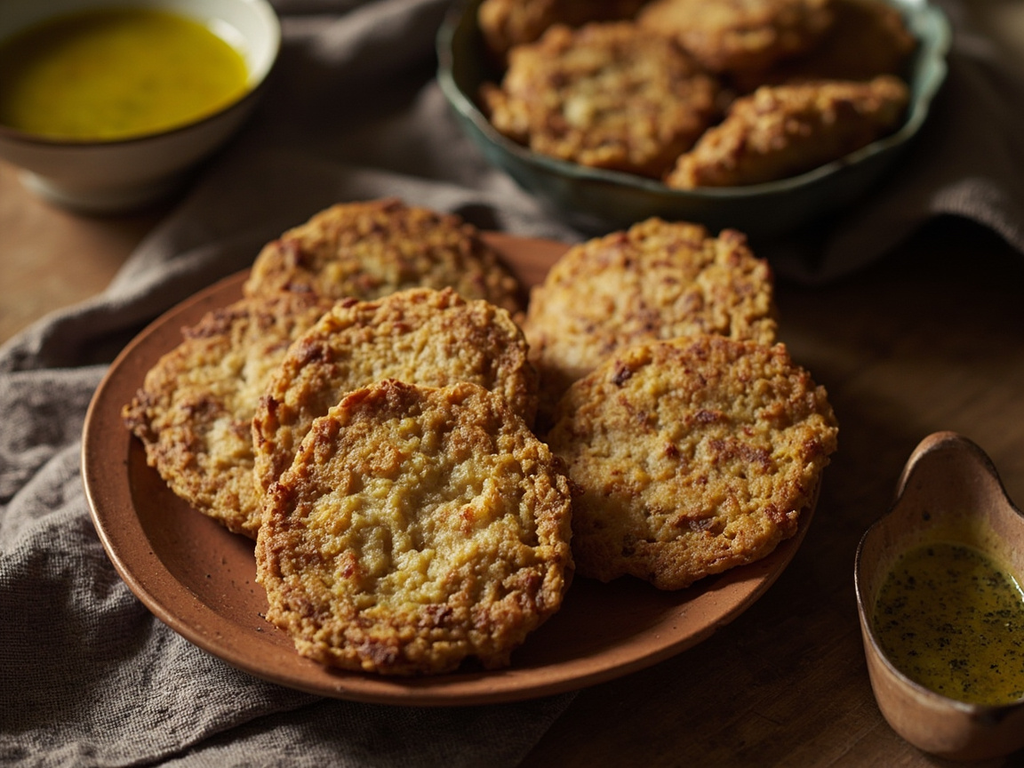
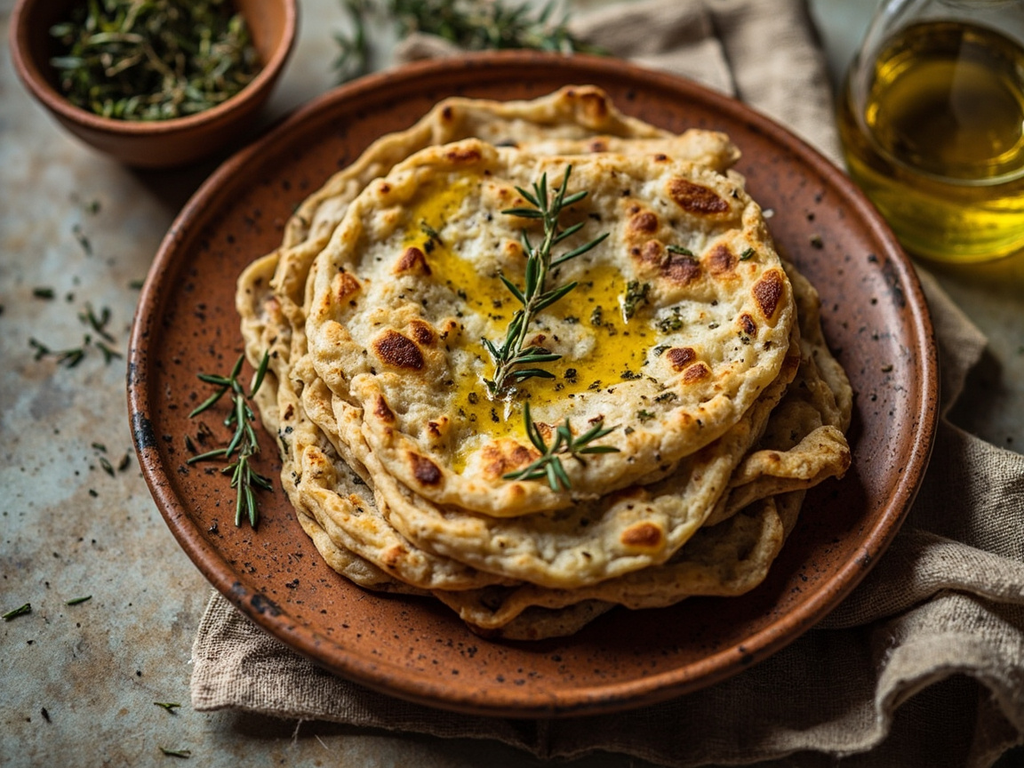
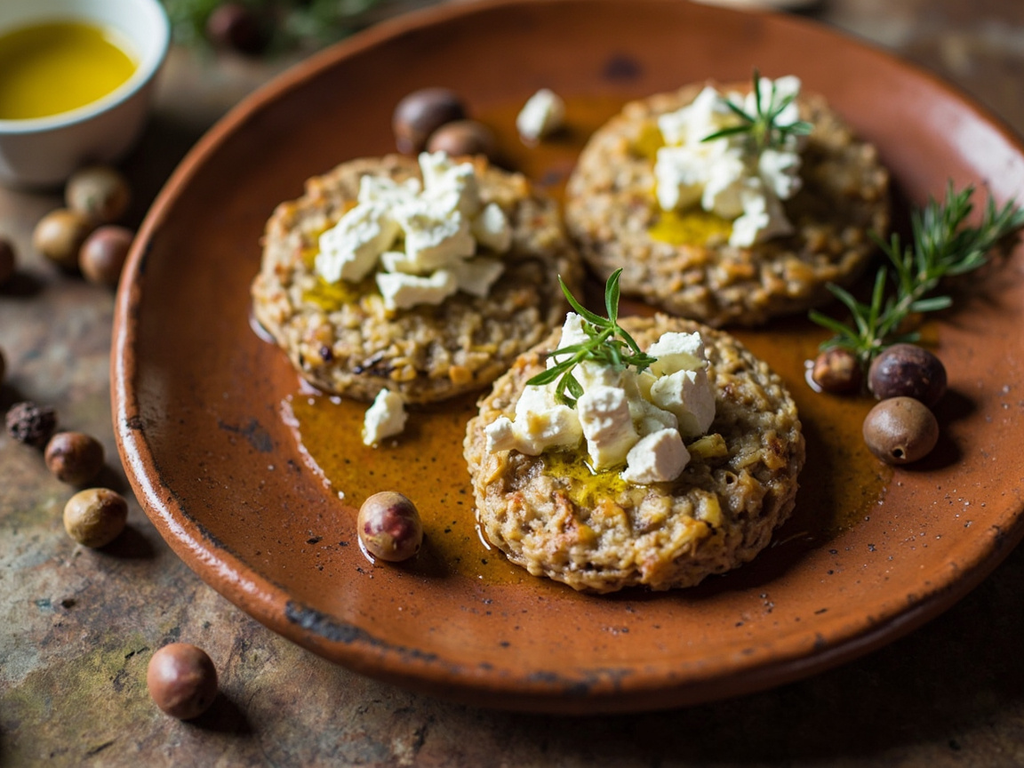
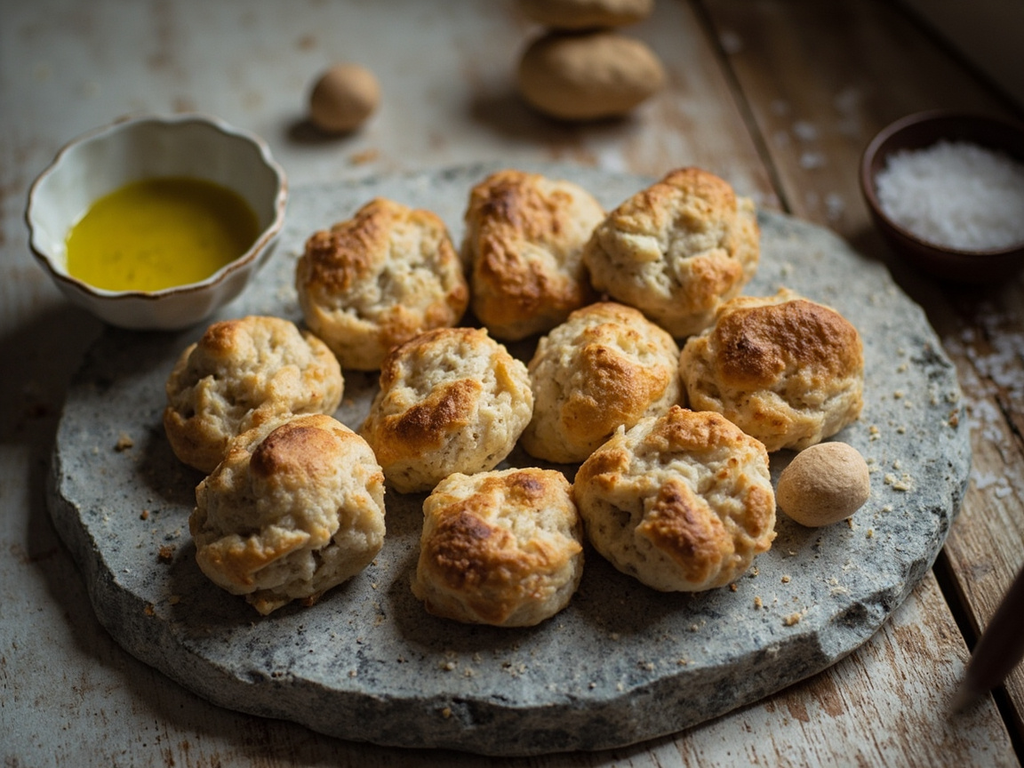
- Shape into small thick cakes or hand-rolled balls.
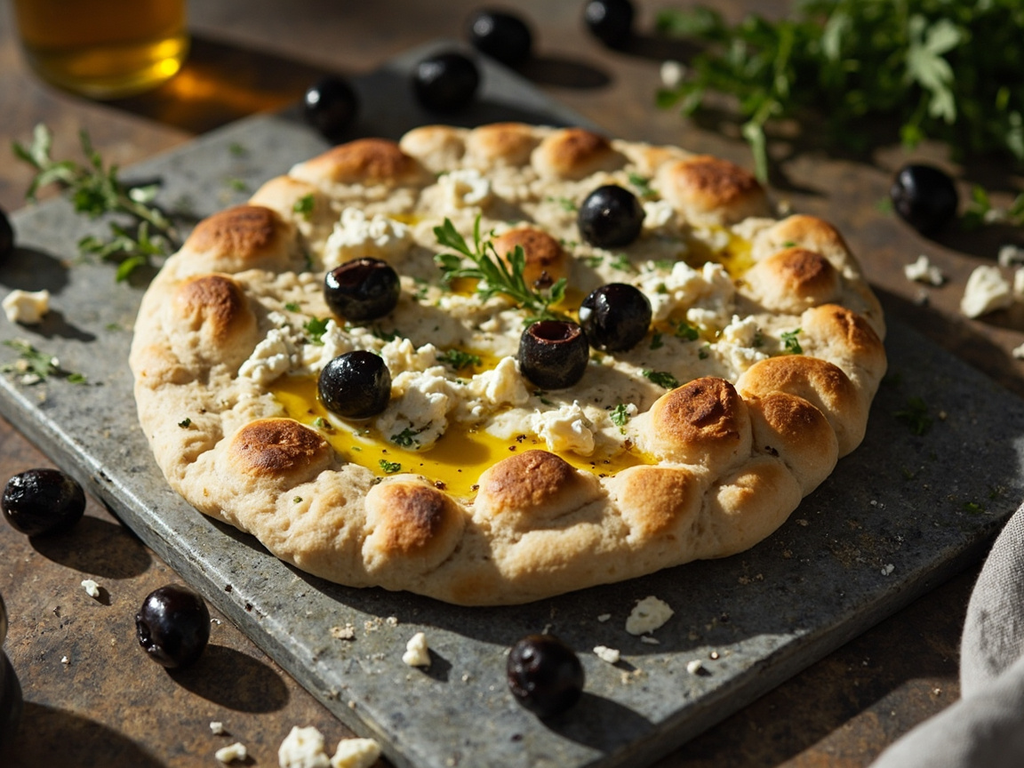
- Enjoy as is, dipped in a little oil, or topped with fresh cheese, olives, and honey as ópson.
How it was made : Mâza was the most common sîtos in ancient Greece, often preferred to wheat bread in poor regions like Arcadia. Toasted barley (álphita) was stored ground and bound cold, without oven baking: an extremely simple food mentioned everywhere from the Homeric poems to Hippocratic physicians.
The contemporary twist : Serve the mâza balls as an 'Arcadian appetizer' on a slate board with three small bowls: thyme honey, olive oil, crumbled fresh goat cheese—let each person compose their own ópson.
Sources : Andrew Dalby, Siren Feasts: A History of Food and Gastronomy in Greece, Routledge, 1996 · Athenaeus of Naucratis, The Deipnosophists, Book III (on mâza and álphita)
Maia · Charactorium