Greek thysía and deîpnon (offering then meal)
In ancient Greece, the meal revolves around sacrifice (thysía) where food is shared with the gods: smoke and cakes rise to Olympus, meat returns to humans. The human meal divides into sîtos (staple grain: barley maza, bread) and opson (accompaniment: fish, vegetables, olives, cheese), followed by the symposion with wine mixed with water. For a goddess like Metis, the ideal table is that of the gods — ambrosia and nectar — of which mortal recipes are only pale reflections offered in homage.
Signature : Barley and Hymettus honey
Barley (krithé) is the grain of modest cunning and Greek peasant wisdom — ground into maza, infused into kykeon. Honey, a food that brings mortals closer to divine ambrosia, marks offerings. Together, they bridge the table of men and that of Metis, the Oceanid who swallowed prudence.
Metis at the table
5 period recipes
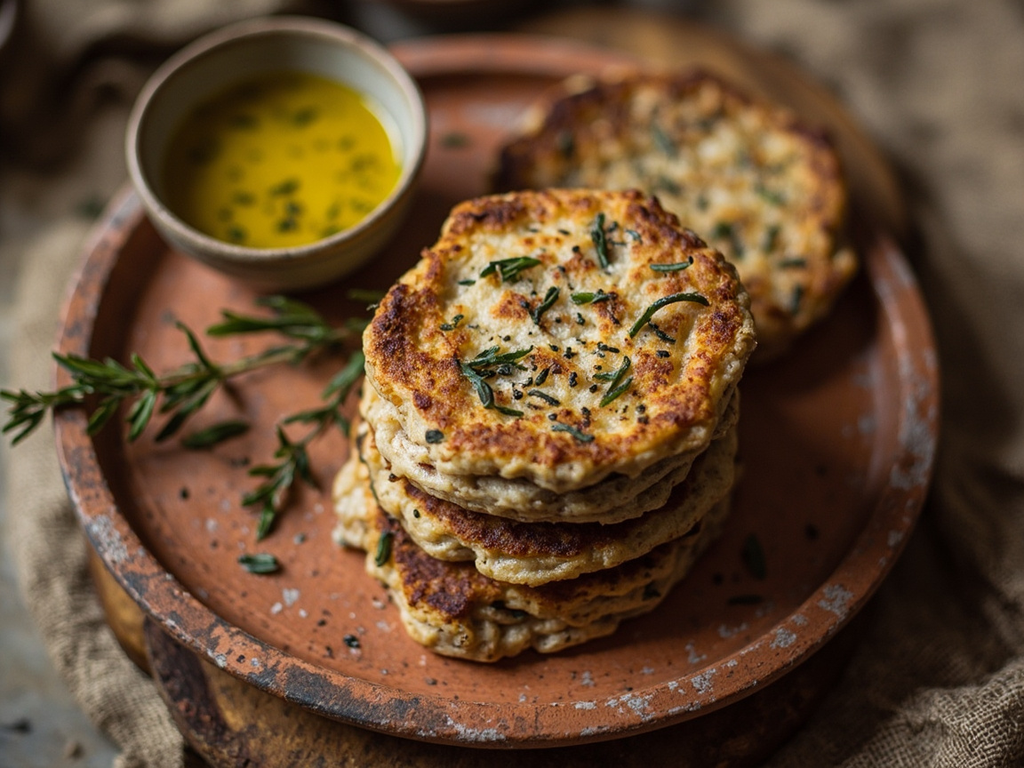 Everyday
Barley maza with olive oil and thyme
Sîtos (staple grain of the deîpnon)
☕ 🧂· 30 min
View the recipe
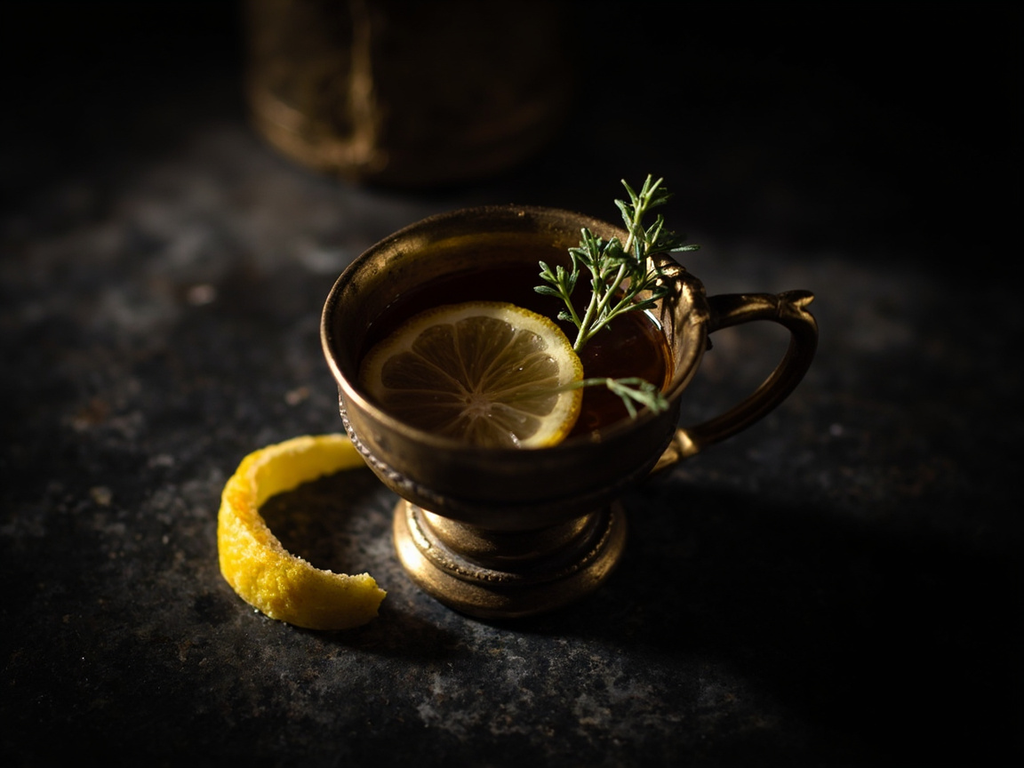 Remedy
Metis's emetic philtre
Phármakon (potion-remedy, outside meals)
🍋 ☕· 15 min
View the recipe
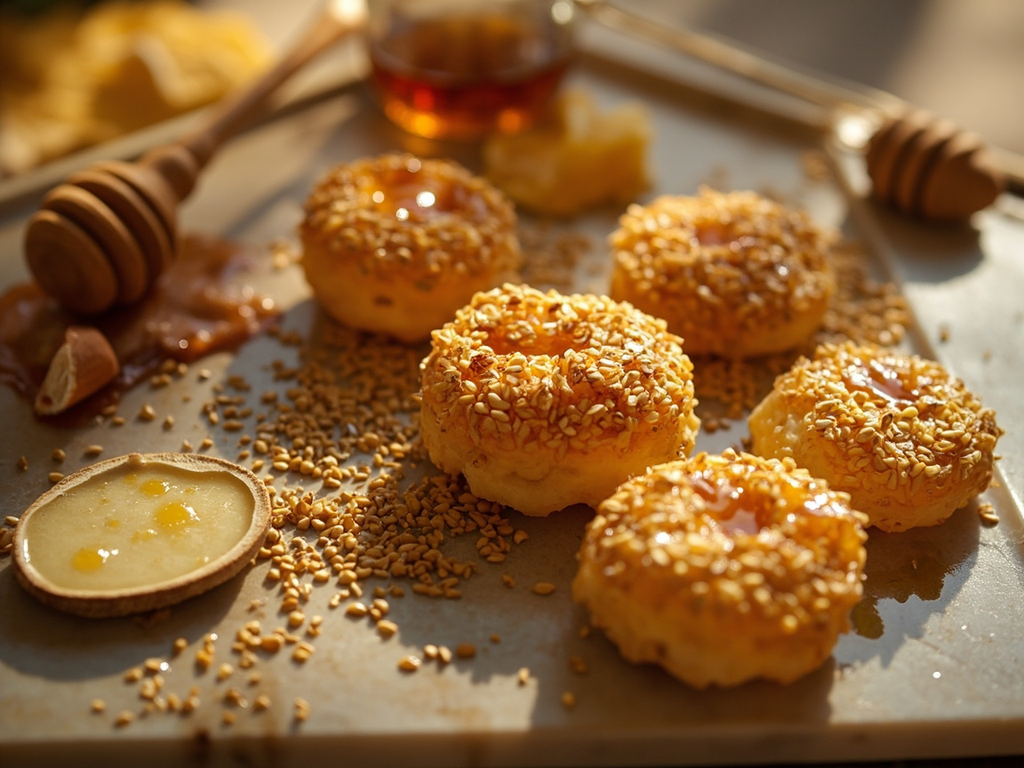 Offering
Melitoutta, honey and sesame cake
Pélanos / pemmata (offering cake of the thysía)
🍯· 40 min
View the recipe
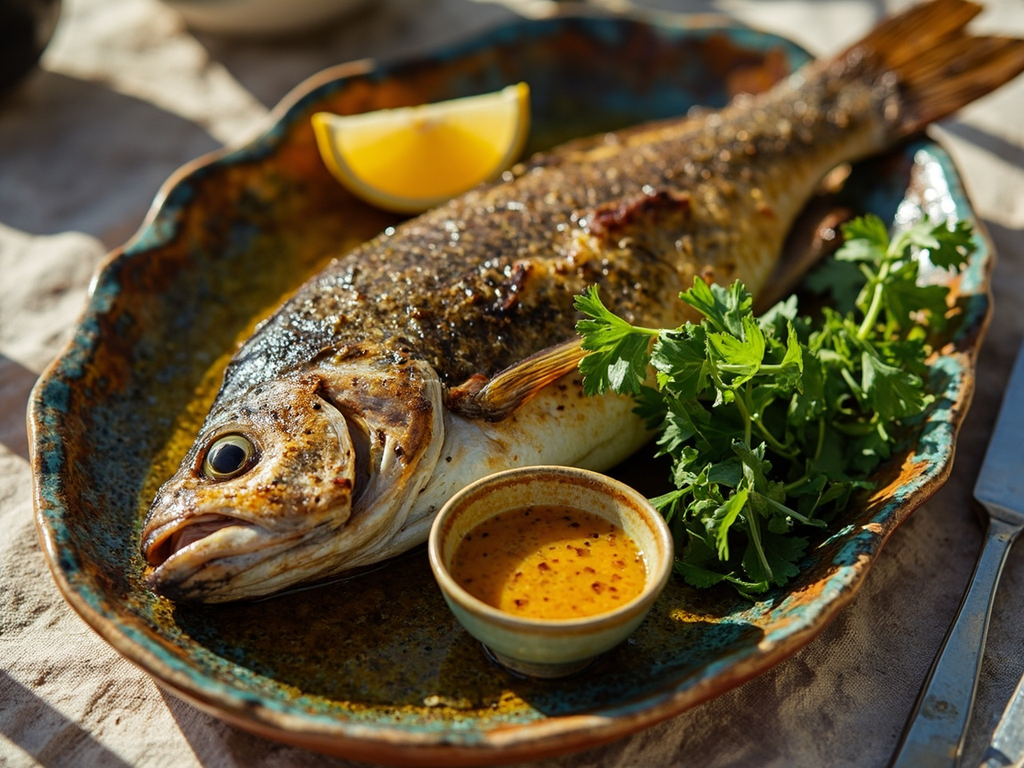 Festive
Wedding fish grilled with garum and herbs
Opson (noble accompaniment of the festive deîpnon)
🧂 🍄· 45 min
View the recipe
 Preserving
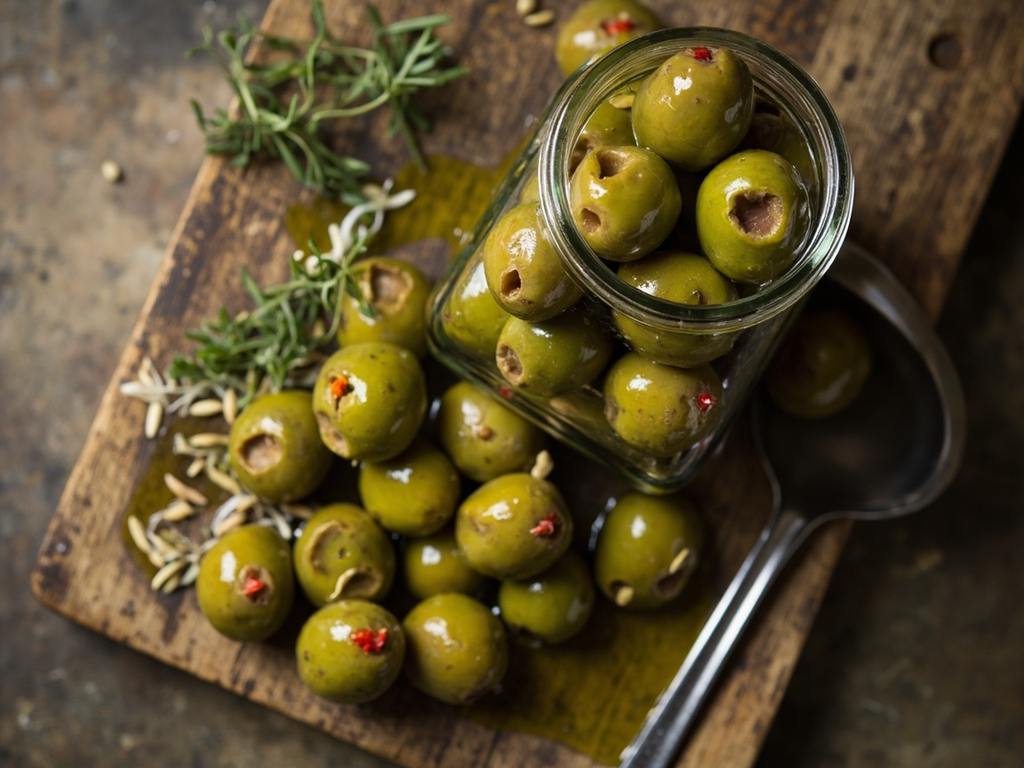
Brined olives with fennel and coriander
Opson of preservation (Greek pantry reserve)
🧂 ☕ 🫙· 30 min (+ 3 to 4 weeks fermentation)
View the recipe