 flip
flipBrined olives with fennel and coriander
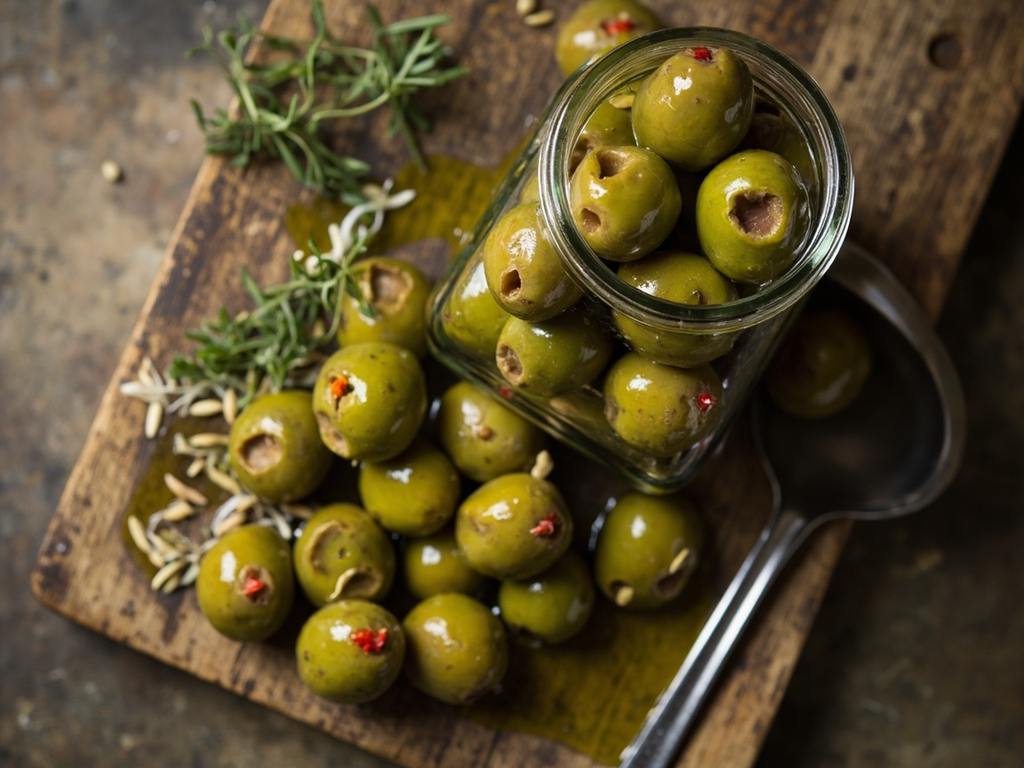
Brined olives with fennel and coriander
Why this dish? Metis is cunning foresight — knowing how to preserve for uncertain times, just as she foresaw the danger of her own offspring. Brined olives, which transform a bitter, inedible fruit into a lasting reserve, embody this patient intelligence: making time an ally, not an enemy.
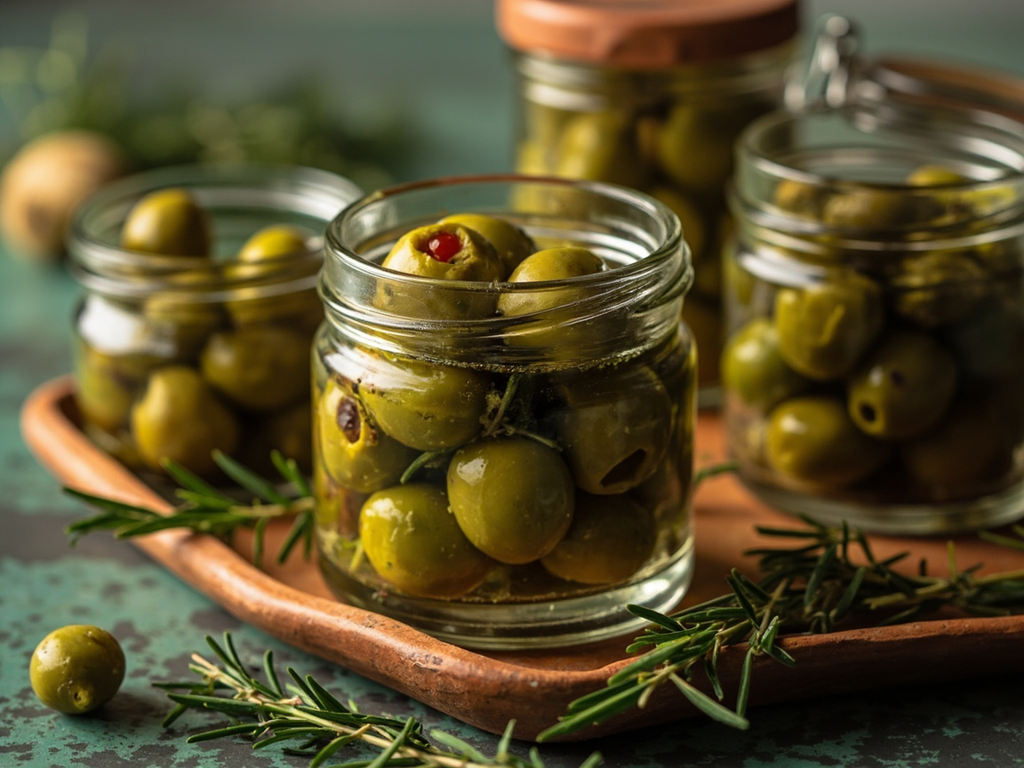
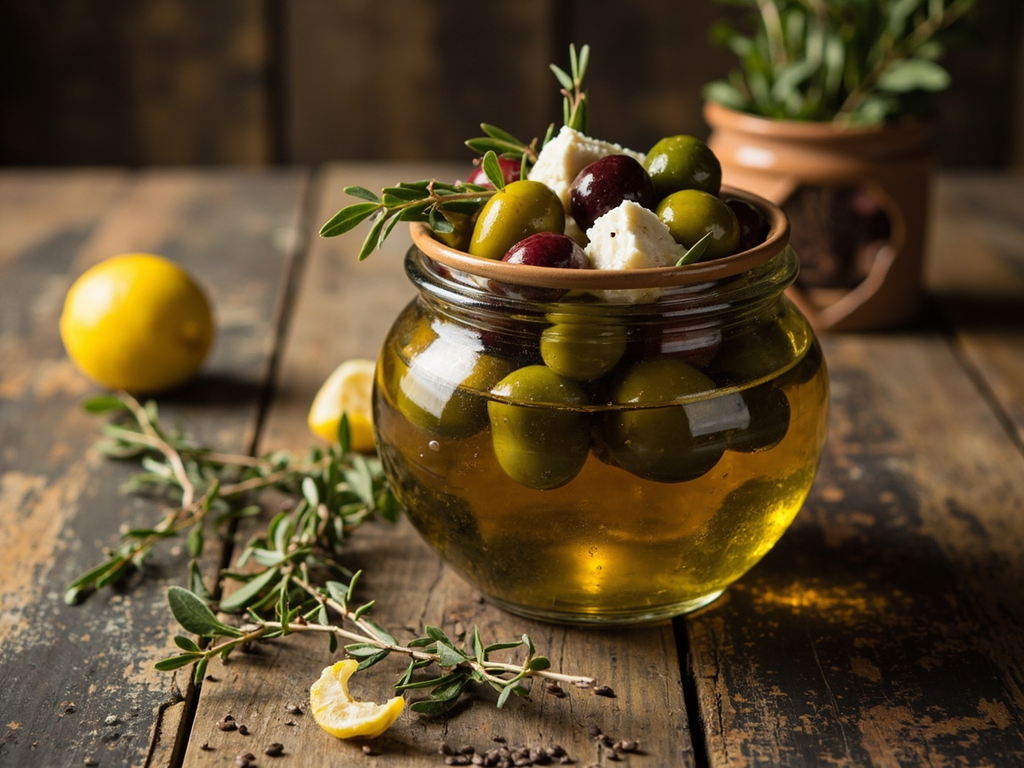
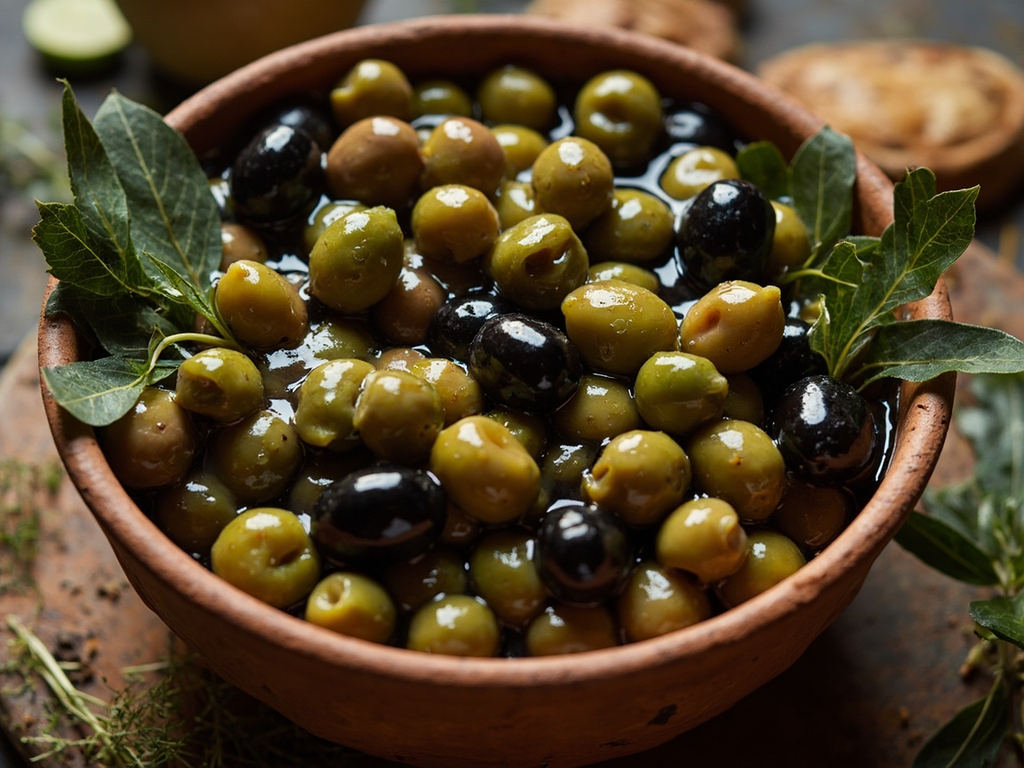
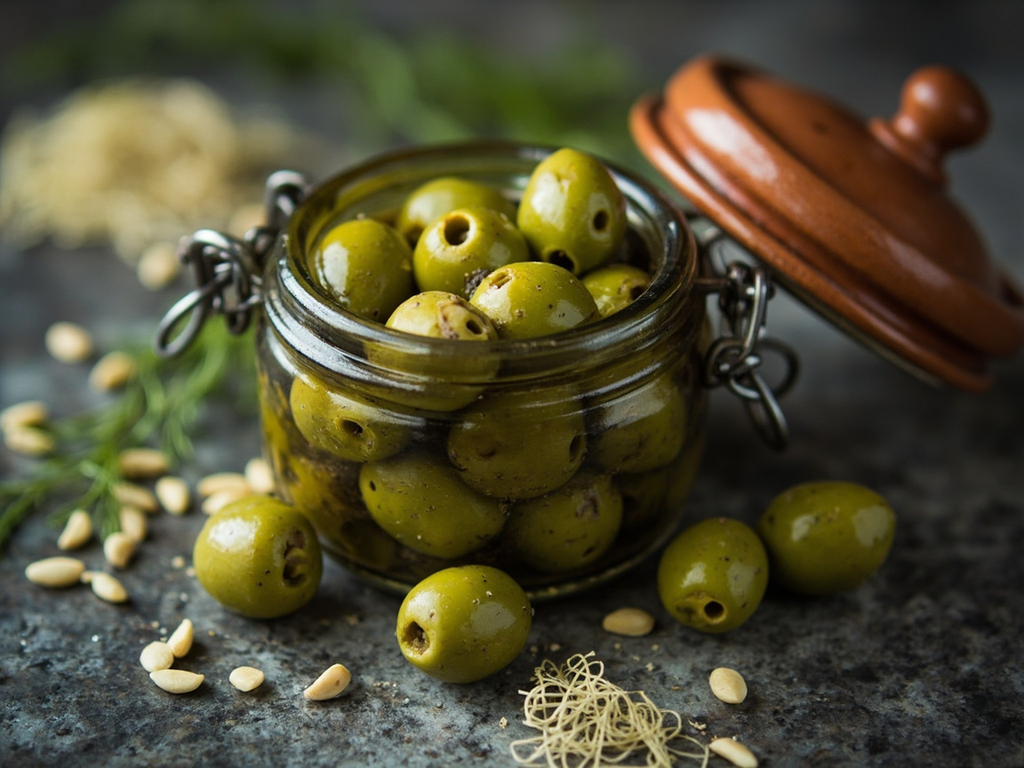
Fresh olives rid of bitterness by brining, flavored with fennel, coriander seeds, and a hint of vinegar. The emblematic preserve of the Mediterranean household, accompanying bread and wine all year round.
You find the raw olive bitter, inedible? Good. That means it resists you, as my destiny resisted me. But plunge it into salt water, wait, change the brine, wait again — and patience does what force cannot: it sweetens it. I knew this virtue better than anyone, I who knew how to wait, foresee, use cunning rather than fight. Keep these olives perfumed with fennel in your jar: they will feed you when winter bites, for true wisdom, mortal, is to think of tomorrow.
- •Fresh olives (green or turning) — a full jar (product to preserve)
- •Sea salt — generously (brine agent)
- •Spring water — enough to cover (brine)
- •Fennel seeds and coriander seeds — a handful (flavor)
- •Wine vinegar — a dash (acidity and preservation)
- •Olive oil — to seal the surface (air barrier)
Brined olives with fennel and coriander
Fresh olives rid of bitterness by brining, flavored with fennel, coriander seeds, and a hint of vinegar. The emblematic preserve of the Mediterranean household, accompanying bread and wine all year round.
Why this dish? Metis is cunning foresight — knowing how to preserve for uncertain times, just as she foresaw the danger of her own offspring. Brined olives, which transform a bitter, inedible fruit into a lasting reserve, embody this patient intelligence: making time an ally, not an enemy.
You find the raw olive bitter, inedible? Good. That means it resists you, as my destiny resisted me. But plunge it into salt water, wait, change the brine, wait again — and patience does what force cannot: it sweetens it. I knew this virtue better than anyone, I who knew how to wait, foresee, use cunning rather than fight. Keep these olives perfumed with fennel in your jar: they will feed you when winter bites, for true wisdom, mortal, is to think of tomorrow.
Ingredients (period version)
- Fresh olives (green or turning) — a full jar (product to preserve)
- Sea salt — generously (brine agent)
- Spring water — enough to cover (brine)
- Fennel seeds and coriander seeds — a handful (flavor)
- Wine vinegar — a dash (acidity and preservation)
- Olive oil — to seal the surface (air barrier)
Ingredients
- Fresh green olives (untreated) — 500 g (product to preserve)
- Sea salt (brine at ~10%) — 100 g per liter of water (brine)
- Water — about 1 liter (brine)
- Fennel seeds + coriander seeds — 1 tbsp each (flavor)
- White wine vinegar — 3 tbsp (acidity)
- Olive oil — to cover the surface (sealing)
Method
- Crack or lightly crush each olive to help release bitterness.
- Cover with plain cold water and change the water daily for 7-10 days to remove bitterness.
- Prepare a brine (100 g salt per liter of boiled then cooled water).
- Place olives in a jar with fennel, coriander, and vinegar, cover with brine.
- Pour a film of olive oil on the surface to seal from air, close, and let ferment 3-4 weeks in a cool place.
- Taste: they should be tender, salty, and slightly tangy; store for several months.
How it was made : The Greeks (and the whole Mediterranean) mastered the debittering of olives by soaking and brining since antiquity, as the raw fruit is inedible. Brined olives, oil, and wine formed the preserved triad of the pantry, ensuring stable reserves through the seasons. Flavoring with fennel, coriander, or wild fennel was common.
The contemporary twist : Present the jar as 'the provident one's reserve' on a Greek meze board with maza, fresh cheese, and oil — a workshop on fermentation and patience.
Sources : Cato the Elder, De agricultura (methods for preserving olives, drawing on Greek knowledge) · Athenaeus of Naucratis, The Deipnosophists, Book II (on olives) · Andrew Dalby, Food in the Ancient World from A to Z (2003)
Metis · Charactorium