 flip
flipMelitoutta, honey and sesame cake
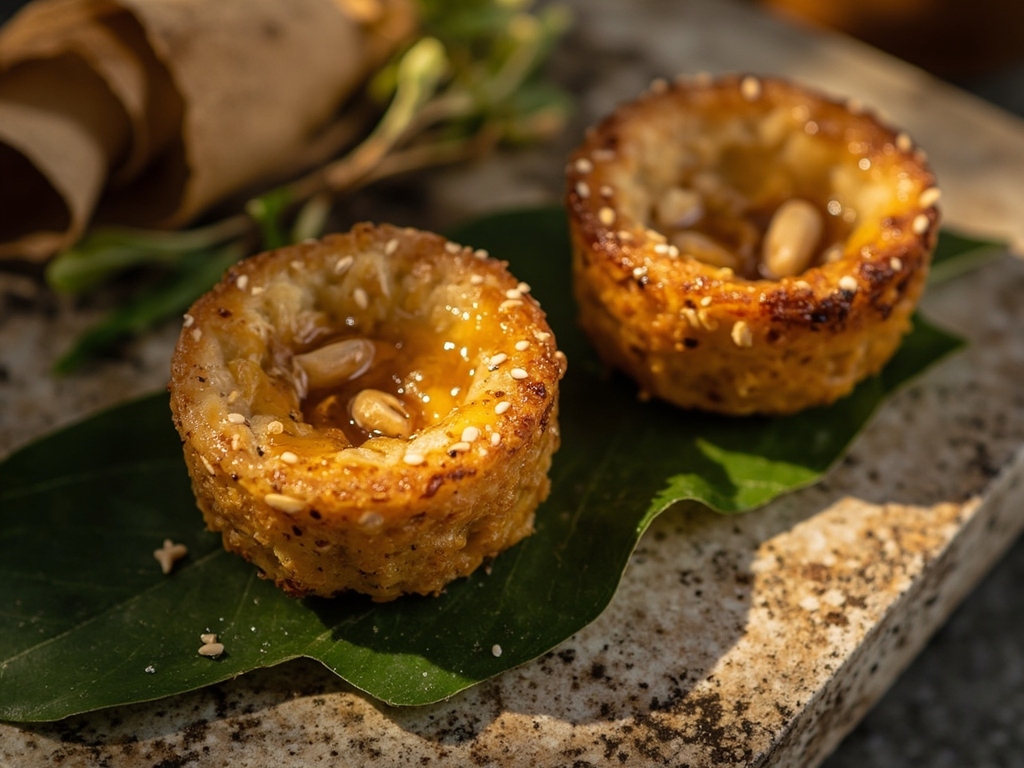
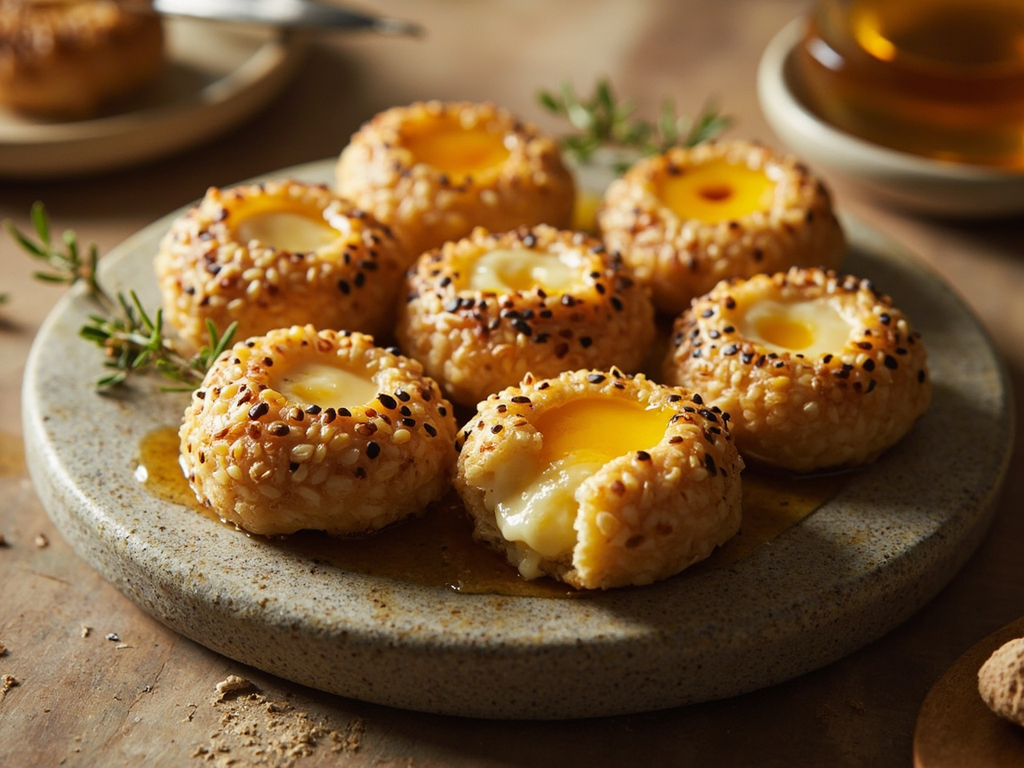
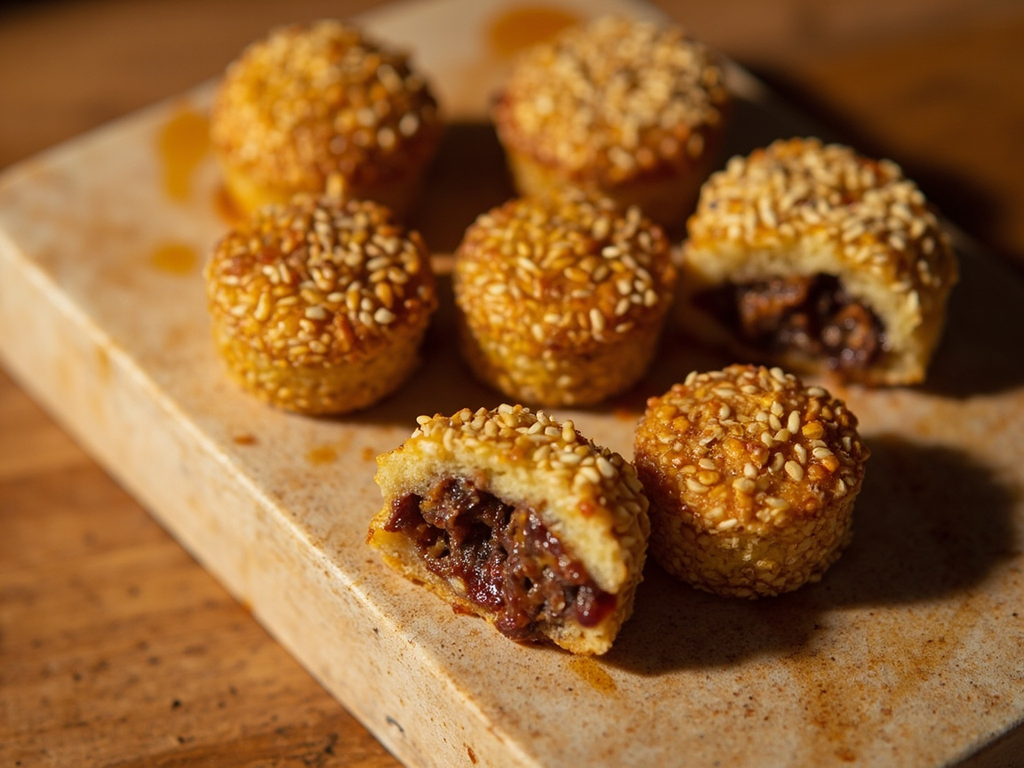
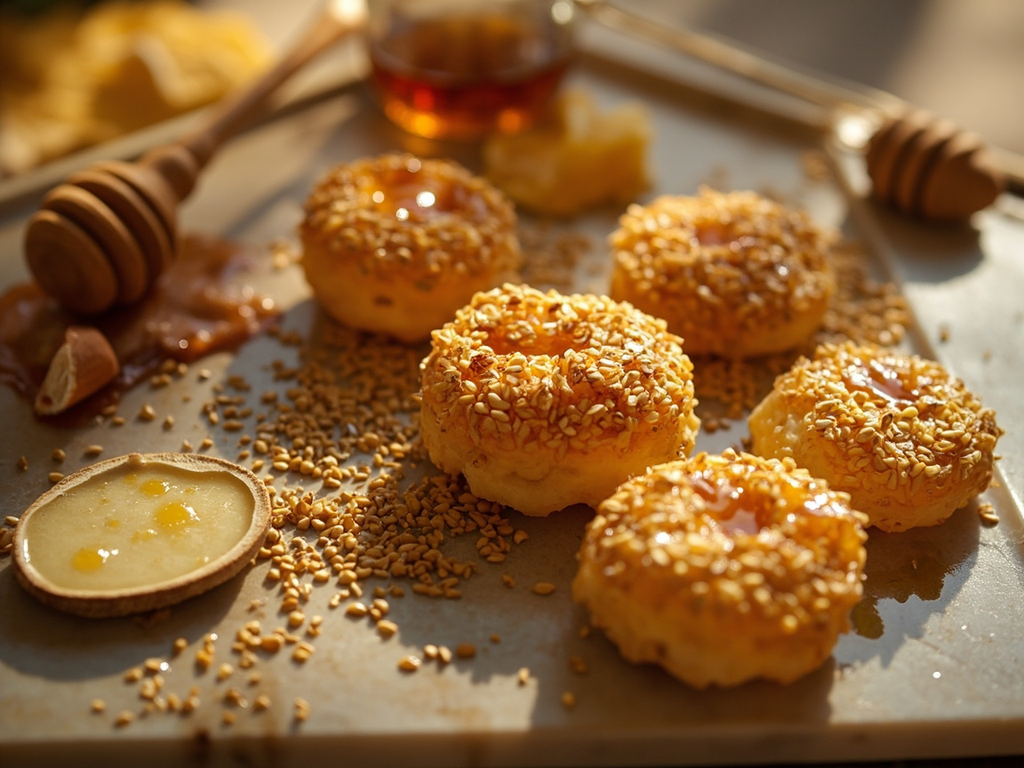
Melitoutta, honey and sesame cake
Why this dish? Metis, first wife of Zeus and mother of Athena, deserves the offering of the gods. The Greeks placed on altars honey and flour cakes (pelanoi, melitoutta) meant for smoke and divine sharing. Offering this cake to Metis honors the wisdom she passed on to her helmeted daughter, born fully armed from Zeus's head.
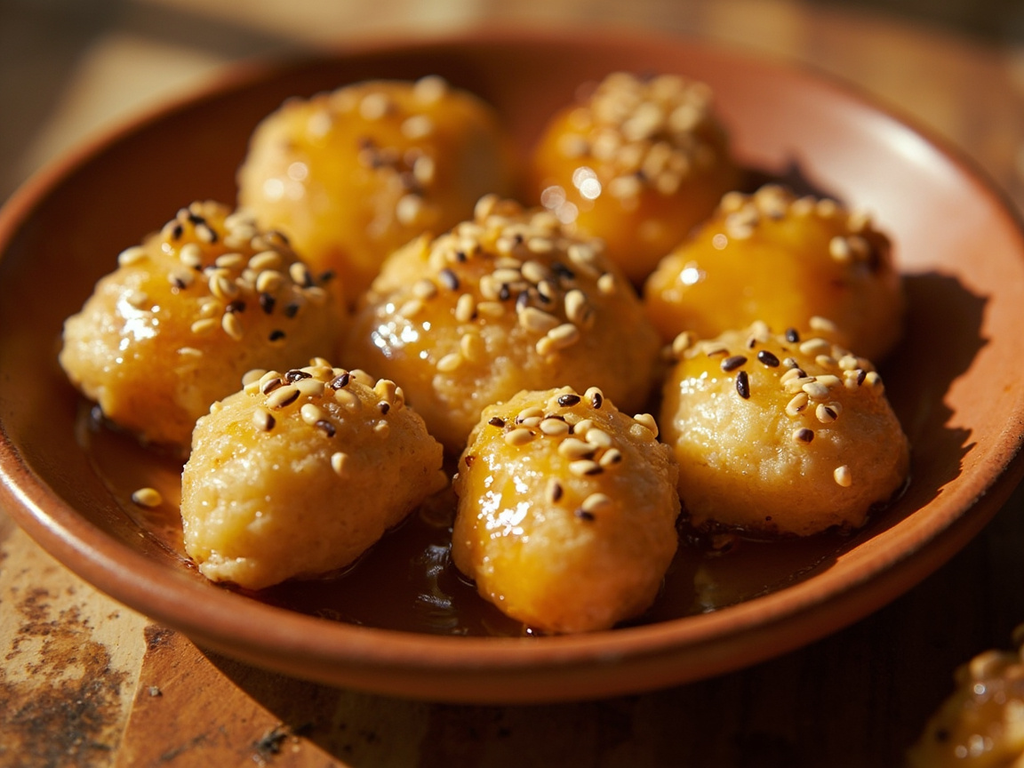
Small soft cake made with flour, bound with honey and rolled in toasted sesame, flavored with olive oil. Sweet, sticky, golden: the dish offered to deities and then shared among guests at festivals.
Bow, for this cake is not for hungry bellies but for altars. From my union with the lord of heaven was born Athena, helmeted and wise, sprung from his split skull — and it is my prudence she carries within her. So roll the dough in golden sesame, coat it with the honey your bees steal from Hymettus, and let its fragrant smoke rise to us. By offering it to me, you do not buy my favor: you acknowledge that all wisdom, even yours, descends from a swallowed mother never forgotten.
- •Wheat flour — two handfuls (base of the festive cake)
- •Honey — generously (binder and sacred sweetness)
- •Toasted sesame seeds — a good handful (coating and crunch)
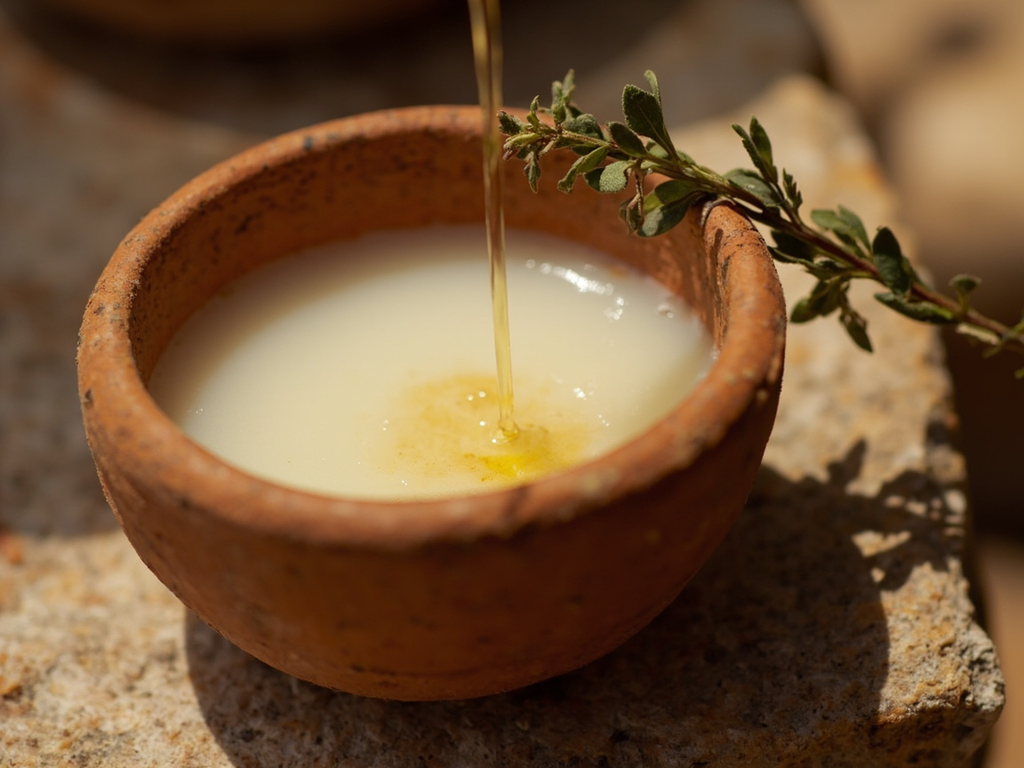
- •Olive oil — a drizzle (moistness)
- •Fresh goat cheese (optional) — a little (rich version, tradition of plakountes)
Melitoutta, honey and sesame cake
Small soft cake made with flour, bound with honey and rolled in toasted sesame, flavored with olive oil. Sweet, sticky, golden: the dish offered to deities and then shared among guests at festivals.
Why this dish? Metis, first wife of Zeus and mother of Athena, deserves the offering of the gods. The Greeks placed on altars honey and flour cakes (pelanoi, melitoutta) meant for smoke and divine sharing. Offering this cake to Metis honors the wisdom she passed on to her helmeted daughter, born fully armed from Zeus's head.
Bow, for this cake is not for hungry bellies but for altars. From my union with the lord of heaven was born Athena, helmeted and wise, sprung from his split skull — and it is my prudence she carries within her. So roll the dough in golden sesame, coat it with the honey your bees steal from Hymettus, and let its fragrant smoke rise to us. By offering it to me, you do not buy my favor: you acknowledge that all wisdom, even yours, descends from a swallowed mother never forgotten.
Ingredients (period version)
- Wheat flour — two handfuls (base of the festive cake)
- Honey — generously (binder and sacred sweetness)
- Toasted sesame seeds — a good handful (coating and crunch)
- Olive oil — a drizzle (moistness)
- Fresh goat cheese (optional) — a little (rich version, tradition of plakountes)
Ingredients
- Wheat flour — 200 g (base)
- Honey (ideally thyme honey) — 150 g + a little for glazing (sweetness and binder)
- Sesame seeds — 80 g (coating)
- Olive oil — 4 tbsp (moistness)
- Water — about 60 ml (hydration)
- Pinch of salt — 1 (balance)
Method
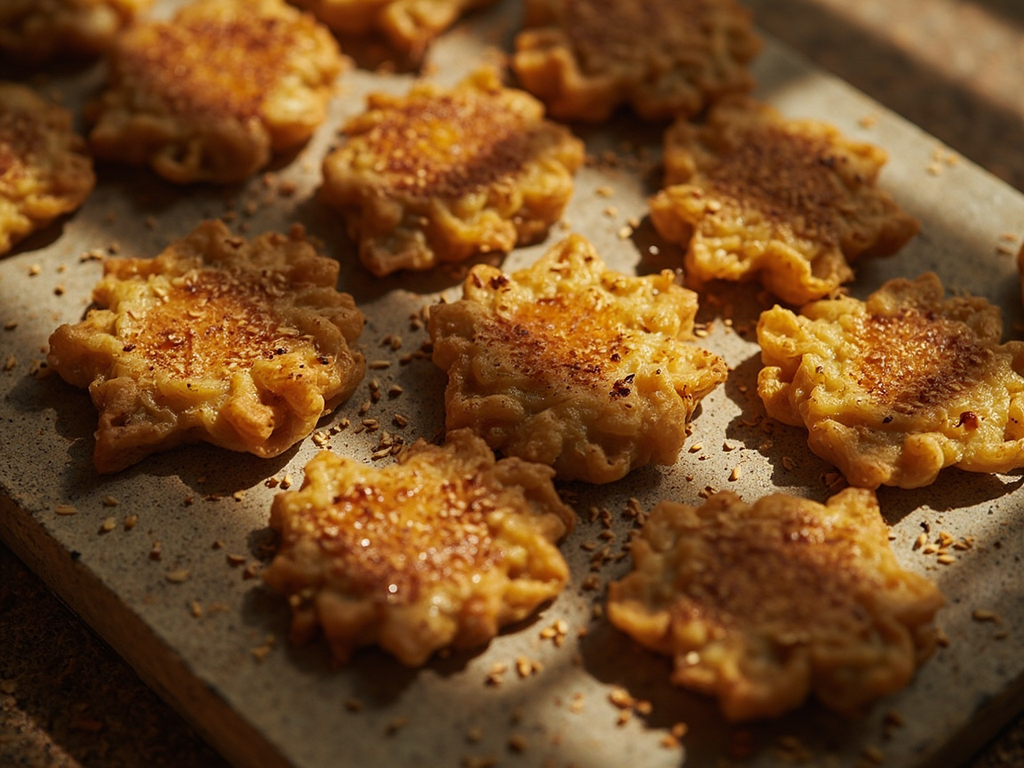
- Toast the sesame seeds in a dry pan for a few minutes until golden and fragrant, set aside.
- Mix flour, salt, oil, and half the honey, then gradually add water to form a soft dough.
- Shape into small flat cakes or flattened balls.
- Bake at 180°C for 15-18 minutes until nicely golden.
- Upon removal, glaze with the remaining warmed honey and immediately roll in the toasted sesame.
- Let cool slightly: the honey sets and makes the sesame stick in a fragrant crust.
How it was made : The Greeks offered cakes called pelanos, popana, or melitoutta to the gods, made from flour, honey, and sometimes oil or cheese. Honey, considered close to ambrosia, was the sacred ingredient par excellence. The great festive cake, plakous, distant ancestor of baklava, layered dough, honey, cheese, and seeds. Sugar being unknown, honey was the only source of sweetness.
The contemporary twist : Arrange them in a pyramid drizzled with warm flowing honey, 'Olympian offering' style for a school snack — each person symbolically deposits one 'for the gods' before eating theirs.
Sources : Athenaeus of Naucratis, The Deipnosophists, Book XIV (catalogue of Greek cakes) · Andrew Dalby & Sally Grainger, The Classical Cookbook (1996)
Metis · Charactorium