 Flip the card
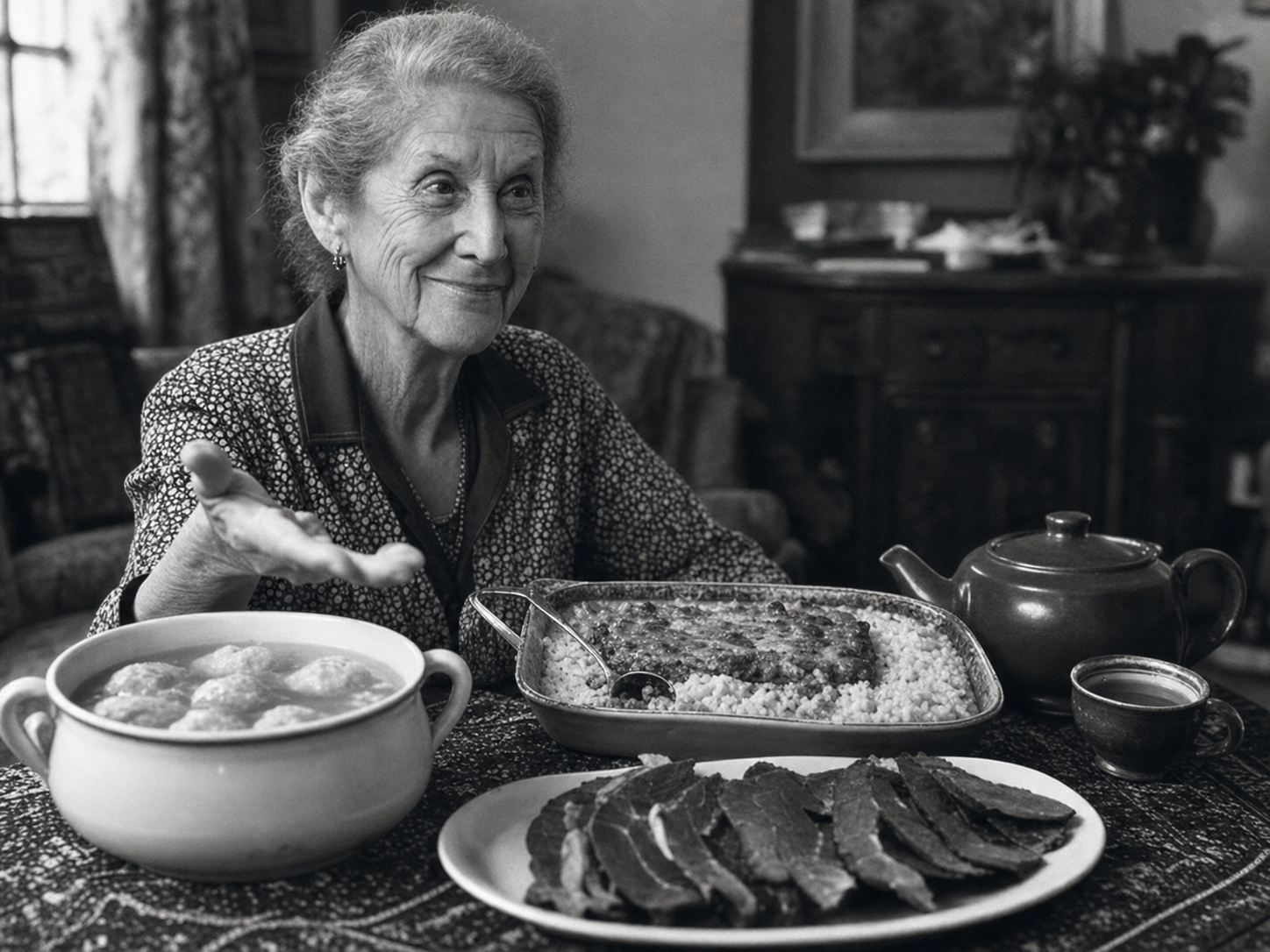
Nadine Gordimer at the table
1923 — 2014
On the menu
The Cosmopolitan Table of Johannesburg
In the Gordimer household, as in many affluent white homes in the Transvaal during the 20th century, the table layered three culinary heritages: the Ashkenazi comfort food of Jewish grandparents from Eastern Europe, the spicy Cape Malay repertoire that became a South African national dish, and Afrikaner traditions of dried meat and braai. Meals were not served as 'starter-main-dessert': instead, a large one-pot stew was shared with yellow rice, snacks were nibbled between chapters, and red tea accompanied conversation late into the night. Food was a social fact—who ate what, and with whom, told everything about a divided country.
Signature : Cape Spice Blend (turmeric, coriander, ginger)
The aromatic backbone of domestic South African cooking: a legacy of Cape Malay cooks deported by the Dutch from Southeast Asia. Roasted coriander seed and golden turmeric define both sweet-savory bobotie and Afrikaner dried meat.
click to flip back
Nadine Gordimer at the table
1923 — 2014
5 period recipes
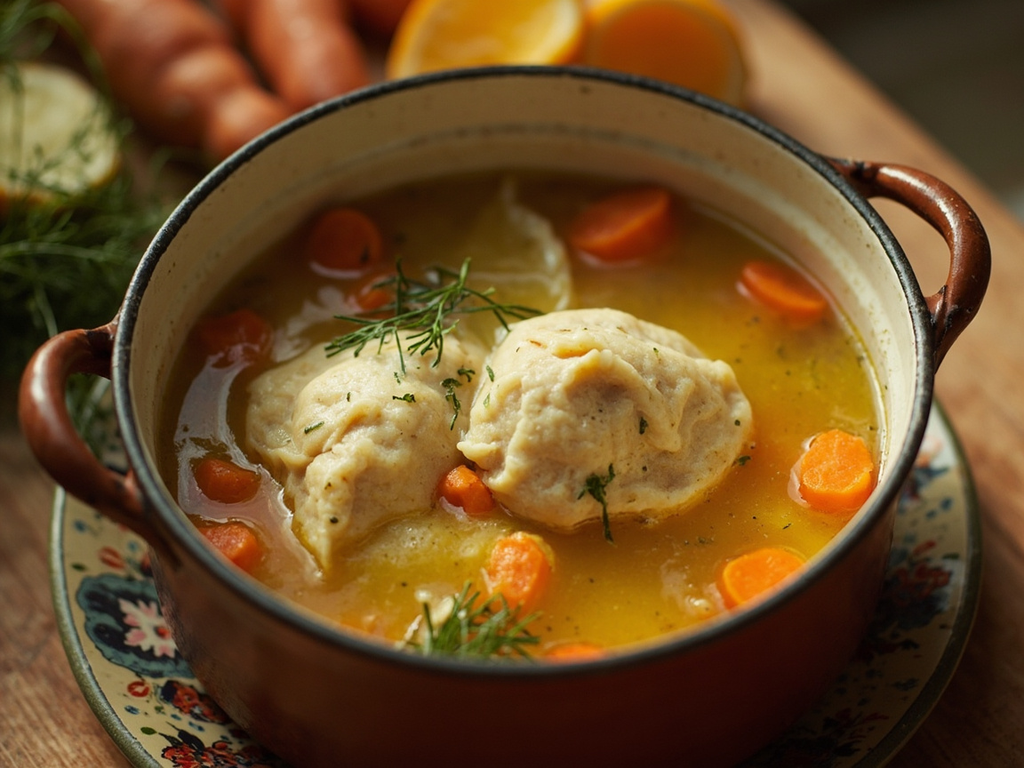 Festive
Chicken Soup with Matzo Balls (Kneidlach)
Friday night dish — Ashkenazi heritage
🧂 🍄· 3 h 30 (including simmering)
View the recipe
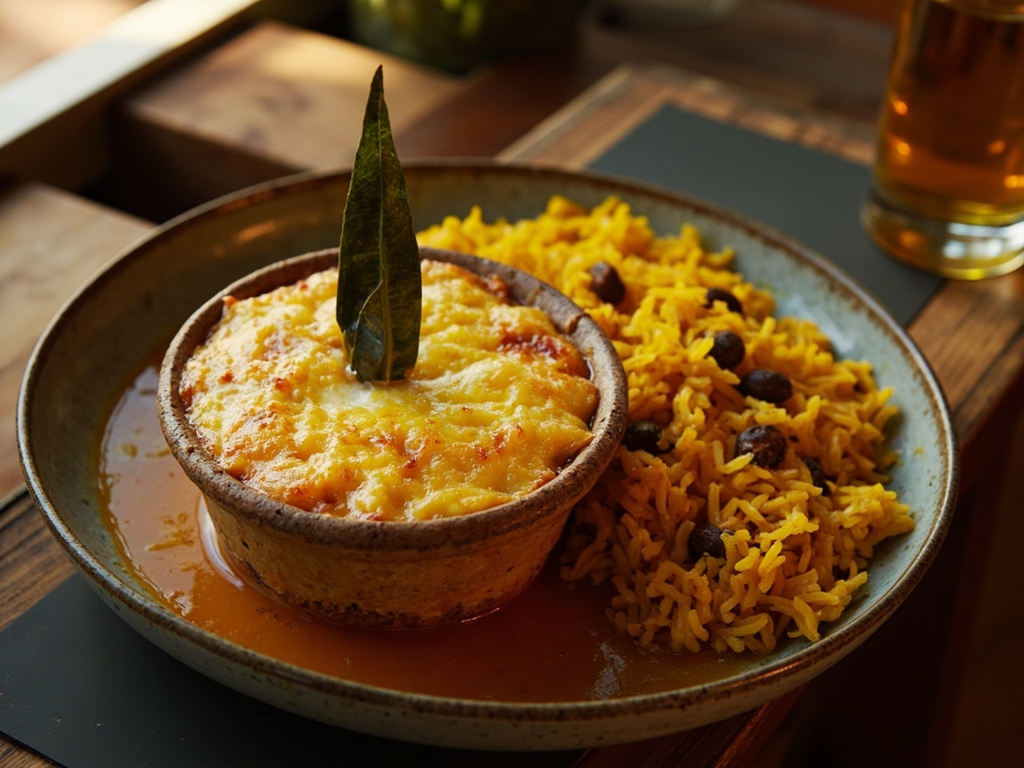 Everyday
Bobotie with Yellow Rice (Geelrys)
Family one-pot dish — Cape Malay repertoire
🌶️ 🍯 🧂· 1 h 15
View the recipe
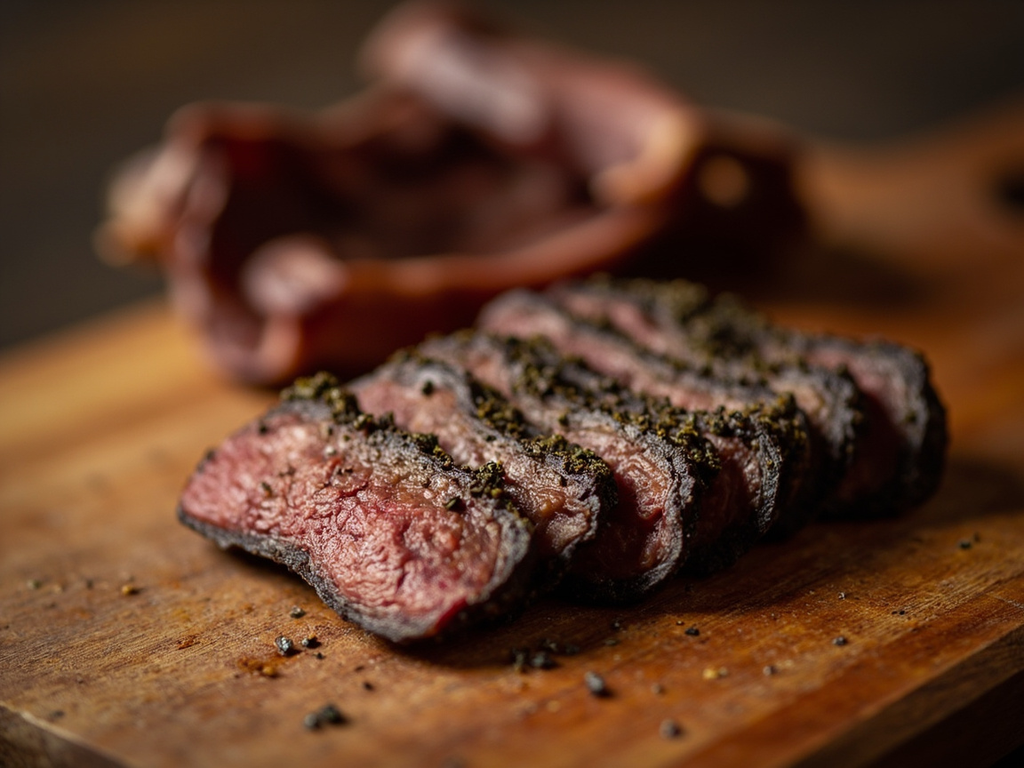 Preserving
Beef Biltong with Coriander
Pantry snack — Afrikaner tradition
🧂 🍄 🍋· 20 min + 3 to 5 days drying
View the recipe
 Drink
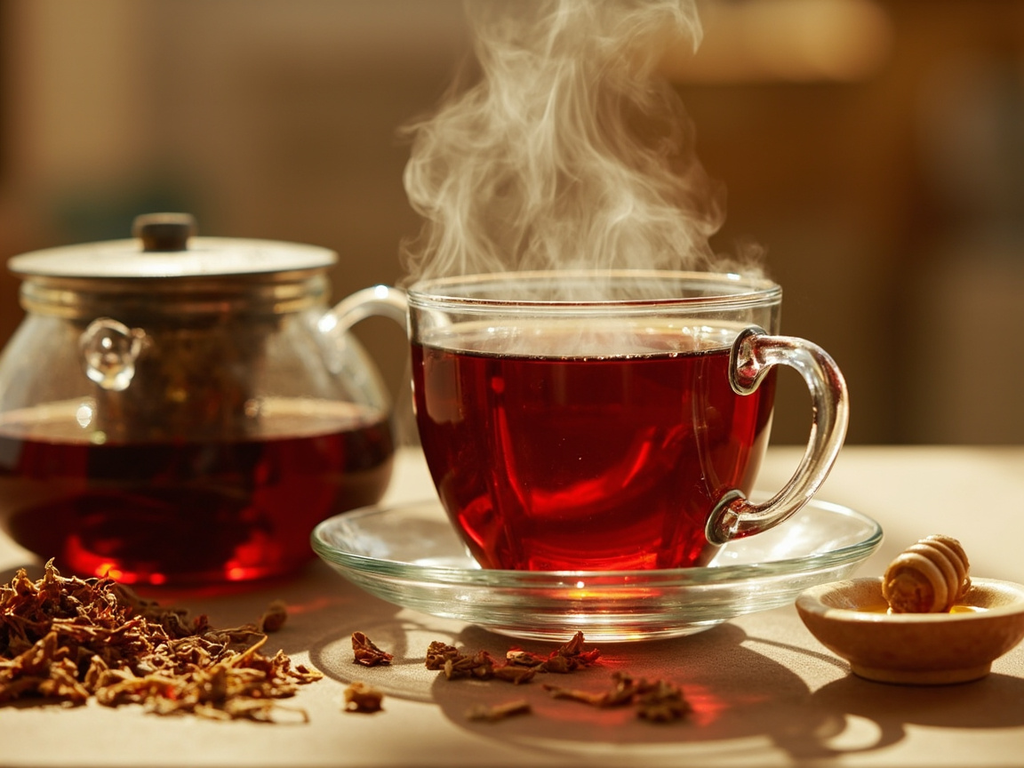
DrinkRooibos Red Tea
Conversation drink — Cape infusion
🍯· 10 min
View the recipe
 Street food
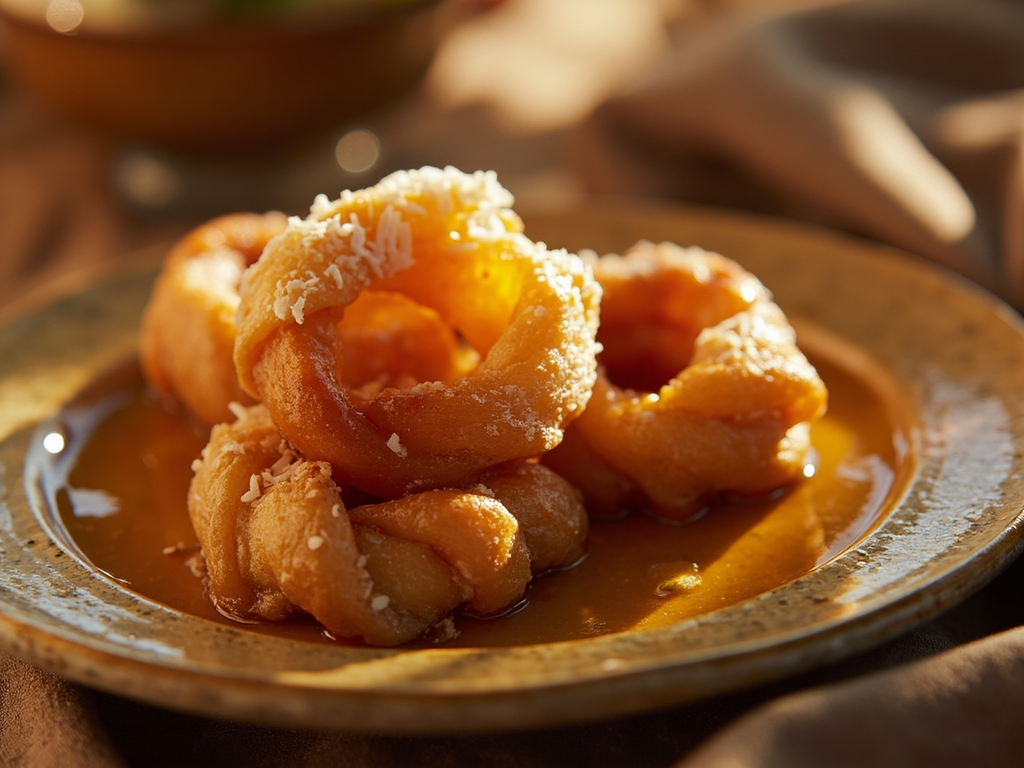
Braided Syrup Koeksisters
Market and bazaar treat — Cape Malay/Afrikaner sweet
🍯 🌶️· 1 h + syrup cooling
View the recipe