 flip
flipBobotie with Yellow Rice (Geelrys)
Bobotie with Yellow Rice (Geelrys)
Why this dish? Bobotie is THE quintessential domestic South African dish, the one that simmered in white Transvaal kitchens for weekday dinner. Gordimer regularly hosted dinner parties; this sweet-savory dish, which can be made ahead, is the archetype of the family meal in her milieu.
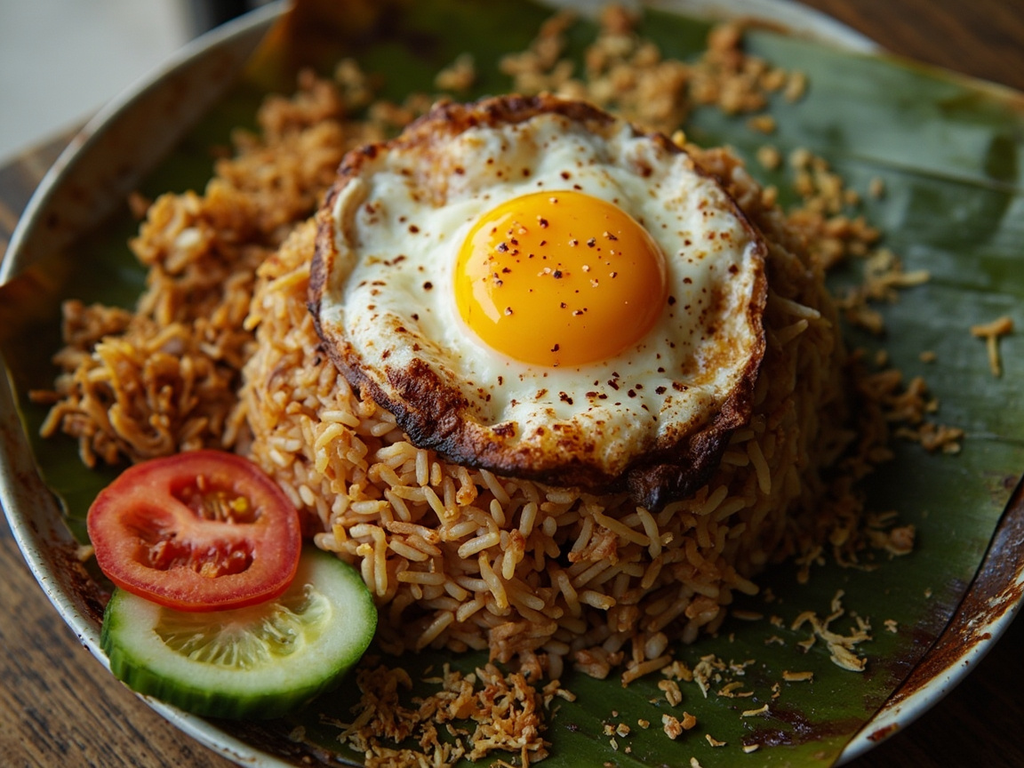
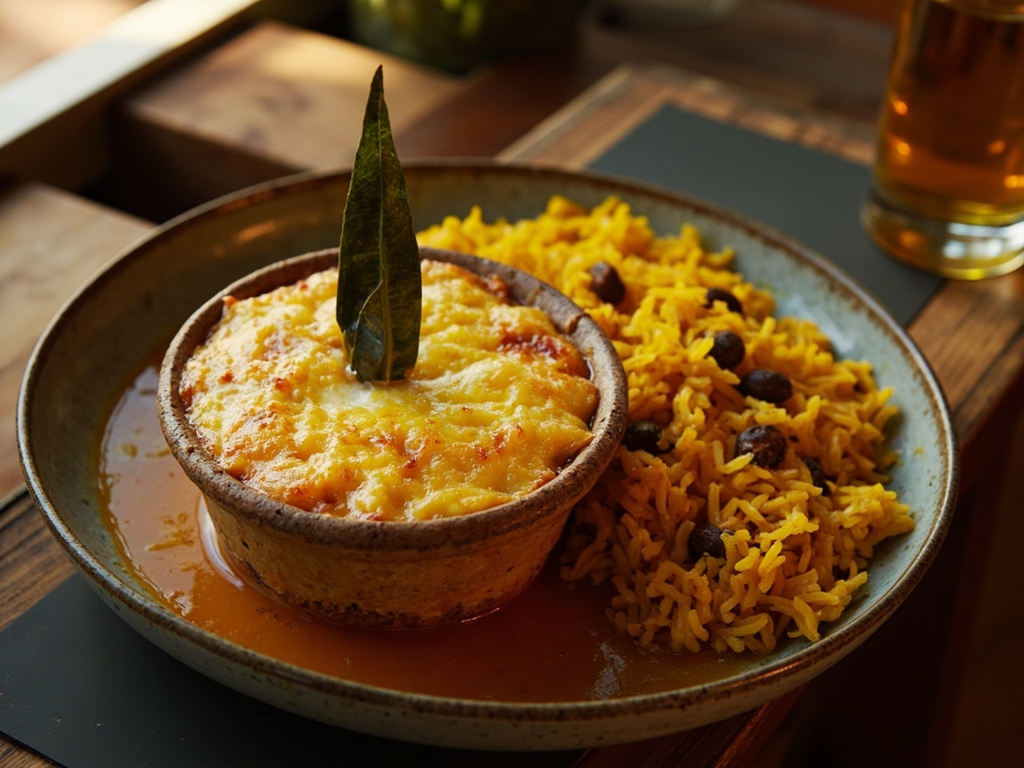
A spiced minced meat hash with Cape curry, softened with dried apricots and almonds, topped with a golden egg-and-milk custard studded with bay leaves. Served with turmeric-yellow rice dotted with raisins. Sweet and savory answer each other like two voices.
This dish, you understand, is not 'Afrikaner' nor 'English': it comes to us from the Malay cooks the Dutch deported to the Cape, and no one in this country presumes to claim it without lying a little about history. At home, we prepared it in the morning for the evening—the hash is only better for having waited. The trick is the bread soaked in milk that you mix into the meat: it keeps everything tender, never dry. And you don't forget, on the custard, the bay leaves planted like little sails; my cook said they kept evil spirits at bay, but I believe mostly they perfumed the crust.
- •Minced meat (lamb or beef) — a large bowl (base)
- •Stale bread soaked in milk — two slices (binder and tenderness)
- •Cape curry powder and turmeric — generously (signature spice)
- •Dried apricots and raisins — a handful (sweet note)
- •Slivered almonds — a handful (crunch)
- •Eggs and milk — for the custard (golden topping)
- •Bay leaves — a few (fragrance)
Bobotie with Yellow Rice (Geelrys)
A spiced minced meat hash with Cape curry, softened with dried apricots and almonds, topped with a golden egg-and-milk custard studded with bay leaves. Served with turmeric-yellow rice dotted with raisins. Sweet and savory answer each other like two voices.
Why this dish? Bobotie is THE quintessential domestic South African dish, the one that simmered in white Transvaal kitchens for weekday dinner. Gordimer regularly hosted dinner parties; this sweet-savory dish, which can be made ahead, is the archetype of the family meal in her milieu.
This dish, you understand, is not 'Afrikaner' nor 'English': it comes to us from the Malay cooks the Dutch deported to the Cape, and no one in this country presumes to claim it without lying a little about history. At home, we prepared it in the morning for the evening—the hash is only better for having waited. The trick is the bread soaked in milk that you mix into the meat: it keeps everything tender, never dry. And you don't forget, on the custard, the bay leaves planted like little sails; my cook said they kept evil spirits at bay, but I believe mostly they perfumed the crust.
Ingredients (period version)
- Minced meat (lamb or beef) — a large bowl (base)
- Stale bread soaked in milk — two slices (binder and tenderness)
- Cape curry powder and turmeric — generously (signature spice)
- Dried apricots and raisins — a handful (sweet note)
- Slivered almonds — a handful (crunch)
- Eggs and milk — for the custard (golden topping)
- Bay leaves — a few (fragrance)
Ingredients
- Minced beef or lamb — 750 g (base)
- Onions — 2 (aromatic foundation)
- Stale white bread — 2 slices (binder)
- Milk — 300 ml (including 150 for custard) (tenderness and topping)
- Mild curry powder + turmeric — 2 tbsp + 1 tsp (signature spice)
- Chopped dried apricots — 8 (sweet note)
- Apricot jam — 1 tbsp (sweet roundness)
- Slivered almonds — 40 g (crunch)
- Eggs — 2 (custard topping)
- Bay leaves — 4 (fragrant decoration)
- Wine vinegar — 1 tbsp (balancing acidity)
Method
- Fry onions until golden, add curry and turmeric and let sizzle 1 minute.
- Add the meat, brown, then mix in the squeezed bread, apricots, almonds, jam, and vinegar; season with salt.
- Spread in a baking dish, press down, and stick the bay leaves upright into the mixture.
- Beat eggs and milk, pour over the meat to form the custard layer.
- Bake at 180°C for about 35 minutes, until the top is golden and set.
- Meanwhile, cook rice with a pinch of turmeric and a handful of raisins; serve the bobotie on top.
How it was made : Bobotie descends from the Cape Malay kitchens of the 17th century, born from the slavery and deportation of Southeast Asian populations by the Dutch East India Company. The use of sweet-savory (dried fruit in meat) and curry betrays this Indo-Malay heritage, absorbed into the domestic cooking of the entire country.
The contemporary twist : Serve in individual cocottes, with the custard well risen and bay leaves standing tall: a 'bistro' version of an everyday dish.
Sources : C. Louis Leipoldt, Leipoldt's Cape Cookery, 1976 · Renata Coetzee, The South African Culinary Tradition, 1977
Nadine Gordimer · Charactorium