 Flip the card
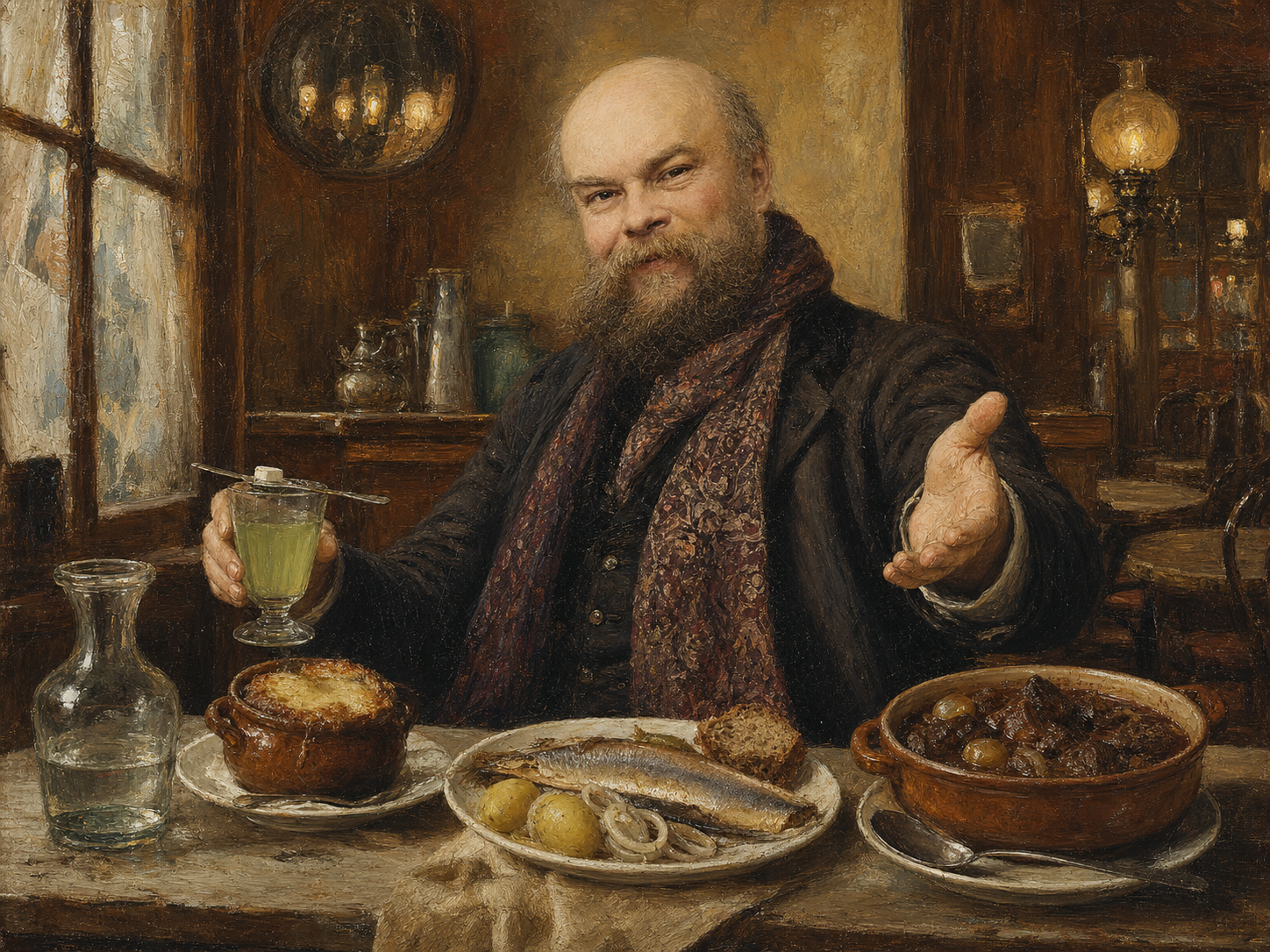
Paul Verlaine at the table
1844 — 1896
On the menu
The Bohemian Table (at the Wine Merchant's Counter)
In the literary Paris of the Second Empire and the Third Republic, the penniless poet does not dine in three bourgeois courses. His day revolves around the café and the wine merchant: the green hour of late afternoon (the absinthe aperitif), the snack eaten standing at the zinc counter, the hot soup taken at the counter for a few pennies, and, on lucky evenings or during exile in Belgium, a proper brasserie meal. They eat little, drink much, and talk of verse and music.
Signature : Absinthe, the "Green Fairy"
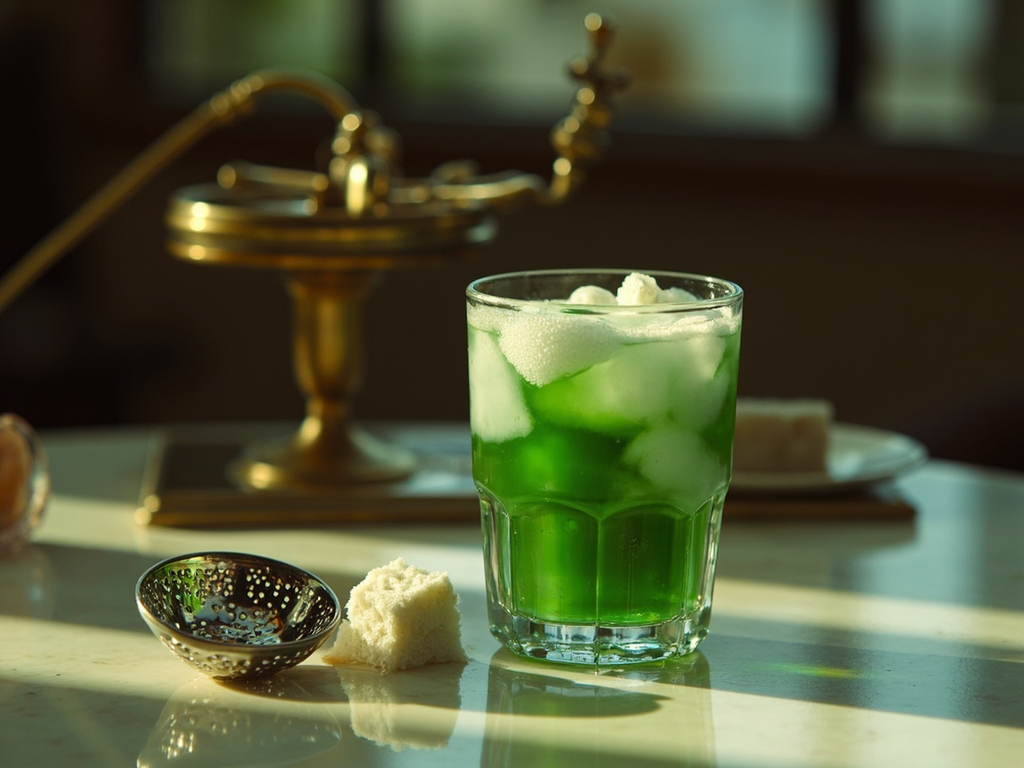
Absinthe, a maceration of wormwood, anise, and fennel served over melted sugar dripped drop by drop from a fountain, is the emblematic ingredient of all Symbolist bohemia. For Verlaine it was both muse and poison: its aniseed bitterness runs through his Latin Quarter cafés and marks his collections as much as his physical ravages.
click to flip back
Paul Verlaine at the table
1844 — 1896
5 period recipes
 Drink
DrinkL'absinthe de l'heure verte
The evening aperitif (the "green hour", around five at the café)
☕· 5 min
View the recipe
 Everyday
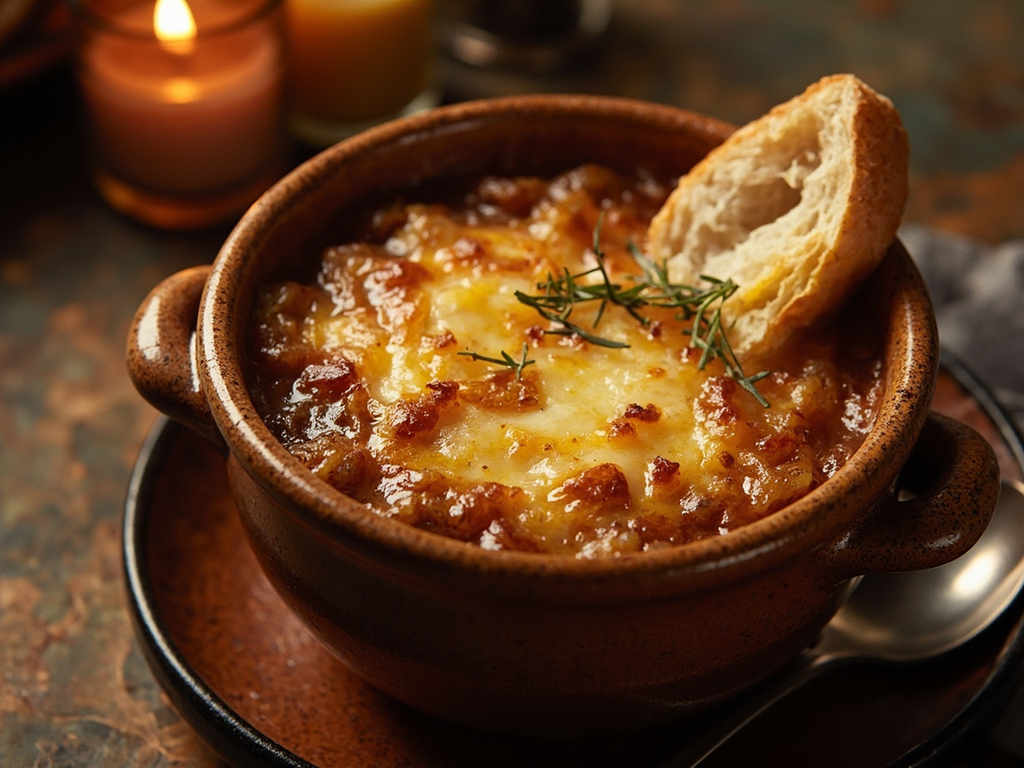
La soupe à l'oignon du comptoir
The soup-staple eaten standing at the wine merchant's zinc counter
🍄 🧂· 1 h
View the recipe
 Preserving
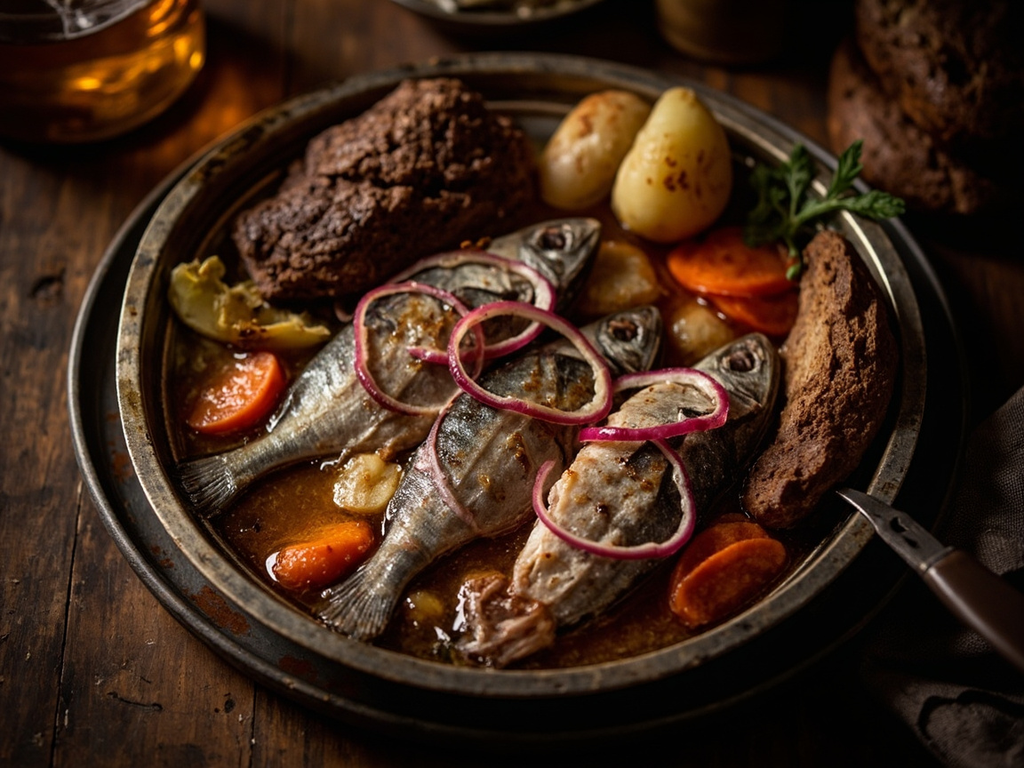
Le hareng saur du poète fauché
The keeper's snack — smoked and salted fish that keeps without ice
🧂 🫙 🍄· 30 min (+ marinade 24 h)
View the recipe
 Festive
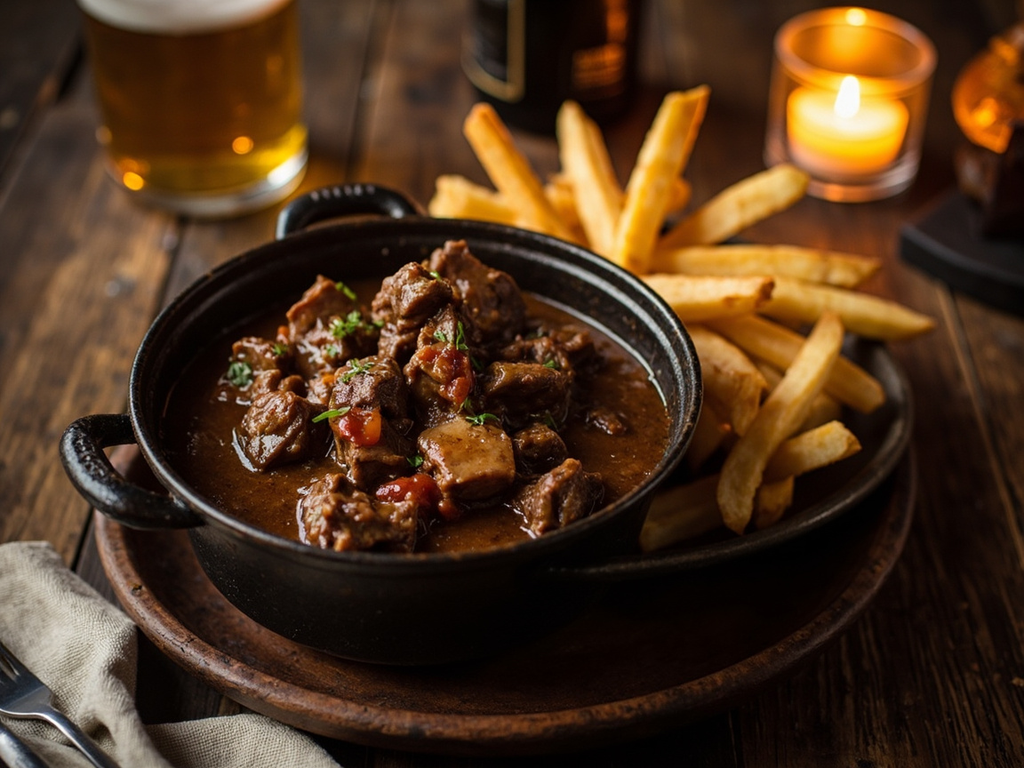
La carbonade flamande de la rue des Brasseurs
The brasserie dish for prosperous days (in Belgian exile)
🧂 ☕ 🍄· 3 h
View the recipe
 Remedy
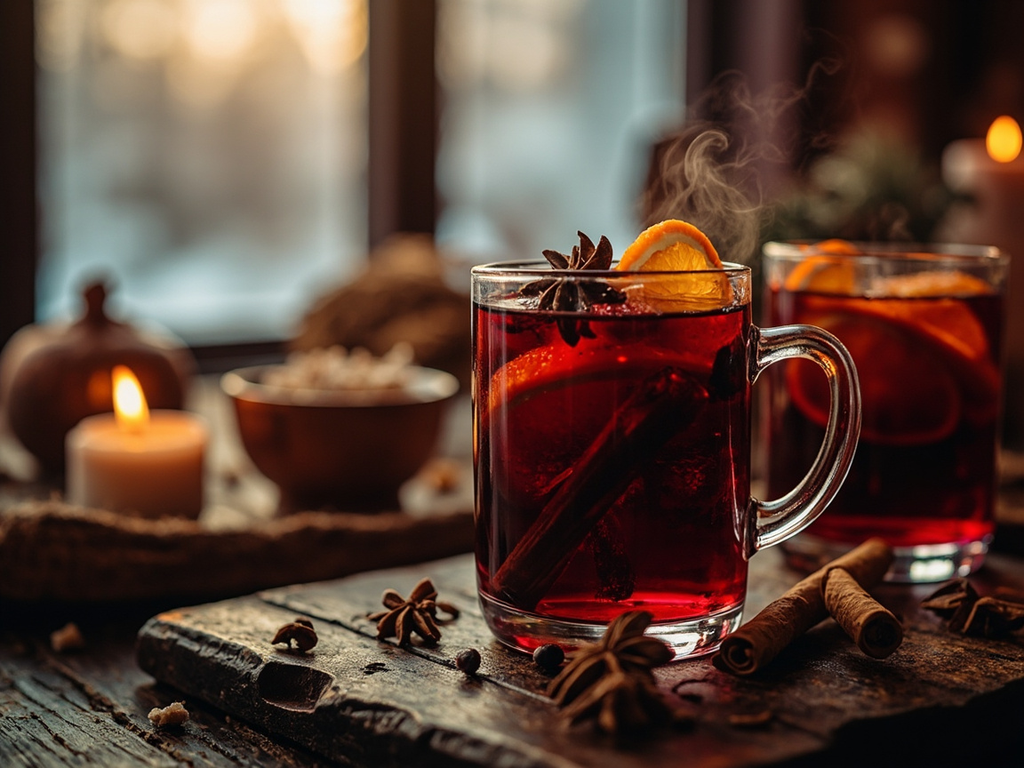
Le vin chaud à la cannelle des nuits froides
The evening remedy — hot spiced drink against cold and fatigue
🍯 🌶️· 25 min
View the recipe