 Flip the card
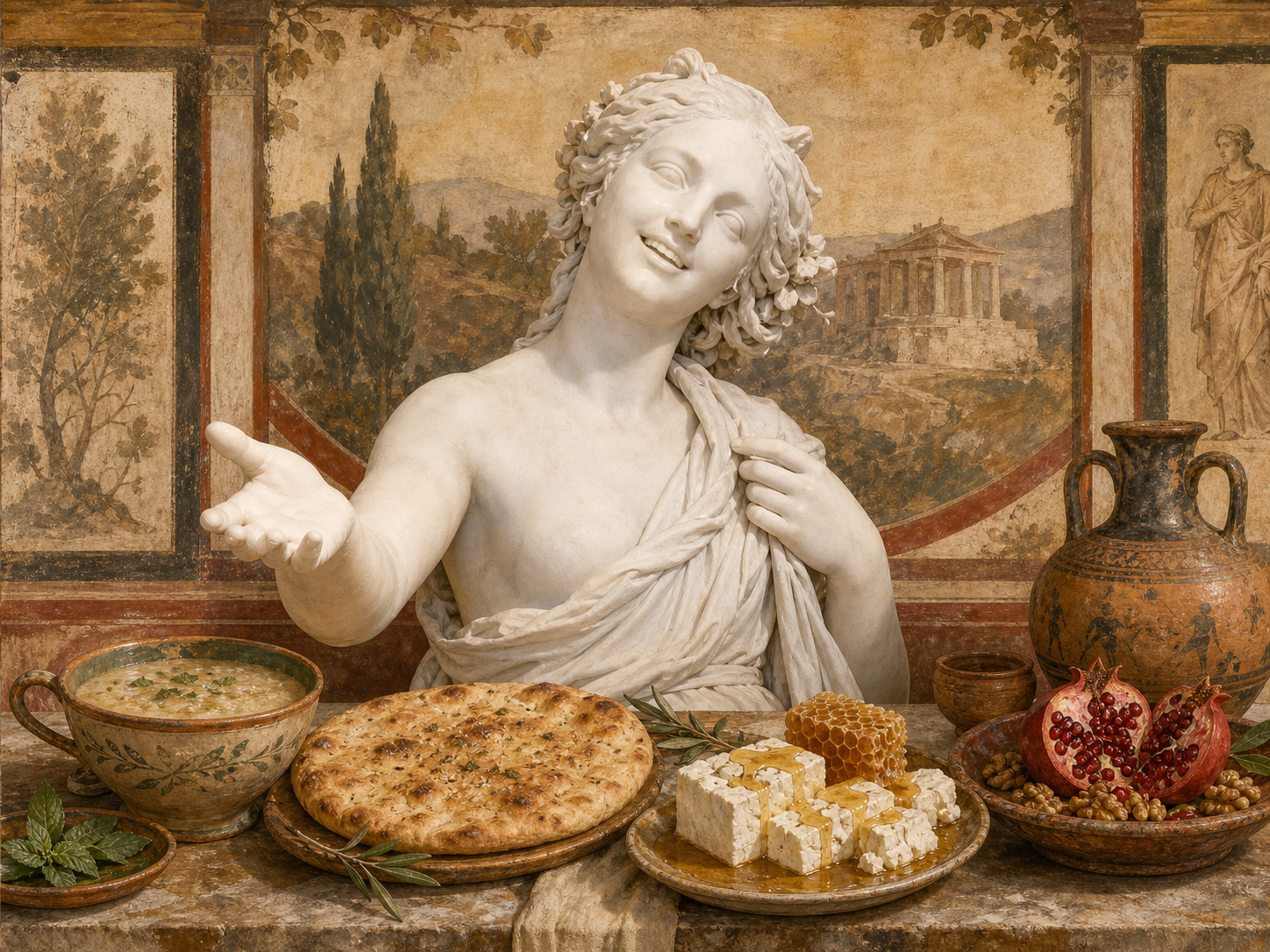
Persephone at the table
On the menu
Sîtos & ópson, then tragémata
The ancient Greek meal revolves around sîtos, the staple grain food (barley cake, bread), accompanied by ópson, what is eaten "with" it (vegetables, cheese, fish, olives). The banquet closes with the "second table," the tragémata: honey sweets, dried fruits, pomegranates, and nuts, served while drinking. For a grain goddess like Persephone, it is the entire cycle of the earth—seed, harvest, sweetness—that unfolds on the plate, from the humblest to the most festive.
Signature : Sacred barley (krithê) and Greek honey
Barley is the grain of Demeter and her daughter: roasted then ground into alphita, it forms both daily bread and the ritual drink of Eleusis. Honey—from Hymettus or thyme—is the only true sweetener of the ancient world, present from the humblest snack to the table of the gods. These two ingredients weave the thread that links each recipe to the goddess of harvests and seasons.
click to flip back
Persephone at the table
5 period recipes
 Drink
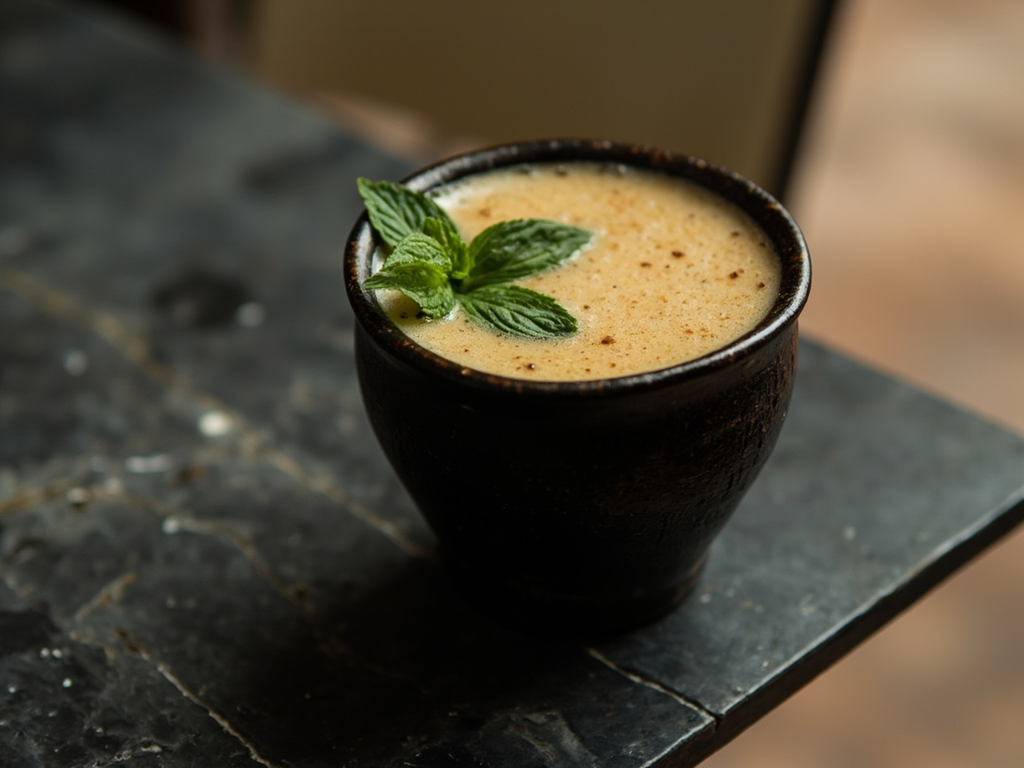
DrinkBarley kykéon with mint
Ritual beverage of the Mysteries (Eleusinian offering)
☕ 🫙· 15 min
View the recipe
 Everyday
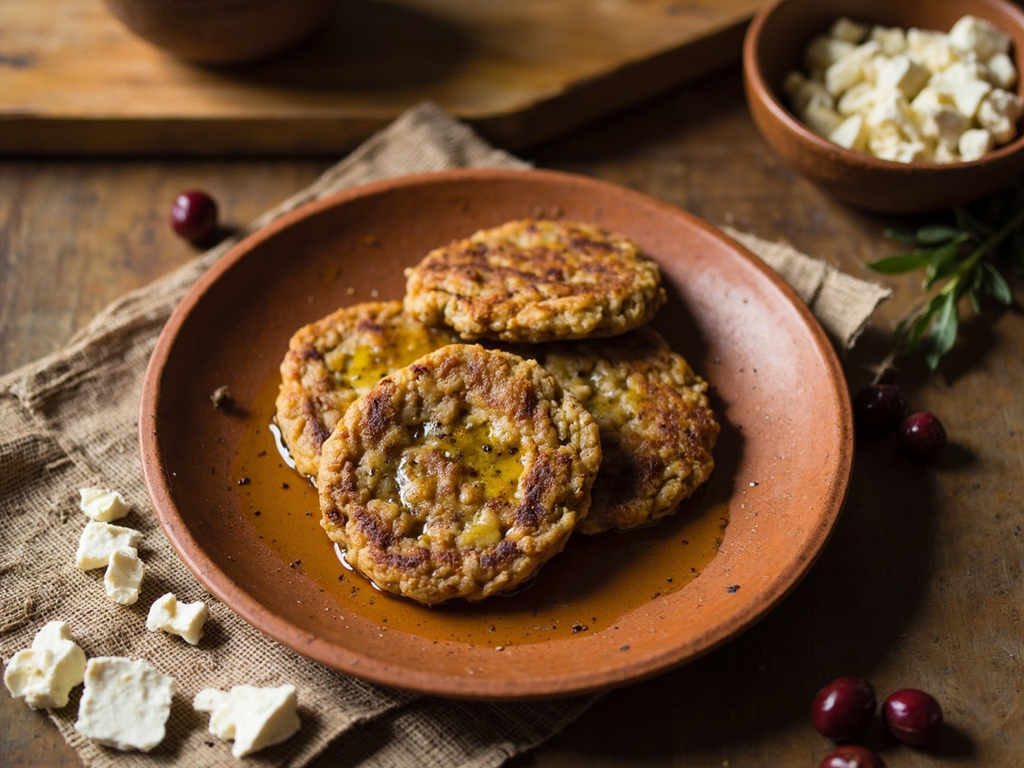
Maza, harvest barley cake
Sîtos (the staple food of the meal)
🧂 ☕· 30 min
View the recipe
 Festive
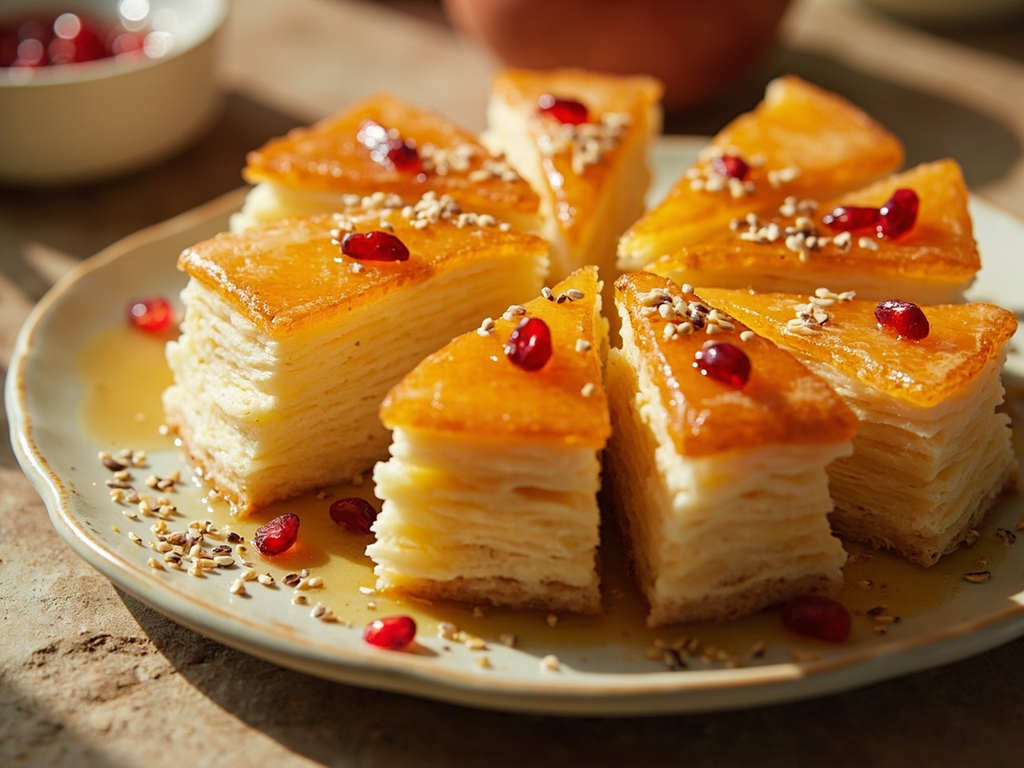
Plakous with honey and fresh cheese
Tragémata (the second table of sweets)
🍯· 50 min
View the recipe
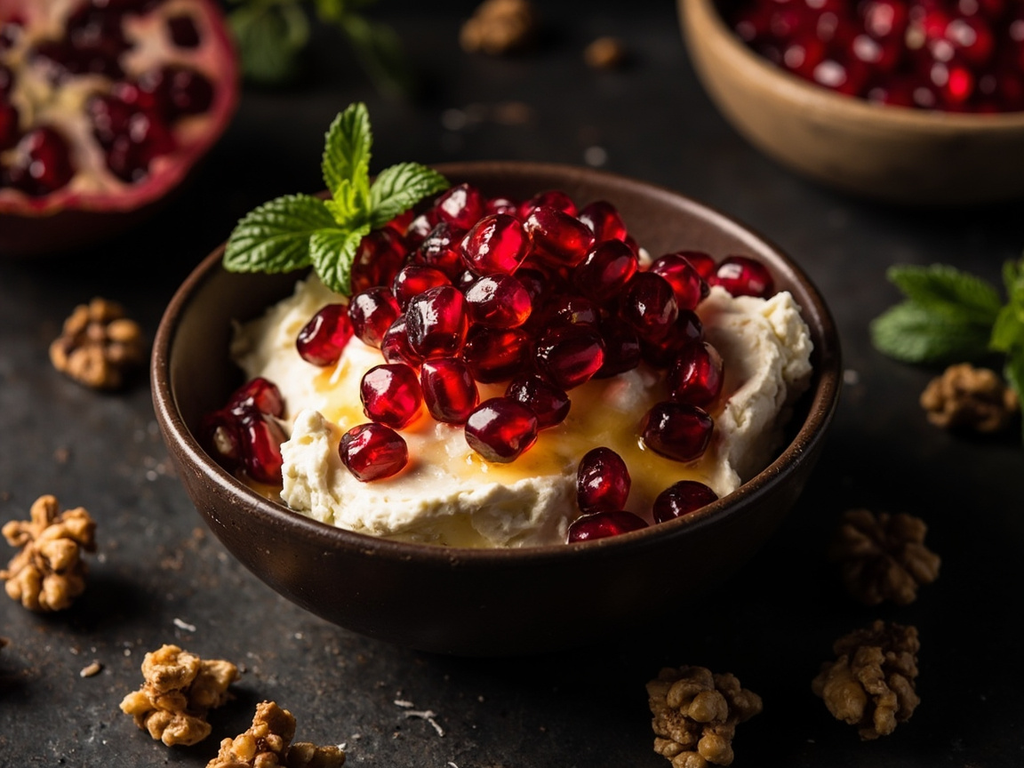 Offering
Underworld pomegranate with honey and walnuts
Symbolic offering / tragémata
🍋 🍯· 15 min
View the recipe
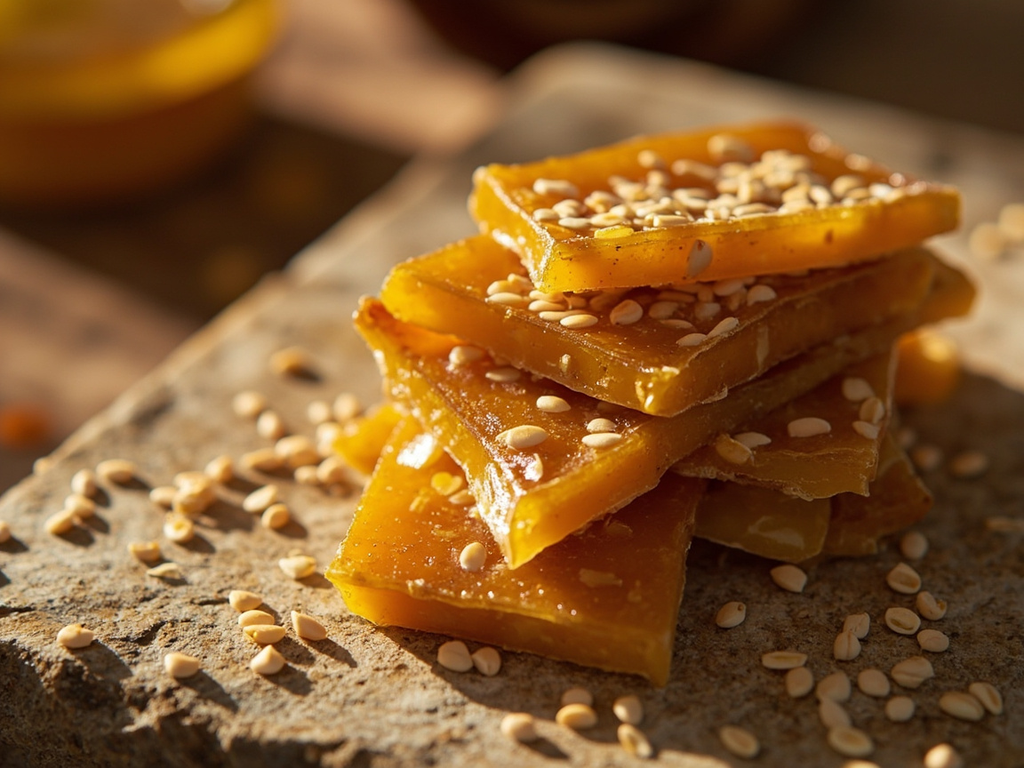 Travel
Pastéli, honey sesame bars
Travel ration (tragémata for the road)
🍯· 25 min
View the recipe