 Flip the card
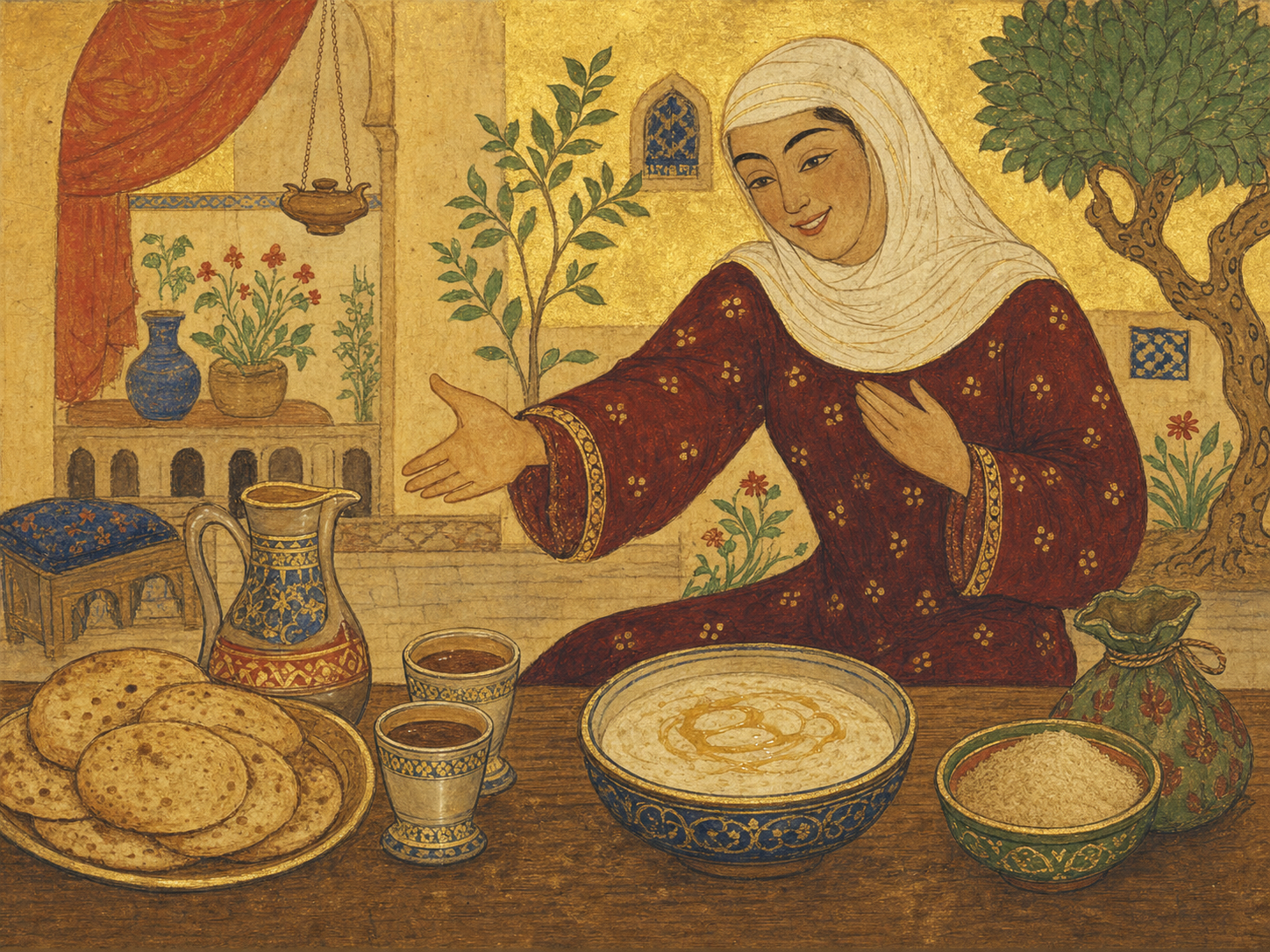
Rābiʿa al-ʿAdawiyya at the table
vers 717 — 801
On the menu
The Sufra of the Humble of Basra
In 8th-century Abbasid Iraq, meals were not served in successive courses: a sufra, a simple mat of leather or cloth, was spread on the ground, and people sat around it in a circle. Everything was placed at once — the bread that served as both plate and utensil, a porridge or broth shared with the fingertips of the right hand, dates, a jug of water. In the homes of wealthy emirs, the sufra groaned under fragrant meats; among ascetics and the poor of the suburbs, like Rābiʿa, it was reduced to barley bread, a few dates, and water. It is this stripped-down table, where the humblest food becomes an act of gratitude to God, that we recreate here.
Signature : Barley (shaʿīr) and Date (tamr)
Barley, the grain of the poor, and the date, the energy fruit of the Iraqi desert, form the foundation of this ascetic cuisine. Where the Abbasid court refined wheat, sugar, and spices from the East, Rābiʿa deliberately stuck to the two humblest foods of Basra — those that nourish without attaching the heart to worldly pleasures.
click to flip back
Rābiʿa al-ʿAdawiyya at the table
vers 717 — 801
5 period recipes
 Everyday
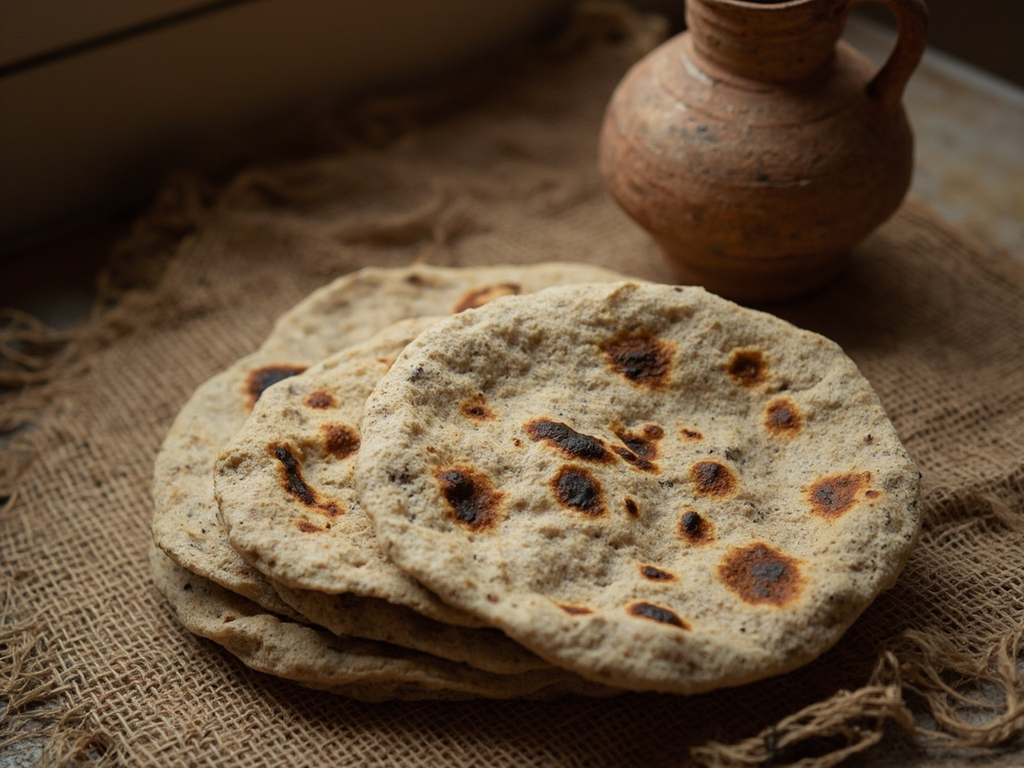
Khubz shaʿīr — Barley Bread of the Ascetics
Foundation bread of the sufra (al-khubz), base of every meal
☕ 🧂· 1 h 30 (dont 1 h de repos)
View the recipe
 Drink
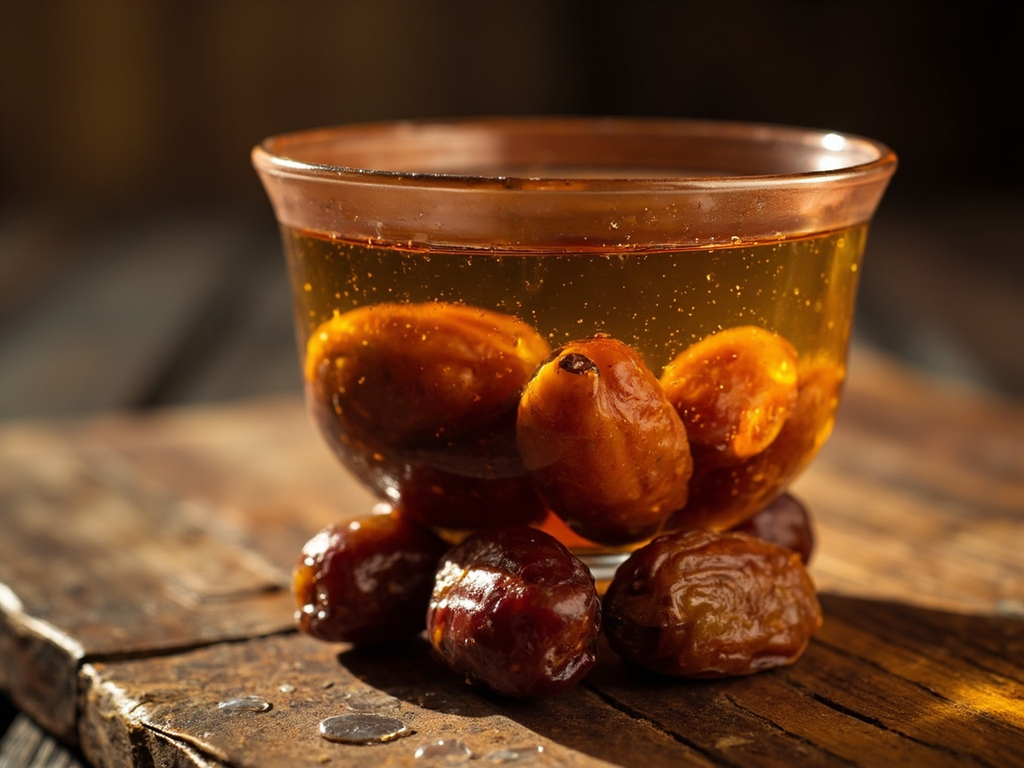
DrinkNabīdh al-tamr — Date Water
Sufra beverage (sharāb), drunk cold at the meal
🍯· 10 min + une nuit d'infusion
View the recipe
 Remedy
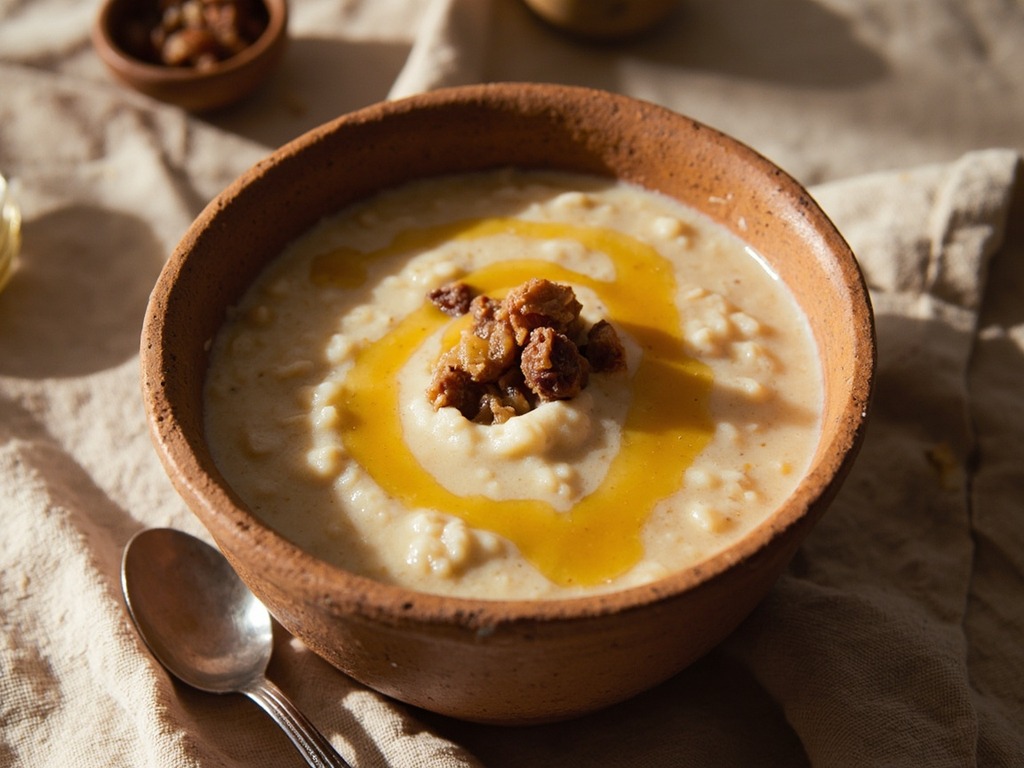
Talbīna — Barley Porridge with Milk and Honey
Comforting broth of the sufra (ʿaṣīda / ḥasāʾ), eaten hot with a spoon or bread
🍯 🍋· 25 min
View the recipe
 Travel
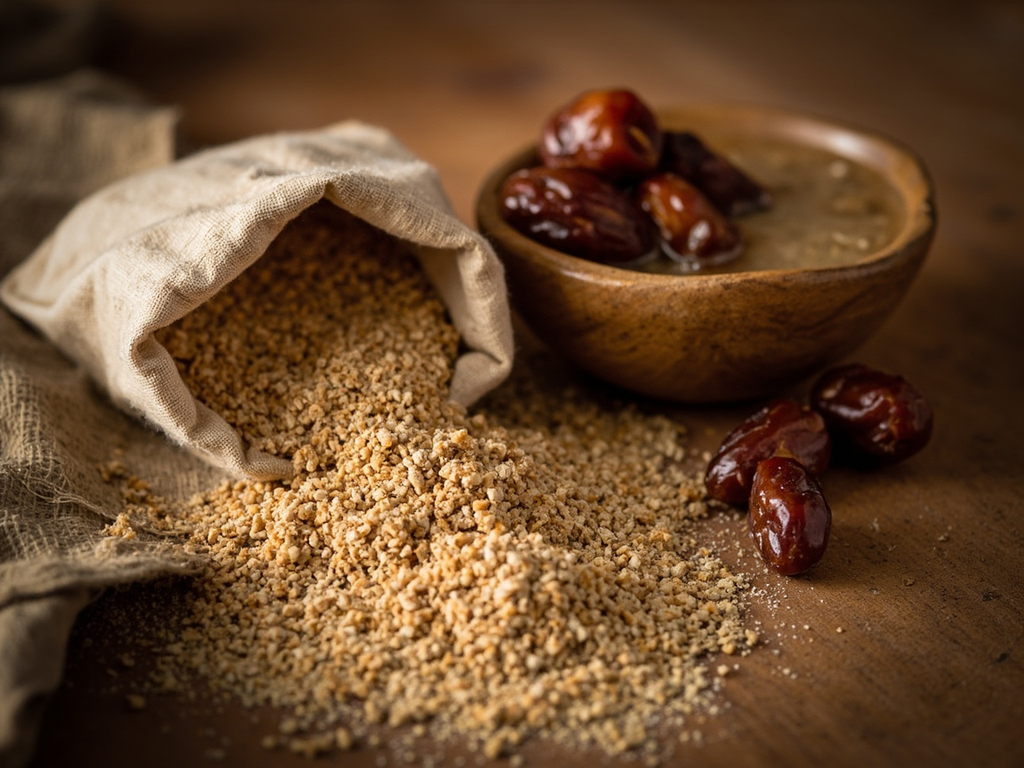
Sawīq al-shaʿīr — Toasted Barley Flour for Travelers
Travel provisions (zād al-musāfir), reconstituted with water in a waterskin or bowl
☕· 20 min (preparation), instant reconstitution
View the recipe
 Festive
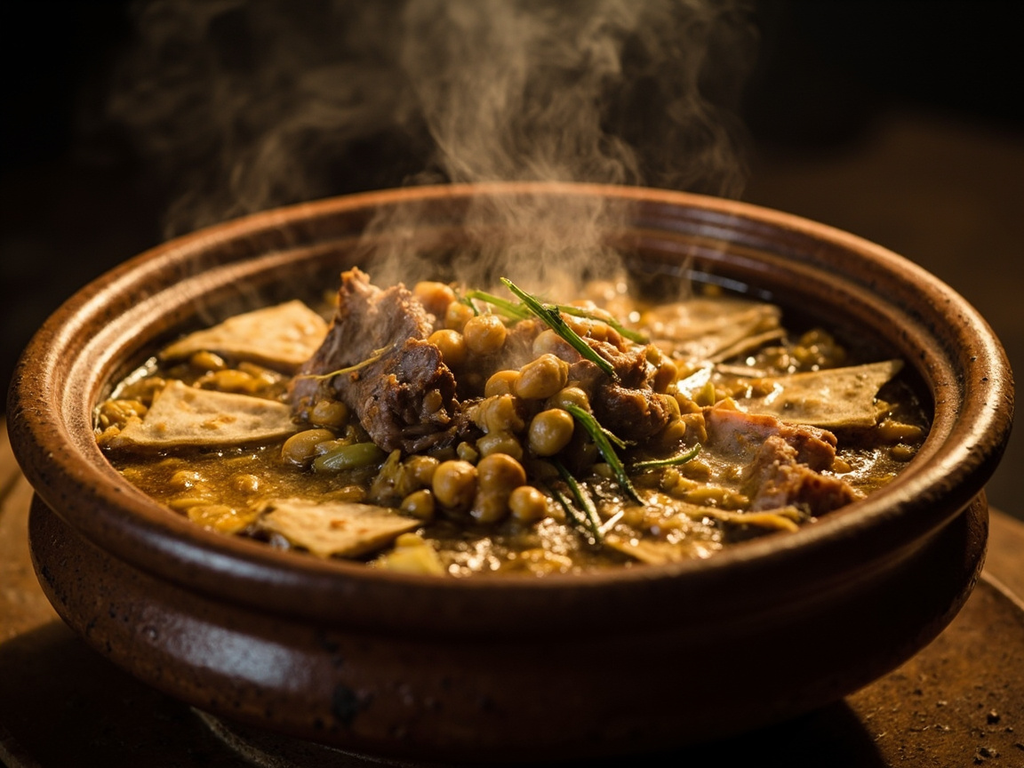
Barley Tharīd with Lamb and Leeks
Honorary broth of the sufra (tharīd), crumbled bread soaked in broth, eaten by several people
🧂 🍄· 2 h 30
View the recipe