 Flip the card
Solon at the table
629 av. J.-C. — 559 av. J.-C.
On the menu
Deipnon and symposion
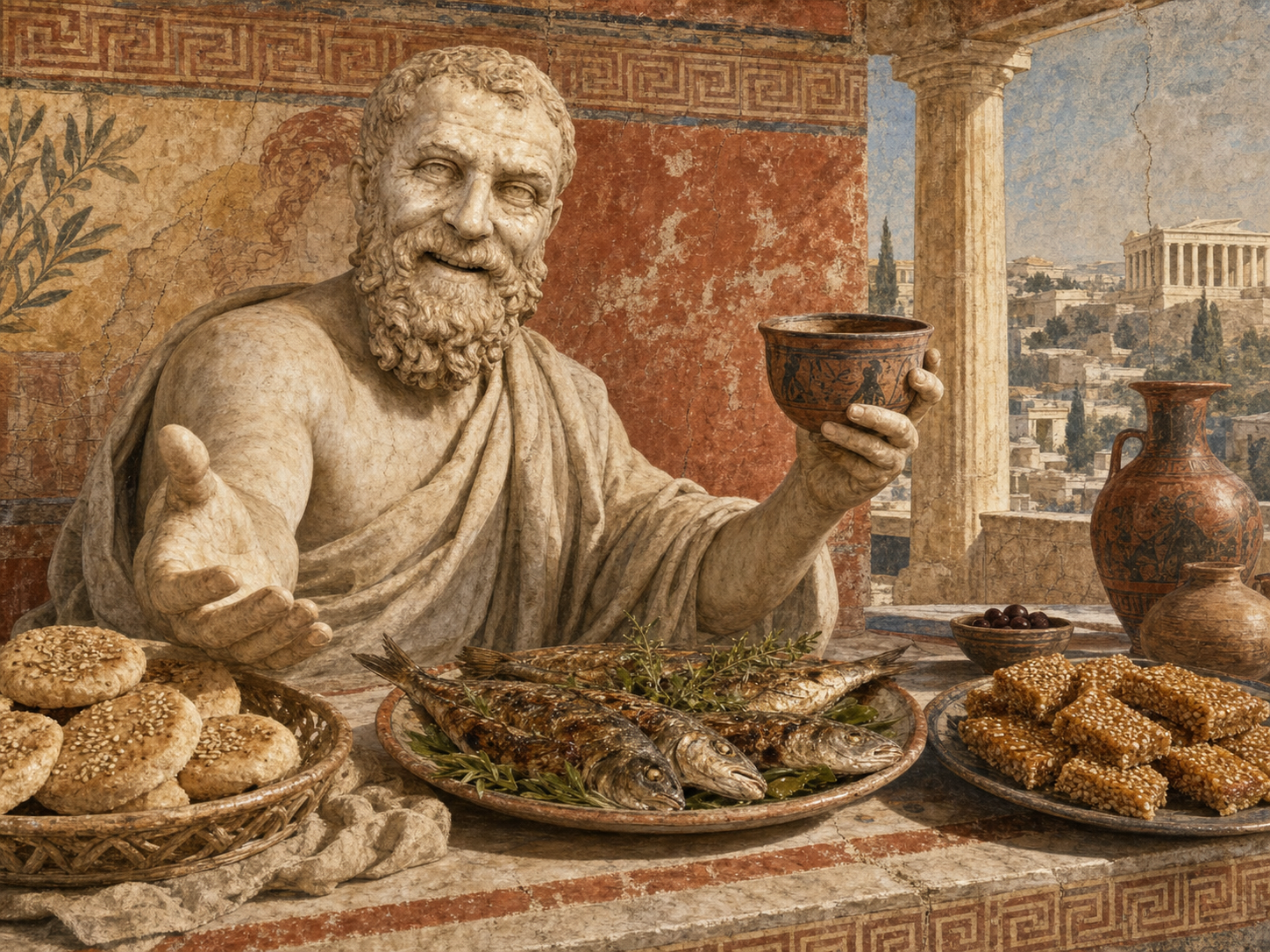
The archaic Greek meal has nothing to do with our starter-main-dessert trio. The day is organized around the *ariston* (light morning snack) and the *deipnon* (main evening meal). One eats a *sitos*, the staple cereal food (most often barley *maza*), accompanied by an *opson*, the "what-goes-with-it": fish, pulses, cheese, olives. Once the *deipnon* is over, free men move on to the *symposion*: the tables are removed, the guests are crowned, and they drink wine mixed with water while nibbling on *tragemata* (figs, nuts, honey cakes). Under Solon, a proponent of moderation, all this remains sober: one dines to live, not lives to dine.
Signature : Barley and Hymettus honey
Athens is a land of barley far more than of wheat: *maza*, a paste of roasted barley, distinguishes the frugal Greek from the wheat-bread eater. And Attica produces the most renowned honey in the Greek world, that of the bees of Mount Hymettus, which forage on wild thyme. This duo—humble grain and fragrant honey—is the true signature of the Athenian table in Solon's time.
click to flip back
Solon at the table
629 av. J.-C. — 559 av. J.-C.
4 period recipes
 Everyday
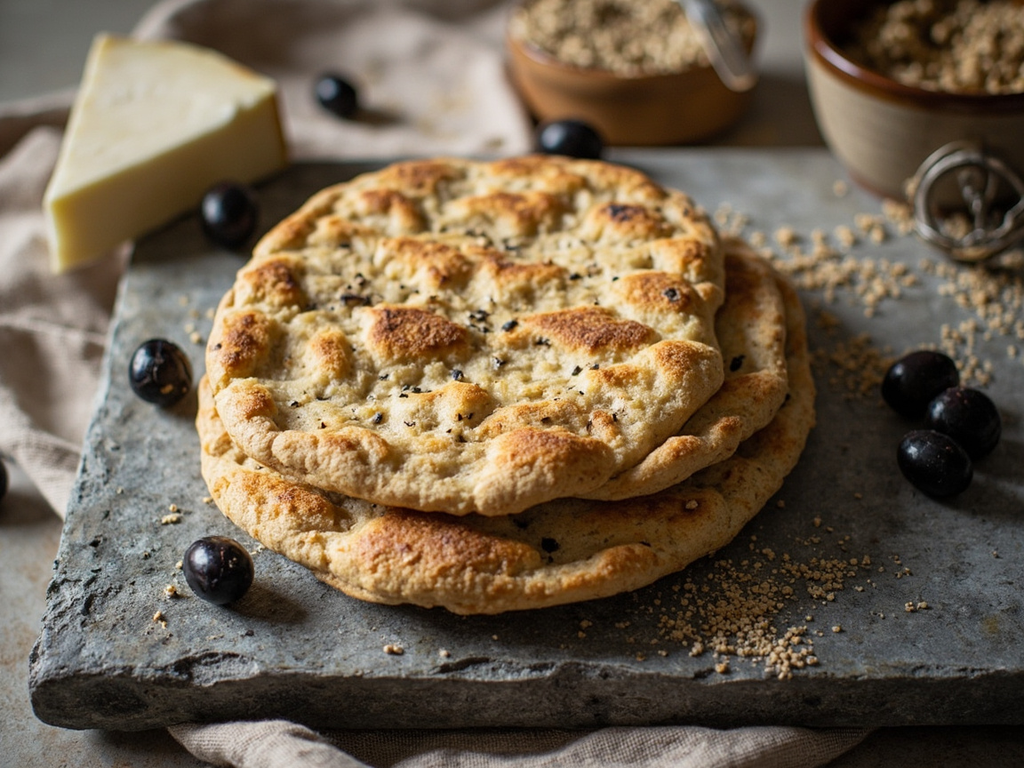
Maza, the barley flatbread of the Athenians
Sitos (the staple cereal food of the deipnon)
☕ 🧂· 30 min
View the recipe
 Festive
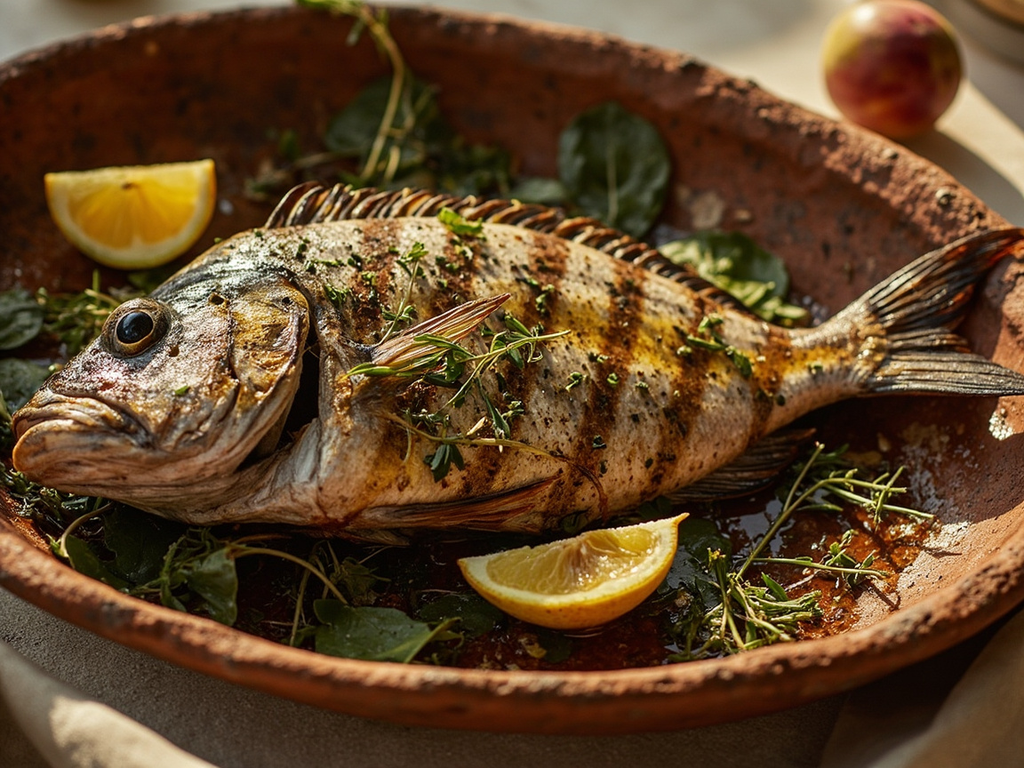
Salamis grilled fish with herbs
Opson (the "what-goes-with-it" that crowns the deipnon)
🍄 🧂· 25 min
View the recipe
 Travel
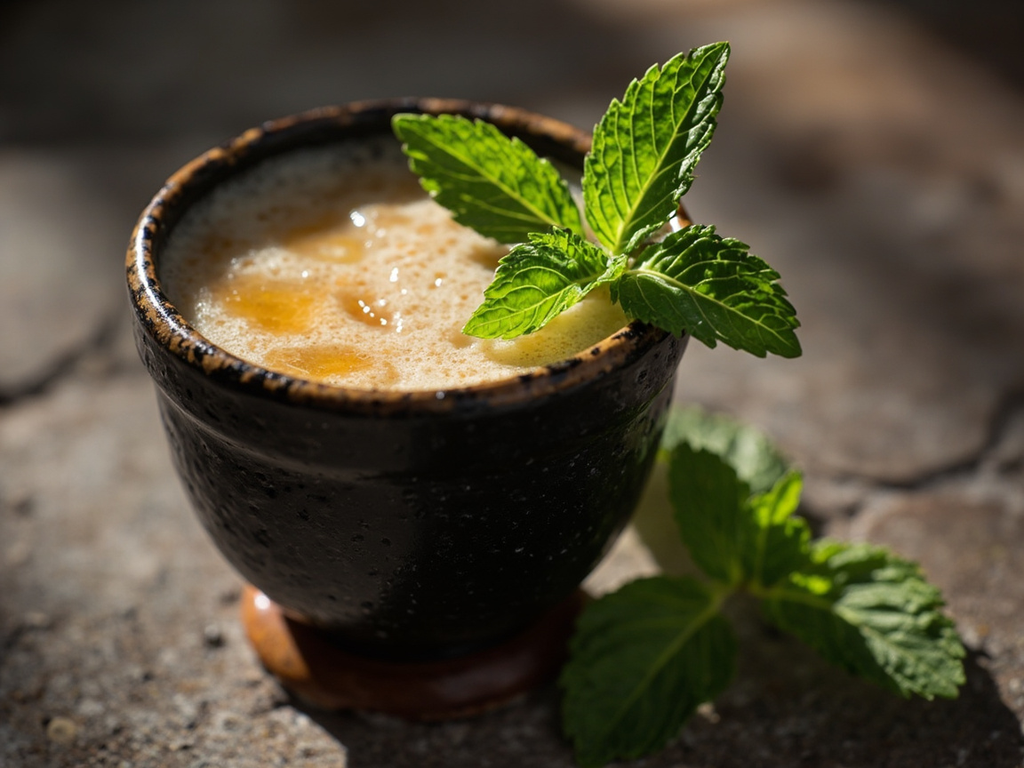
Traveler's kykeon
Poton (the nourishing drink-meal)
🍋 ☕· 10 min
View the recipe
 Offering
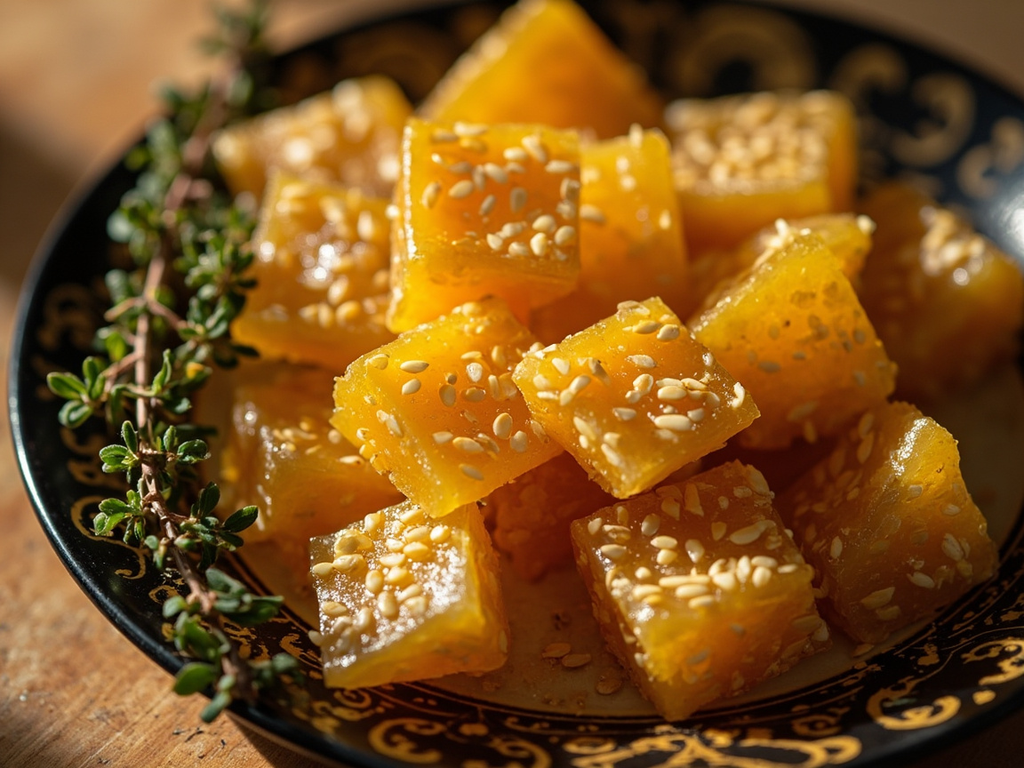
Honey and sesame cake (sesamis)
Tragemata of the symposion / offering to the gods
🍯· 20 min
View the recipe