 flip
flipHoney and sesame cake (sesamis)
Honey and sesame cake (sesamis)
Why this dish? Solon legislated against the excess of ceremonies—lavish funerals and ruinous offerings. The modest, fragrant honey and sesame cake is the sober offering par excellence: a gift to the gods and a festive sweet in keeping with the lawgiver's spirit of moderation.
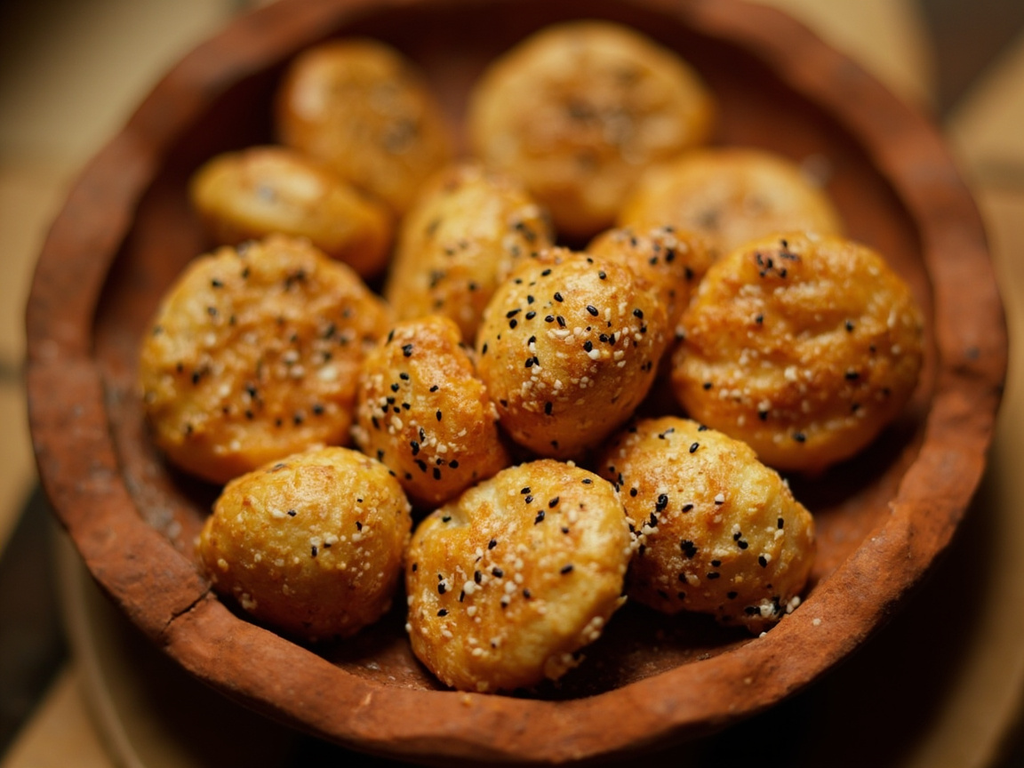
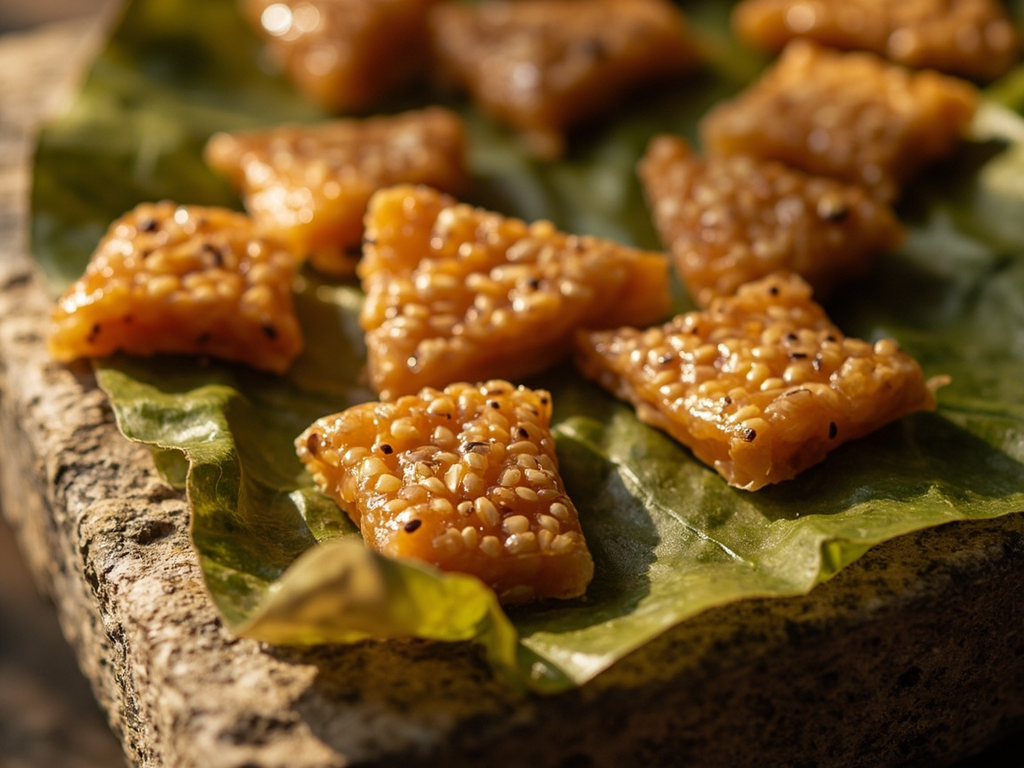
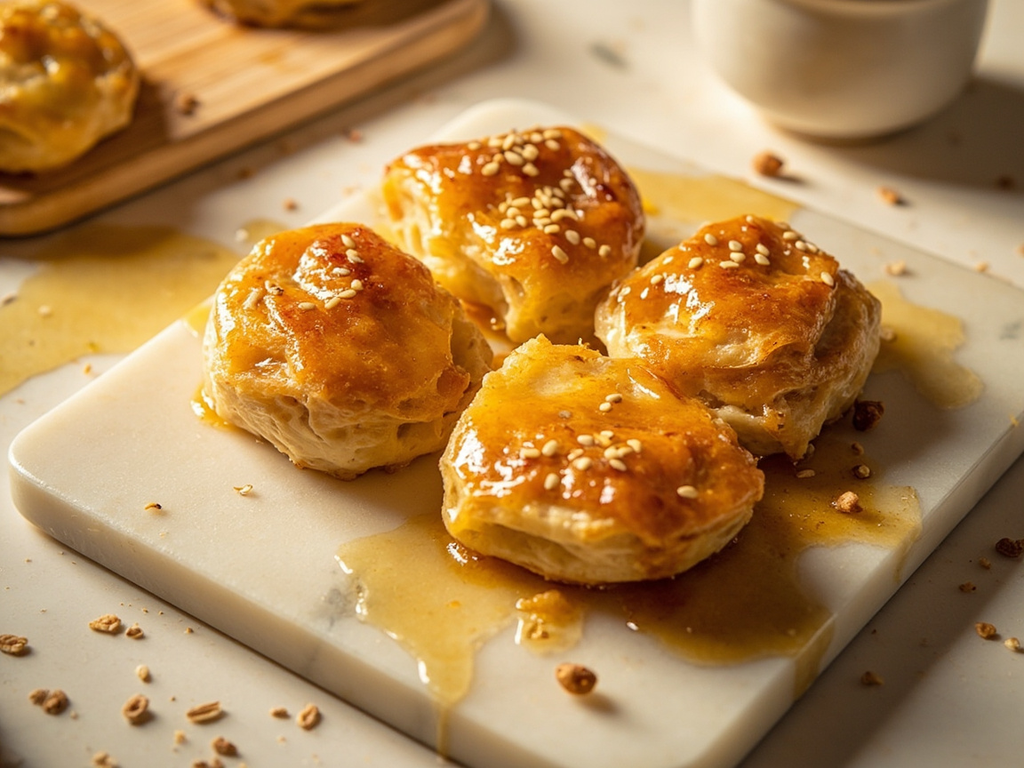
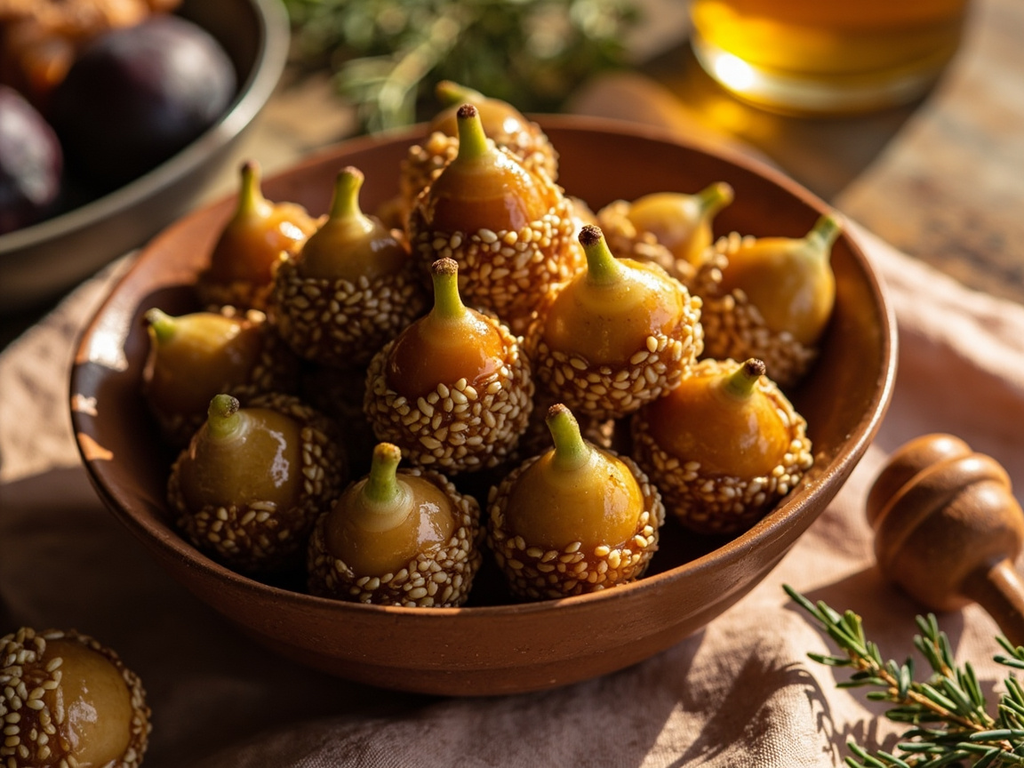
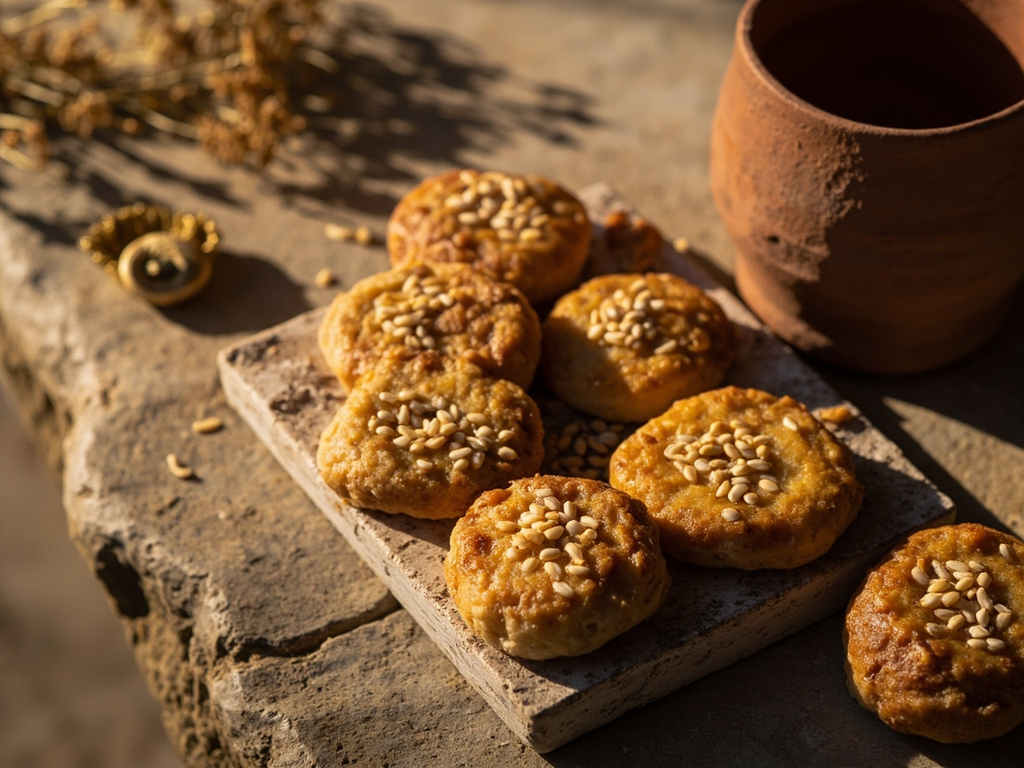
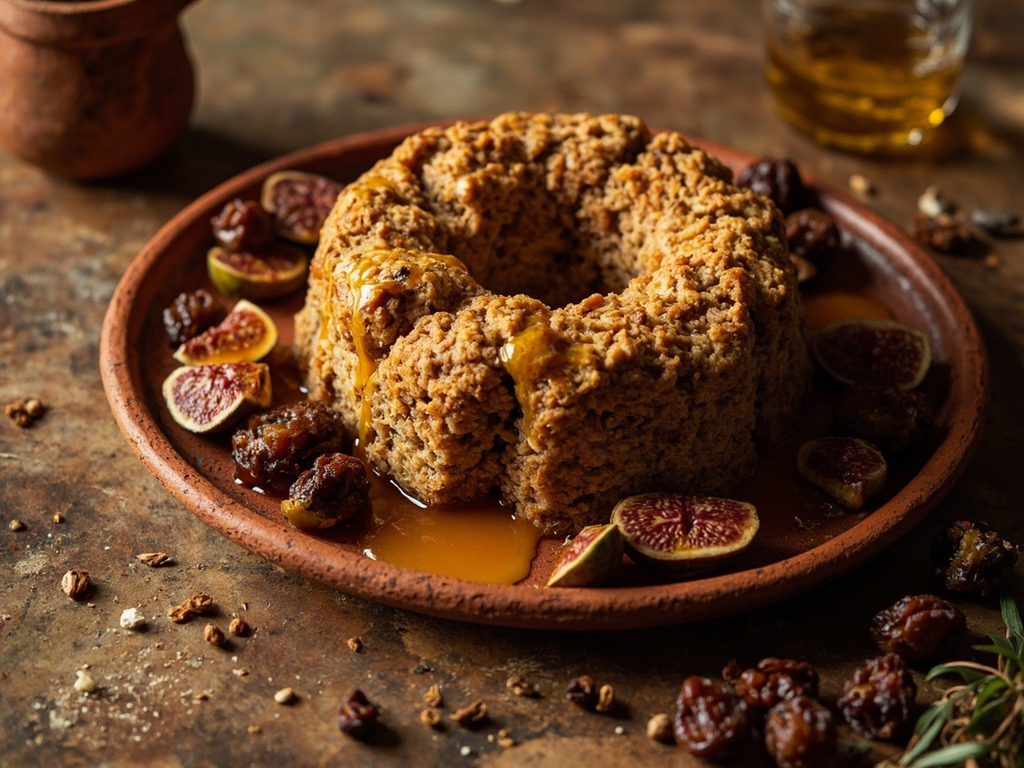
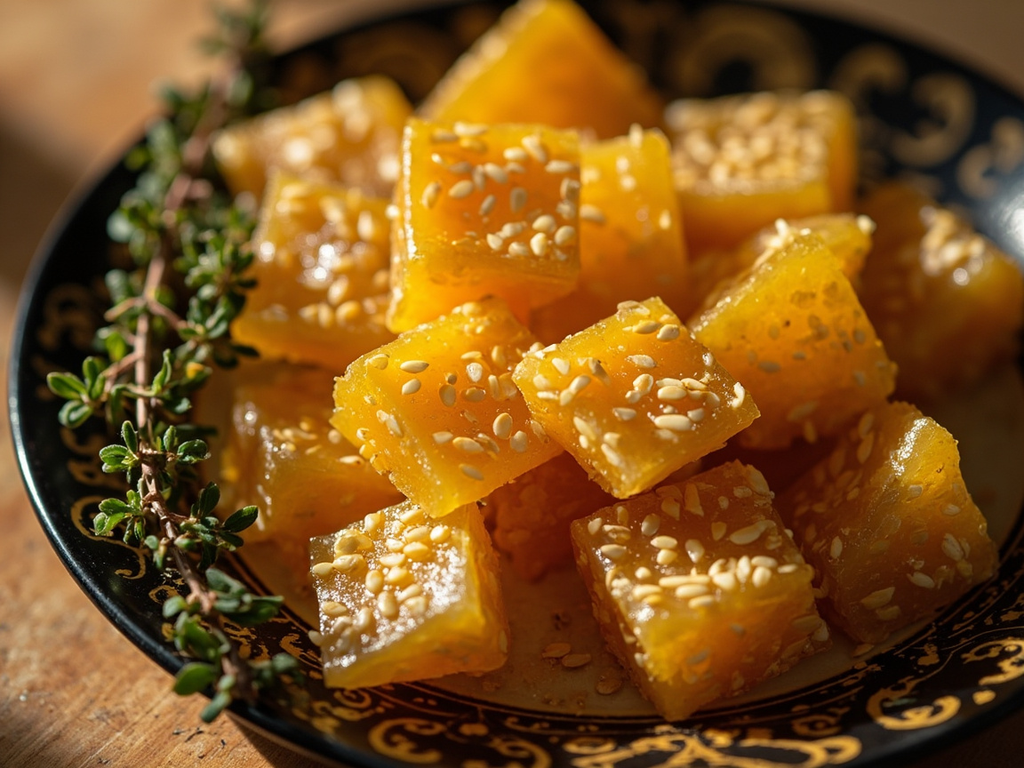
Small bites of toasted sesame bound with Hymettus honey, sometimes perfumed with a little cooked wine. Crisp and golden, they were offered to the gods on the altar and nibbled at the *symposion* or at weddings, a symbol of fertility.
The gods do not require that you ruin yourself to honor them—this I inscribed in my laws. Take sesame, make it dance on the fire until it sings, then drown it in the honey of our Hymettus bees. Shape small bites, place them on the altar or offer them to your guests: at weddings they are shared, for sesame promises many offspring. A modest offering is worth more than a proud feast.
- •Sesame seeds — a good measure (crunchy base)
- •Hymettus honey — enough to coat (binder and sweetness)
- •Cooked wine (epsema) — a splash (optional) (flavor)
Honey and sesame cake (sesamis)
Small bites of toasted sesame bound with Hymettus honey, sometimes perfumed with a little cooked wine. Crisp and golden, they were offered to the gods on the altar and nibbled at the *symposion* or at weddings, a symbol of fertility.
Why this dish? Solon legislated against the excess of ceremonies—lavish funerals and ruinous offerings. The modest, fragrant honey and sesame cake is the sober offering par excellence: a gift to the gods and a festive sweet in keeping with the lawgiver's spirit of moderation.
The gods do not require that you ruin yourself to honor them—this I inscribed in my laws. Take sesame, make it dance on the fire until it sings, then drown it in the honey of our Hymettus bees. Shape small bites, place them on the altar or offer them to your guests: at weddings they are shared, for sesame promises many offspring. A modest offering is worth more than a proud feast.
Ingredients (period version)
- Sesame seeds — a good measure (crunchy base)
- Hymettus honey — enough to coat (binder and sweetness)
- Cooked wine (epsema) — a splash (optional) (flavor)
Ingredients
- Sesame seeds — 150 g (crunchy base)
- Honey (thyme honey preferred) — 120 g (binder and sweetness)
- Reduced grape juice or a splash of sweet wine — 1 tbsp (optional) (flavor)
Method
- Toast the sesame seeds dry in a pan, stirring, until golden and fragrant.
- In a saucepan, gently heat the honey until it simmers and darkens slightly (add the cooked wine if using).
- Pour the sesame into the honey, mix quickly to coat evenly.
- Spread the mixture on an oiled surface or sheet, about 1 cm thick.
- Before it cools completely, cut or shape into small bites. Let harden.
How it was made : Sesame cakes (*sesamis*) were distributed at Athenian weddings as a symbol of fertility, and honey—since sugar was unknown to the Greeks—was the only sweetener. Cakes (*popana*, *pelanoi*) were regularly offered to the gods instead of animals for modest sacrifices. Toasting the sesame brings out its full aroma.
The contemporary twist : This is the direct ancestor of the Greek pasteli still eaten today: present it as diamonds on a small black-figure plate for an archaeological touch.
Sources : Andrew Dalby, Siren Feasts: A History of Food and Gastronomy in Greece, Routledge, 1996 · Athenaeus of Naucratis, The Deipnosophists (mentions of sesame and honey cakes)
Solon · Charactorium