 Flip the card
Theodosius at the table
583 — 602
On the menu
The Byzantine Imperial Service (Ariston and Deipnon)
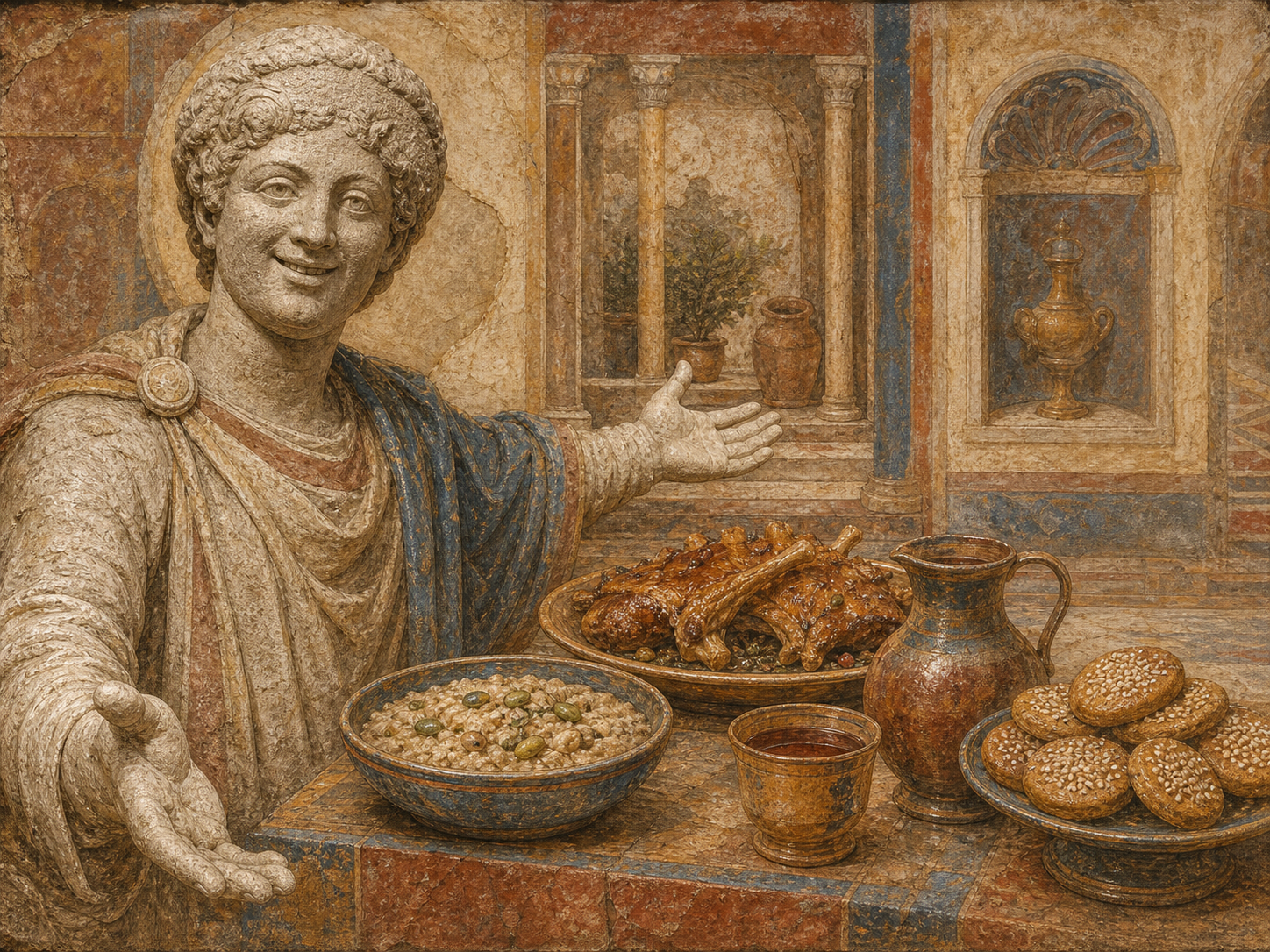
At the court of Constantinople, a distinction is made between the ariston (light meal of the day) and the deipnon (the grand evening meal). The feast takes place reclining on couches (triclinium inherited from Rome), in several courses: the gustationes (savory and spicy appetizers), meat and fish dishes drizzled with liquamen and spiced wine, then honey dulcia to finish. The Christian Lent, strictly observed by Theodosius II, also imposes meatless fast days where fish, vegetables, and legumes dominate the table.
Signature : Liquamen (Byzantine Garum)
This fermented fish brine, inherited from Rome and still queen of the kitchens of Constantinople in the 5th century, salts and brings umami to almost everything. It is readily combined with honey, reduced wine (defrutum), and Eastern spices such as long pepper and nard, imported along the routes the Empire controls.
click to flip back
Theodosius at the table
583 — 602
5 period recipes
 Everyday
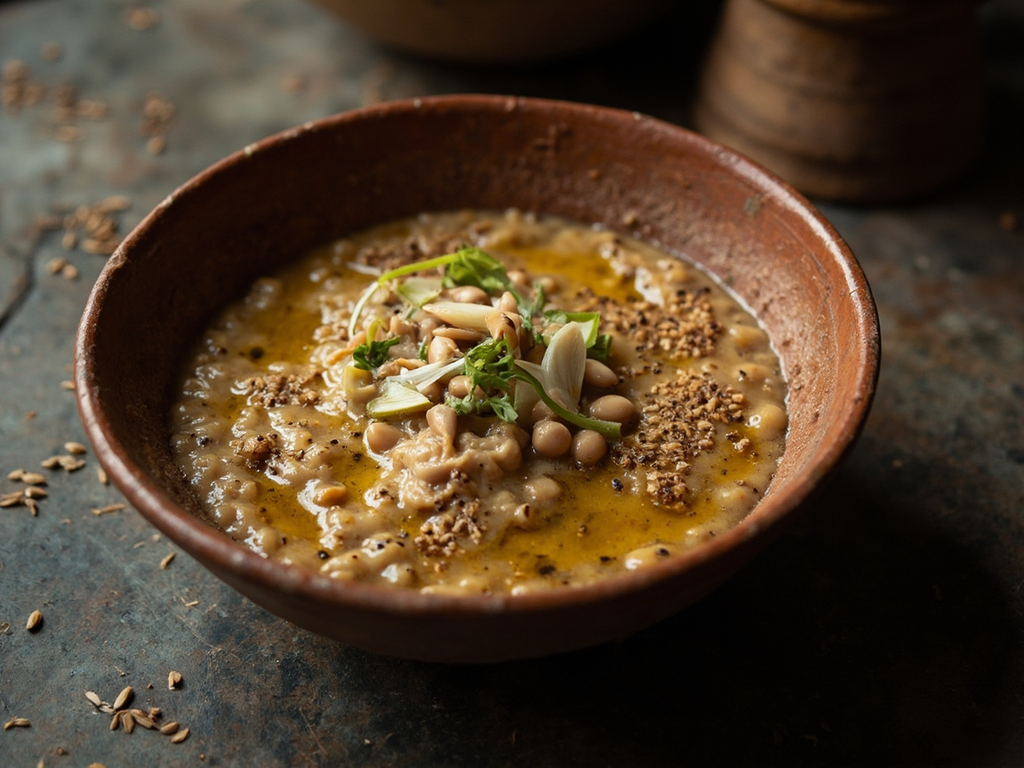
Barley Grouta with Fava Beans and Liquamen
Ariston on a Fast Day (light meal during Lent)
🧂 🍄· 1 h 30
View the recipe
 Festive
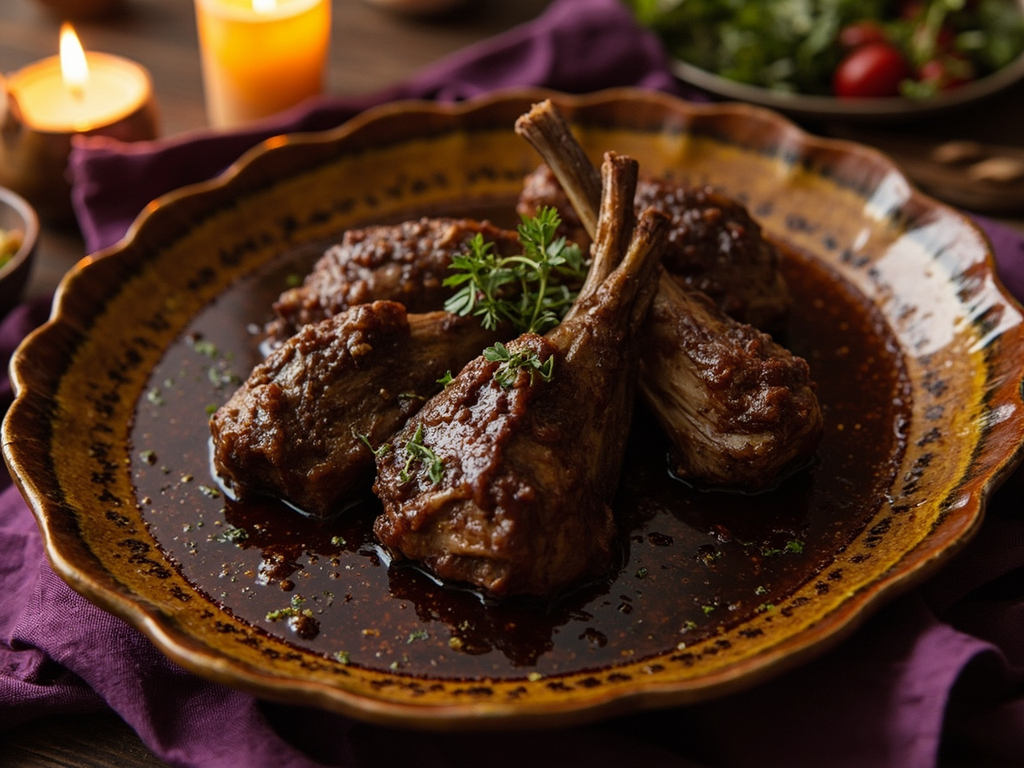
Lamb with Honey, Liquamen, and Long Pepper (in patina)
Centerpiece of the Deipnon (grand imperial evening meal)
🧂 🍯 🍄· 2 h 30
View the recipe
 Drink
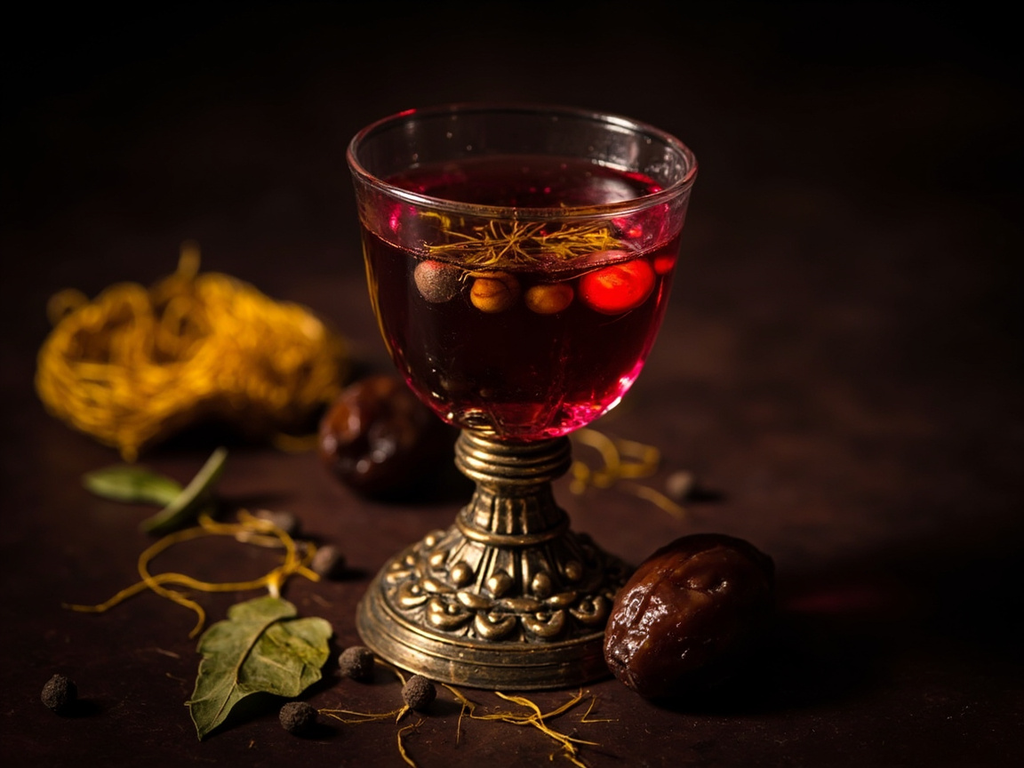
DrinkConditum Paradoxum (Spiced Honeyed Wine)
Opening drink of the banquet (served with gustationes)
🍯 🌶️· 30 min (+ rest 1 to 2 days)
View the recipe
 Festive
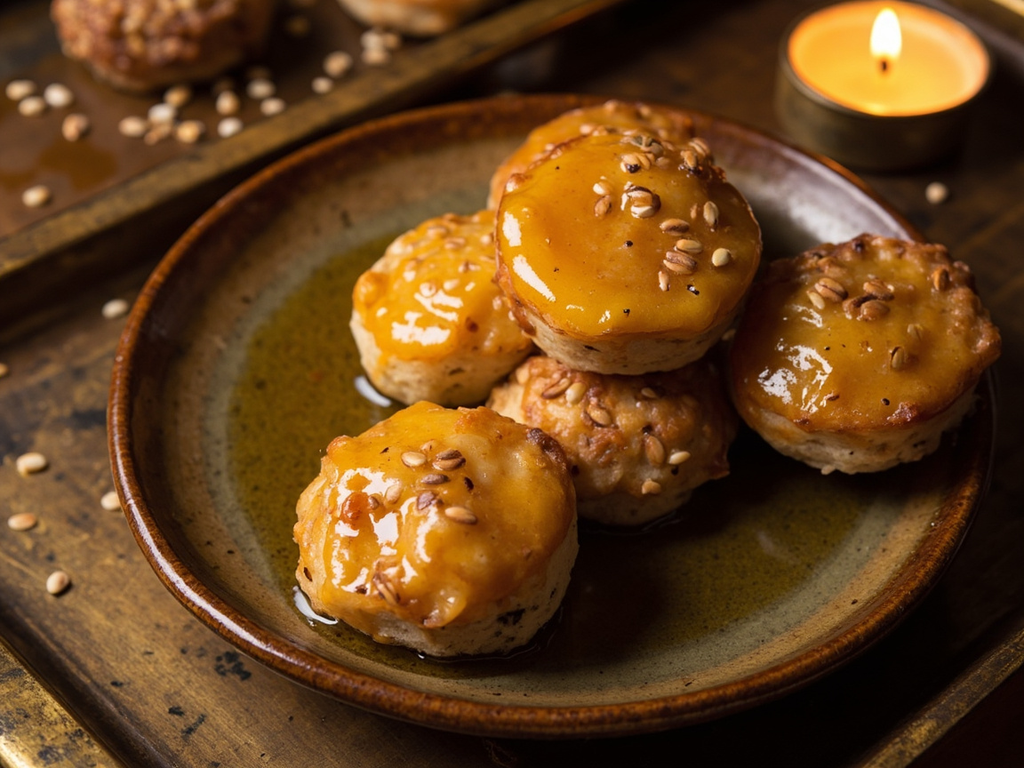
Honey and Sesame Cakes (Koptai / Dulcia)
Dulcia, the sweet course that closes the deipnon
🍯· 50 min
View the recipe
 Preserving
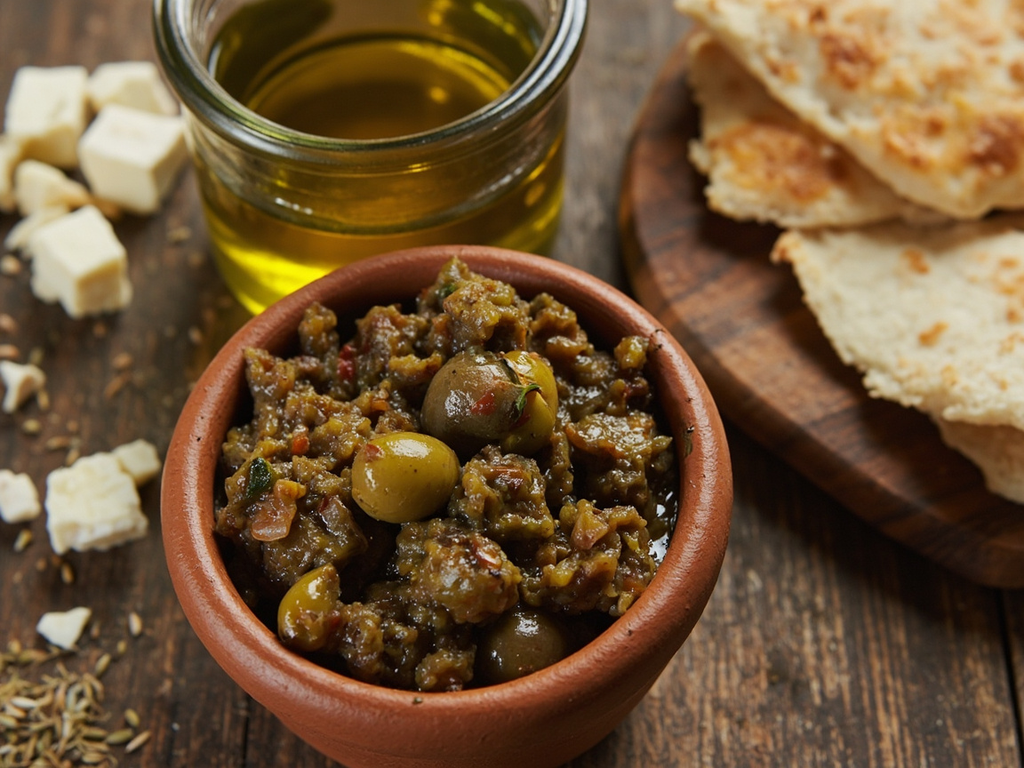
Olives and Cheese in Must for the Road (Travel Epityrum)
Travel provision / preserved snack (viaticum)
🧂 🍋 🍄· 20 min
View the recipe