 Flip the card
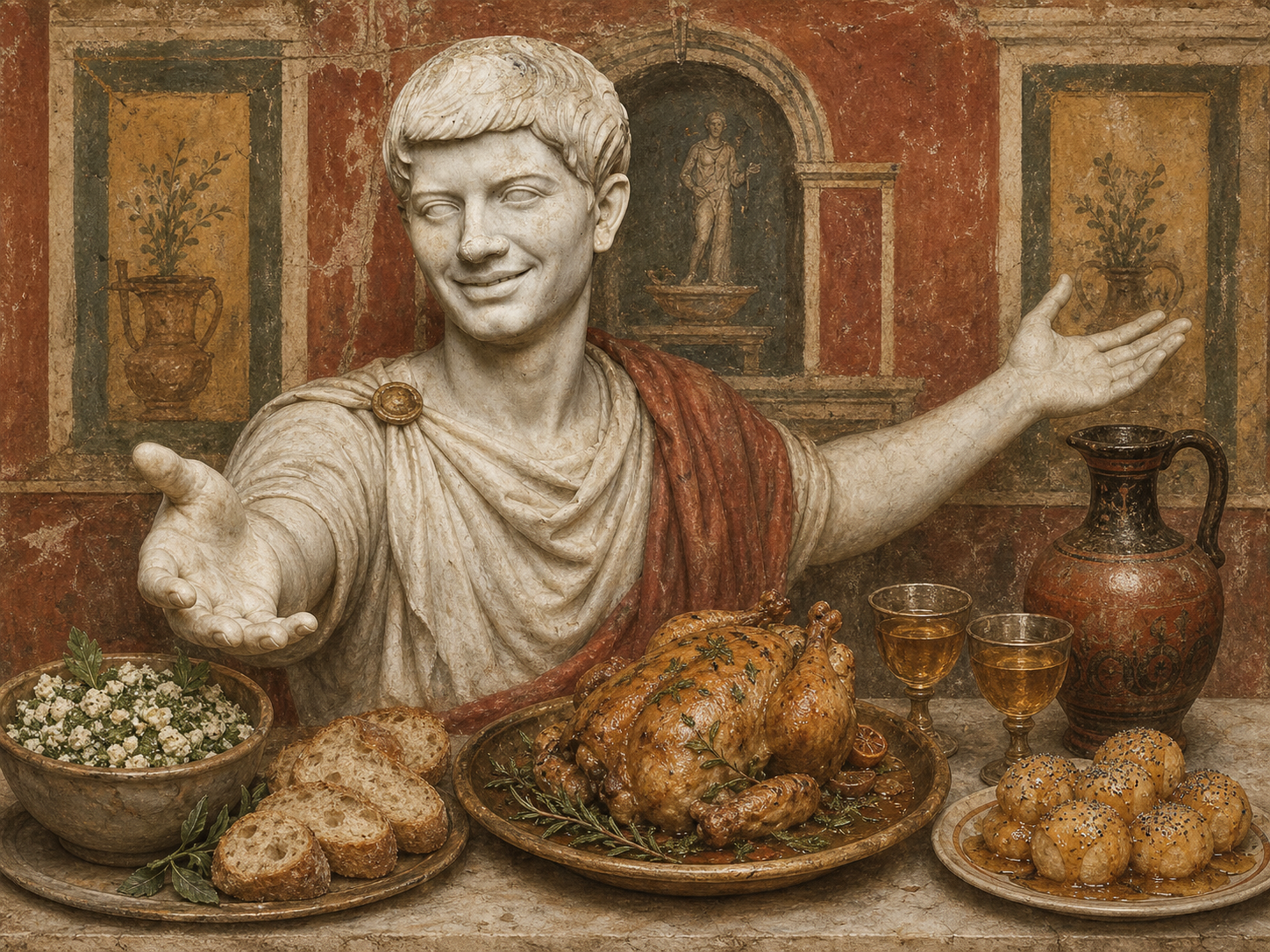
Virgil at the table
69 av. J.-C. — 18 av. J.-C.
On the menu
Roman Cena (gustatio, prima mensa, secunda mensa)
The main meal of wealthy Romans unfolds in three courses: the gustatio (appetizers of eggs, vegetables, olives, and honeyed wine), the prima mensa (the heart of the meal: meats, fish, and vegetables), and the secunda mensa (fruits, honey cakes, and nuts). People dine reclining on couches (triclinium), and the meal is often accompanied by poetry and conversation.
Signature : Garum and Honey
Roman cuisine plays on the marriage of salty-fermented (garum, the ubiquitous fish sauce) and sweet (honey, the only known sweetener). This sweet-and-sour contrast marks almost every dish on the Augustan table that Virgil would have known, both in Rome and in his Mantuan countryside.
click to flip back
Virgil at the table
69 av. J.-C. — 18 av. J.-C.
5 period recipes
 Everyday
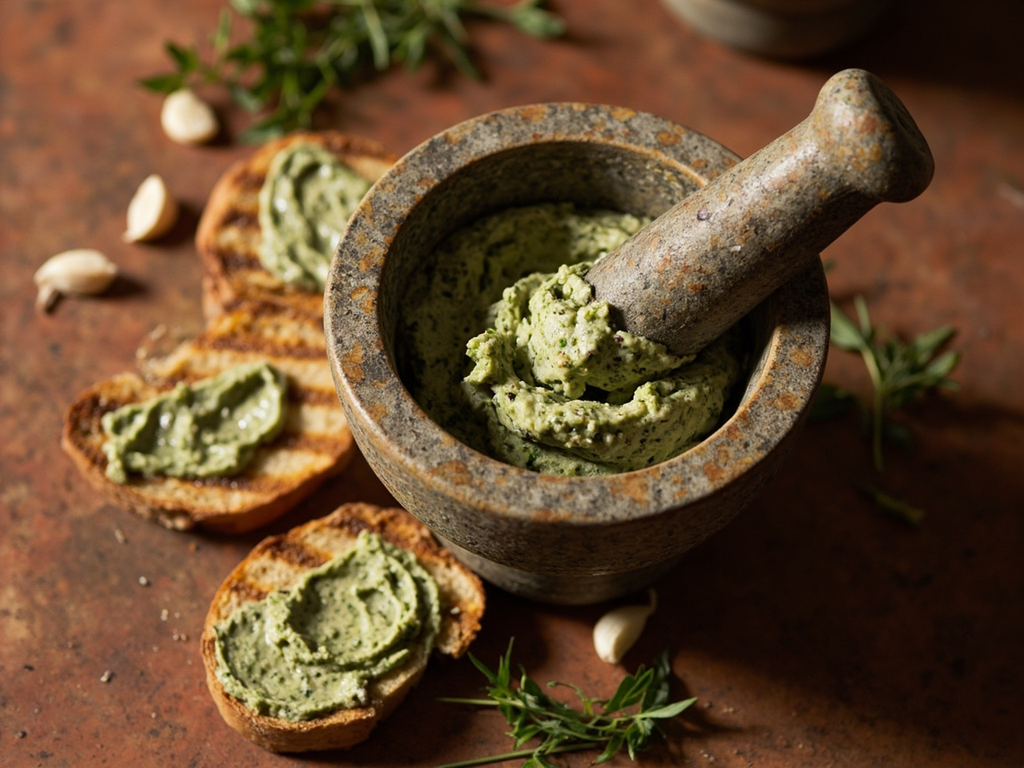
Moretum, the Rustic Herb Spread
Cibus rusticus (country food, eaten in the morning or as gustatio)
🧂 🍄· 15 min
View the recipe
 Festive
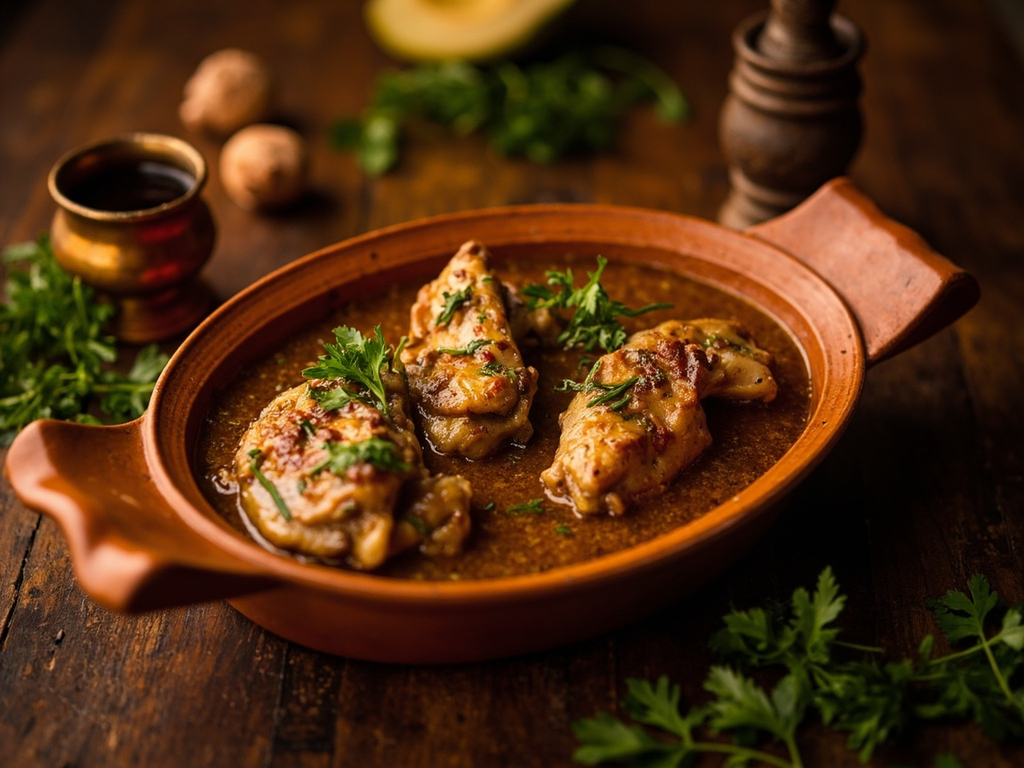
Herb-and-Garum Chicken, Apicius-Style
Prima mensa (main course of the meal, served in the triclinium)
🧂 🍄 🍋· 55 min
View the recipe
 Drink
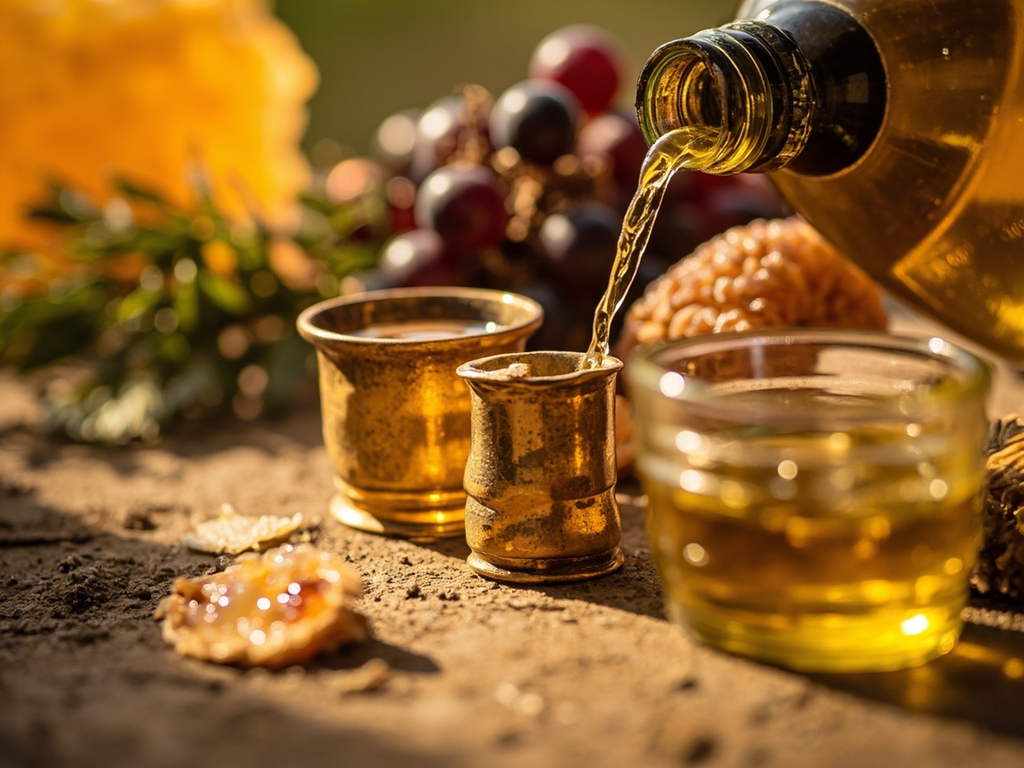
DrinkMulsum, the Welcoming Honeyed Wine
Aperitivum (welcome drink opening the gustatio)
🍯 🍋· 10 min (plus 2 h infusion)
View the recipe
 Festive
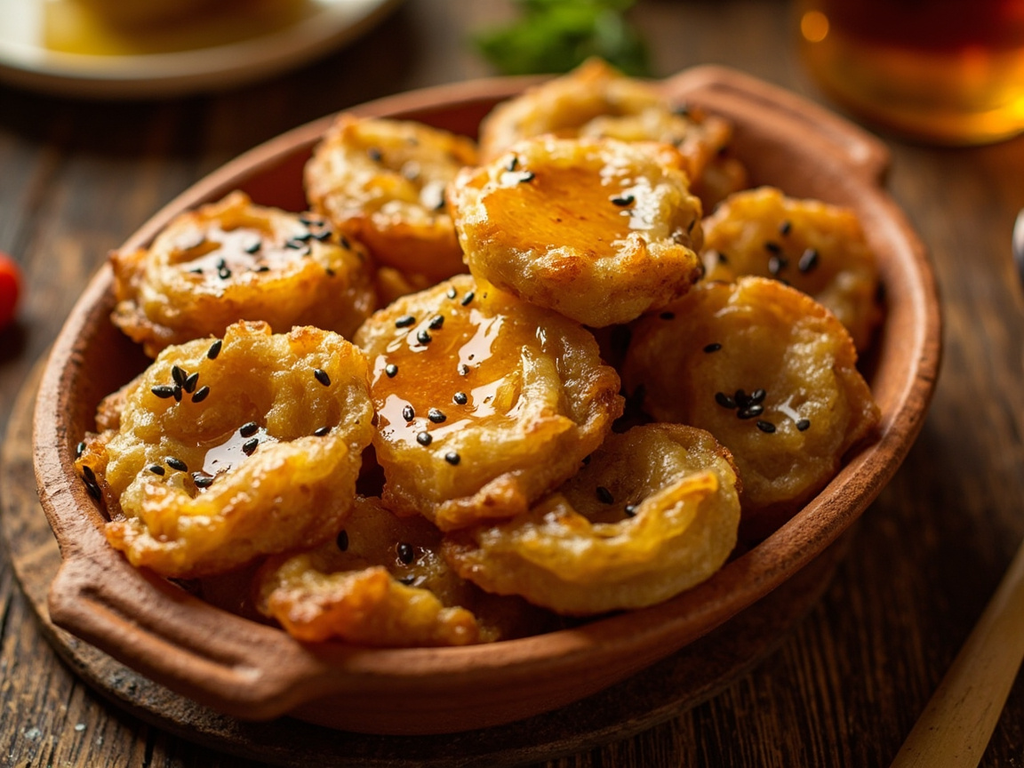
Honey and Poppy Seed Globi, Secunda Mensa Sweets
Secunda mensa (last course of the meal, fruits and sweets)
🍯· 40 min
View the recipe
 Travel
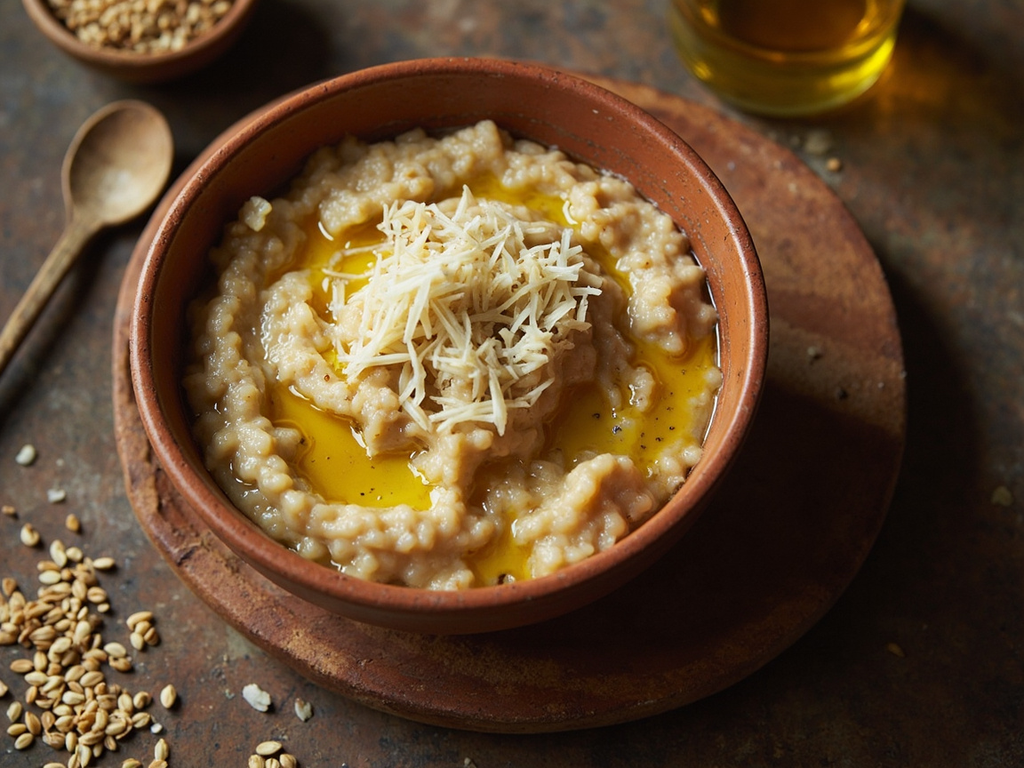
Puls, the Original Spelt Porridge
Cibus cotidianus (basic daily food, eaten in the morning or evening)
🧂 🍄· 35 min
View the recipe