 Flip the card
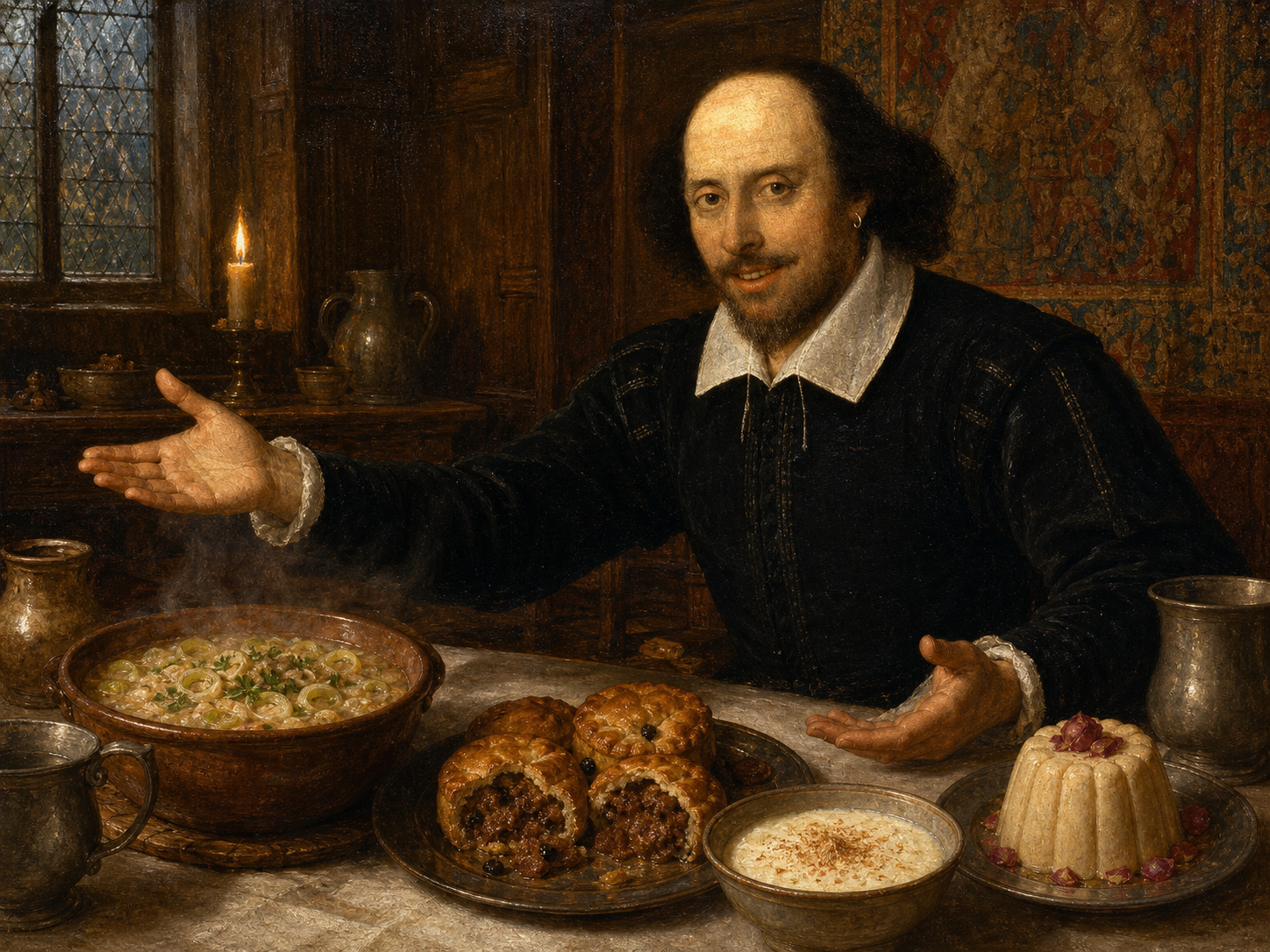
William Shakespeare at the table
1564 — 1616
On the menu
The 'Courses' of an Elizabethan Meal (First Course, Second Course, and Banquet)
At an English table in Shakespeare's time, there was no separation of starter, main, and dessert. Instead, 'courses' were served: a first course where pottages, boiled meats, and pies arrived together on the table, a second course of roasts and finer dishes, and then the 'banquet' — a separate, sweet and fragrant service of marchpane, candied fruits, and spiced wines, nibbled while rising from the table. Sweet and savory mingled freely: meat was sugared, wine was spiced, and this blend was considered the height of refinement.
Signature : Sack and Sweet Spices (Cinnamon, Mace, Nutmeg) with Currants
Two twin signatures run through all the cooking of this time: sack (a sweet white wine from Spain and the Canaries, Falstaff's beloved wine), and the trio of sweet spices — cinnamon, mace, nutmeg — brightened with currants and a dash of verjuice. It is this spiced sweetness, laid even upon meat, that gives its color to the English Renaissance table.
click to flip back
William Shakespeare at the table
1564 — 1616
4 period recipes
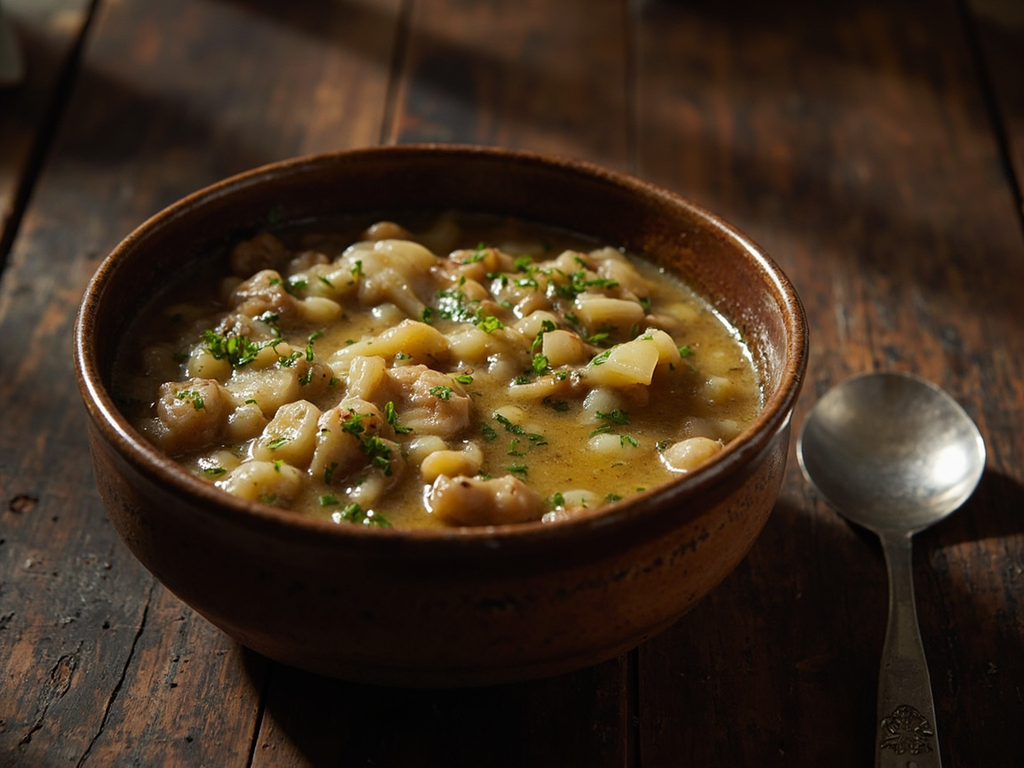 Everyday
Barley Pottage with Leeks and Herbs
First Course — the everyday pottage
🧂 🍄· 1 h
View the recipe
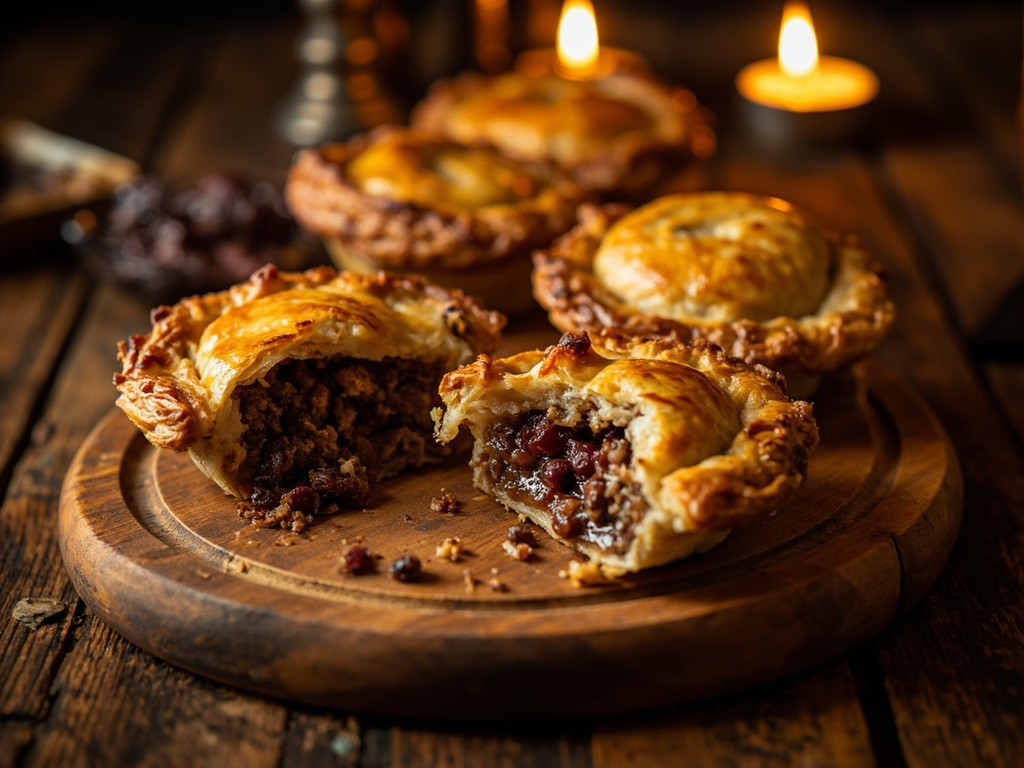 Festive
Mutton Chewets with Currants and Sweet Spices
Second Course — small pies in crust ('coffins')
🧂 🍯 🌶️· 1 h 15
View the recipe
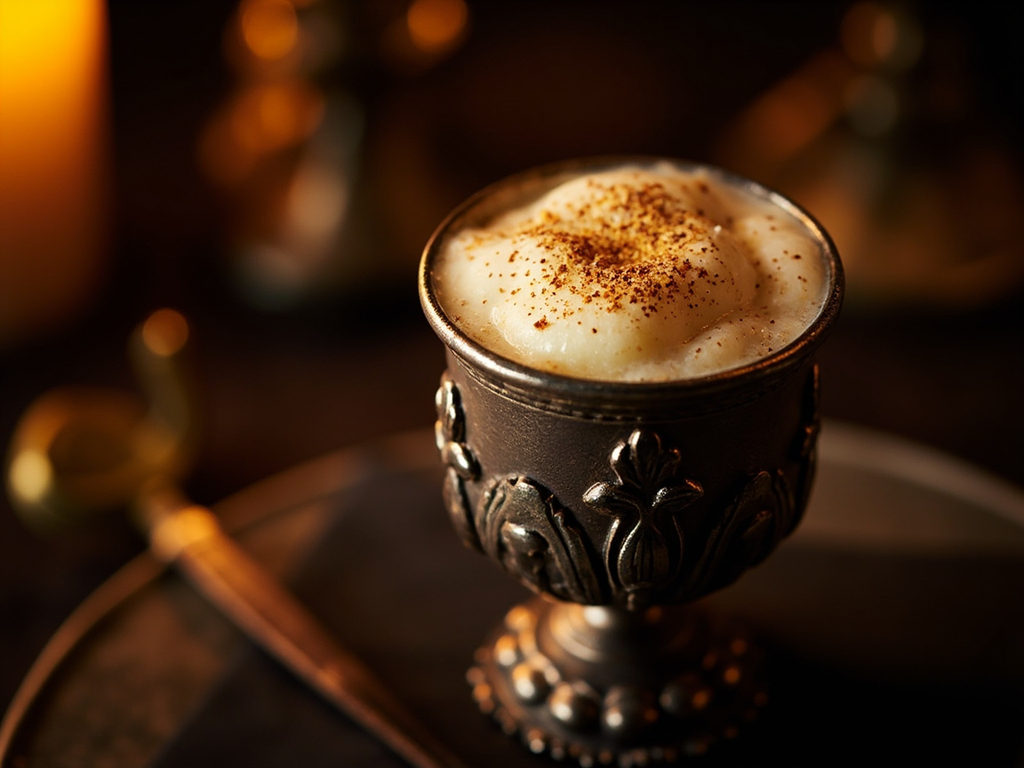 Drink
DrinkSack Posset — Curdled Milk with Sherry and Nutmeg
Banquet — hot drink of the sweet course
🍯 🌶️ 🫙· 30 min
View the recipe
 Preserving
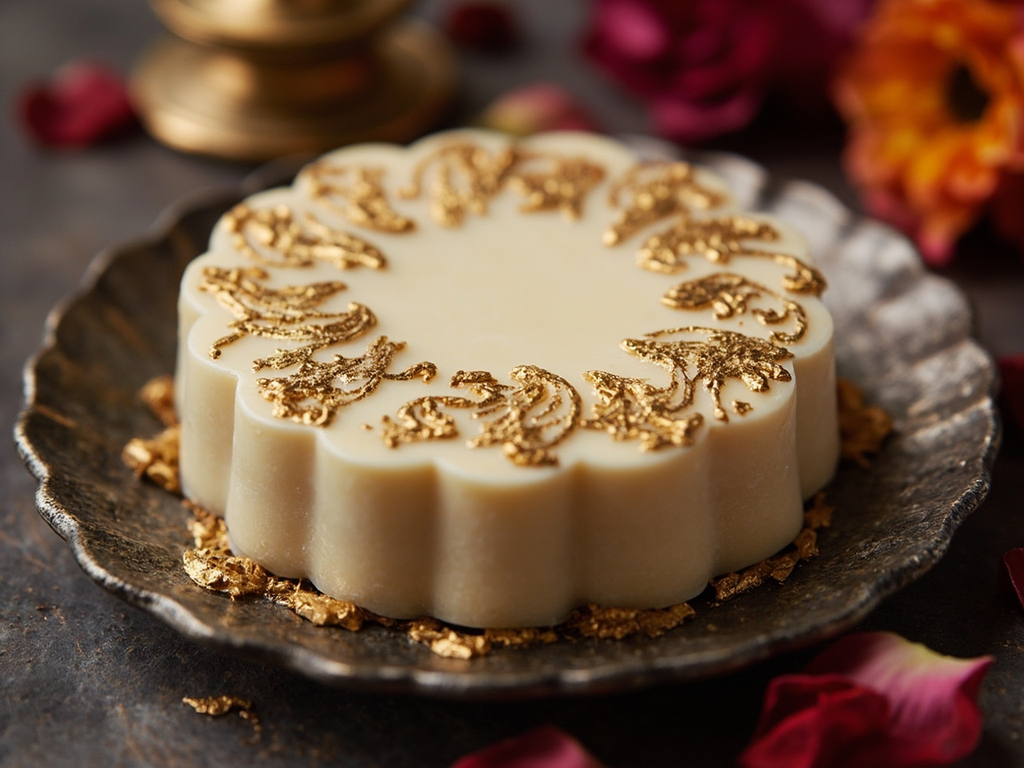
Marchpane with Rose Water
Banquet — marzipan piece of the 'banketting stuff'
🍯· 50 min
View the recipe