 flip
flipSack Posset — Curdled Milk with Sherry and Nutmeg
Sack Posset — Curdled Milk with Sherry and Nutmeg
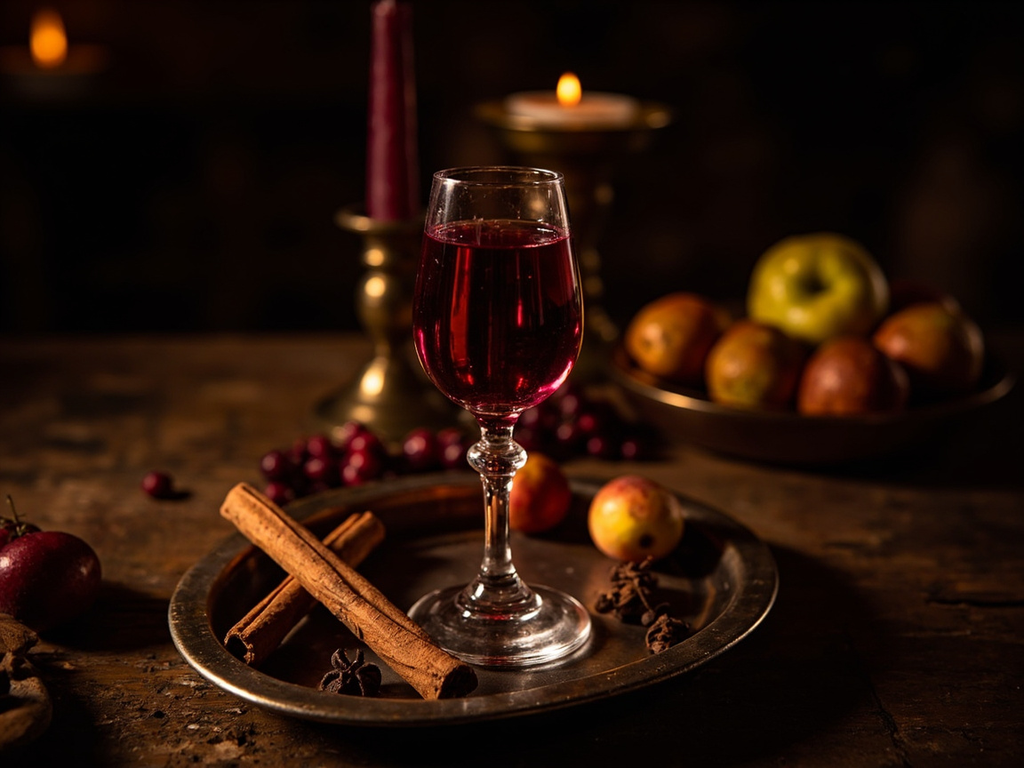
Why this dish? Sack — that sweet white wine from Spain — is THE wine of Shakespeare: his Falstaff delivers the most famous praise of it in English literature. Served as a hot posset, sweetened and spiced, it was the drink for bedtime, comfort, and weddings, offered to the newlyweds on their wedding night.
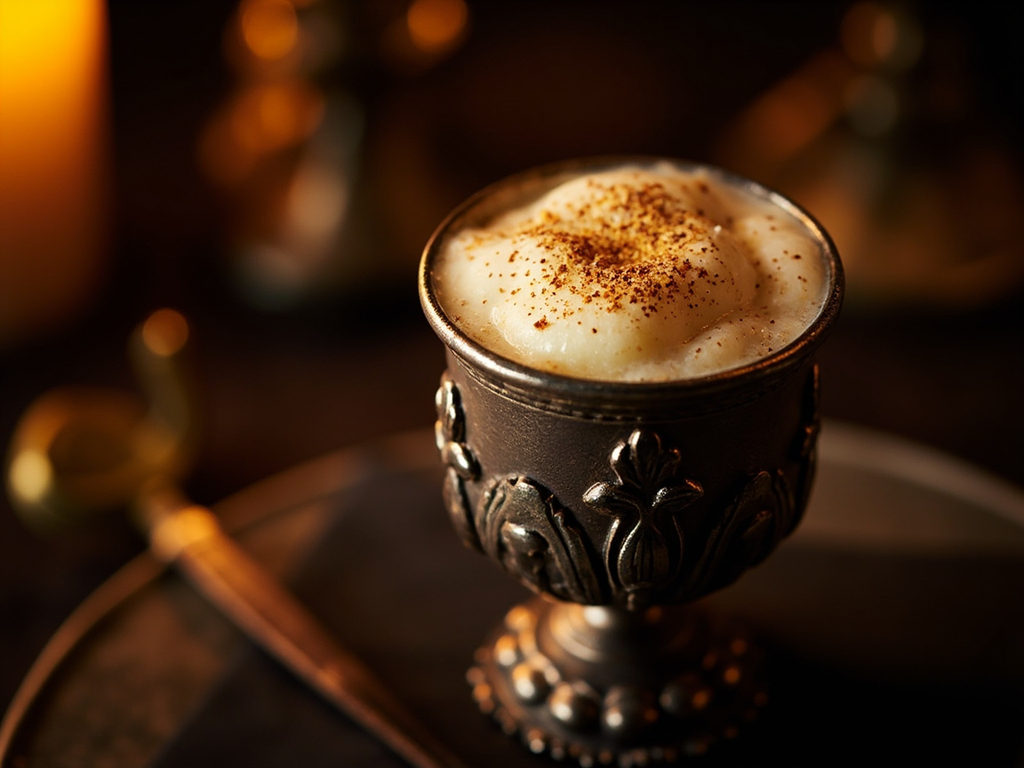
A hot, creamy milk that is 'turned' by pouring it over sweetened, spiced sack: it then sets into a soft, frothy curd, fragrant with nutmeg and cinnamon. Creamy, comforting, to be eaten with a spoon.
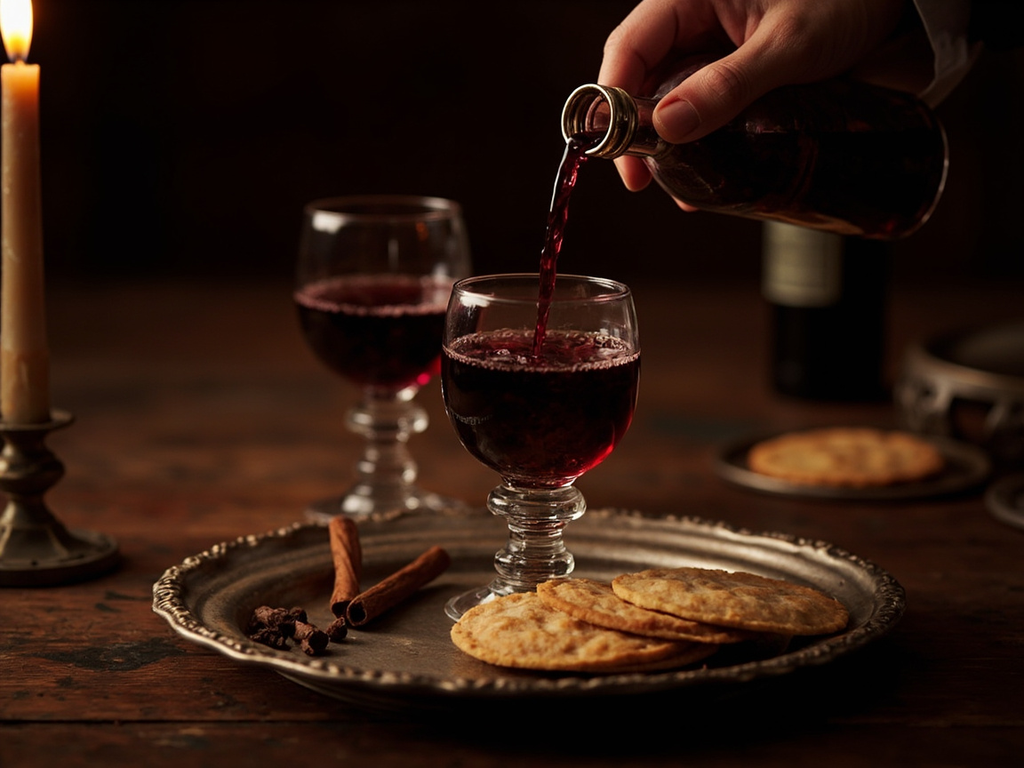
Ah, sack! Had I a thousand sons, the first human principle I would teach them should be to forswear thin potations and to addict themselves to sack — so speaks my fat Jack Falstaff, and he is not altogether wrong. To make a posset of it, heat the milk with the cream, then pour it from on high upon the sweetened, nutmegged wine: watch it take and froth as if by sorcery. It is presented to the young couple on their wedding night, steaming, to warm the heart and loosen the tongue. Eat it with a spoon, and God keep you from sobriety that night.
- •Sack (sweet white wine from Spain / Canaries) — a good cupful (fragrant alcohol that curdles)
- •Milk — a pint (base)
- •Cream — a portion (richness)
- •Egg yolks — a few (binding)
- •Sugar — to taste (sweetness)
- •Nutmeg, cinnamon — grated (banquet spices)
Sack Posset — Curdled Milk with Sherry and Nutmeg
A hot, creamy milk that is 'turned' by pouring it over sweetened, spiced sack: it then sets into a soft, frothy curd, fragrant with nutmeg and cinnamon. Creamy, comforting, to be eaten with a spoon.
Why this dish? Sack — that sweet white wine from Spain — is THE wine of Shakespeare: his Falstaff delivers the most famous praise of it in English literature. Served as a hot posset, sweetened and spiced, it was the drink for bedtime, comfort, and weddings, offered to the newlyweds on their wedding night.
Ah, sack! Had I a thousand sons, the first human principle I would teach them should be to forswear thin potations and to addict themselves to sack — so speaks my fat Jack Falstaff, and he is not altogether wrong. To make a posset of it, heat the milk with the cream, then pour it from on high upon the sweetened, nutmegged wine: watch it take and froth as if by sorcery. It is presented to the young couple on their wedding night, steaming, to warm the heart and loosen the tongue. Eat it with a spoon, and God keep you from sobriety that night.
Ingredients (period version)
- Sack (sweet white wine from Spain / Canaries) — a good cupful (fragrant alcohol that curdles)
- Milk — a pint (base)
- Cream — a portion (richness)
- Egg yolks — a few (binding)
- Sugar — to taste (sweetness)
- Nutmeg, cinnamon — grated (banquet spices)
Ingredients
- Sweet sherry (oloroso or cream sherry) — 150 ml (alcohol that curdles)
- Whole milk — 400 ml (base)
- Heavy cream — 100 ml (richness)
- Egg yolks — 2 (binding)
- Sugar — 3 tbsp (sweetness)
- Freshly grated nutmeg — a generous pinch (signature spice)
- Cinnamon — a pinch (spice)
Method
- In a large bowl, gently warm the sherry with half the sugar, nutmeg, and cinnamon (do not boil).
- Heat the milk and cream; off the heat, whisk the egg yolks with the remaining sugar, then temper with a little hot milk.
- Pour back into the saucepan and stir over very low heat until slightly thickened (do not boil).
- Pour the hot milk from a height into the bowl of warm wine: the mixture curdles and froths at once.
- Let rest 2-3 minutes, grate a little nutmeg on top, serve warm with a spoon. (Non-alcoholic version: replace sack with heated white grape juice and a dash of lemon juice.)
How it was made : The posset was a festive and medicinal drink: hot wine coagulated the milk, yielding a spoonable food-drink. It was offered to newlyweds and the sick, sometimes in precious 'posset pots' with a spout to drink the liquid beneath the curd.
The contemporary twist : Served in small espresso cups, topped with grated nutmeg and a shard of gingerbread, as a winter after-dinner 'shot'.
Sources : Sir Hugh Plat, Delightes for Ladies (1602) · William Shakespeare, Henry IV — Falstaff's praise of sack · C. Anne Wilson, Food and Drink in Britain (1973)
William Shakespeare · Charactorium