 flip
flipMutton Chewets with Currants and Sweet Spices
Mutton Chewets with Currants and Sweet Spices
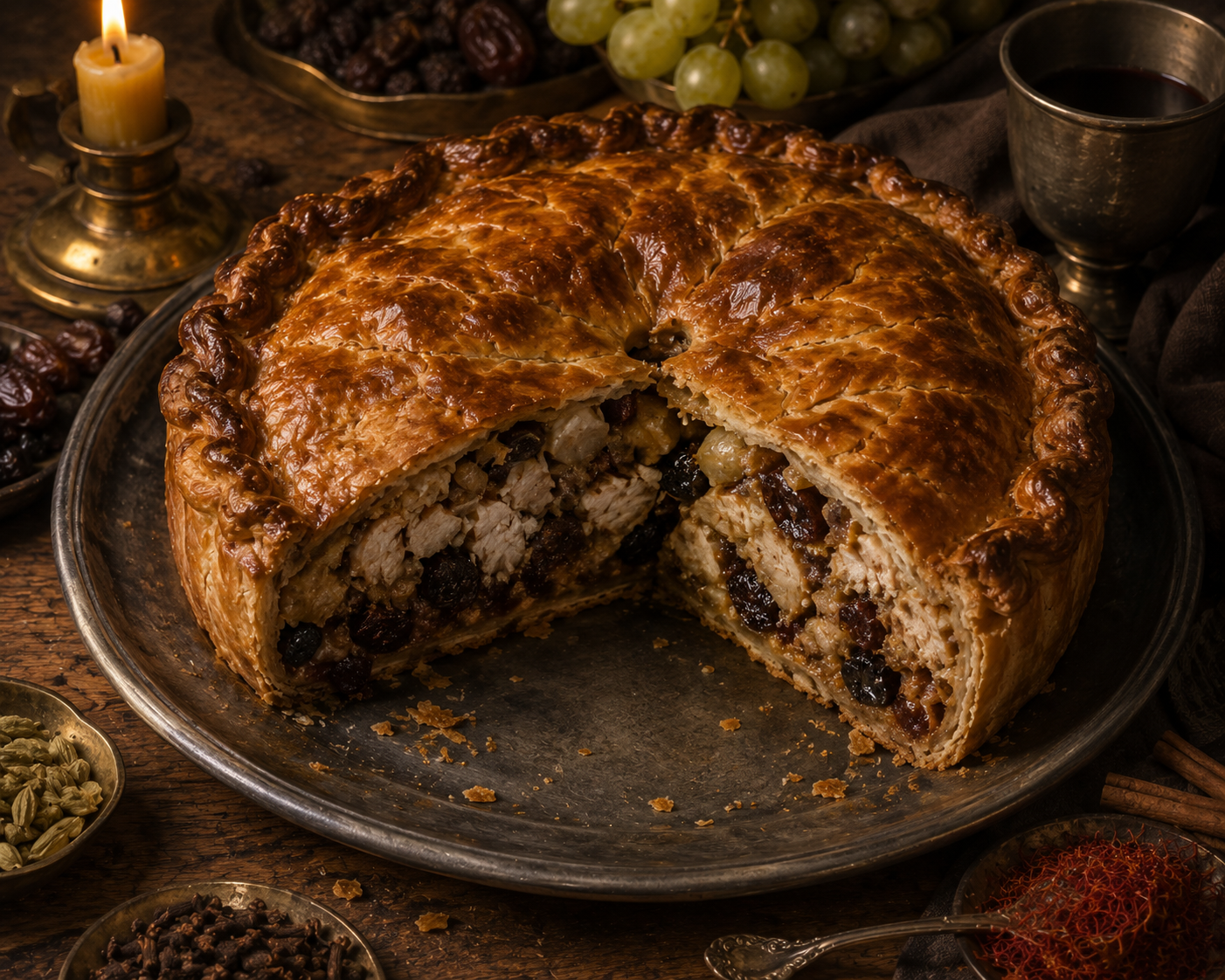
Why this dish? In London, the Globe and the taverns of Southwark overflowed with small pies sold for a few pence; and at feasts and weddings in Stratford, these golden chewets, where meat mingles with sugar and spices, were the festive dish par excellence. Shakespeare himself names them in his plays.
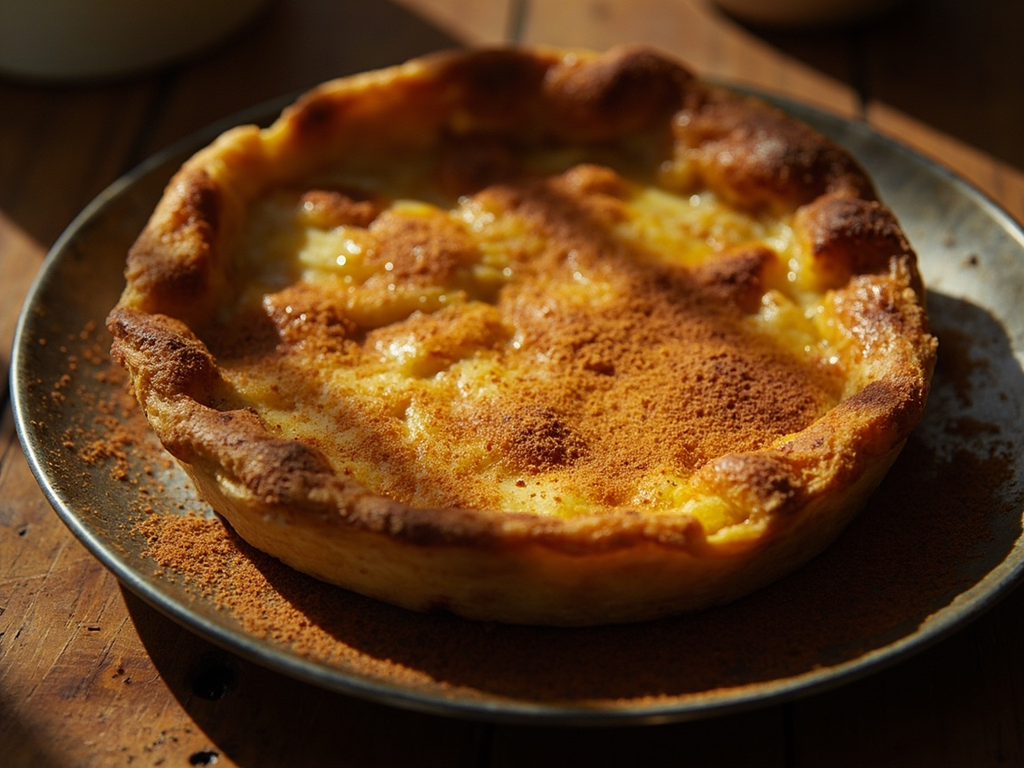
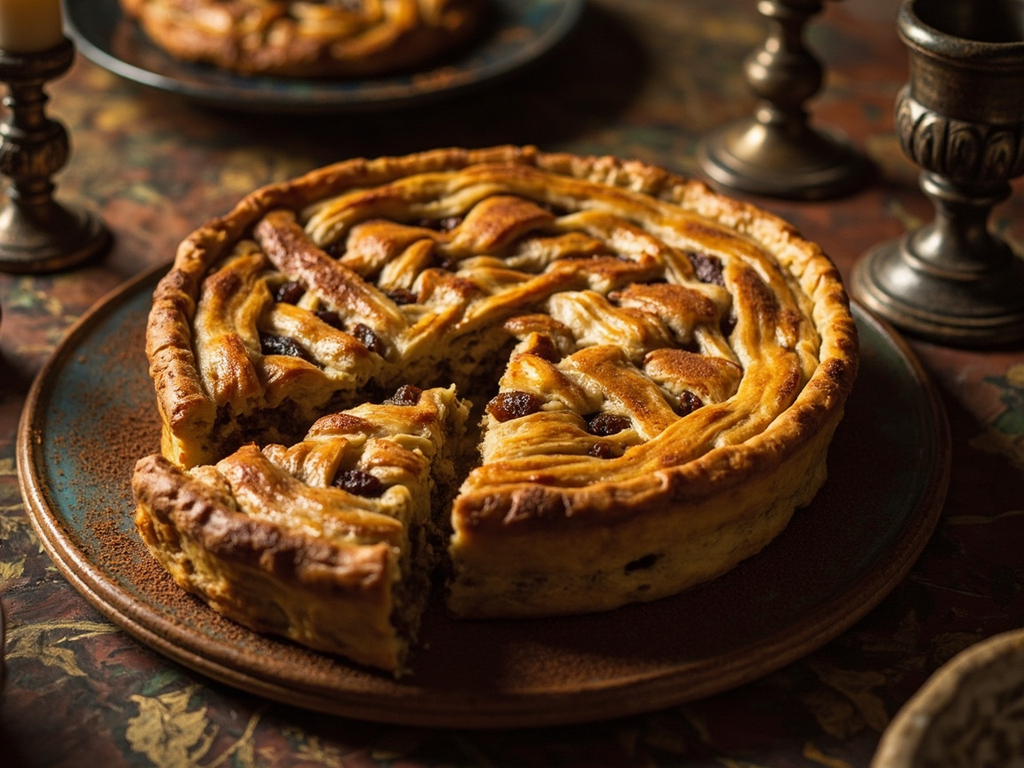
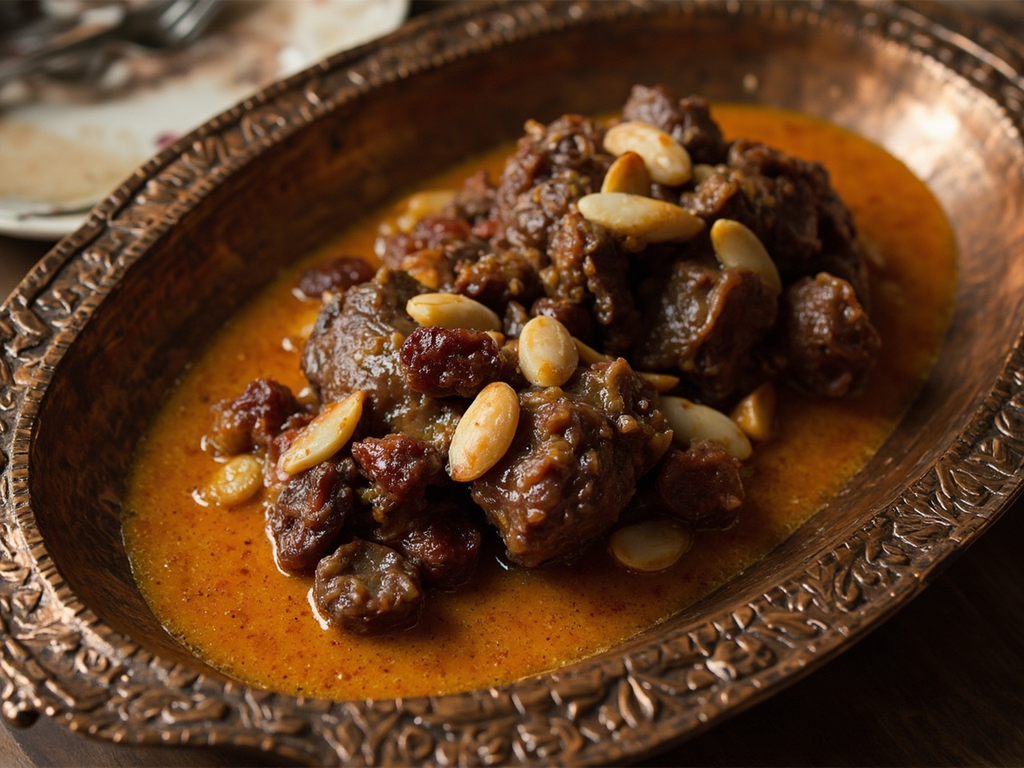
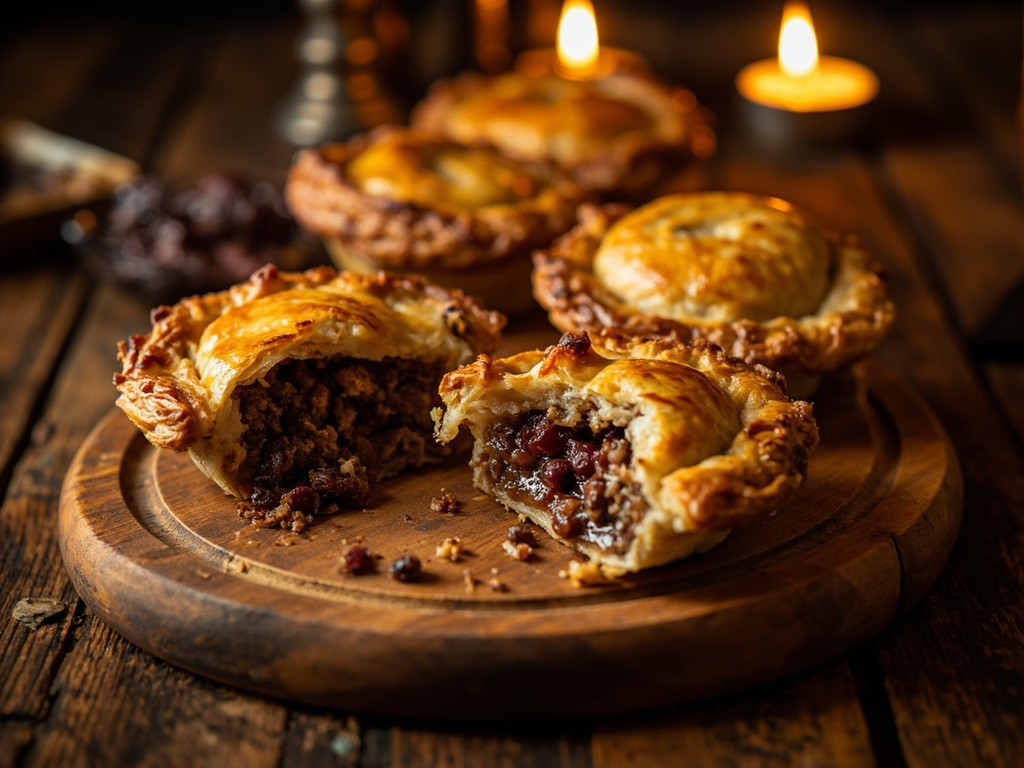
Small individual pies in a crust (the 'coffins') filled with minced mutton, suet, currants, and dates, spiced with cinnamon, mace, and nutmeg, with a dash of verjuice. Sweet, spicy, and savory at once: the very taste of an Elizabethan feast.
Here, here is a dish that befits days of mirth, and which I have seen devoured by cartloads down Southwark way, between two plays! Mince the mutton small, marry it with currants and the date, then pepper it with cinnamon and mace until the salt and sweet quarrel upon your tongue. Enclose it all in its crust — the 'coffin,' so we call it, fear not the word — and let it brown. A dash of verjuice to wake the palate, and you have enough to feast a wedding.
- •Mutton shoulder — a good piece (meat)
- •Suet — a portion (moisture and binding)
- •Currants — a handful (sweetness)
- •Dates — a few (fruity sweetness)
- •Cinnamon, mace, nutmeg — to taste (sweet spices)
- •Verjuice — a dash (tangy note)
- •Sugar — a spoonful (sweetness)
- •Pastry (flour, water, lard) — enough for the coffins (crust)
Mutton Chewets with Currants and Sweet Spices
Small individual pies in a crust (the 'coffins') filled with minced mutton, suet, currants, and dates, spiced with cinnamon, mace, and nutmeg, with a dash of verjuice. Sweet, spicy, and savory at once: the very taste of an Elizabethan feast.
Why this dish? In London, the Globe and the taverns of Southwark overflowed with small pies sold for a few pence; and at feasts and weddings in Stratford, these golden chewets, where meat mingles with sugar and spices, were the festive dish par excellence. Shakespeare himself names them in his plays.
Here, here is a dish that befits days of mirth, and which I have seen devoured by cartloads down Southwark way, between two plays! Mince the mutton small, marry it with currants and the date, then pepper it with cinnamon and mace until the salt and sweet quarrel upon your tongue. Enclose it all in its crust — the 'coffin,' so we call it, fear not the word — and let it brown. A dash of verjuice to wake the palate, and you have enough to feast a wedding.
Ingredients (period version)
- Mutton shoulder — a good piece (meat)
- Suet — a portion (moisture and binding)
- Currants — a handful (sweetness)
- Dates — a few (fruity sweetness)
- Cinnamon, mace, nutmeg — to taste (sweet spices)
- Verjuice — a dash (tangy note)
- Sugar — a spoonful (sweetness)
- Pastry (flour, water, lard) — enough for the coffins (crust)
Ingredients
- Minced lamb shoulder — 400 g (meat)
- Cold butter (instead of suet) — 40 g (moisture)
- Currants — 60 g (sweetness)
- Pitted dates — 4, chopped (fruity sweetness)
- Cinnamon — 1/2 tsp (spice)
- Mace and nutmeg — a pinch each (sweet spices)
- Verjuice (or green grape juice / mild cider vinegar) — 1 tbsp (acidity)
- Sugar — 1 tbsp (sweetness)
- Shortcrust pastry — 500 g (crust)
- Egg yolk — 1 (glaze)
Method
- Mix the minced lamb with the butter cut into small dice, currants, dates, spices, sugar, verjuice, and a little salt.
- Roll out the pastry and line muffin tins or form small baskets by hand (the 'coffins').
- Fill with the mixture, cover with a pastry lid, seal the edges, and cut a small steam vent.
- Brush with egg yolk.
- Bake at 190°C for 35-40 minutes until the pastry is golden and the filling cooked. Serve warm.
How it was made : The 'coffin' simply meant the thick pastry case, often hard, which served as both mold and dish — it was not always eaten. Mixing meat, dried fruit, and sugar was the festive norm, inherited from costly spices brought from the East.
The contemporary twist : Served as mini pies on a slate board, labeled with a Falstaff quote, for a 'Tavern Night' buffet.
Sources : A. W., A Book of Cookrye (1591) · Gervase Markham, The English Huswife (1615) · Peter Brears, Cooking and Dining in Tudor and Early Stuart England (2015)
William Shakespeare · Charactorium