Kids interview Dorothy Dandridge
by Charactorium · Dorothy Dandridge (1922 — 1965) · Performing Arts · Society · Music · 5 min read

Two 12-year-old students visit an exhibition on American cinema. In front of a large poster of Carmen Jones, an elegant lady in a silk dress smiles at them. It's Dorothy Dandridge, and she agrees to answer their questions.
—What was it like the day you learned you were nominated for an Oscar?
You know, my child, that day I felt like I was floating. In 1955, my name appeared everywhere: the first Black woman nominated for Best Actress, for Carmen Jones. Imagine newspapers across the country talking about you the same morning. I was 32. I thought the big doors would finally open. Life magazine called me a revelation. But do you want me to tell you something sad? After that glory, no major studio offered me a role worthy of me. I was famous, and yet no one knew what to do with me.
I was famous, and yet no one knew what to do with me.
—Why was it so hard for you to get roles?
Imagine you're running a race, but they make you start far behind the others. That was my life. One day, in an interview for a magazine called Jet, I said what I truly felt: “I am a Black woman in Hollywood. That means I have to be twice as good to get half the opportunities.” You see? Twice the work, for half the chances. At that time, studios rarely signed Black actors for major roles. So I sang, I rehearsed, I worked on my diction from dawn. I had to be perfect, otherwise they forgave me nothing.
I had to be twice as good to get half the chances.
—You sang in big hotels — that must have been wonderful, right?
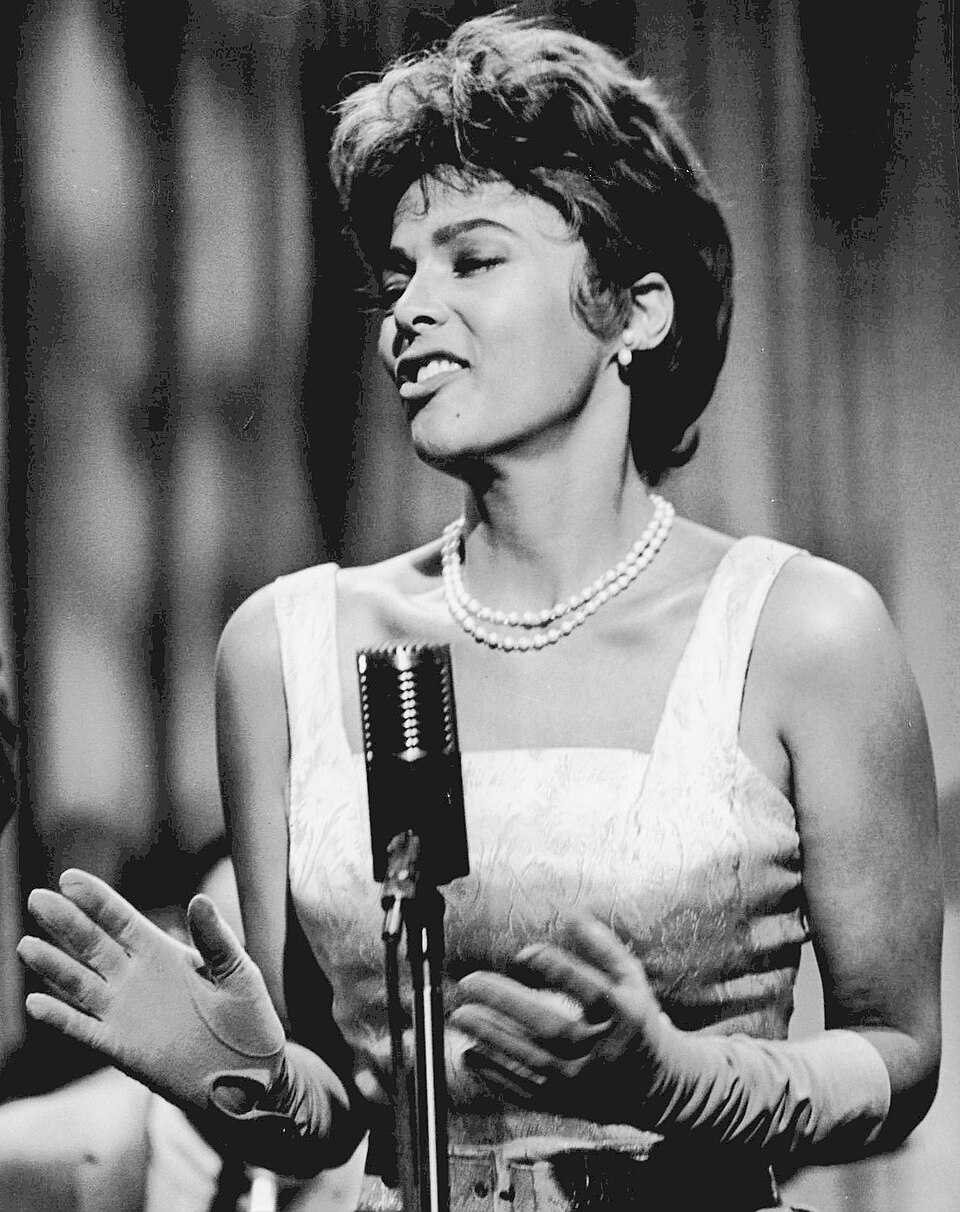
On stage, yes, it was wonderful. In Las Vegas, at the Frontier Hotel, I sang to packed houses, in my silk dresses, under the spotlights. People applauded, rich and poor, black and white together. But listen to what comes next, because it hurts. When I came off stage, I wasn't allowed to sleep in the hotel where I sang. I had to enter through the service entrance, as if I were invisible. Imagine: they adore you for an hour under the lights, and the rest of the time they treat you like a shadow. It was called racial segregation: separating people by the color of their skin.
They adored me for an hour under the lights, then treated me like a shadow.
—Is the pool story true? What happened?
Ah, you've heard about that! Yes, it's true, and it says a lot. In one of those hotels, I was forbidden to use the pool, just because of my skin. So one day, to show how absurd it was, I dipped only the tip of my finger in the water. One single finger, can you imagine! And the manager, furious, ordered the entire pool drained and disinfected. All that water, for one finger. I didn't shout, I didn't strike. My tiny gesture made their stupidity huge, visible to all. Sometimes, my child, resisting is just refusing to bow your head.
One single finger in the water was enough to make their stupidity visible to all.
—You played forbidden love stories — weren't you afraid?
A little, yes. But I thought cinema could show the truth. In 1957, I made Island in the Sun, a film where a Black woman and a white man loved each other. At the time, that alone was shocking. Several Southern states banned it from their theaters! Imagine a film hidden like a dangerous secret. I believed love has no color, and showing it on screen was already a courageous act. Each role like that was a small crack in a wall. And walls, you know, eventually fall if you crack them enough.
Each role was a small crack in a big wall.
—Why did you go to France to make a film?
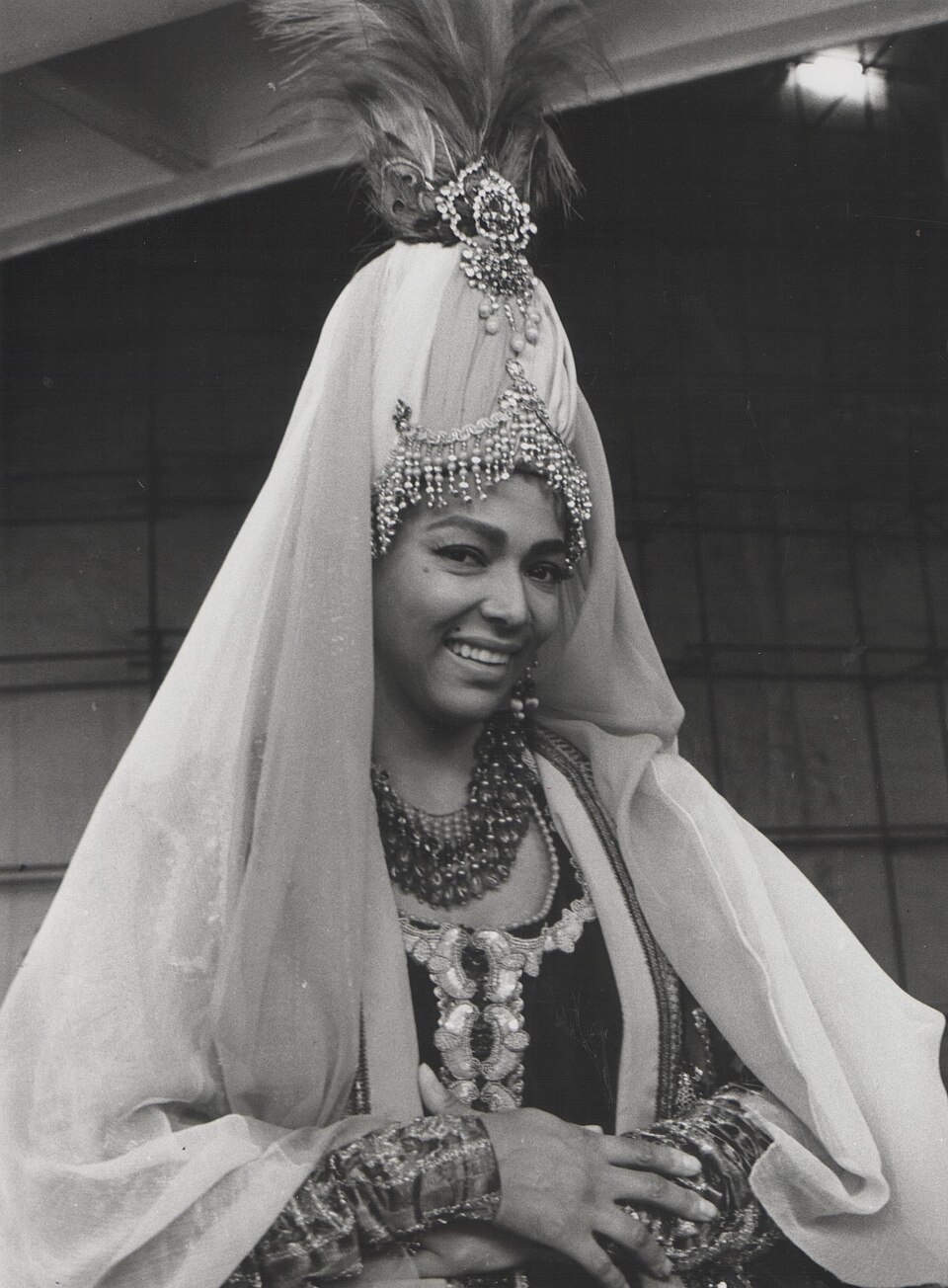
Because in France, I could breathe better, my child. In 1958, I made a film there called Tamango. I played a woman trapped on a slave ship who revolts against her masters. A strong, difficult role that Hollywood would never have given me. Far from America, I was seen as an artist, not just as a Black woman. Imagine what it's like to cross an ocean to finally be treated as an equal. It wasn't a vacation: it was a way to escape, for a time, the barriers that suffocated me at home. I found a bit of freedom there.
I crossed an ocean to finally be treated as an equal.
—Did you always have to dress well, even outside of work?
Always, my child, even to buy bread. A famous Black woman in that Hollywood couldn't afford a single misstep. I wore belted suits, wide-brimmed hats, everything had to be impeccable. Why? Because they were looking for any reason to criticize me. There was even this cruel practice: in film, they sometimes wanted to “lighten” the skin of Black actors with makeup, to please white audiences. I fought against that. Being impeccable wasn't about vanity, you see. It was armor. A shield to give no leverage to those who were waiting to trip me up.
Being impeccable wasn't about vanity: it was my armor.
—Did you live in a big villa like the other stars?
No, and that hurt me. I lived almost my entire life in rented apartments in Hollywood. Yet with my talent, I could have afforded a beautiful house. But at the time, there were hidden rules in sales contracts: they forbade selling certain houses to people of color. Imagine being told, “This neighborhood is not for you,” just because of your skin. At big star parties, I was often the only Black woman. They admired me from afar, but kept me at a distance. Rich and famous, and yet never quite at home.
Rich and famous, and yet never quite at home.
—You had a little girl — that must have made you happy.
My daughter Lynn, yes, born in 1951. I loved her more than anything. But life was very hard on her, my child. At birth, her brain was severely damaged, and she needed care all her life. So I did what a mother does: I gave. I gave a large part of all the money I earned on stage so she could be well cared for. Every silk dress, every song, a portion went to Lynn. It gradually weakened me, I became less wealthy. But you know, I never regretted it. A mother doesn't count when it comes to her child.
A mother doesn't count when it comes to her child.
—How did your life end? It makes me a little sad.
I understand, and it's kind of you to think of it. The end was bittersweet. In 1965, at only 42, I was nearly broke. I had given everything: to Lynn, to my craft, to my struggles. One day, while taking medication, there was an accident, and I left. The strangest part is that my death went almost unnoticed. The world was looking elsewhere, toward the great marches for Black rights. But don't be too sad. I had opened a door, you see. After me, other Black actresses came through that door. A short life can still leave a long path behind it.
A short life can leave a long path behind it.
—If people remember you today, what would you like them to remember?
What a beautiful question. I would like you to remember this: I was the first to go through certain doors, and I was proud of it. The first Black woman nominated for an Oscar for Best Actress, thanks to Carmen Jones. But above all, remember that I fought, even when it was unfair, even when I was alone. I sang in venues that barred me from their pools. I played loves they wanted to hide. If you remember me, remember that one courageous person can open a path for those who come after. And one day, maybe it will be your turn to open a door for someone else.
A courageous person opens a path for all those who come after.
This imaginary interview was generated by artificial intelligence from sources documented in Dorothy Dandridge's profile. It dramatises what the figure might have said based on what we know about them, but does not constitute attested historical testimony. For primary sources and factual documentation, refer to the full profile.