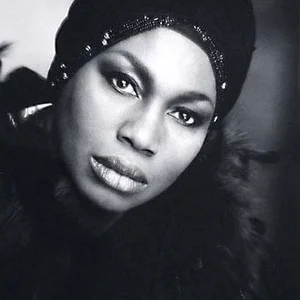

An African-American lyric soprano born in 1927, Leontyne Price was the first Black woman to achieve the rank of prima donna at the Metropolitan Opera in New York. Celebrated for her interpretations of Verdi, she embodied both artistic excellence and triumph over racial segregation.
Leontyne Price(1927 — ?)
Leontyne Price
États-Unis
9 min read
Frequently asked questions
Famous Quotes
« Music has been my religion.»
« I am a Black woman. There is no better feeling in the world.»
Key Facts
- 1927: born in Laurel, Mississippi, in the segregated South
- 1961: triumphant debut at the Metropolitan Opera in New York in Verdi's Il Trovatore
- 1966: inaugurates the new Met at Lincoln Center with Samuel Barber's Antony and Cleopatra (world premiere)
- 1964: receives the Presidential Medal of Freedom
- 19 Grammy Awards throughout her career, including a Grammy Lifetime Achievement Award in 1989
Works & Achievements
This historic evening, greeted by a standing ovation lasting more than 40 minutes, transformed Price into a operatic icon and a living symbol of American cultural desegregation. It remains one of the founding events in the history of the Metropolitan Opera.
Regarded as one of the definitive reference recordings in the Verdian repertoire, this album introduced Price to the international public at large. Her golden voice, technical mastery, and dramatic depth in this role remain unmatched.
This opera was composed especially for Leontyne Price, who created the role of Cleopatra at the inauguration of the new Metropolitan Opera House. It was the first American opera to open a new Met house.
This international tour, which took her across Europe and as far as the Soviet Union, marked her first major public success and opened the doors of the world's greatest opera stages to her.
One of the great Verdian roles of her career, which she performed on the world's leading stages and recorded on multiple occasions. Her portrayals of Amelia remain benchmarks for generations of sopranos to come.
This recital, given at Carnegie Hall before a standing-room audience, showcased the vast breadth of her repertoire and the enduring prestige of her voice as she approached her retirement from the stage.
Anecdotes
At her Metropolitan Opera debut in New York on January 27, 1961, singing the role of Leonora in Verdi's *Il Trovatore*, Leontyne Price received a standing ovation lasting more than 40 minutes — a record in the history of that legendary house. The entire audience, won over note by note, refused to let her leave the stage. That evening marked a historical turning point: a Black soprano had just claimed her place at the greatest operatic stage in the world.
A child of Laurel, Mississippi — a deeply segregationist town — Leontyne Price owed part of her musical education to the generosity of a wealthy white family, the Chisholms, who funded her first piano lessons and later supported her higher studies. This exceptional gesture, in a state where Jim Crow laws enforced total racial separation, proved decisive for her career. Price never forgot their help and publicly acknowledged them on several occasions.
In 1955, Leontyne Price played Floria Tosca in a live television broadcast on NBC — becoming the first Black woman to sing the lead role of an opera on a major American network. The broadcast provoked fierce reactions across the segregationist South, with some stations refusing to air it. Yet everywhere else, her voice captivated millions of American viewers discovering opera for the first time.
On September 16, 1966, Leontyne Price inaugurated the brand-new Metropolitan Opera House at Lincoln Center by creating the role of Cleopatra in *Antony and Cleopatra*, an opera composed expressly for her by Samuel Barber. It was the first American opera to open a new Met house — and a resounding confirmation that Price was recognized as the greatest living soprano.
On January 3, 1985, during her farewell performance at the Met in the role of Aida, Leontyne Price received an ovation of nearly 20 minutes. From the stage, visibly moved, she expressed her gratitude to the audience and to the institution that had celebrated her for 30 years. Her recordings of Verdi, released on RCA Red Seal, remain to this day absolute benchmarks in the history of operatic singing.
Primary Sources
Miss Price's singing was distinguished by a combination of vocal opulence and musical intelligence seldom heard in so young a soprano. The ovation she received was one of the longest in the memory of the house.
Leontyne Price, soprano of extraordinary gifts, has brought the art of opera to new heights and demonstrated that artistic excellence transcends the barriers of race and origin.
The world premiere of Antony and Cleopatra by Samuel Barber, starring Leontyne Price as Cleopatra. This historic evening inaugurates the Metropolitan Opera's new home at Lincoln Center.
I always knew I had a voice that could go anywhere. But I also knew that in Mississippi, being Black meant you had to be twice as prepared to have half the opportunity. That reality never left me, even on the stages of Vienna and Milan.
This is the most important evening of my entire career. I close this door with joy, with pride, and with infinite gratitude to this house that gave me the world.
Key Places
Leontyne Price's hometown, shaped by the racial segregation of Jim Crow laws. It was here that she grew up, discovered music, and benefited from the exceptional support of a local family who funded her first lessons.
Price studied here on a scholarship from 1948 to 1952, training under the finest American vocal pedagogy teachers. It was at Juilliard that she built the technical and musical foundations of her future international career.
The central stage of her entire career, where she made her historic debut in 1961 and bid farewell to audiences in 1985. For thirty years, the Met remained the theater of her greatest triumphs and the symbol of her victory over cultural segregation.
Leontyne Price made her European debut here in 1958, cementing her international reputation. Performing at this world temple of opera represented unequivocal recognition of her vocal genius beyond American borders.
Price performed here on several occasions, consolidating her standing on Europe's foremost stages. Vienna, the historic capital of operatic tradition, welcomed her with thunderous acclaim — a testament to the universal reach of her talent.
Typical Objects

Leontyne Price built her international reputation on Verdi's great heroines, and Aida became her signature role. She studied each score in depth, annotating her lines to faithfully render the composer's intentions.
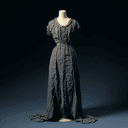
On the great opera stages, Price wore elaborate costumes — golden tunics and ceremonial jewels for Aida, sumptuous gowns for her tragic roles. These costumes were designed to magnify her stage presence while respecting the authenticity of each character.

Leontyne Price was one of the most recorded opera singers of her generation. Her records, released on RCA Red Seal, carried her voice around the world and stand as an absolutely definitive sonic legacy.

Presented by President Lyndon B. Johnson in 1964, this highest American civilian honor symbolized the official recognition of Price as an exceptional artist and an emblematic figure in the struggle for civil rights.
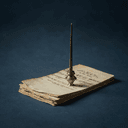
Like any professional soprano, Price devoted hours each morning to vocal warm-ups and technical exercises. These notebooks, annotated in her own hand, formed the daily foundation for maintaining an extraordinary voice.

The Met's photographic archives documented each of her landmark performances. These images, widely circulated in the American press, helped make Price both an artistic icon and a powerful symbol of progress in cultural desegregation.
School Curriculum
Vocabulary & Tags
Key Vocabulary
Tags
Daily Life
Morning
Leontyne Price began each day with rigorously structured vocal warm-ups, a daily exercise essential to maintaining a dramatic soprano voice. She ate a light breakfast and avoided foods that could irritate the vocal cords, following the advice of her laryngologists and voice teachers.
Afternoon
Afternoons were devoted to stage rehearsals with conductors and directors, or to learning new roles with her répétiteur. She worked on Italian, German, and French diction with methodical rigor, annotating her scores with precise musical and dramatic notes.
Evening
On performance nights, Price spent several hours in her dressing room preparing physically and mentally before taking the stage. After the performance — often greeted by lengthy ovations — she received friends, colleagues, and admirers, in keeping with the traditions of the international opera world.
Food
Price carefully watched her diet to protect her voice: she avoided dairy products and spicy dishes before performances, drank plenty of warm water, and abstained from alcohol during periods of intense work. In her moments of rest, she happily returned to the Southern American cooking of her childhood.
Clothing
On stage, Price wore sumptuous opera costumes — tunics and ceremonial jewels for Aida, court gowns for her Verdian heroines. In everyday life, she cultivated a sober, classic elegance befitting an internationally renowned artist who had never forgotten where she came from.
Housing
Leontyne Price lived primarily in New York, at the center of her professional life, while maintaining deep emotional ties with her native Mississippi. Her New York apartments reflected a taste for understated refinement: annotated scores, recordings, stage memorabilia, and works by Black American artists with whom she felt a close kinship.