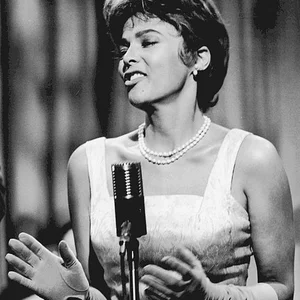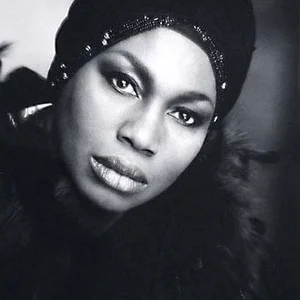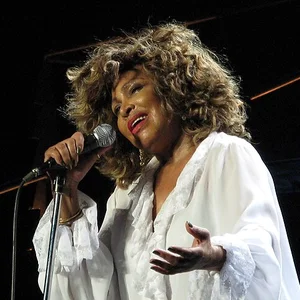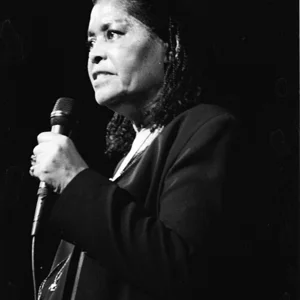

American jazz singer, songwriter, and actress, a major figure of artistic commitment to the civil rights movement. Her expressive voice and her lyrics make her an emblematic artist of 20th-century jazz.
Abbey Lincoln(1930 — 2010)
Abbey Lincoln
États-Unis
6 min read
Frequently asked questions
Key Facts
- Born on August 6, 1930, in Chicago; died on August 14, 2010, in New York
- Took part in 1960 in the landmark album “We Insist! Max Roach's Freedom Now Suite” denouncing segregation
- Married to drummer Max Roach from 1962 to 1970, a period of intense activism
- Film actress, notably in “Nothing But a Man” (1964) and “For Love of Ivy” (1968)
- Career revival in the 1990s with Verve, recognized as a great writer of her own songs
Works & Achievements
Politically engaged jazz suite recorded with Max Roach that became a musical symbol of the civil rights struggle.
Album marking her move to a personal, assertive repertoire, surrounded by great jazzmen such as Coleman Hawkins and Eric Dolphy.
Independent drama about the lives of African Americans in the South; her performance was widely praised.
Romantic comedy in which she shares top billing with Sidney Poitier, a rare leading role for a Black actress at the time.
Comeback album on Verve that revived her career and fully revealed her talent as a songwriter.
Acclaimed album featuring one of saxophonist Stan Getz's final appearances.
Abbey Lincoln's signature composition, a hymn to generosity and letting go that has often been covered since.
Anecdotes
Born Anna Marie Wooldridge in 1930, the singer used several stage names — including “Gaby Lee” — before adopting that of Abbey Lincoln. The name combines Westminster Abbey and President Abraham Lincoln, who proclaimed the abolition of slavery in the United States.
Early in her career, she was presented as a glamorous star: in the film “The Girl Can't Help It” (1956), she wore the figure-hugging dress that Marilyn Monroe had worn in “Gentlemen Prefer Blondes.” Influenced by the civil rights movement and by drummer Max Roach, she later abandoned this image to sing politically engaged songs.
On the album “We Insist! Freedom Now Suite” (1960), in the track “Triptych,” Abbey Lincoln lets out heart-rending screams, without a single word. This deeply moving performance expressed the anger and suffering of African Americans and startled audiences accustomed to a more polished kind of jazz.
During travels in Africa in the 1970s, notably in Guinea and Zaire, she was given two African names, Aminata and Moseka. She adopted them with pride to affirm her attachment to her African roots.
After years away from the spotlight, she returned to success by signing with Verve in 1990. Having become a grande dame of jazz, she then performed mostly her own compositions, praised by critics around the world.
Primary Sources
In the movement “Triptych: Prayer / Protest / Peace,” Abbey Lincoln moves alone, without an orchestra, from a whispered prayer to cries of revolt and then to calm — a musical cry for the freedom of African Americans.
Keep your hand wide open, let the sun shine through; 'cause you can never lose a thing if it belongs to you.
An album on which she sings personal, deeply committed lyrics, backed by Coleman Hawkins, Eric Dolphy, Booker Little and Max Roach — a manifesto of her bold new style.
Key Places
Abbey Lincoln's birthplace, where she was born in 1930 into a large African-American family.
Rural area of Michigan where she grew up and began singing, notably at church and school.
The setting of her glamorous beginnings: cabarets, her first records, and an appearance in the film “The Girl Can't Help It.”
The center of her artistic life: recordings, jazz clubs, and political activism. She died here in 2010.
A stop on her African travels in the 1970s, where she drew part of her identity and her African names.
Typical Objects

An essential tool for the singer, it let her modulate from a whisper to a cry to carry the emotion of her lyrics. Her expressive voice made it a true instrument.

A symbol of her glamorous early days, like the dress once worn by Marilyn Monroe. She eventually rejected it to embrace a more authentic and committed image.

This 1960 jazz record is the work that sealed her commitment to civil rights. It remains an emblematic object of activist jazz.

After her travels in Africa, she adopted African-inspired clothing to affirm her roots. It expressed her devotion to Pan-Africanism.

She was among the first artists to wear her hair naturally, without straightening it. This choice became a symbol of Black pride.

A singer-songwriter, she wrote her own lyrics and melodies, especially in the second half of her career. Her words spoke of freedom, love, and dignity.
School Curriculum
Vocabulary & Tags
Key Vocabulary
Tags
Daily Life
Morning
Like many jazz musicians who played late into the night, she often got up in the middle of the morning. Coffee, reading, and vocal warm-ups set the rhythm of this quiet start to the day.
Afternoon
The afternoon was for rehearsals, songwriting, and meetings with her musicians. Politically committed, she also took part in gatherings and events tied to the civil rights movement.
Evening
The evening was the heart of her profession: concerts in New York's jazz clubs and studio recording sessions, often running late into the night.
Food
She shared the diet of African American families of her time, shaped by Southern cooking (soul food). Meals were simple and convivial, and often eaten late because of her stage schedule.
Clothing
Her wardrobe tells the story of her evolution: from the glamorous stage gowns of her early days to the African-inspired outfits and natural hairstyle of her maturity, a sign of her activism.
Housing
She lived mainly in New York apartments, at the heart of the city's musical life. During her marriage to Max Roach, their home was also a place for artistic and activist discussions.