Kids interview Dorothy Day
by Charactorium · Dorothy Day (1897 — 1980) · Society · Spirituality · 5 min read
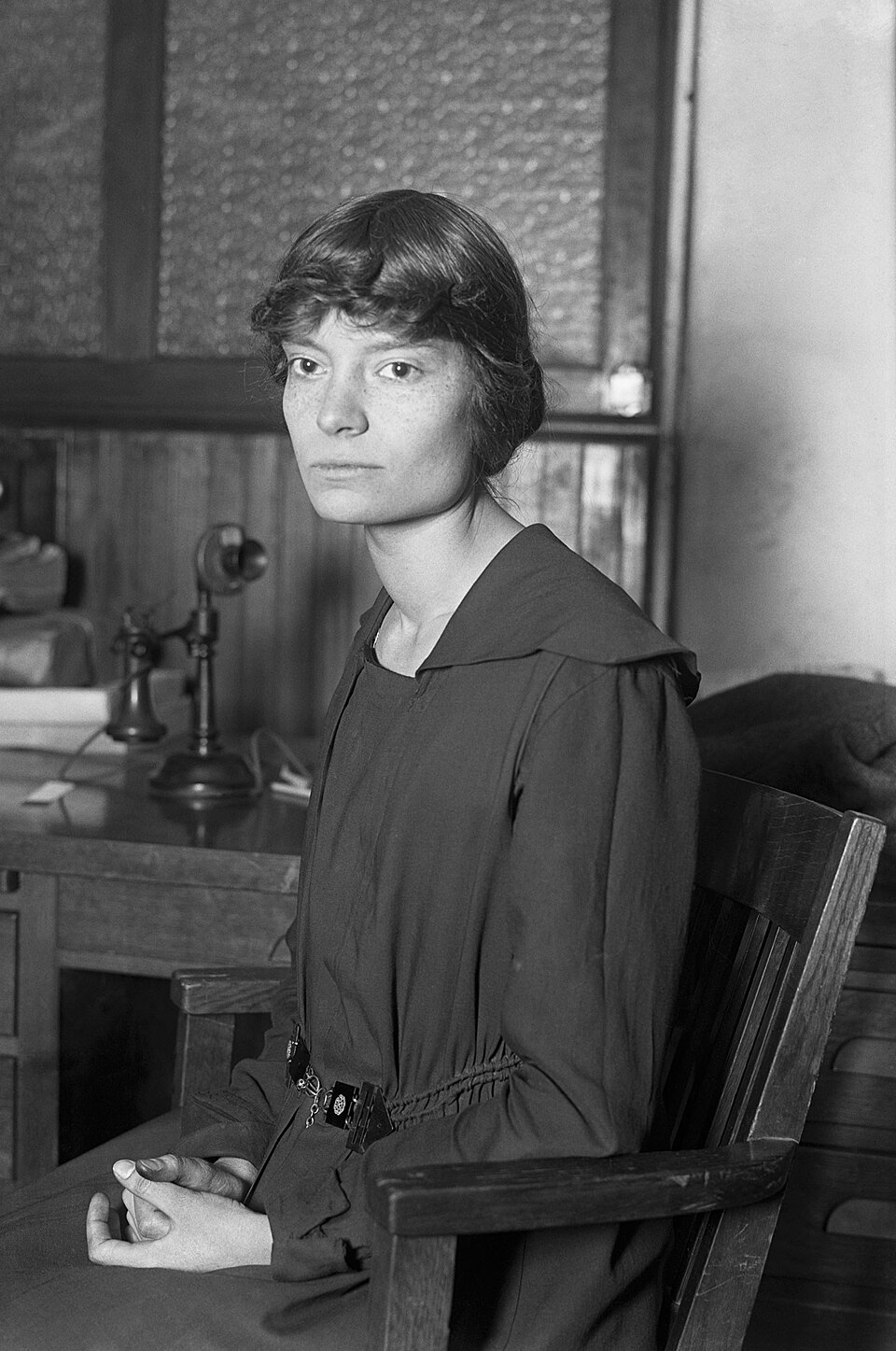
That morning, two young visitors aged twelve pushed open the door of a house of hospitality in the Lower East Side. An old lady in a simple dress welcomed them, a rosary in her pocket. Her name was Dorothy Day, and she had all morning to answer their questions.
—What did you do when you were young, before becoming a believer?
You know, my child, I was a young woman in Greenwich Village, in New York. I wrote for newspapers, spent my evenings in cafés with artists and poets. One evening, a playwright I knew recited from memory a long poem, The Hound of Heaven. It's a poem where God pursues a soul like a faithful dog, gently, never abandoning it. Those words never left me. Imagine a little voice that follows you everywhere, even when you don't want to hear it. At the time, I didn't believe. But something was growing inside me, without my knowing it yet.
A little voice followed me everywhere, even when I didn't want to hear it.
—Did your baby make you change your life?
Yes, exactly. In 1926, my daughter Tamar was born. You can't imagine the joy I felt. It was so great, so bright, that I wanted to thank someone — and that someone, for me, was God. So I had my baby baptized, and then, the following year, in 1927, I was baptized myself. But this happiness came at a price: Tamar's father wanted nothing to do with religion. We separated. I told this whole journey in a book written for my brother, From Union Square to Rome. It's hard, sometimes, to choose what you believe is right.
My joy was so great that I wanted to thank someone — and it was God.
—What was that newspaper sold for a penny?
Ah, my newspaper! On May 1, 1933, in the midst of the Great Depression — you know, that time when so many people had no work or bread — I sold the first issue of The Catholic Worker on Union Square, in New York. A penny a copy. The smallest price possible, so that even the poorest could buy it. And guess what? That price never changed, never! In that very first issue, I wrote for those who, sitting on park benches in the cold, believed society had forgotten them. I wanted to tell them one simple thing: you are not forgotten.
A penny a copy, so that even the poorest could buy it.
—How did you write all your articles?
On my typewriter, my child. Imagine a little machine with keys that strike the paper, click, click, click — no silence, ever! I wrote my articles, my editorials, and especially my favorite column, On Pilgrimage. There I mixed everything: my prayers, the faces of people I met, the soup of the day, my travels. It was my life told day by day. A journalist, you know, is someone who looks at the world and tells it to others. I often typed late at night, surrounded by the noise of the house, the poor sleeping nearby.
A journalist looks at the world and tells it to others.
—How old were you the first time you were put in prison?
I was just twenty years old, in 1917. I was young and angry, my child! I was picketing in front of the White House for women's right to vote. I was arrested, then locked up in Occoquan prison, in Virginia. There, with other women, I went on a hunger strike: we refused to eat to demand being treated as political prisoners, not criminals. Imagine being hungry on purpose, day after day, to be heard. It was frightening. But I learned one thing: when an injustice outrages you, your body itself can become your voice.
When an injustice outrages you, your body itself can become your voice.
—And the last time you were arrested, were you old?
Yes! In 1973, I was seventy-five years old. An old lady, you see. I had gone to California to support the farmworkers of César Chávez, those men and women who picked fruit for almost nothing and were on strike. I sat down with them, on the ground, and the police arrested me, surrounded by officers. There is a famous photo of that moment. From twenty to seventy-five, I was arrested again and again. Always for the same reason: to refuse, without ever raising a hand against anyone. It's called civil disobedience — saying no to an unjust law, but without violence.
From twenty to seventy-five, always for the same reason: to refuse without violence.
—What was a day like in your house of hospitality?
The morning began with Mass and prayer, my child — that was my foundation. Then it was time for the big soup pot! We served a hot soup every day to the poorest, the homeless, to those who had nowhere to go. That's what a house of hospitality is: a place where you give a bed, a meal, and a little dignity, for free. In the afternoon, I wrote, I received visitors — sometimes great intellectuals, sometimes people from the street, sitting at the same table. In the evening, I read the Gospel or Dostoevsky. A busy day, you see, but always shared.
A house of hospitality: a bed, a meal, and a little dignity, for free.
—What did you eat, and where did you really live?
I ate the same thing as the poor I welcomed: soup, bread, simple stews. Nothing more. And I lived in the houses of hospitality themselves, in the cramped little rooms of the Lower East Side, in the midst of the destitute. I never had a home of my own, or precious objects. My clothes came from donations to the movement — a worn coat, a scarf, a plain dress. This is called voluntary poverty: choosing to be poor, on purpose, to stay close to those who suffer. Imagine: nothing of your own, but a big family around you.
Nothing of my own, but a big family around me.
—Why were you against war, even when everyone was for it?
That, my child, was the hardest. When World War II broke out, in 1939, almost everyone around me supported the fight. I said no to war, no to all violence. This is called pacifism. Many turned their backs on me; they thought I was betraying my country. But I believed in the works of mercy: feed, clothe, shelter — not kill. You know, holding firm when everyone tells you you're wrong is terribly lonely. Much later, in 1963, the Pope wrote a letter for peace, Pacem in Terris. I wept: finally, I was heard.
Feed, clothe, shelter — never kill.
—How did you think one can change the world?
Not with weapons, nor even only with laws, my child. I always believed in what I called the 'revolution of the heart.' That means: real change begins inside each of us, in our way of loving and sharing. If you wait for others to change first, nothing ever moves. But if you give your soup, your time, your attention, then the world changes a tiny bit, right there, around you. I told all this in my book Loaves and Fishes. A gentle revolution, but one that never stops.
Real change begins in our way of loving and sharing.
—If someone met you today, what would they notice first about you?
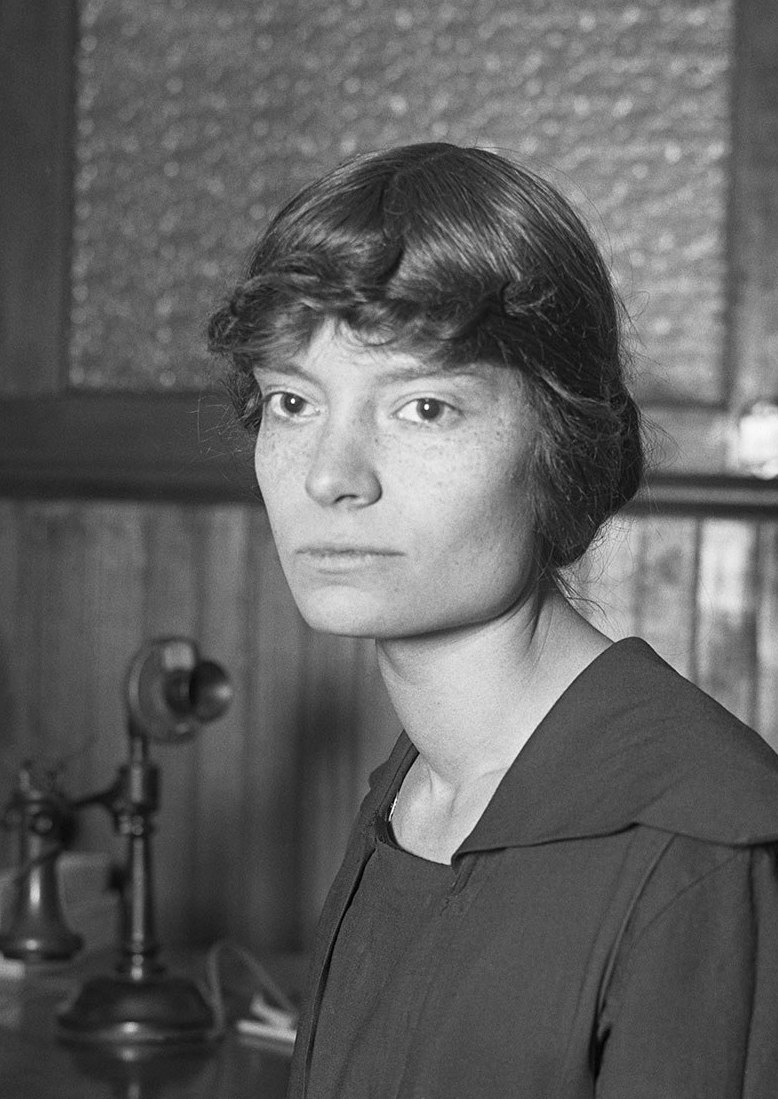
Perhaps my hands, my child — hands worn from serving so much soup and typing so many articles. And surely my rosary, that little string of beads I tell for prayer, even in the street, even in prison. I am not a saint, you know, even if the Church speaks of me today. I am just a woman who tried, every day, to love a little better. If you remember one thing from our meeting, keep this: each of us, even the smallest, can reach out to the one who is hungry. You don't have to be great to begin.
You don't have to be great to reach out to the one who is hungry.
This imaginary interview was generated by artificial intelligence from sources documented in Dorothy Day's profile. It dramatises what the figure might have said based on what we know about them, but does not constitute attested historical testimony. For primary sources and factual documentation, refer to the full profile.