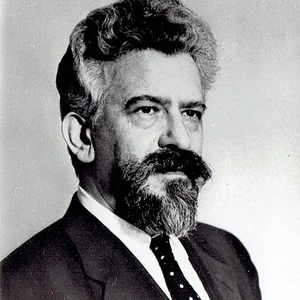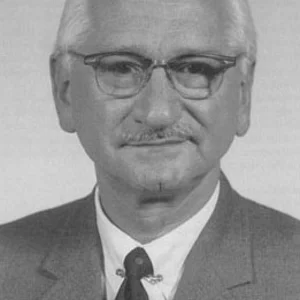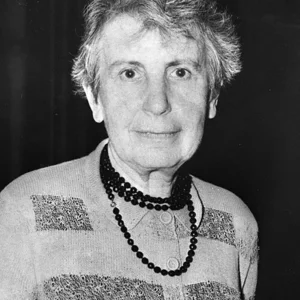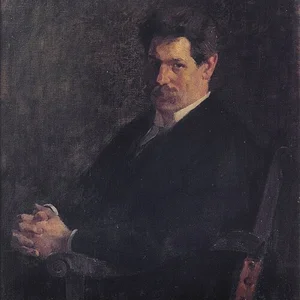

An Alsatian theologian, philosopher, musicologist, and physician, he founded a hospital at Lambaréné in Gabon, where he devoted his life to caring for African populations. A thinker of “reverence for life,” he received the Nobel Peace Prize in 1952.
Albert Schweitzer
Ludwig Philipp Albert Schweitzer
5 min read
Frequently asked questions
Famous Quotes
« Reverence for life is the foundation of true morality.»
« Example is not the main thing in influencing others; it is the only thing.»
Key Facts
- Born in 1875 in Kaysersberg (Alsace), then part of Germany
- Published “Johann Sebastian Bach, the Musician-Poet” in 1905, a reference work on the organ and Bach
- Founded the Lambaréné hospital in Gabon in 1913
- Developed the philosophy of “reverence for life” (Ehrfurcht vor dem Leben)
- Received the Nobel Peace Prize in 1952; died at Lambaréné in 1965
Works & Achievements
A major study that renewed the interpretation of Bach by connecting his music to its religious texts.
A work of biblical exegesis that left a lasting mark on twentieth-century Protestant theology.
A bush hospital in Gabon that became the symbol of his humanitarian commitment, still active today.
A work setting out the ethic of “reverence for life,” the central principle of his thought.
An autobiography in which he recounts his choices and lays out his vision of the world.
A radio appeal against nuclear testing, extending his commitment to peace.
An honor crowning his humanitarian work and his ethic of reverence for life.
Anecdotes
At 21, Albert Schweitzer made a decision that would guide his entire life: he would devote himself to science, theology, and music until the age of 30, then dedicate himself to the direct service of others. True to his promise, he began studying medicine after turning 30, when he was already a respected professor and organist.
Schweitzer was a magnificent interpreter of Johann Sebastian Bach. He partly funded his African hospital through organ concerts given in Europe and through his book on Bach, turning his musical talent into a means of healing the sick.
In 1915, during a canoe journey on the Ogooué River in Gabon, the phrase “reverence for life” came to him like a revelation. This idea — that all life deserves to be respected — would become the heart of his philosophy.
During the First World War, Schweitzer, an Alsatian who had become a German citizen after the 1871 annexation, was interned as an “enemy subject” by the French authorities, even as he was treating the people of Gabon, a French colony, free of charge.
When he received the Nobel Peace Prize, Schweitzer did not use the money for himself: he invested it in expanding his hospital at Lambaréné and building a village for leprosy patients.
Primary Sources
Ethics is nothing other than reverence for life. Reverence for life affords me my fundamental principle of morality: good consists in maintaining, assisting and enhancing life.
I had resolved to make my life my argument. All who have been granted a happy lot must give back something of their own life to others.
The spirit is not dead; it lives on in secret. It has the strength of this simple truth: that cruelty is not the supreme law, and that people can live together in peace.
Bach's music is a poetic and pictorial sermon: he paints the images of the texts he sets to music with striking fidelity.
Key Places
Small wine-growing town in Upper Alsace where Albert Schweitzer was born in 1875.
Village in the Munster valley where he grew up in the presbytery of his pastor father; he returned there regularly.
Where he studied and taught theology and philosophy, and later pursued his medical studies.
Town on the banks of the Ogooué where he founded his hospital in 1913 and devoted his life to the sick; he died there in 1965.
Capital where he received the Nobel Peace Prize and delivered his address “The Problem of Peace” in 1954.
Typical Objects

An instrument that Schweitzer mastered as a virtuoso and championed as an expert in organ building. His concerts partly funded his hospital.

The tools of the bush doctor, with which he treated hundreds of patients every day at Lambaréné.

An essential remedy against malaria, the scourge of equatorial Africa, which Schweitzer administered widely to his patients.

A white canvas hat characteristic of Europeans in the tropics, which became a familiar image of the doctor of Lambaréné.

Collections of chorales and cantatas that he studied, performed and edited, basing his interpretation on the connection between text and music.

The tools of the prolific writer he was, composing theology, philosophy and autobiography by lamplight.
School Curriculum
Vocabulary & Tags
Key Vocabulary
Tags
Daily Life
Morning
At Lambaréné, Schweitzer rises early and begins with medical consultations: examining the sick, distributing remedies, and organizing the staff's work. The equatorial heat sets a brisk pace from the very first hours.
Afternoon
The afternoon is divided between surgical operations, follow-up care for patients, and overseeing the construction of the hospital village. A doctor, he is also the architect and foreman of his own hospital.
Evening
In the evening, after a communal dinner, he devotes himself to writing his books on theology and philosophy, or settles at his pedal piano to play Bach by lamplight.
Food
The food is simple and frugal: rice, vegetables, tropical fruits, and local produce. Schweitzer, committed to a sober way of life, eats little and shares his meals with his collaborators.
Clothing
He most often wears a white shirt, a bow tie, and the light canvas pith helmet, the typical attire of Europeans in the tropics in the early 20th century.
Housing
He lives in a modest wooden hut within the Lambaréné hospital complex, among the stilt buildings lining the Ogooué River, without luxury or modern comforts.
Historical Timeline
Period Vocabulary
Liens externes & ressources
Références
Œuvres
Jean-Sébastien Bach, le musicien-poète
1905
La Quête du Jésus historique
1906
Fondation de l'hôpital de Lambaréné
1913
La Philosophie de la civilisation
1923
Ma vie et ma pensée
1931
Déclaration de conscience
1957
Prix Nobel de la paix
1952