Imaginary interview with Ryunosuke Akutagawa
by Charactorium · Ryunosuke Akutagawa (1892 — 1927) · Literature · 6 min read
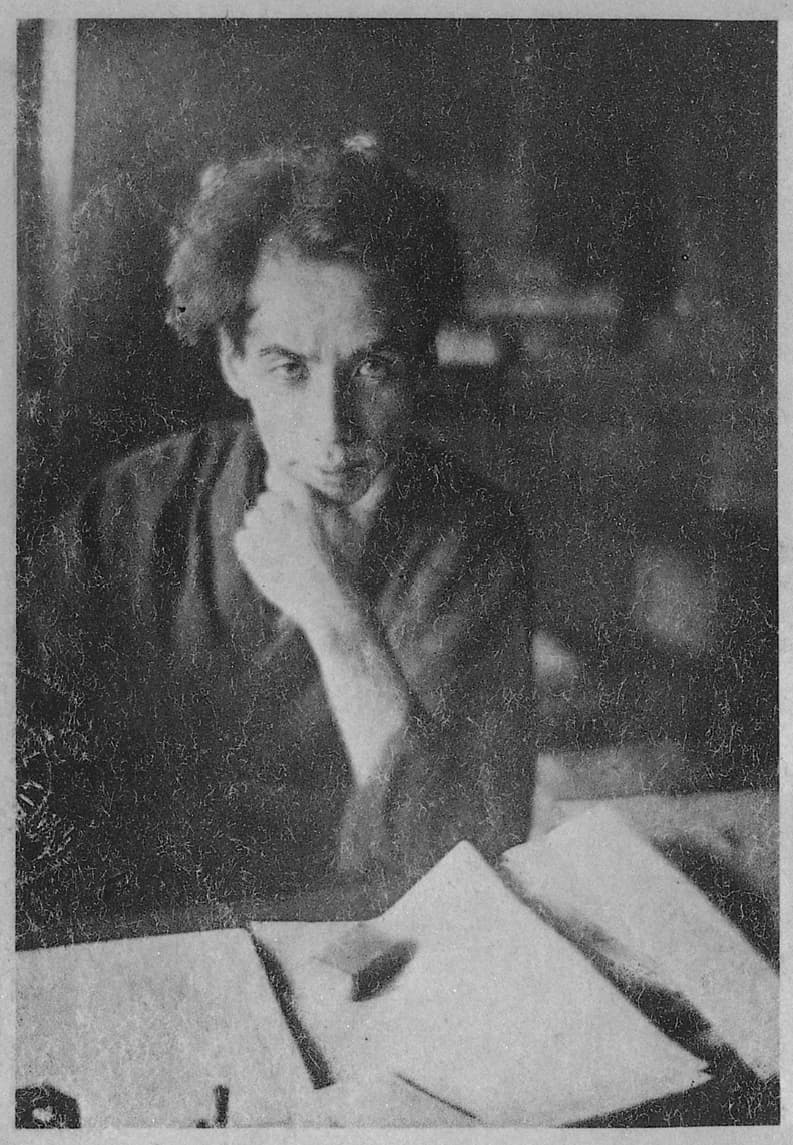
Tabata, an autumn evening. In a Tokyo study where books rise up to the paper walls, a thin man with small round glasses receives us in a kimono, a cup of tea cooling within reach. Ryūnosuke Akutagawa speaks softly, with the precision of a man who counts his words like the squares on a sheet of grid paper.
—How does a twenty-four-year-old student become, almost overnight, a writer taken seriously?
It all came down to an envelope. I had published The Nose, the story of a monk made sick with shame by his ridiculous appendage, in a small student magazine, Shinshichō. I had no illusions: you first write for a few friends. And then Natsume Sōseki, the man the whole country read, sent me a letter. He encouraged me to continue on this path, with a warmth I hadn't expected. I reread that slip of paper I don't know how many times. A beginner lives in constant doubt of being nothing but an impostor; sometimes it only takes a respected master's hand on your shoulder, even in writing, for that doubt to recede a step. That day, I didn't stop being afraid — but I stopped wondering if I had the right to write.
It only takes a master's hand on your shoulder, even in writing, for doubt to recede a step.
—Why go looking for your stories in a collection of eight-hundred-year-old tales?
Because the old tales of the Konjaku Monogatari have already done the sorting: only the bone remains, the naked act, the gesture of a cornered man. Take Rashōmon — a servant under a ruined gate, the rain, a corpse, and that very simple question: does one steal to survive, or survive to keep stealing? The 12th-century storyteller tells; I settle inside the man's skull, at the precise moment he tips over. I don't rejuvenate old stories, I split them open like splitting a log to see the grain of the wood. The setting is medieval, but the fear of hunger and the ease with which we justify ourselves — those have no era.
I don't rejuvenate old stories, I split them open like splitting a log to see the grain of the wood.
—In In a Grove, each witness to the same murder contradicts himself. What were you trying to demonstrate?
Nothing to demonstrate — rather to make one feel a vertigo. A man is dead in a grove; the woodcutter who found the body, the bandit, the woman, even the dead man made to speak through a medium: each tells a different scene, and each tells the truth. Not because they lie, but because each one saves his own face at all costs. I understood very early that we never tell what happened, but what we needed to have lived. Where the old story gave a culprit, I left only a black hole in the middle of the voices. Some readers resent me for not deciding. But deciding would have been lying in turn.
We never tell what happened, but what we needed to have lived.
—Your story Hell Screen shows a painter who sacrifices everything, even his own, for his work. How far would you go for a masterpiece?
My painter, in Jigokuhen, can only depict hell after having seen it with his own eyes burn a real woman. It's monstrous, and yet I understand this fanaticism better than I'd like. People around me repeat the phrase geijutsu shijō shugi, art for art's sake, as if it were elegance. But pushed to the end, it is a furnace: the artist ends up looking at life, even his own, as mere material to paint. Facing my grid paper, bent over a single sentence for entire afternoons, I sometimes feel this coldness coming. I would sacrifice no one — but I know that something in me would want to, and it is precisely that which the story confesses for me.
Art for art's sake, pushed to the end, is a furnace where you look even at your own life as material to paint.
—You are described as bent over a single line for hours. How do you really work?
Slowly, and with a permanent bad conscience. Mornings are no good to me: I sleep poorly, I get up without enthusiasm, I read my mail among my books. It's in the afternoon that I sit down for real, in Tabata, before the sheets of genkō yōshi where each character must fit in its square. I still like to prepare my ink the old way, rub the stick on the damp stone before tracing a draft with the brush; this patient gesture forces me to think before writing. A good sentence sometimes costs me a whole day, and I cross it out the next day. People imagine the inspired writer; I am above all a suspicious craftsman, who counts his words as others count their money.
People imagine the inspired writer; I am above all a suspicious craftsman who counts his words as others count their money.
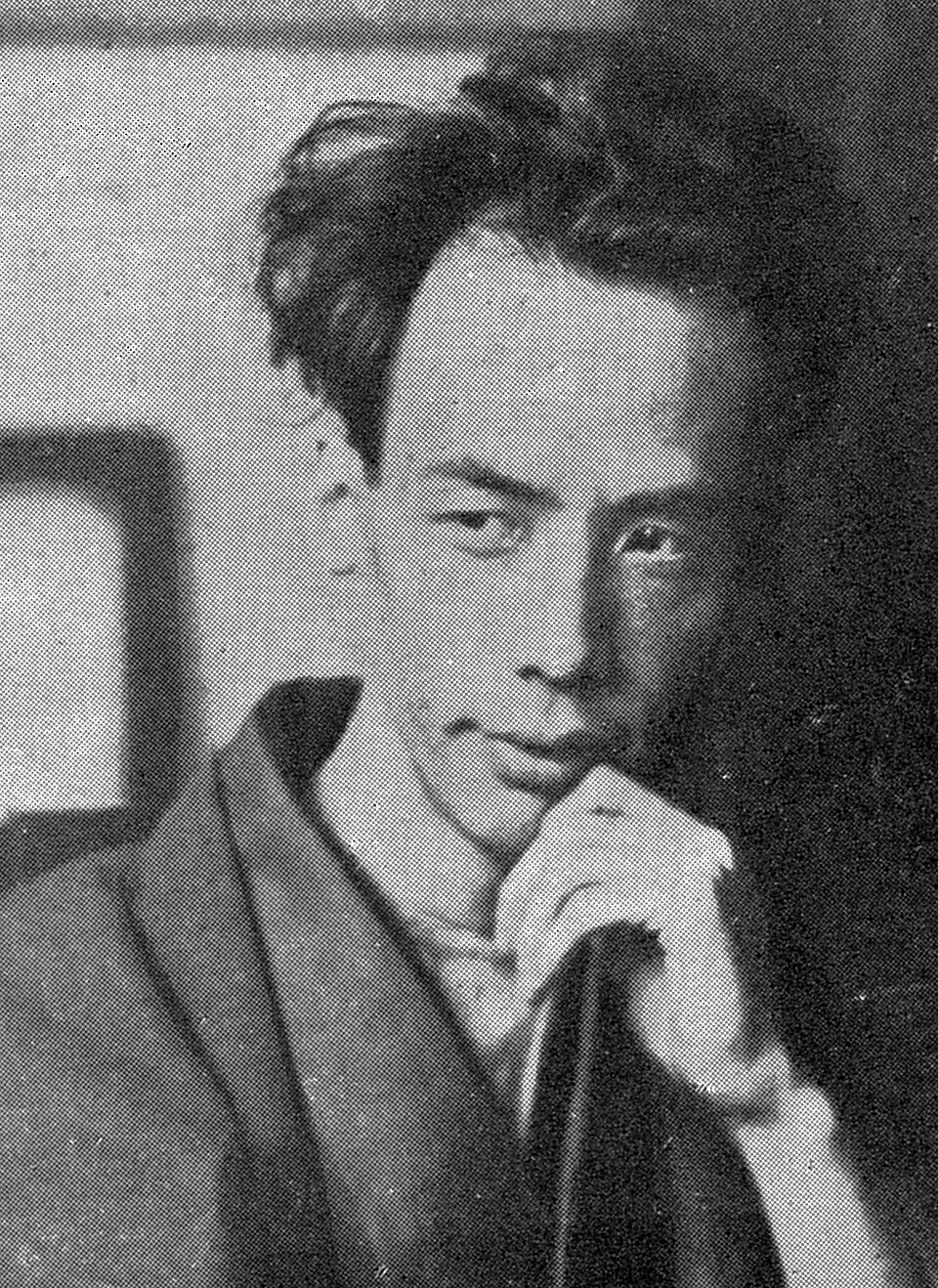
—You wear a kimono at home and a suit in town. Does this divide reflect you?
It sums me up better than any portrait. At home, on the tatami mats, I am a man of old Japan, surrounded by tales and inkstones. As soon as I step out the door to teach at Yokosuka or dine in town, I put on the Western suit, the English books I studied at university. The entire Taishō era is thus cut in two: the train and the telegraph on one side, the temples on the other. Many praise this modernity as a shadowless progress. I experience it as an ill-fitting garment that pulls at my shoulders. I am neither entirely of the old world nor comfortable in the new — a man of thresholds, who truly inhabits neither room.
I am neither entirely of the old world nor comfortable in the new — a man of thresholds.
—What is a people of aquatic folklore creatures doing in a satire as recent as Kappa?
The kappa is an old river trickster, half-frog half-monkey, that children fear. I like to draw him in my margins, and I think I resemble him a little: crooked, ill at ease on the dry land of men. By sending a traveler to the kappa, I was able to turn our society inside out like a glove — their way of being born, of working, of making fun of religion is simply ours seen in a distorting mirror. You laugh, then you stop laughing. That is the privilege of the imaginary creature: it can say about our institutions what a man of the Taishō era would only whisper, for fear of trouble with the Peace Preservation Law.
The imaginary creature can say about our institutions what a man dares only murmur in a low voice.
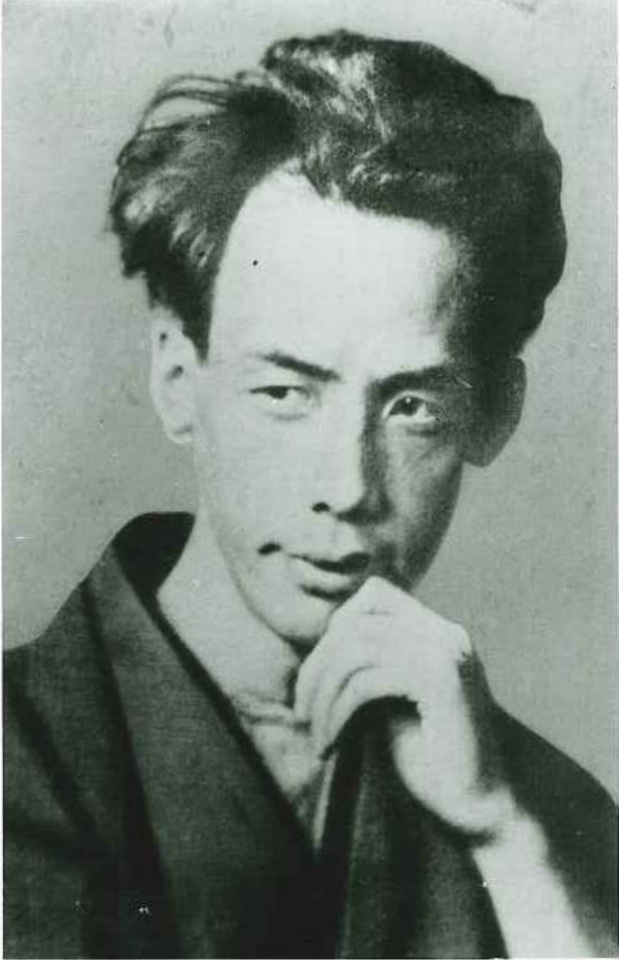
—You were born in the year, month, and day of the Dragon. Does this family legend weigh on you?
I was named Ryūnosuke, which contains the character for dragon, because I was said to have come into the world in 1892 at the very hour of that animal. A pretty story, from which I long drew a secret childhood pride. But I learned very quickly that another legend, darker, ran beneath it: a few months after my birth, my mother sank into madness, and I was entrusted to the Akutagawa, whose name I bear. Since then, the question has never left me — did I inherit, with this name, that crack? The dragon of the almanacs and maternal madness lie in the same cradle. You do not escape what you were told about your first day.
The dragon of the almanacs and maternal madness lie in the same cradle.
—Your last texts seem to turn the gaze inward on yourself. What changed?
Unease ceased to be a theme and became my climate. After my exhausting trip to China, in 1921, my health and my confidence crumbled together; insomnia delivered me to sleeping pills, to Veronal found in every pharmacy. I then wrote A Fool's Life, an existence — mine — in shards of glass, no longer protecting myself behind a medieval servant or a hell painter. When asked to name what I feel, I find nothing more accurate than a vague unease about my future. It is not a loud despair, rather a fog that does not lift. The teller of ancient tales has withdrawn; only the man remains, and the fog.
It is not a loud despair, rather a fog that does not lift.
—If you could imagine being read a century from now, what would you like to remain of you?
That is a game of vanity I am ill-suited for, I who already doubt being read next season. But since you invite me: I would like an honest unease to remain, not a moral. That one might reopen Rashōmon or In a Grove not to find a lesson, but to feel that vertigo before truth that slips away. In The Words of a Dwarf, I noted that one must despise conventions while living as if one did not despise them — that is about all my wisdom, and it does not weigh much. If a distant reader closed my book a little less sure of his certainties, and a little more indulgent toward cornered men, that would be enough for me.
I would like an honest unease to remain of me, not a moral.
This imaginary interview was generated by artificial intelligence from sources documented in Ryunosuke Akutagawa's profile. It dramatises what the figure might have said based on what we know about them, but does not constitute attested historical testimony. For primary sources and factual documentation, refer to the full profile.