The Judean Se'udah and the Aegean Deipnon
In the time when John received his vision on Patmos, two meal structures intersected around the Aegean Sea and Judea. The Judean meal (se'udah) opens with the blessing of bread (ha-motzi), which establishes everything: one breaks barley or wheat bread, then adds a 'liftan', a side dish taken with the bread (olives, legumes, salted fish, herbs), before closing with sweets — dried fruits, dates, figs, honey. Wine punctuates and sanctifies. On the Greek side, on Patmos and at Ephesus, the 'deipnon' (the main shared dish) precedes the 'symposion' (the time of wine cut with water and perfumed). There is no notion of starter/main/dessert: one eats by mouthfuls joined to bread, from savory to sweet, with wine binding it all together.
Signature : Wild Honey (Devash)
Honey is the secret flavor of the Apocalypse: when the angel hands the little scroll to John, he eats it and it is 'sweet as honey in the mouth, but bitter in the belly' (Rev 10:9-10). Harvested from the rocks of Judea and the islands, wild honey marks both the sweetness of the word and the bitterness of judgment — it binds these recipes from sweet to savory, from roasted locust to perfumed wine.
Abaddon at the table
5 period recipes
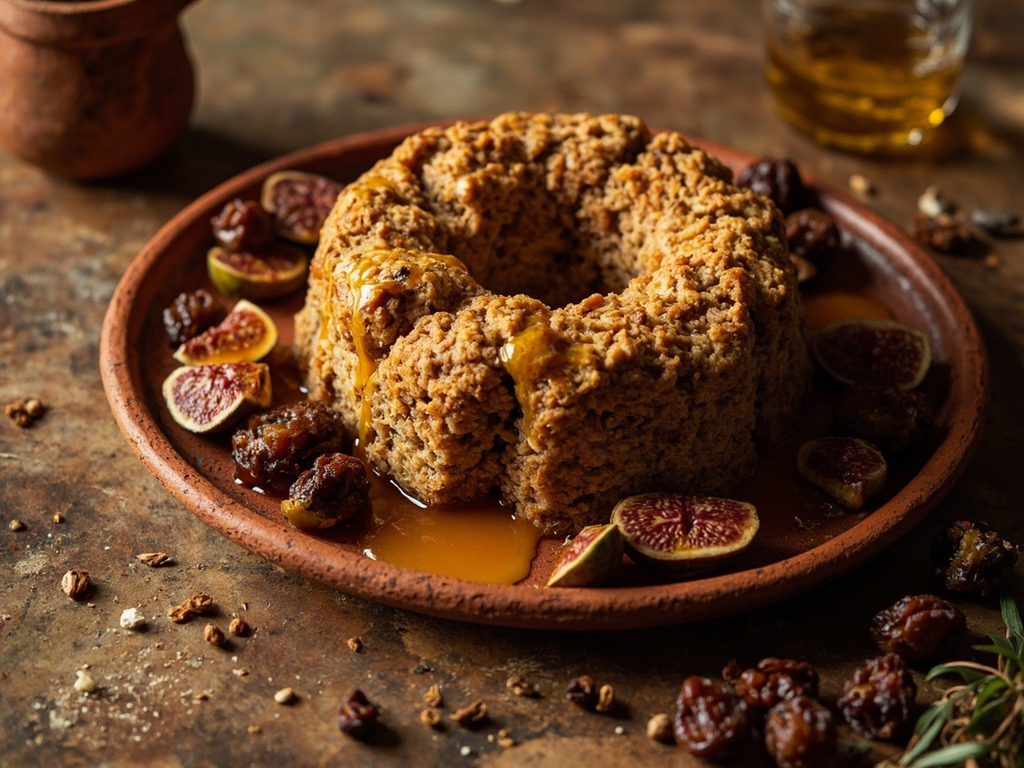 Offering
Barley and Honey Cake, Sweet as the Scroll
Sweet conclusion of the se'udah (the 'matok', which closes the meal with sweetness)
🍯· 45 min
View the recipe
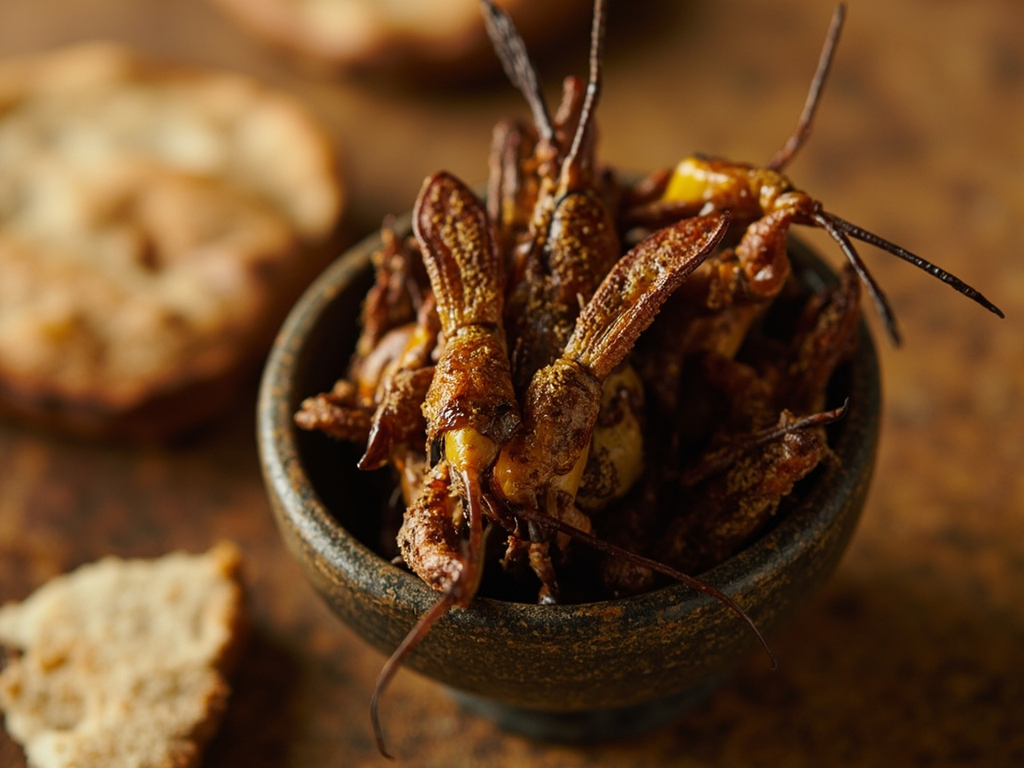 Travel
Roasted Locusts with Wild Honey and Cumin
Travel liftan — the dried side dish carried and eaten with bread on the road
🧂 🍯· 15 min
View the recipe
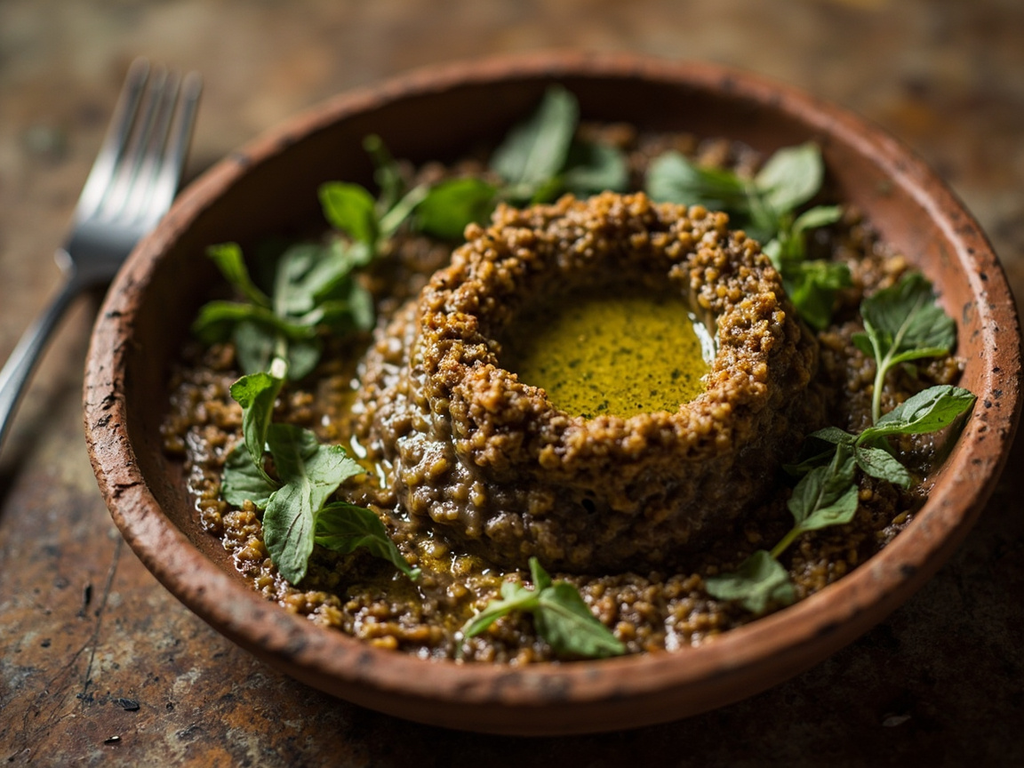 Everyday
Lentil and Herb Purée of the Pure Ones
Daily liftan — the legume dish eaten with bread at the common table
🧂 🍄· 50 min
View the recipe
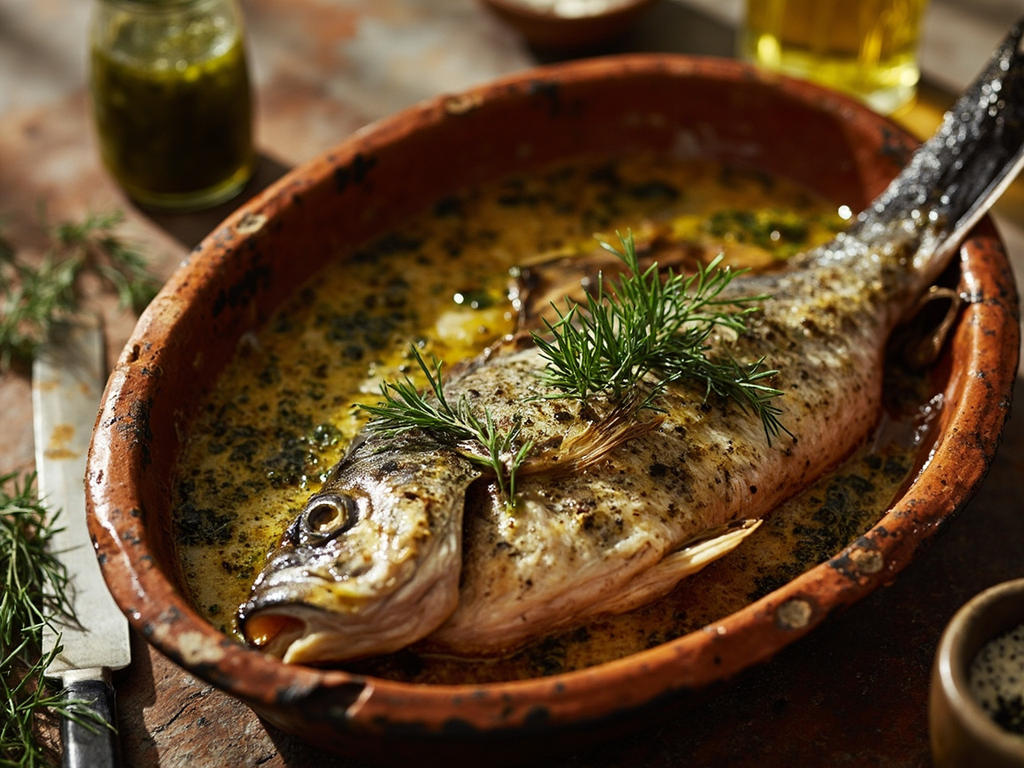 Festive
Aegean Fish with Garum and Herbs
Festive deipnon — the shared dish of the Greek banquet, before the time of wine
🍄 🧂 🫙· 40 min
View the recipe
 Drink
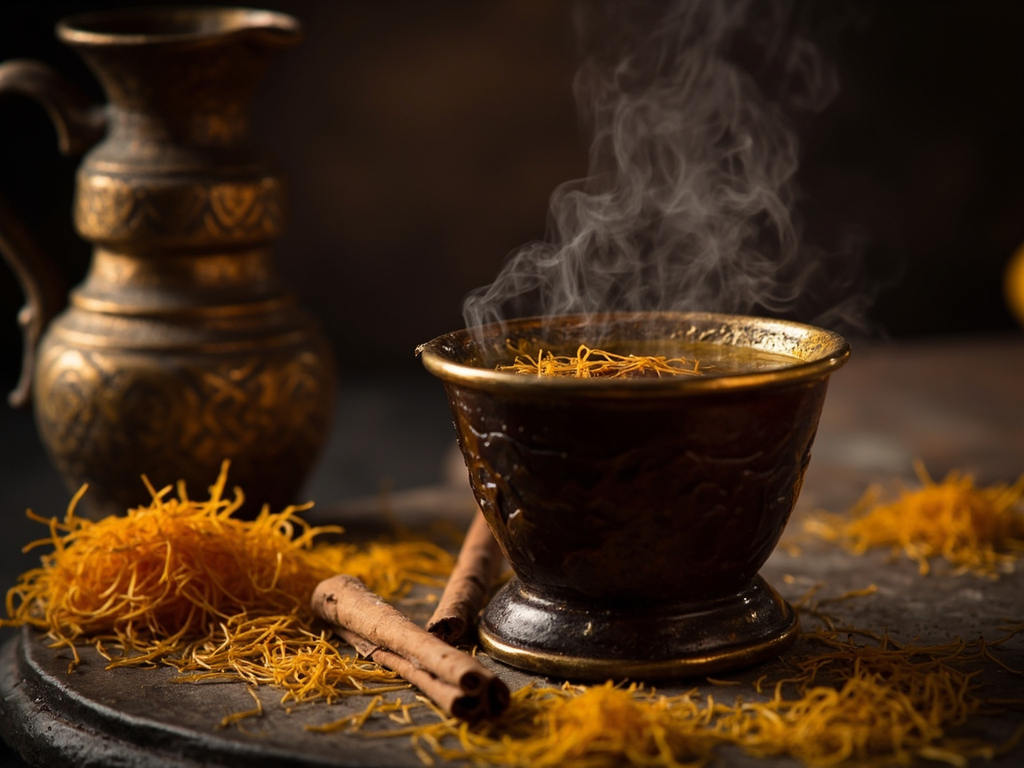
DrinkThe Cup of Honeyed Spiced Wine (the Cup of Wrath)
Symposion — the perfumed wine of the cup time, after the meal
🍯 🌶️· 20 min
View the recipe