 Flip the card
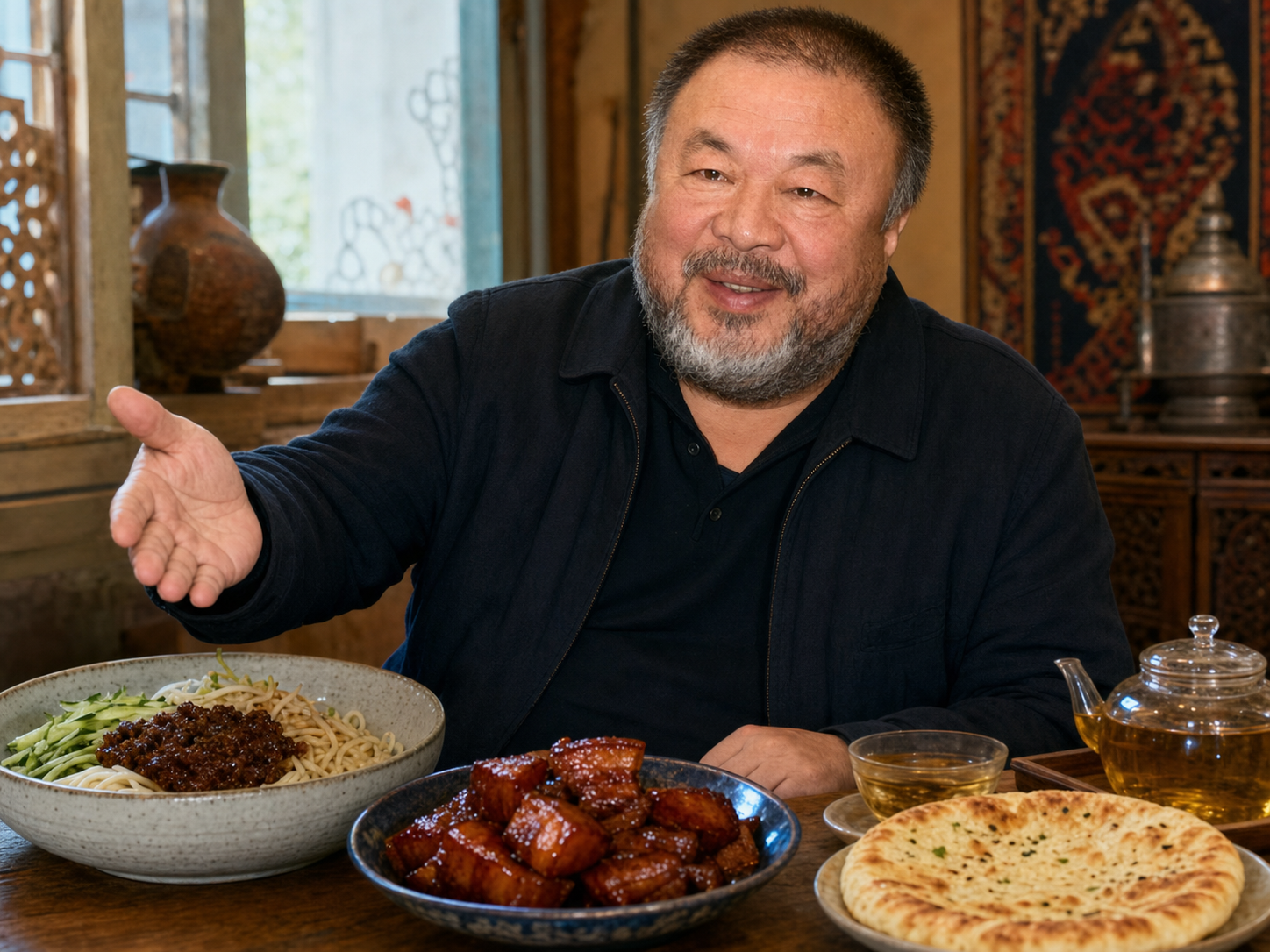
Ai Weiwei at the table
1957 — ?
On the menu
Fàn-cài (饭菜) — grain and shared dishes
The Chinese meal is not divided into starter/main/dessert: it revolves around fàn (the staple starch — rice, noodles, or bread) and cài (the savory dishes placed in the center, shared with chopsticks). Tea accompanies and closes the meal, and between meals circulate zéroshí (零食), small snacks. At Ai Weiwei's table, everything happens around a large round table where everyone serves themselves — conviviality as an almost political act.
Signature : Huángjiàng (黄酱), fermented soybean paste
The great fermented soybean paste of the North (and its sweet cousin tiánmiànjiàng) is the salty-umami soul of Beijing cuisine: it gives zhájiàngmiàn its depth. Fermentation — transforming time and patience into flavor — is the guiding thread of this table.
click to flip back
Ai Weiwei at the table
1957 — ?
5 period recipes
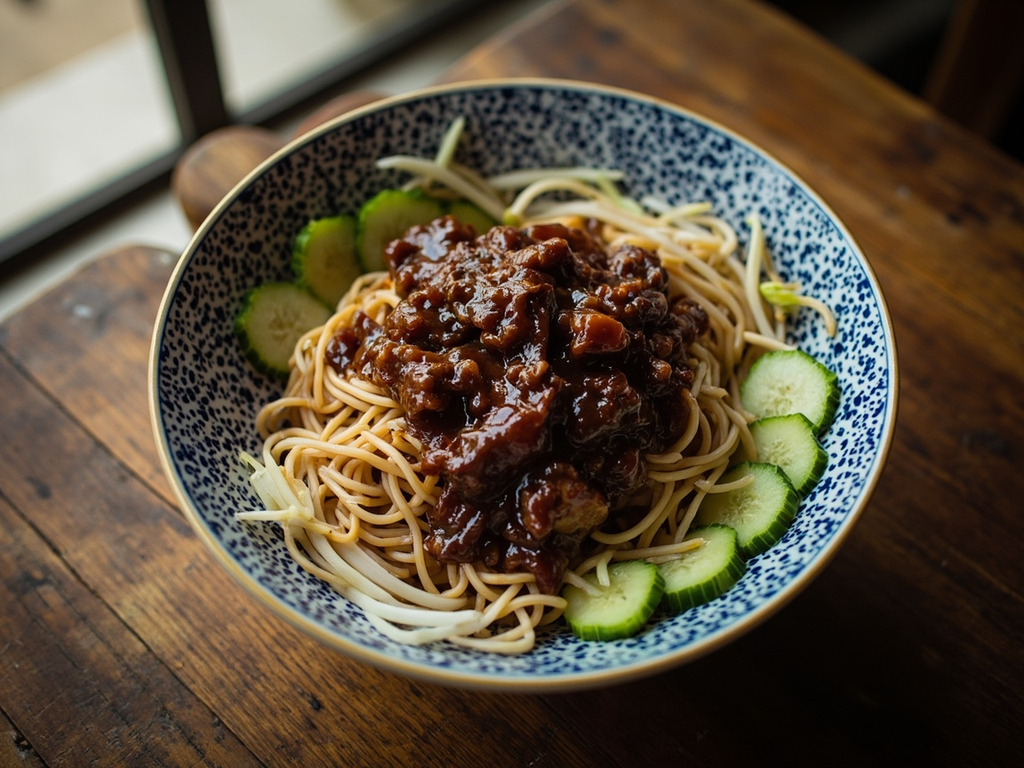 Everyday
Zhájiàngmiàn (炸酱面) — noodles with soybean paste
Daily noodle staple (everyday fàn)
🧂 🍄 🫙· 40 min
View the recipe
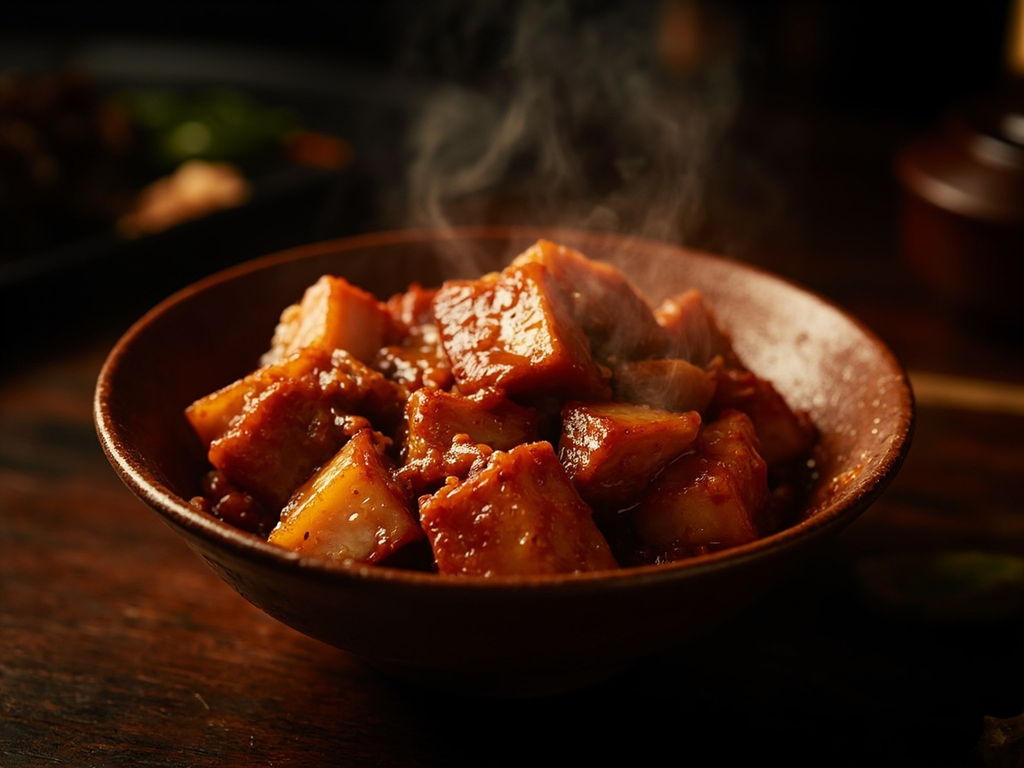 Festive
Hóngshāoròu (红烧肉) — caramelized braised pork
Festive centerpiece dish (dà cài, the great shared dish)
🍯 🧂 🍄· 1 h 45
View the recipe
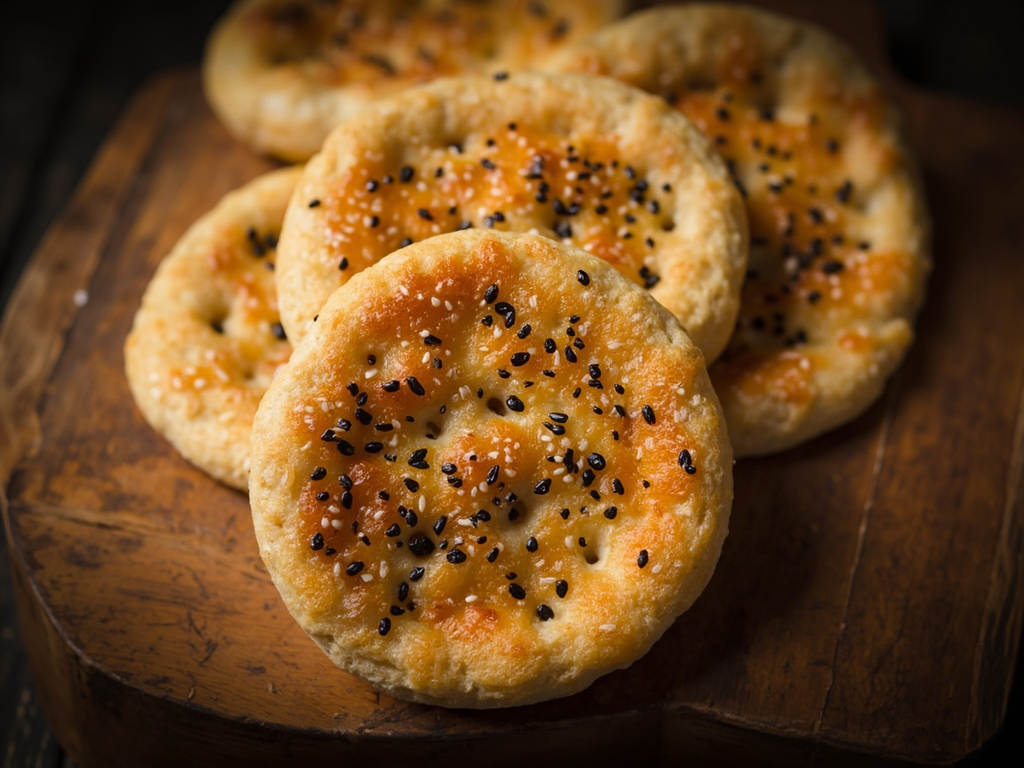 Preserving
Nán (馕) — oven-baked flatbread
Storable bread staple, from the communal oven (the fàn that travels)
🧂· 2 h
View the recipe
 Drink
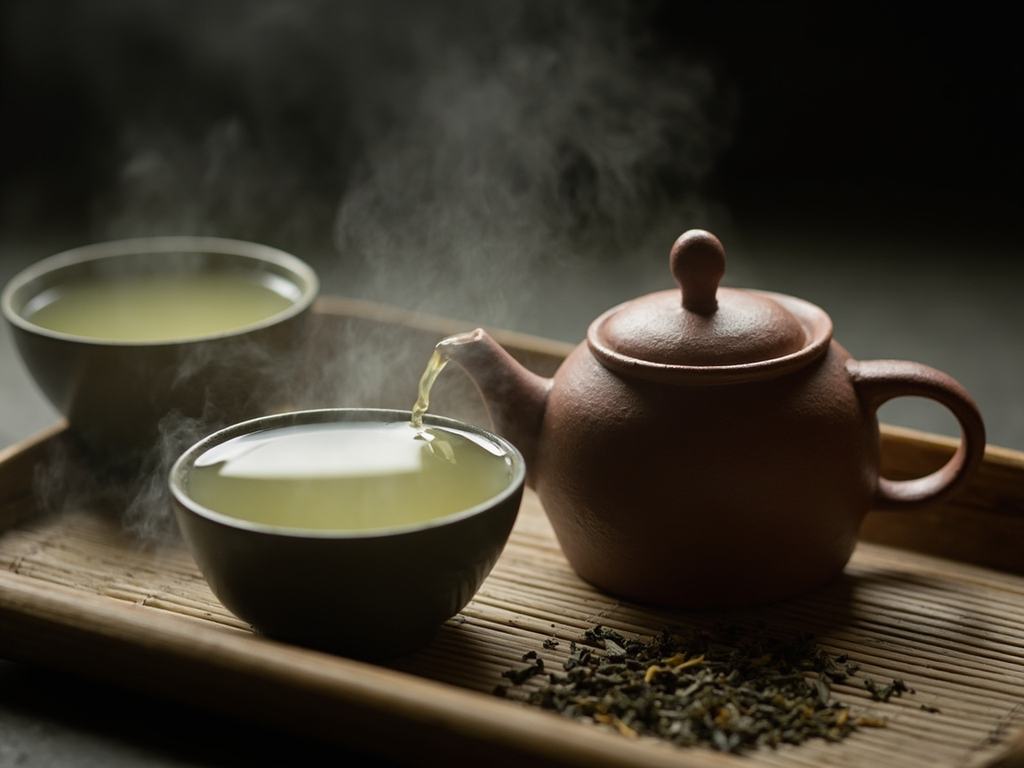
DrinkYìbēi chá (一杯茶) — a pot of tea
Beverage of hospitality and conversation (chá, which opens and closes the meeting)
☕ 🍄· 10 min
View the recipe
 Street food
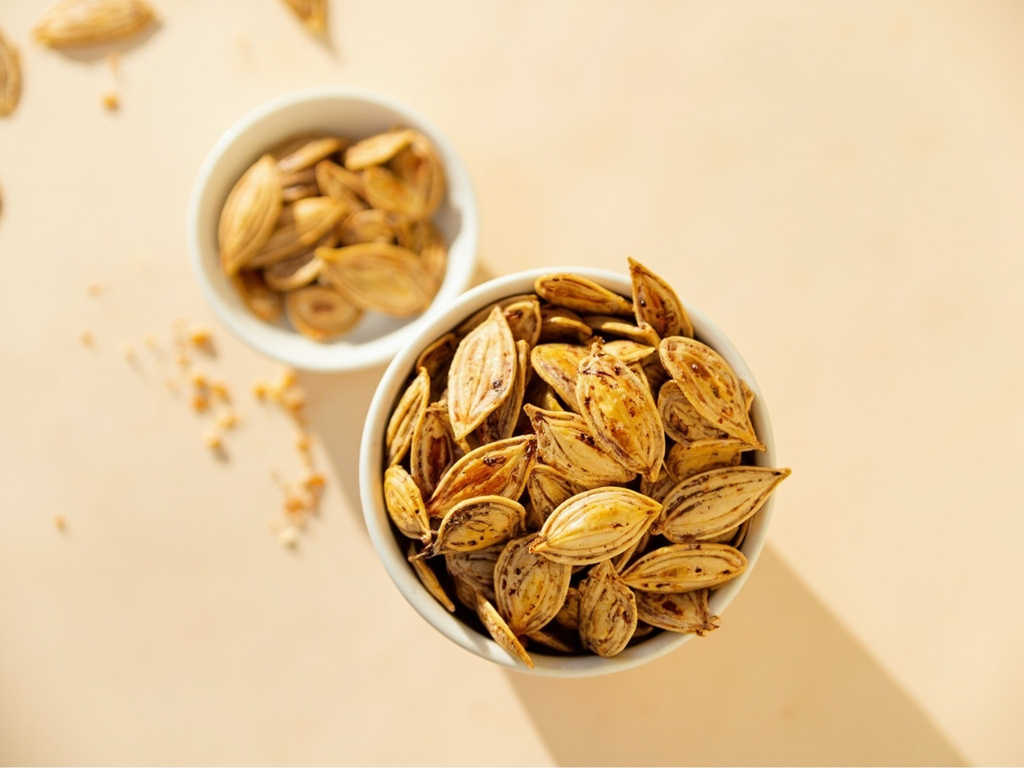
Chǎo guāzǐ (炒瓜子) — roasted sunflower seeds
Snack to shell (zéroshí, the munch that fuels conversation)
🧂· 45 min
View the recipe