 flip
flipChǎo guāzǐ (炒瓜子) — roasted sunflower seeds
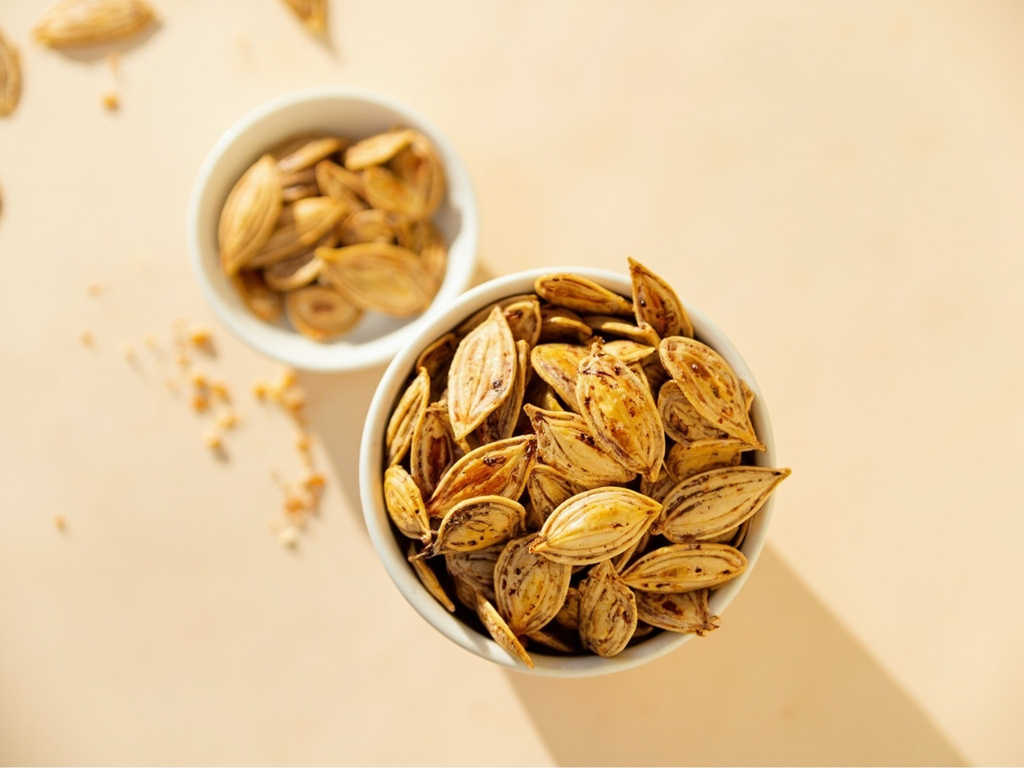
Chǎo guāzǐ (炒瓜子) — roasted sunflower seeds
Why this dish? Sunflower seeds are Ai Weiwei's most famous work: one hundred million hand-painted porcelain seeds spread across the floor at Tate Modern. In China, guāzǐ is the universal popular snack, an image of a multitude of identical yet unique individuals — exactly his point.
Sunflower seeds dry-roasted then salted (or flavored with tea and star anise), shelled one by one between the fingers while talking for hours.
A sunflower seed is nothing: you crack it, discard the shell, take another. But a hundred million together tell the story of a people — people you think are identical but never are. When I was little, we munched these seeds while talking for hours, fingers blackened, shells piling up. Dry-roast them in a pan until they sing, salt them just enough: this is the food of conversation, and conversation is already resistance.
- •Whole sunflower seeds in shell — a large bowl (base)
- •Salt — to taste (seasoning)
- •Tea leaves, star anise (optional) — a pinch (flavor)
Chǎo guāzǐ (炒瓜子) — roasted sunflower seeds
Sunflower seeds dry-roasted then salted (or flavored with tea and star anise), shelled one by one between the fingers while talking for hours.
Why this dish? Sunflower seeds are Ai Weiwei's most famous work: one hundred million hand-painted porcelain seeds spread across the floor at Tate Modern. In China, guāzǐ is the universal popular snack, an image of a multitude of identical yet unique individuals — exactly his point.
A sunflower seed is nothing: you crack it, discard the shell, take another. But a hundred million together tell the story of a people — people you think are identical but never are. When I was little, we munched these seeds while talking for hours, fingers blackened, shells piling up. Dry-roast them in a pan until they sing, salt them just enough: this is the food of conversation, and conversation is already resistance.
Ingredients (period version)
- Whole sunflower seeds in shell — a large bowl (base)
- Salt — to taste (seasoning)
- Tea leaves, star anise (optional) — a pinch (flavor)
Ingredients
- Raw whole sunflower seeds in shell — 300 g (base)
- Salt — 2 tbsp (seasoning)
- Water — 200 ml (quick brine)
- Tea leaves + star anise — 1 tsp + 1 (optional) (flavor)
Method
- Soak seeds in salted water (with tea and anise if desired) for 30 minutes to season through the shell.
- Drain thoroughly.
- Dry-roast in a pan or wok over medium heat, stirring constantly, for 10–15 minutes until they crackle and lightly brown.
- Remove and let cool: they become crunchy as they cool.
- Serve in a bowl with a saucer for the shells.
How it was made : Sunflower, a New World plant that spread late to China, became an ubiquitous snack in the 20th century, associated with leisure and conversation. Seeds were roasted in a wok, sometimes flavored with tea, licorice, or spices, sold everywhere on the street.
The contemporary twist : Present the seeds in a wide white dish, spread in a thin dense layer: a direct nod to the Tate installation, the multitude as plating.
Ai Weiwei · Charactorium