Ichijū-sansai (一汁三菜)
The structure of the Japanese meal from the Meiji era: "one soup, three side dishes" arranged around the bowl of white rice (gohan), the foundation of the meal. Miso soup opens the meal, a main dish (grilled fish, tofu) and two small side dishes surround it, always accompanied by pickled vegetables (tsukemono). Dishes are not served in succession but all together, each bowl and plate having its fixed place on the tray. Sweets (wagashi) and drinks belong to a separate moment, linked to tea and seasonal rituals.
Signature : Miso and Dashi
Japanese umami is born from two pillars: dashi, a clear broth made from kombu (kelp) and katsuobushi (dried bonito flakes), and miso, fermented soybean paste. This deep, salty, fermented duo flavors both everyday soup and festive dishes. It is the continuous bass line of Akiko's entire table.
Akiko Yosano at the table
1878 — 1942
5 period recipes
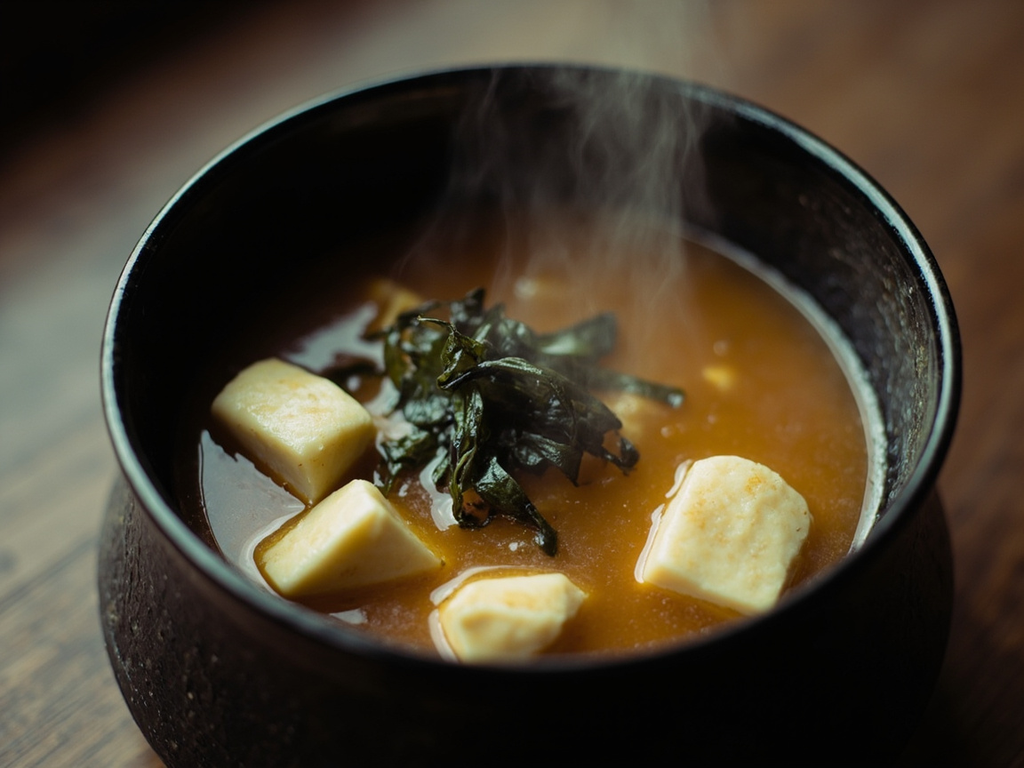 Everyday
Misoshiru with Tofu and Wakame
Ichijū — the soup of the ichijū-sansai tray
🍄 🧂 🫙· 45 min
View the recipe
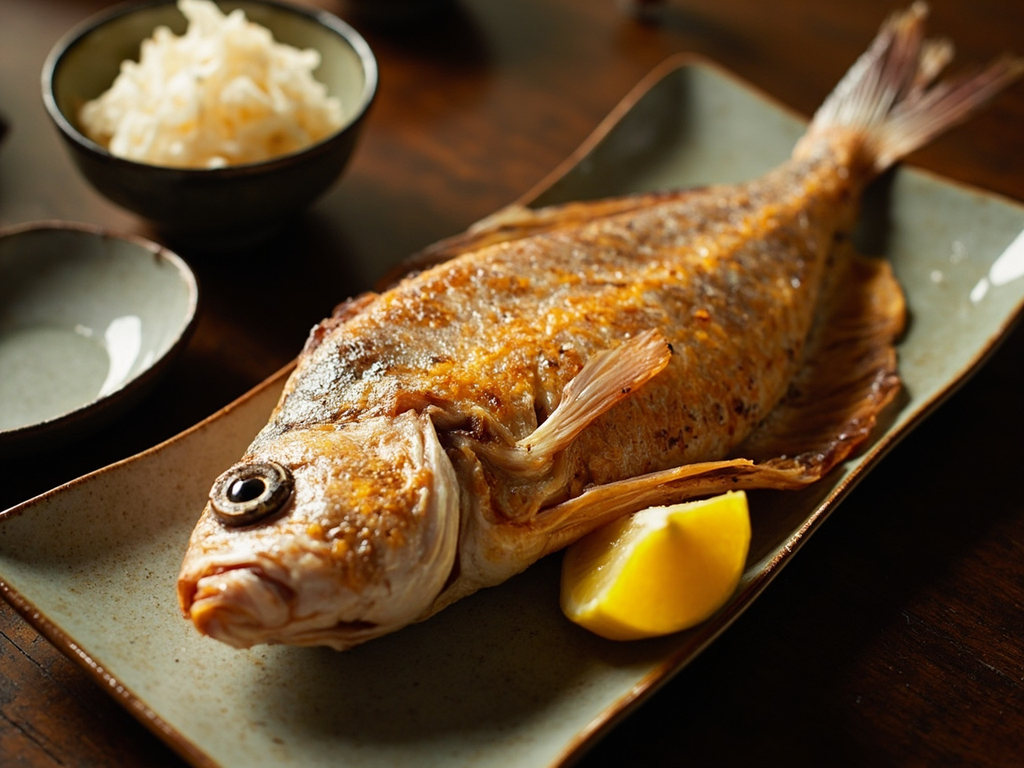 Festive
Tai no shioyaki — Salt-Grilled Sea Bream
Sansai — the main dish of honor on the tray
🧂 🍄· 45 min
View the recipe
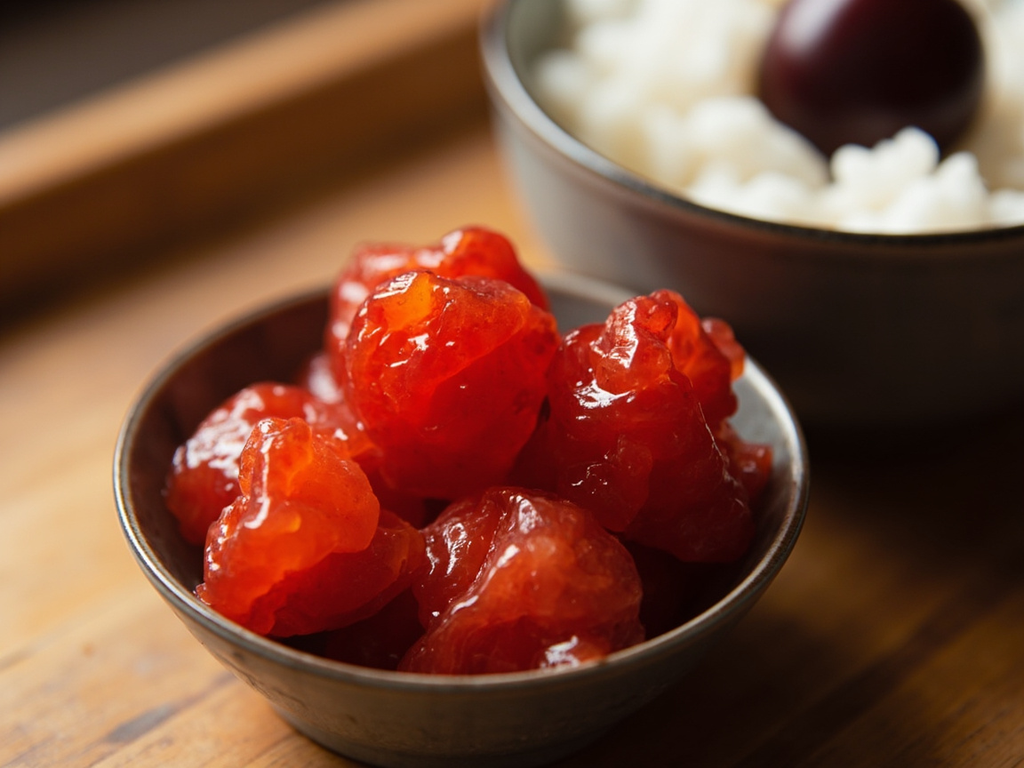 Preserving
Umeboshi — Salt-Fermented Plums
Tsukemono — the preserved pickles of the tray
🍋 🧂 🫙· Preparation 1 h, fermentation and drying over several weeks
View the recipe
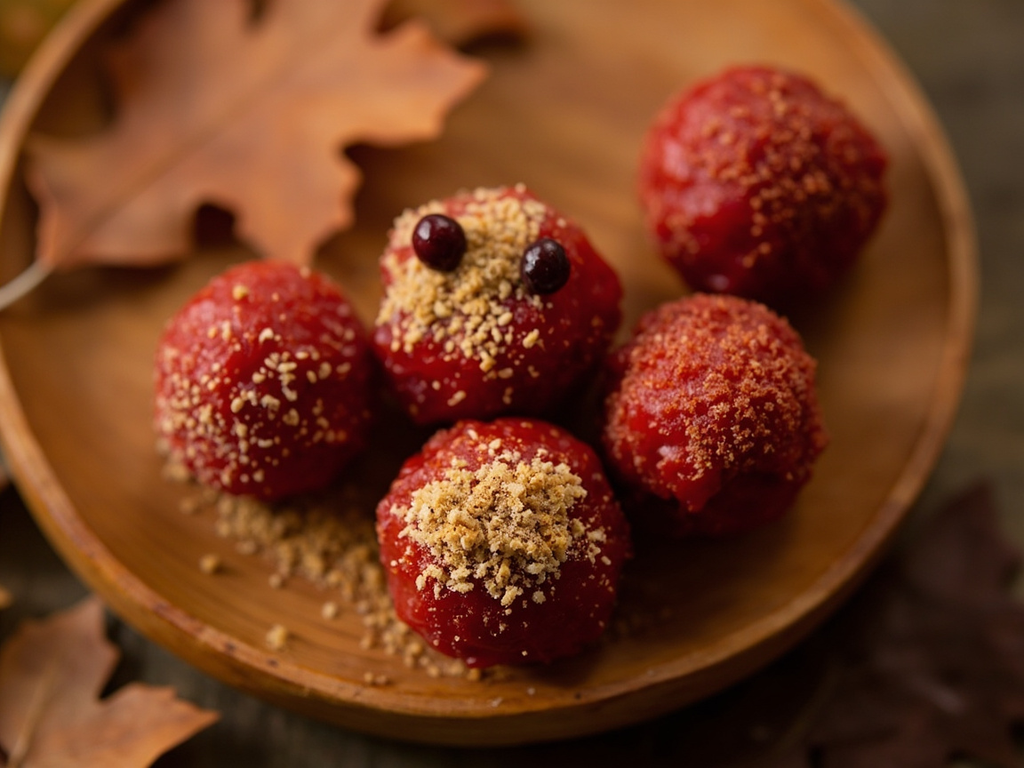 Offering
Botamochi — Rice Balls Coated in Azuki
Wagashi of ohigan — equinox offering sweets
🍯· 2 h
View the recipe
 Drink
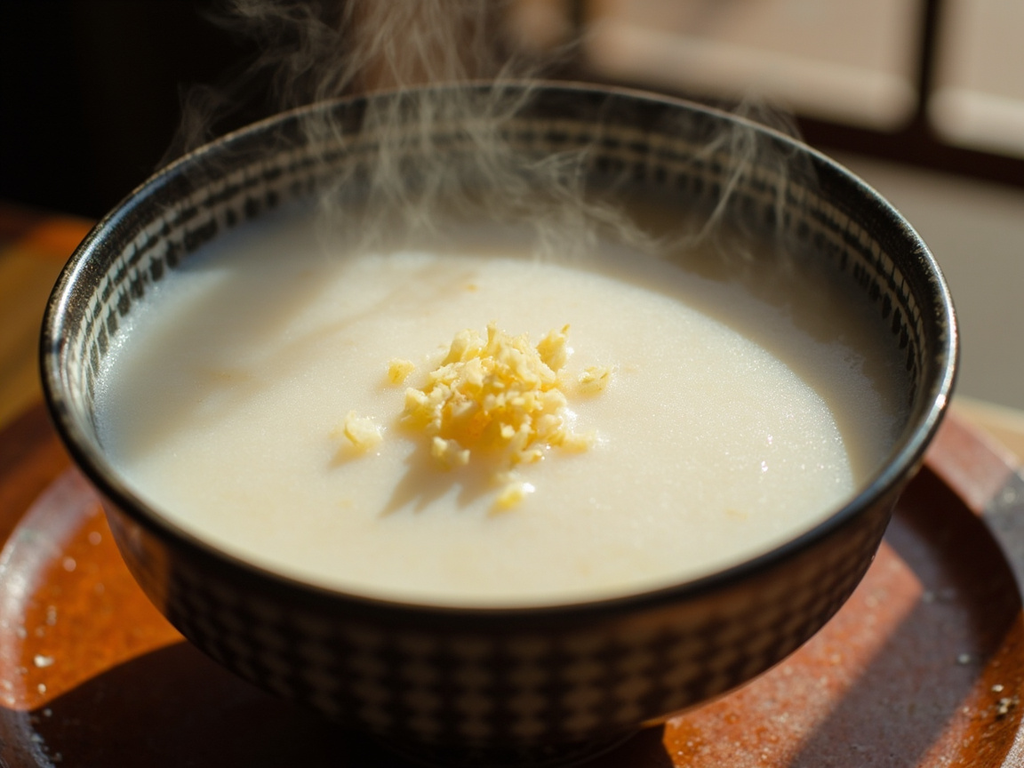
DrinkAmazake — Fermented Rice Drink
Hot drink for cold seasons and shrines
🍯 🫙· Preparation 20 min, fermentation 6–10 h
View the recipe