The Artuqid court's sufra (the laid khwân)
At the table of a craftsman in the service of the Artuqid princes, one does not serve 'starter-main course-dessert'. A large cloth, the sufra, is spread over a low tray (khwân): around the flatbread that serves as both plate and spoon, bowls of stews (qidr), legumes, meats, and sweets are arranged simultaneously. One eats with the three fingers of the right hand, begins in the name of God with salt or a fruit, and drinks perfumed syrups between bites. The meal is a simultaneous assembly of smells and colors, like a mechanism where each piece has its place.
Signature : Rose water and murrî (fermented sauce)
Two signatures frame this cuisine of Mesopotamia: on one side, rose water and saffron, courtly perfumes that gild and scent; on the other, murrî, a liquid condiment long fermented from barley and salt, which brought the umami depth that our cooks sought before lemon and verjuice dominated. Sweet and fermented echo each other from one end of the khwân to the other.
Al-Jazari at the table
1164 — 1206
4 period recipes
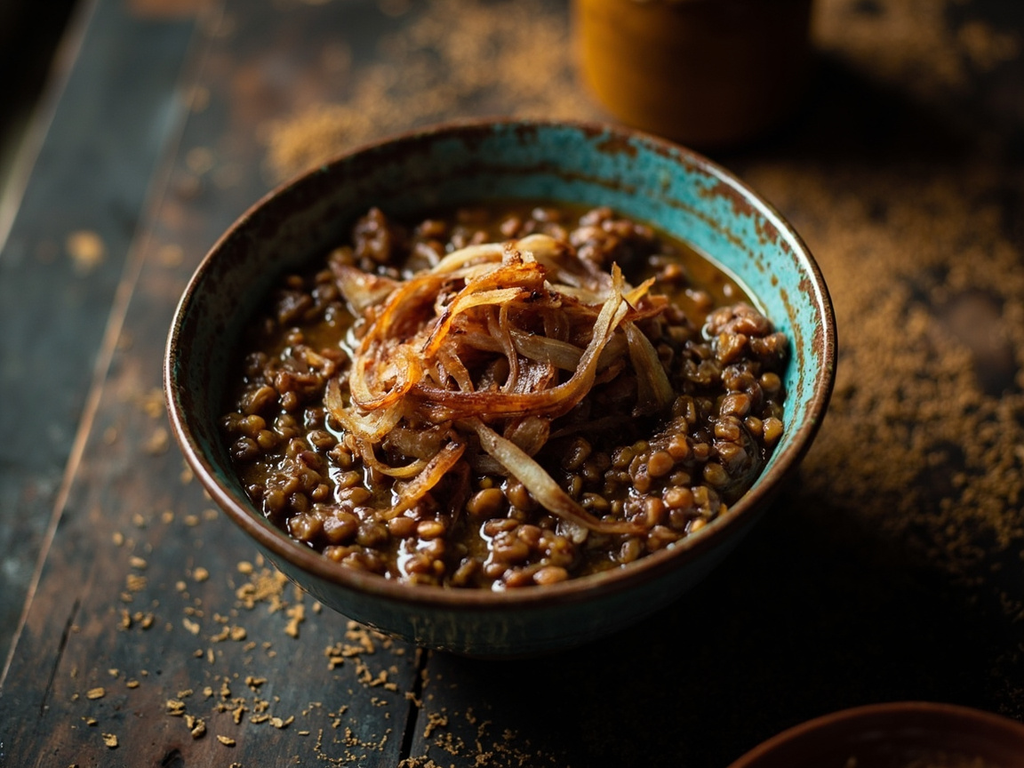 Everyday
Adas mujaddar — lentils and bulgur with murrî
The daily qidr (the pot bowl of the khwân)
🧂 🍄 🫙· 45 min
View the recipe
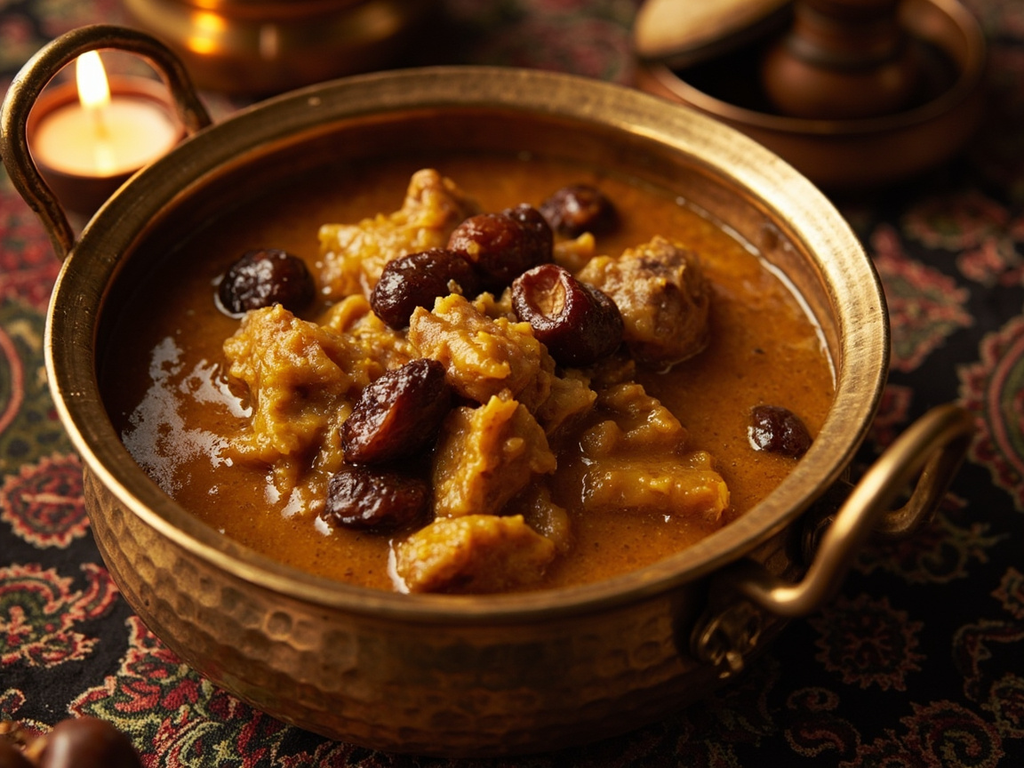 Festive
Sikbâj of lamb with vinegar and saffron
The great banquet qidr (honor stew of the khwân)
🍋 🍯 🧂· 2 h
View the recipe
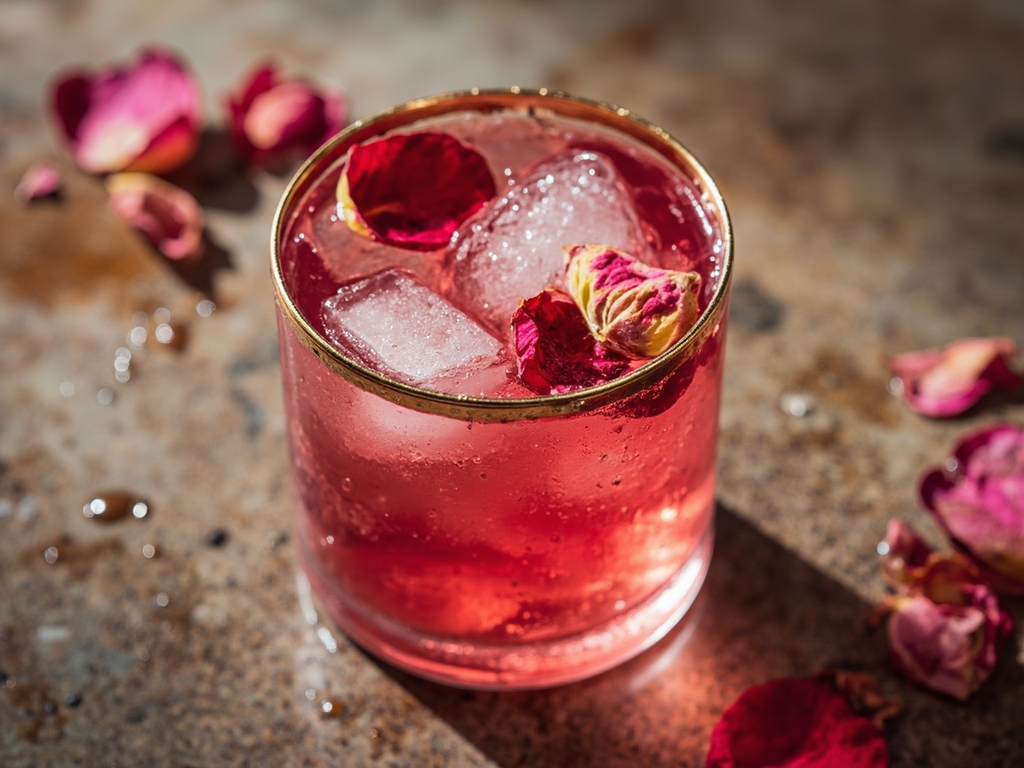 Drink
DrinkSharâb al-ward — rose syrup (julâb)
The perfumed drink of the khwân (sharâb / syrup to dilute)
🍯 🍋· 1 h 30
View the recipe
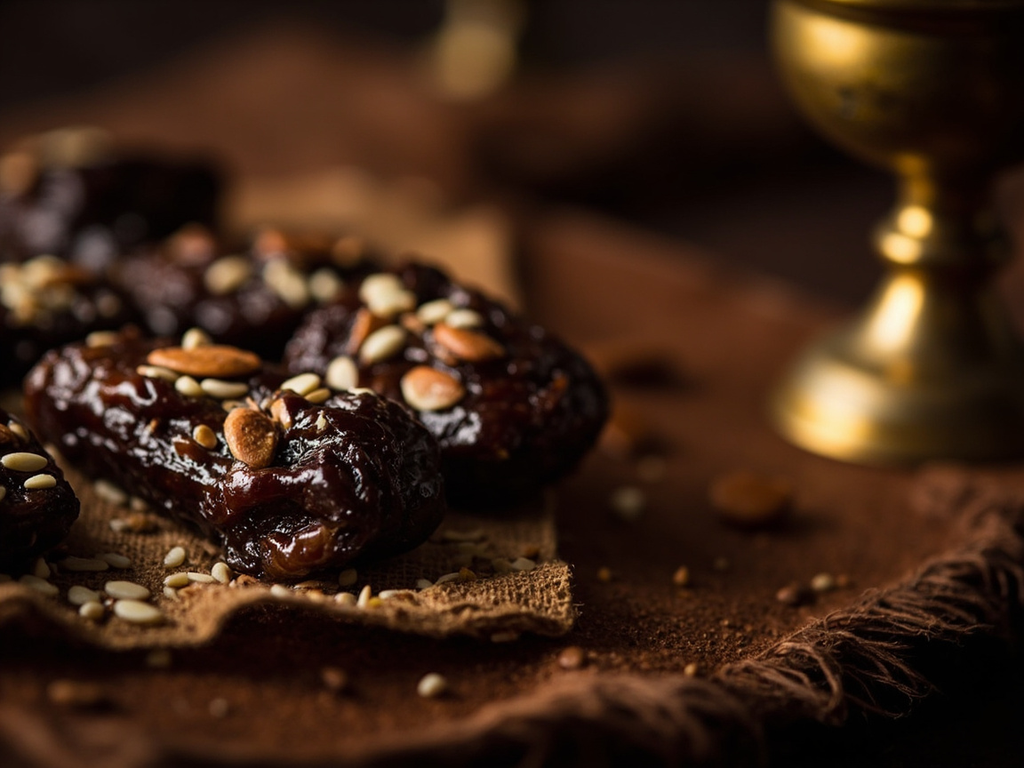 Travel
Khabîs of dates with almonds and sesame
The pouch sweet (travel provision of the khwân)
🍯 🌶️· 40 min
View the recipe