Dastarkhan
The dastarkhan is the tablecloth spread on the ground around which the household gathers in medieval Central Asia. The meal is organized in courses: first non (bread), dried fruits, and tea; then shorba (soup); finally the main dish (osh or meat) on feast days, and sweets to close. For a scholar like Al-Marghinani, the daily dastarkhan remains frugal — bread, soup, fruits — and only becomes richer with meat and pilaf on holidays or to honor a guest.
Signature : Zira (Central Asian black cumin)
Cumin — zira in Persian and Uzbek — is the queen spice of Ferghana cuisine and all of Transoxiana. Inseparable from pilaf, soups, and breads, it perfumes every dastarkhan. Al-Marghinani, who lived between Marghinan, Bukhara, and Samarkand, would have consumed it daily. Contemporary Islamic medical treatises also attribute digestive virtues to it.
Al-Marghinani at the table
1123 — 1197
5 period recipes
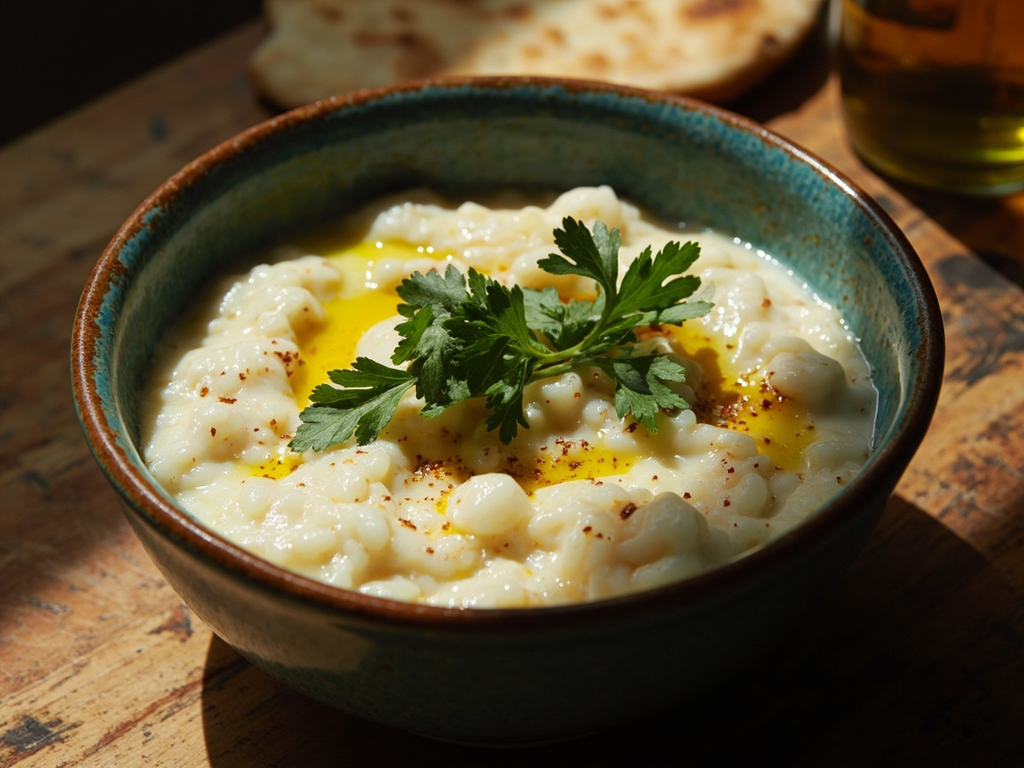 Everyday
Mastava
Shorba (dastarkhan soup)
🧂 🍋· 35 min
View the recipe
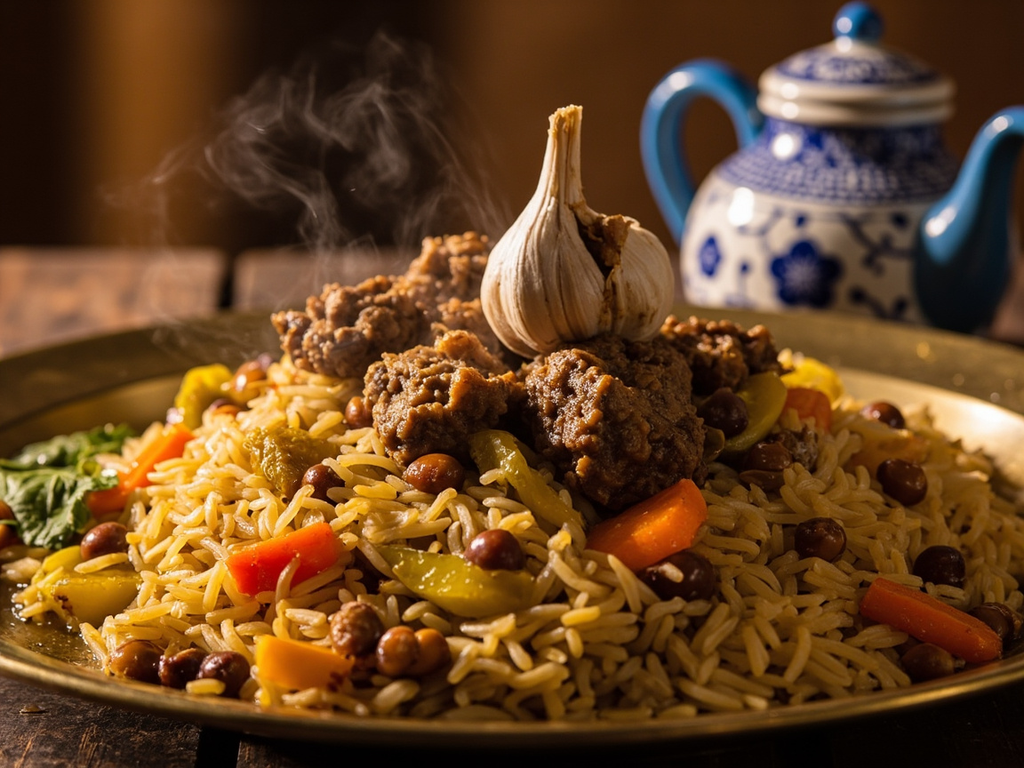 Festive
Osh-i Marghinani (Festive Pilaf)
Osh (central dish of the festive dastarkhan)
🧂 🍯 🌶️· 1 h 30
View the recipe
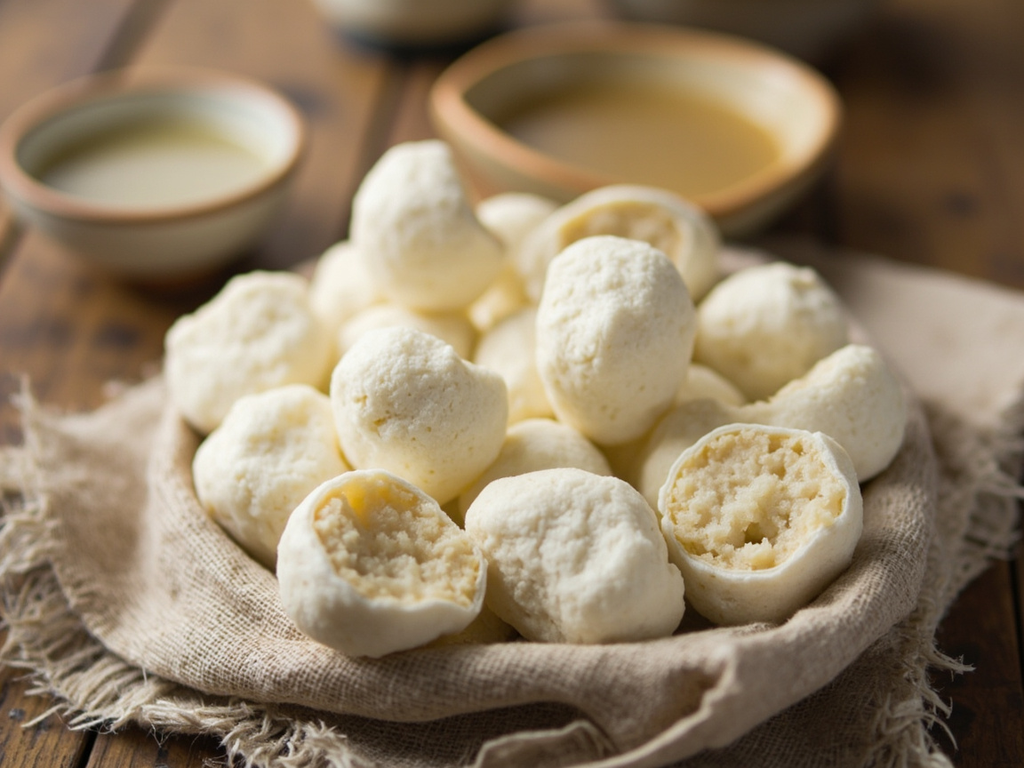 Travel
Kurut
Dastarkhan preserve (travel provision and condiment)
🧂 🍋 🫙· 30 min + 3-5 days drying
View the recipe
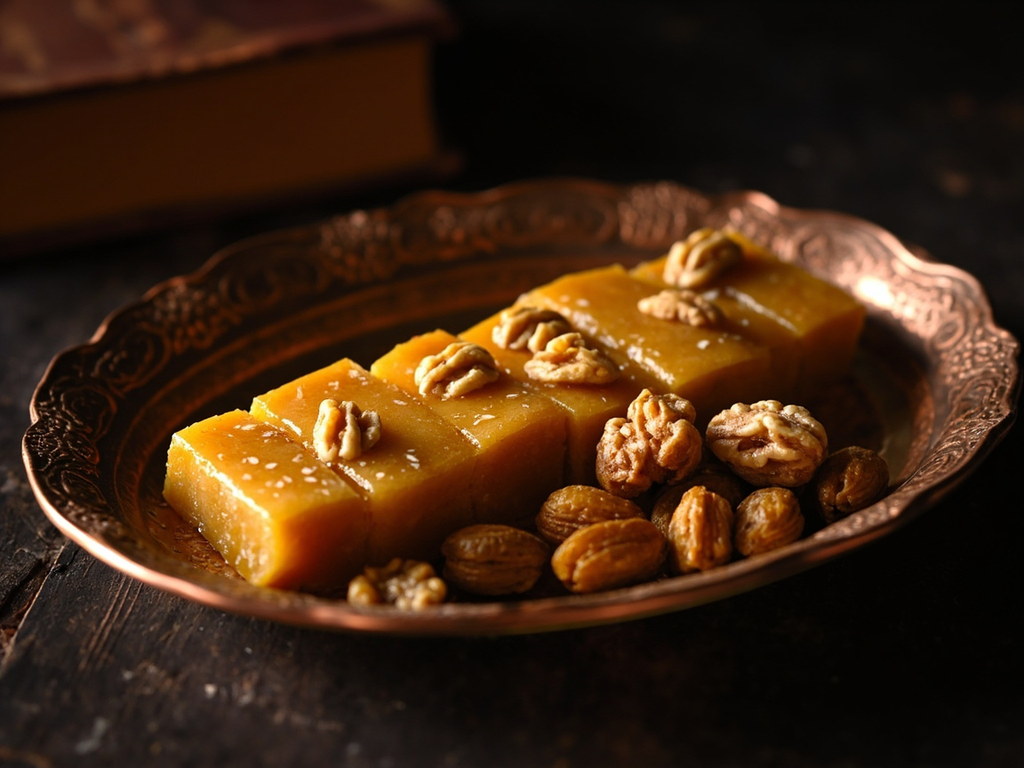 Offering
Halvo-yi kishmish (Flour Halva with Raisins)
Shirinlik (dastarkhan sweets)
🍯 🌶️· 40 min
View the recipe
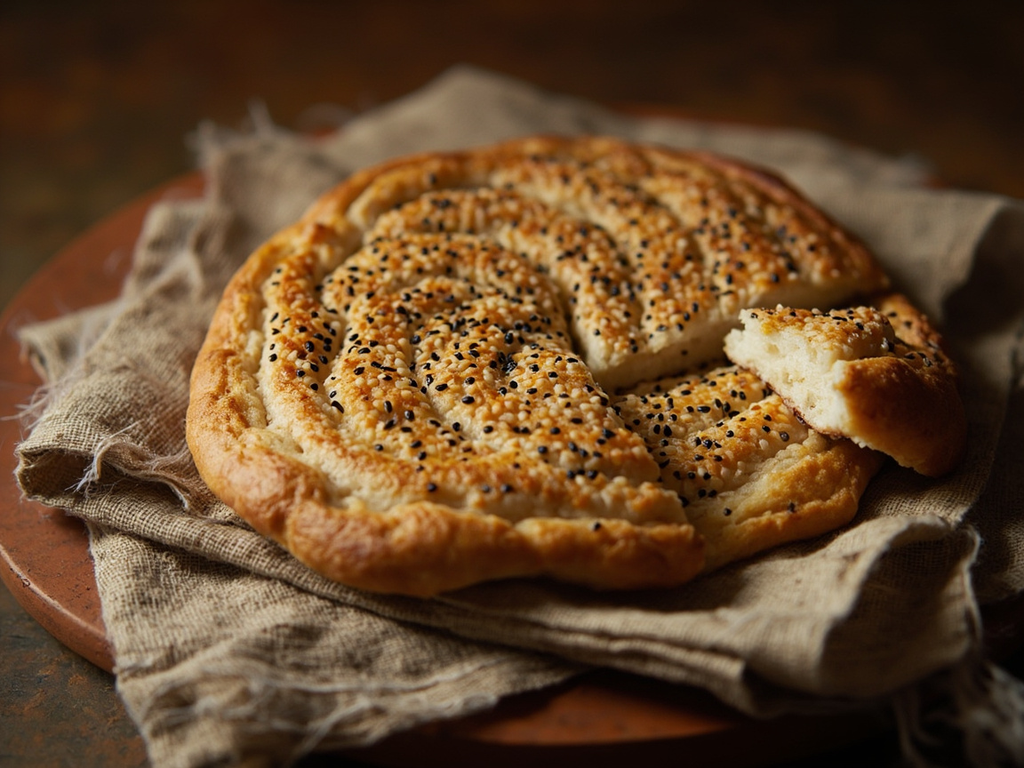 Everyday
Non-i obi (Tandyr Flatbread)
Non (dastarkhan bread)
🧂· 1 h 30 (including 1 h rising)
View the recipe