 flip
flipMastava
Mastava
Why this dish? Al-Marghinani spent long days writing and teaching. Mastava — a nourishing and digestible rice and yogurt soup — is the quintessential daily dish for scholars of Ferghana, eaten in the evening after fiqh lessons.
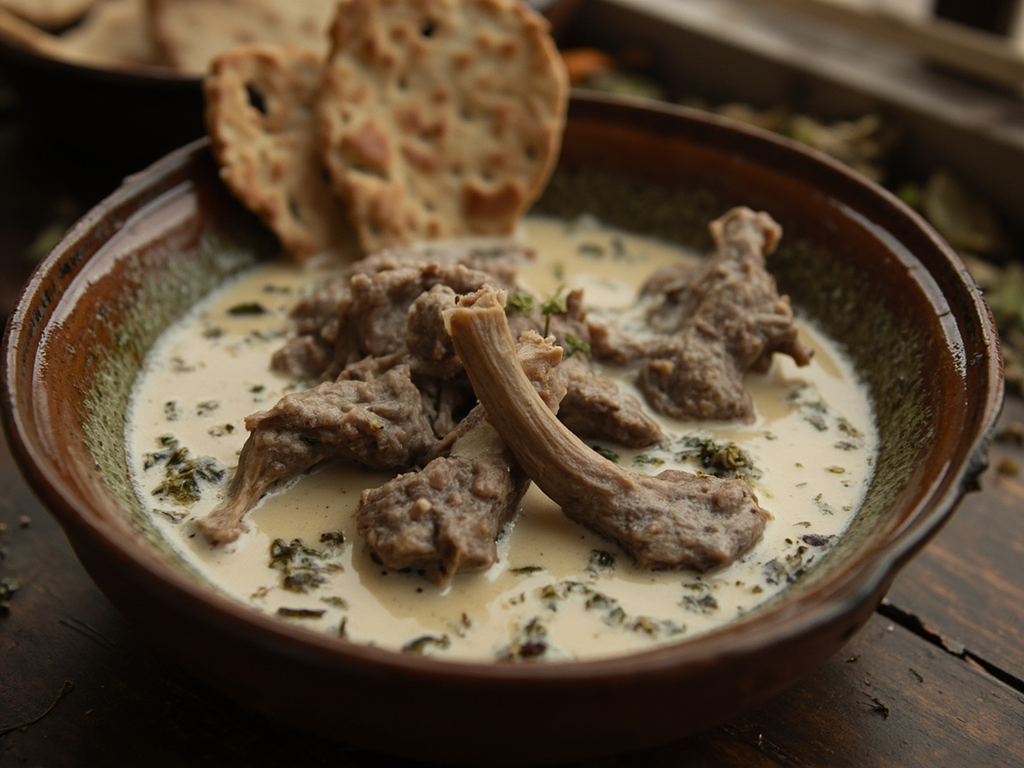
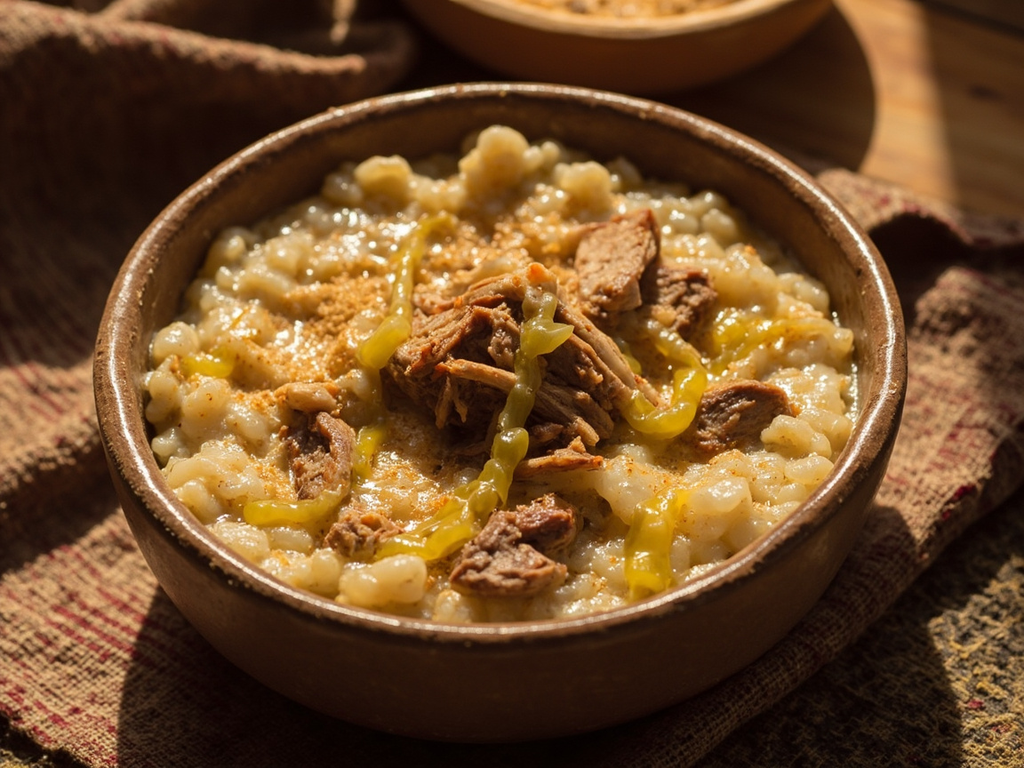
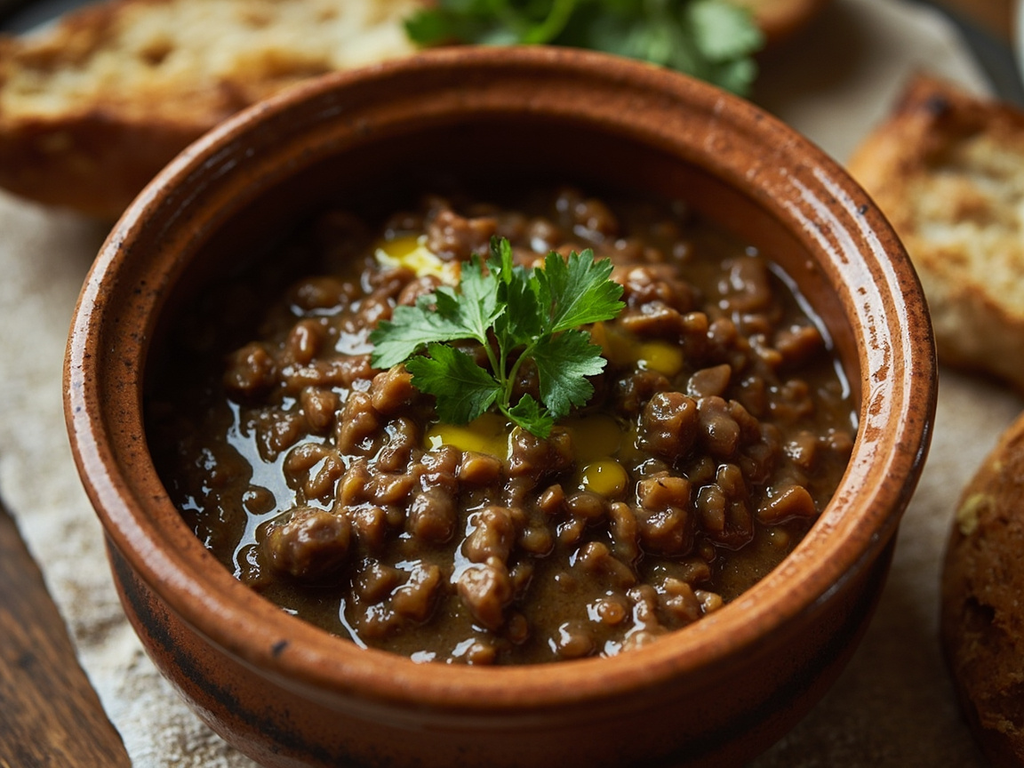
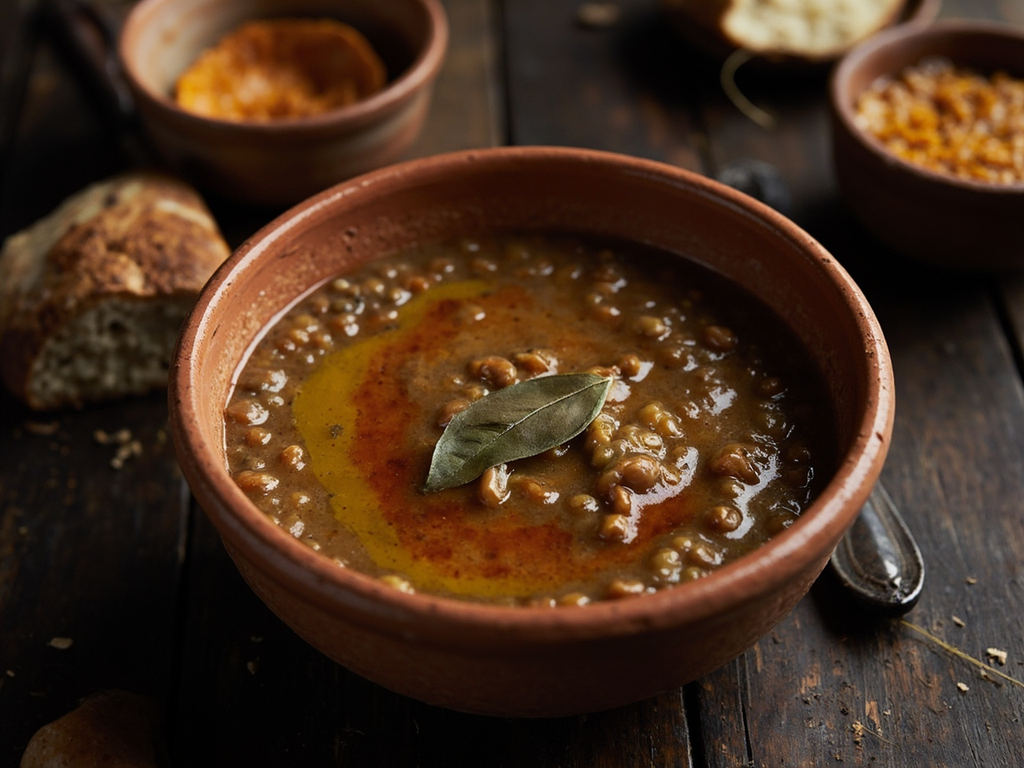
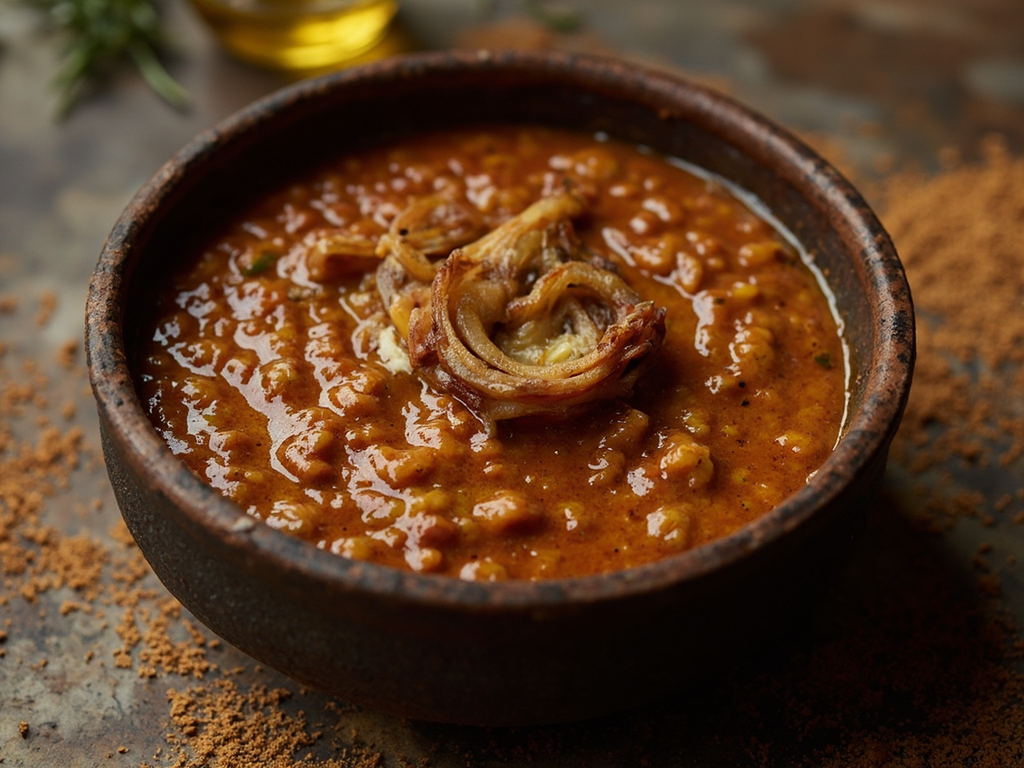
A thick soup of rice, vegetables, and herbs, bound with acidic yogurt (qatiq), typical of medieval Central Asian daily fare. Comforting and economical, it is prepared without meat on ordinary days.
When the sun sets over Marghinan and I finally set down my calamus, it is mastava that awaits me. My servant pours the qatiq into the boiling broth and the rice drinks up all that beneficial acidity. There is no need for meat every evening — rice, turnips, and a handful of coriander suffice to restore the spirit tired by fiqh. I always tell my students: a light belly keeps the mind clear for the dawn prayer.
- •Ferghana round rice — Two generous handfuls (Starchy base)
- •Turnip — One, diced (Main vegetable)
- •Yellow carrot — One (Sweetness and color)
- •Onion — One, sliced (Aromatic base)
- •Qatiq (fermented sour yogurt) — One bowl (Acidic binder)
- •Cumin (zira) — A pinch (Signature spice)
- •Fresh coriander — One bunch (Aromatic herb)
- •Sheep tail fat — One piece (Fat)
- •Salt — To taste (Seasoning)
Mastava
A thick soup of rice, vegetables, and herbs, bound with acidic yogurt (qatiq), typical of medieval Central Asian daily fare. Comforting and economical, it is prepared without meat on ordinary days.
Why this dish? Al-Marghinani spent long days writing and teaching. Mastava — a nourishing and digestible rice and yogurt soup — is the quintessential daily dish for scholars of Ferghana, eaten in the evening after fiqh lessons.
When the sun sets over Marghinan and I finally set down my calamus, it is mastava that awaits me. My servant pours the qatiq into the boiling broth and the rice drinks up all that beneficial acidity. There is no need for meat every evening — rice, turnips, and a handful of coriander suffice to restore the spirit tired by fiqh. I always tell my students: a light belly keeps the mind clear for the dawn prayer.
Ingredients (period version)
- Ferghana round rice — Two generous handfuls (Starchy base)
- Turnip — One, diced (Main vegetable)
- Yellow carrot — One (Sweetness and color)
- Onion — One, sliced (Aromatic base)
- Qatiq (fermented sour yogurt) — One bowl (Acidic binder)
- Cumin (zira) — A pinch (Signature spice)
- Fresh coriander — One bunch (Aromatic herb)
- Sheep tail fat — One piece (Fat)
- Salt — To taste (Seasoning)
Ingredients
- Round rice — 150 g (Starchy base)
- Turnip — 1 medium (150 g) (Main vegetable)
- Carrot — 1 medium (Sweetness)
- Yellow onion — 1 medium (Aromatic base)
- Plain full-fat yogurt — 200 g (Acidic binder)
- Ground cumin — 1 tsp (Signature spice)
- Fresh coriander — 1 bunch (Aromatic herb)
- Vegetable oil or clarified butter — 2 tbsp (Fat)
- Water — 1.2 liters (Broth)
- Salt, black pepper — To taste (Seasoning)
Method
- Rinse the rice in cold water until clear. Set aside.
- Slice the onion, dice the turnip and carrot into small cubes.
- In a pot, heat the oil and sauté the onion until golden.
- Add the carrot and turnip, sauté for 3-4 minutes.
- Pour in the water, bring to a boil, then add the rinsed rice and cumin.
- Cook over medium heat for 20 minutes, until the rice is tender and the soup thickens.
- Remove from heat. Dilute the yogurt with a ladle of hot broth, then stir it into the soup.
- Season with salt and pepper, sprinkle with chopped fresh coriander. Serve hot.
How it was made : Mastava has been attested in Central Asian cuisine since the Middle Ages. Qatiq (fermented sour yogurt) is a fundamental element of the sedentary diet of Ferghana and Transoxiana. The medieval version used sheep tail fat (dumba) as the only fat and locally available seasonal vegetables.
The contemporary twist : Serve in a turquoise ceramic bowl reminiscent of Samarkand pottery, with a drizzle of toasted cumin oil and a few nigella seeds.
Sources : Charles Perry, 'Medieval Arab Cookery' (Central Asian soup recipes) · Nawal Nasrallah, 'Annals of the Caliphs' Kitchens' (Abbasid and post-Abbasid cuisine)
Al-Marghinani · Charactorium