The Dominican Refectory Meal
Among the Friars Preachers, meals are eaten in silence while a brother reads aloud. The meal is organized not as starter-main-dessert but around daily bread accompanied by two pulmenta (cooked dishes, most often vegetable or fish porridges), a pitance (the portion allotted to each), and wine mixed with water. On lean days and fast days, the main meal is replaced by a simple evening collation, light. The meat of quadrupeds is almost always banned; legumes, fish, and herbs from the cloister garden make up the ordinary fare.
Signature : The Simples of the Cloister Garden
Albert the Great was the greatest botanist of his century: his *De vegetabilibus* describes hundreds of plants observed in convent gardens. Sage, hyssop, lovage, fennel, and parsley — the 'simples' cultivated near the cloister — both flavor and heal. The boundary between kitchen and remedy is deliberately blurred: one eats to nourish the body as well as to balance one's humors.
Albert the Great at the table
1200 — 1280
5 period recipes
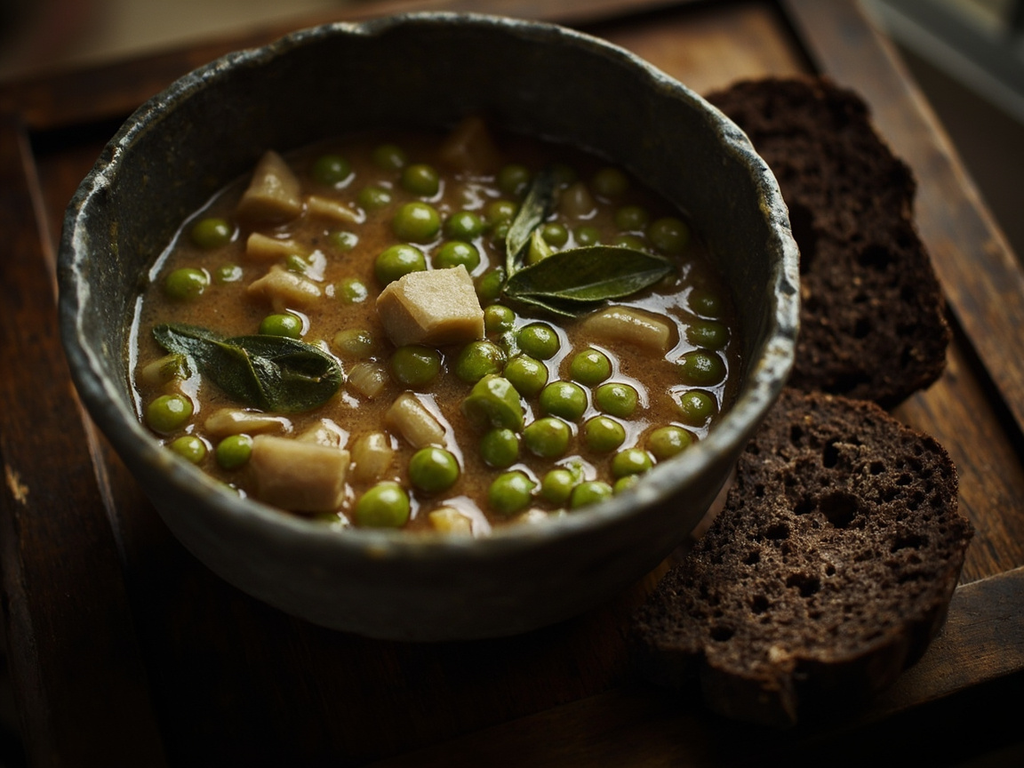 Everyday
Pea and Leek Pulmentum
Pulmentum (cooked dish of the refectory)
🧂 🍄· 1 h 15
View the recipe
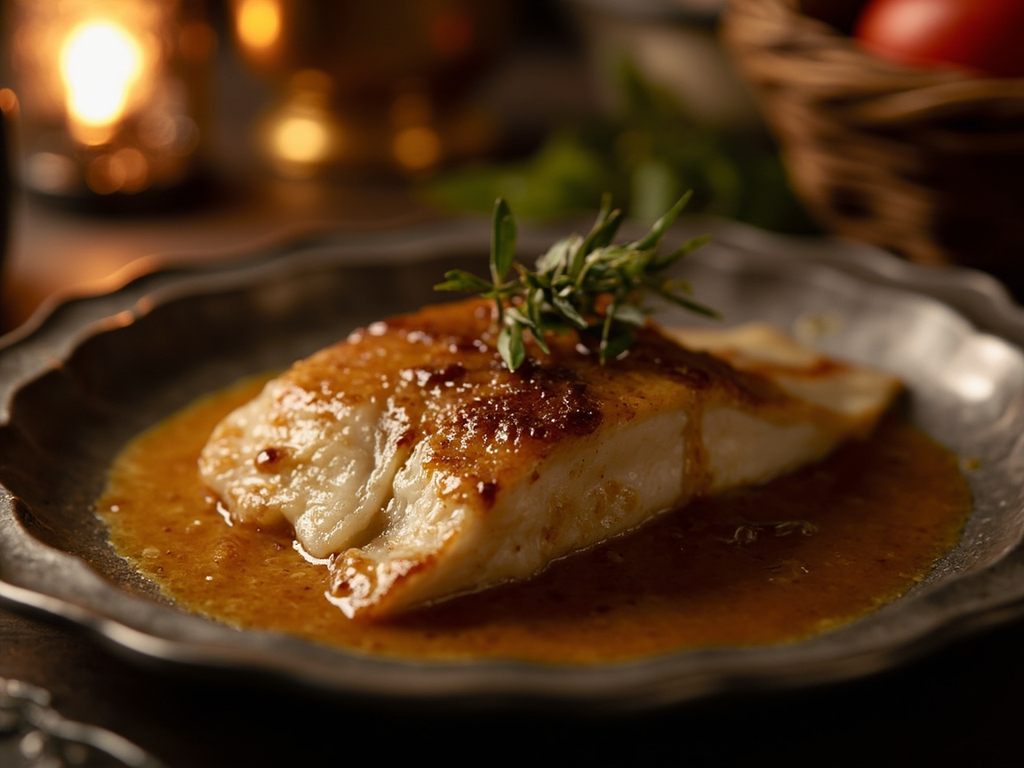 Festive
Rhine Pike with Cameline Sauce
Pitance of Charity (portion for feast days)
🍋 🌶️ 🧂· 40 min
View the recipe
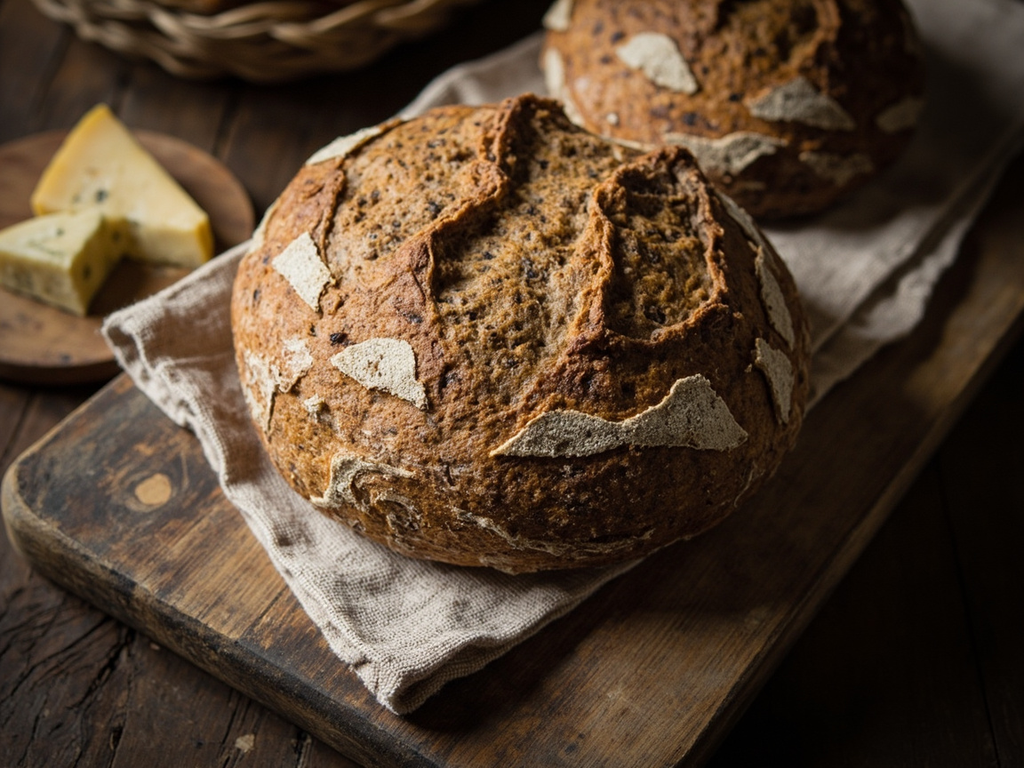 Travel
Spelt and Rye Brown Bread
Travel Companion (bread to take along)
🧂 🍯· 5 h (incl. rising) + baking
View the recipe
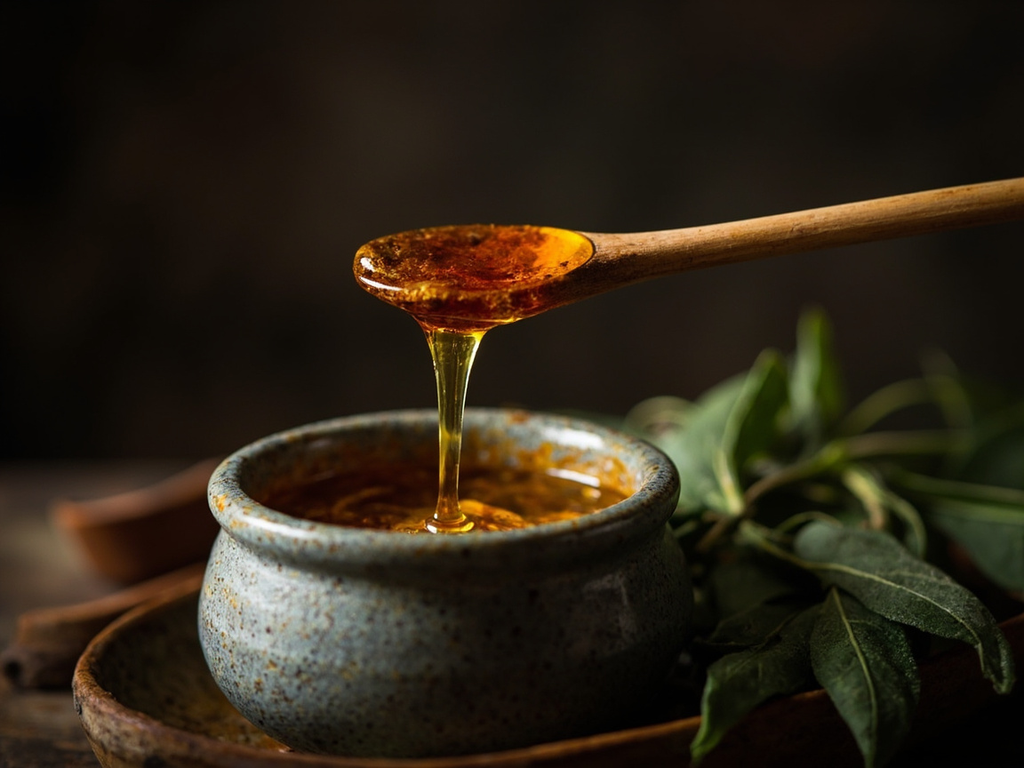 Remedy
Sage and Honey Electuary
Electuary (preparation from the cloister dispensary)
🍯 ☕ 🌶️· 25 min
View the recipe
 Drink
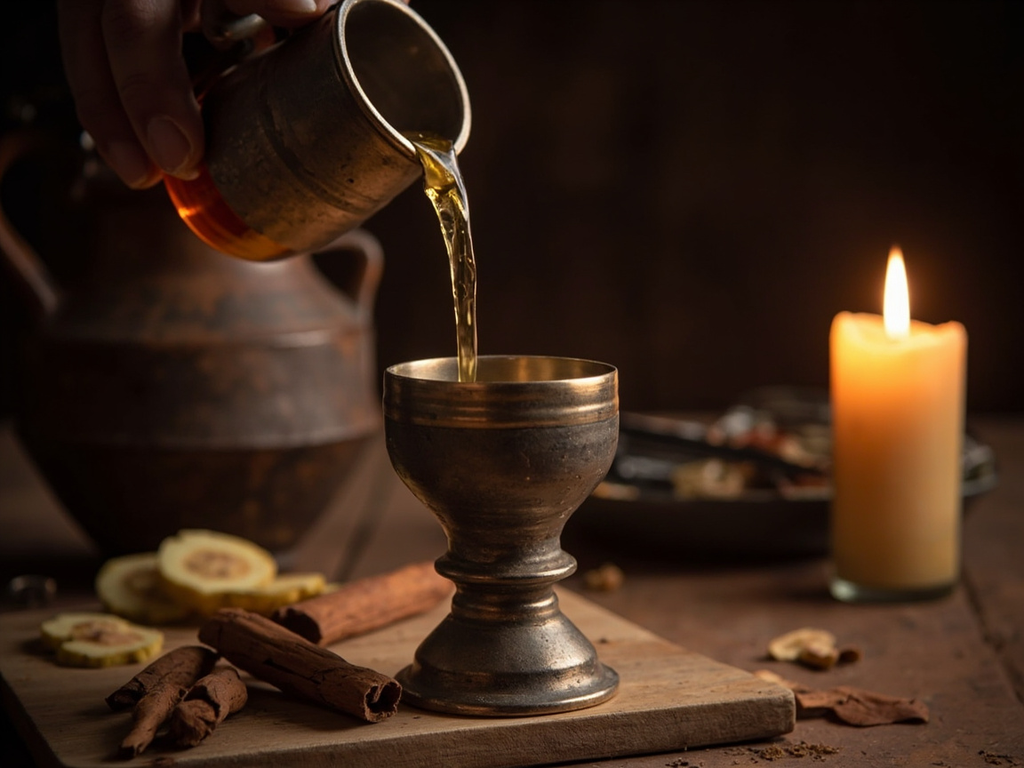
DrinkClaré — Spiced Honey Wine, Diluted with Water
Liquid Pitance (the wine of the pitance, diluted according to the rule)
🍯 🌶️· 35 min
View the recipe