 flip
flipClaré — Spiced Honey Wine, Diluted with Water
Claré — Spiced Honey Wine, Diluted with Water
Why this dish? The Dominican rule required diluting wine with water: sobriety applied to drink as much as to the table. On feast days, this light wine was perfumed with honey and spices — a modest claré that warmed without intoxicating, befitting a master who preached temperance.
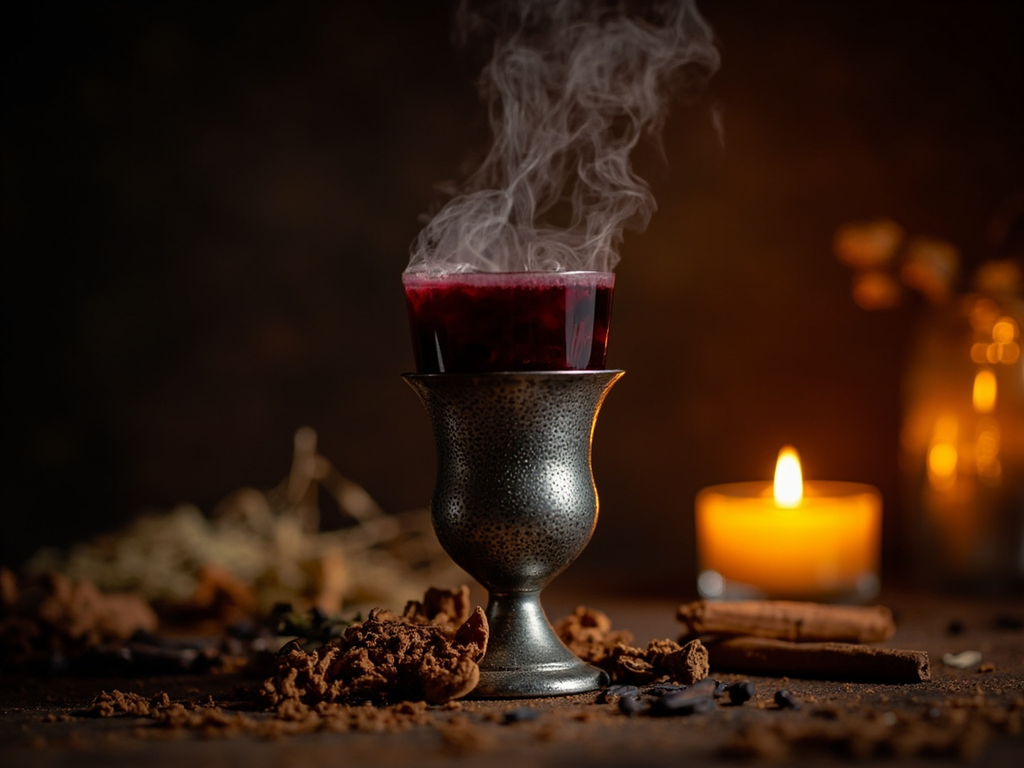
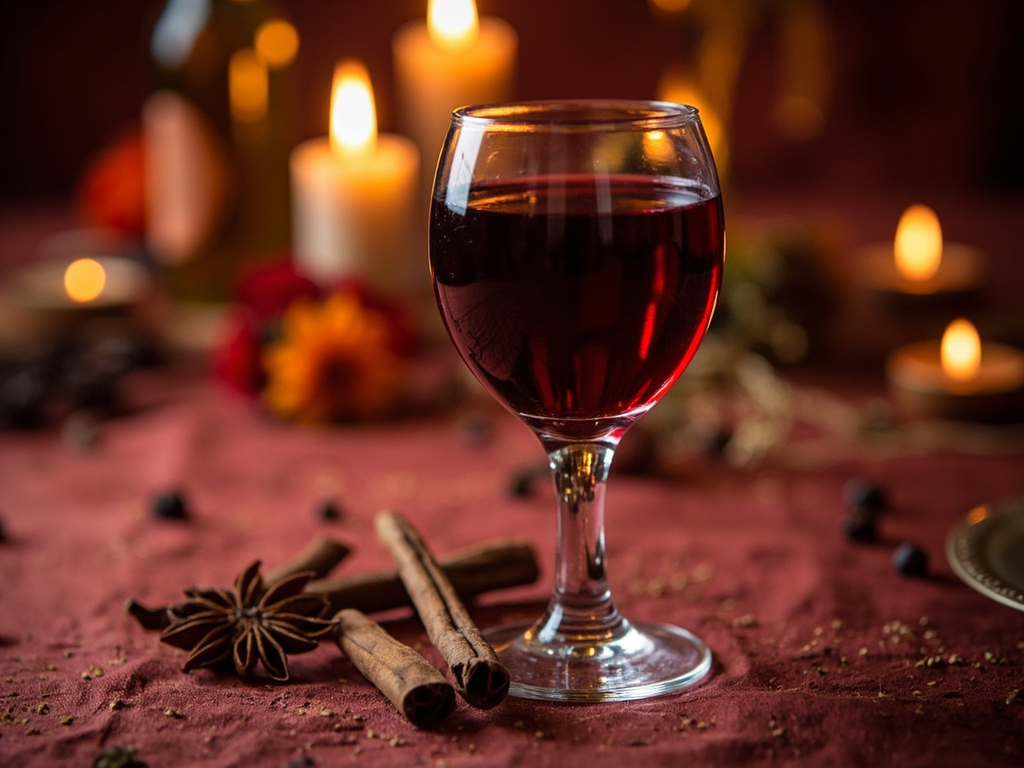
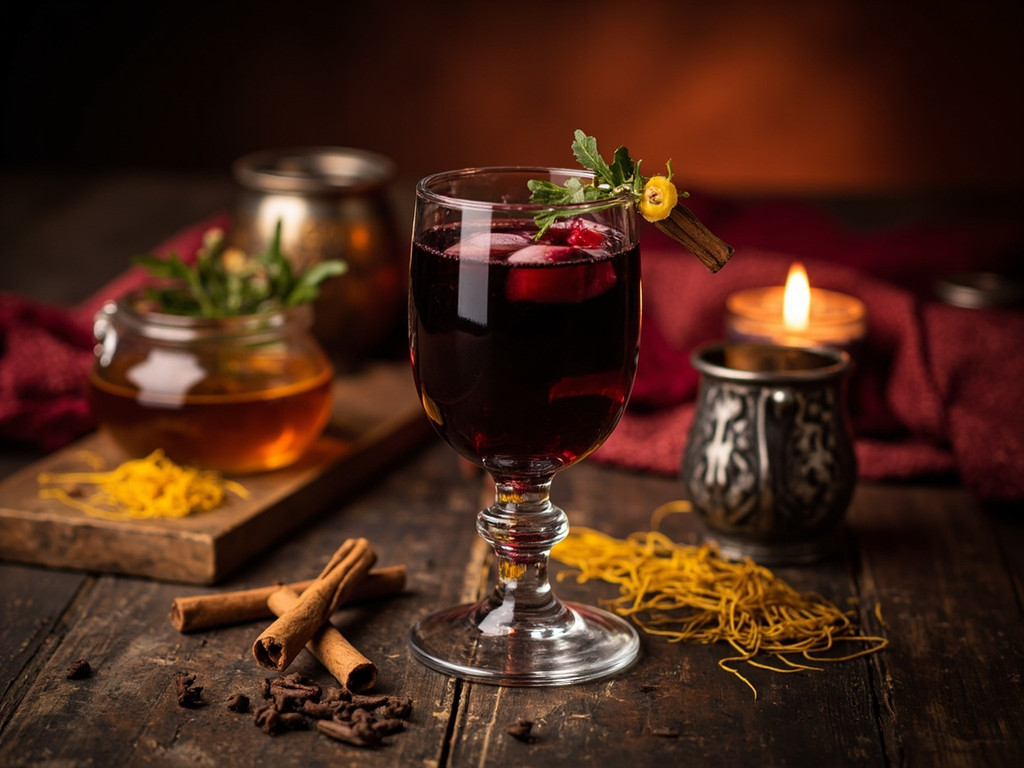
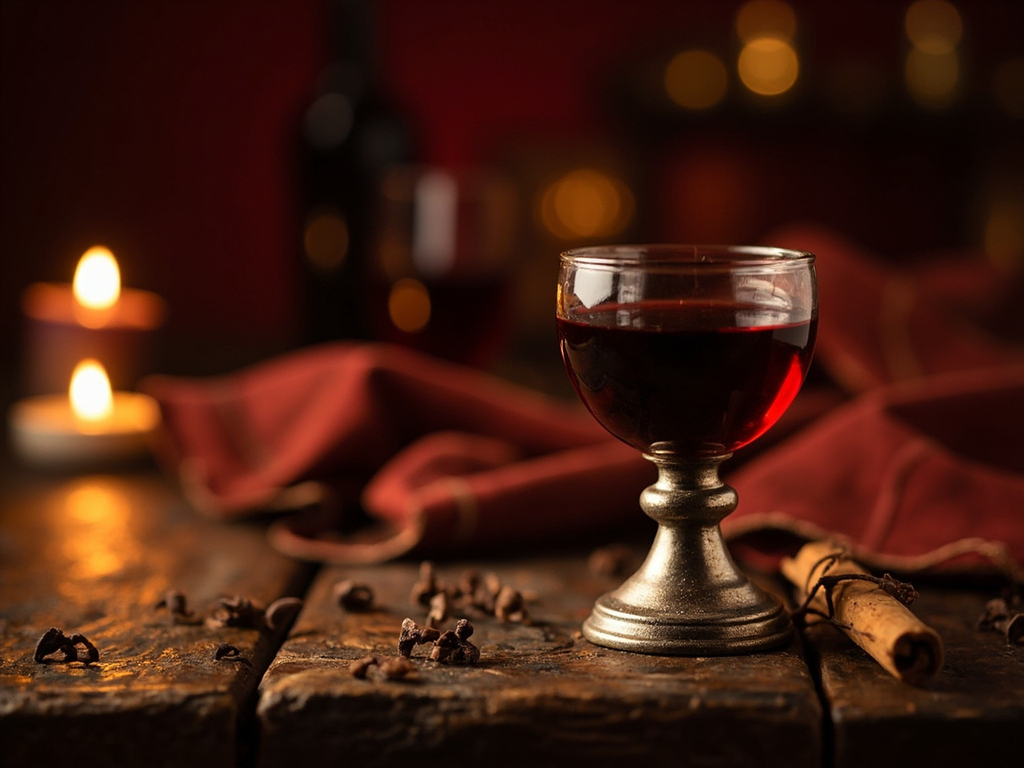
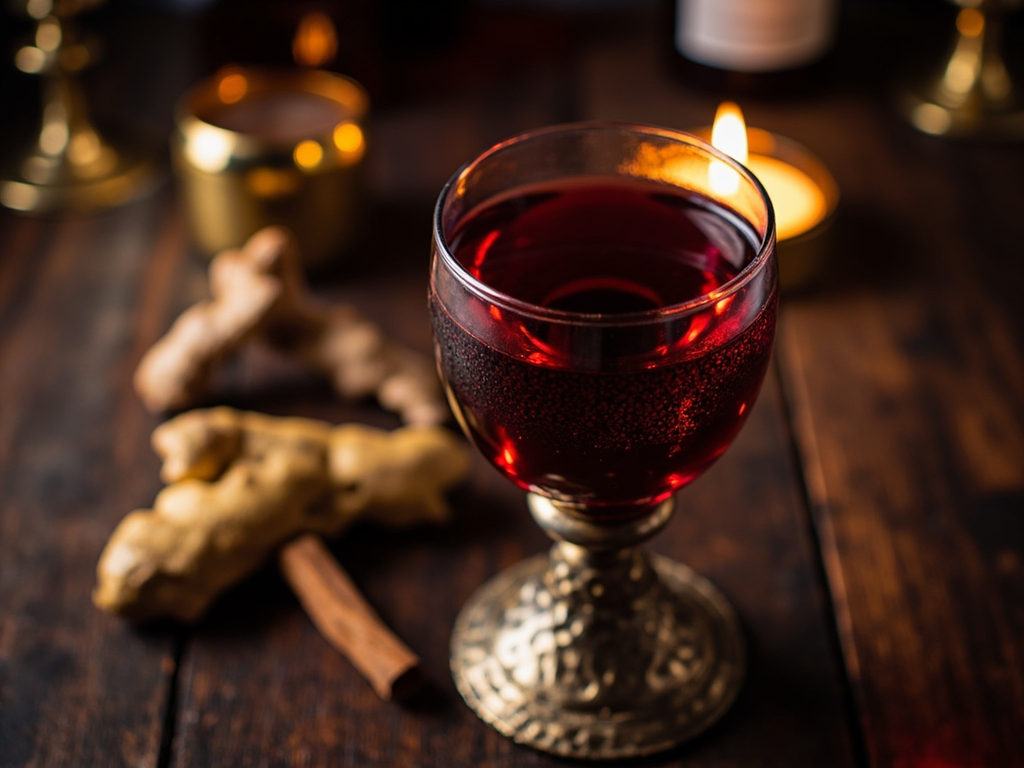
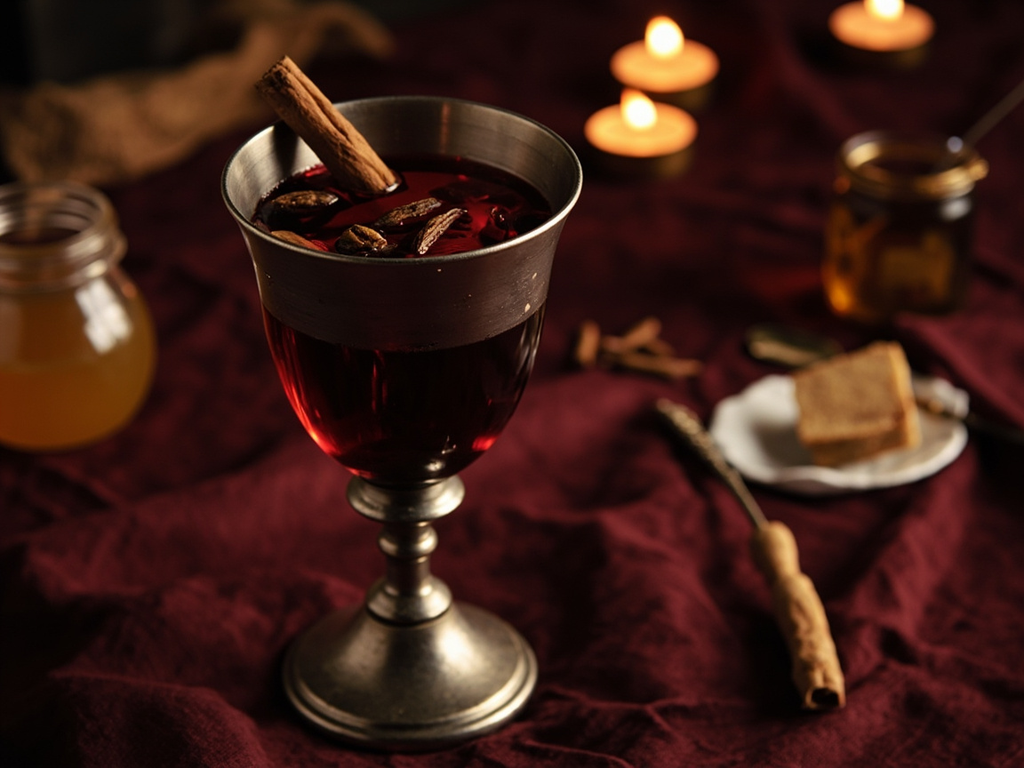
Wine gently heated with honey, cinnamon, ginger, and a little long pepper, then strained and diluted with water. Comforting, spicy, barely sweet: the wise version of hypocras, in keeping with cloister frugality.
Drink, but with measure: our rule requires that wine be baptized with water, for drunkenness is the enemy of study and prayer. For the joy of a feast, however, we perfume it with honey and warm spices — cinnamon, ginger, a grain of long pepper — which revive the stomach numbed by fasting. Warm it without boiling, strain it through a tight cloth, then add the spring water. You will taste the sweetness of a feast day without losing your head: this is how one uses the goods of this world, referring them to a higher purpose.
- •Wine (red or claret) — a pitcher (base)
- •Honey — by the spoonful, to taste (sweetness)
- •Cinnamon, ginger, long pepper — to taste (warm spices)
- •Spring water — a good part (dilution (rule of sobriety))
Claré — Spiced Honey Wine, Diluted with Water
Wine gently heated with honey, cinnamon, ginger, and a little long pepper, then strained and diluted with water. Comforting, spicy, barely sweet: the wise version of hypocras, in keeping with cloister frugality.
Why this dish? The Dominican rule required diluting wine with water: sobriety applied to drink as much as to the table. On feast days, this light wine was perfumed with honey and spices — a modest claré that warmed without intoxicating, befitting a master who preached temperance.
Drink, but with measure: our rule requires that wine be baptized with water, for drunkenness is the enemy of study and prayer. For the joy of a feast, however, we perfume it with honey and warm spices — cinnamon, ginger, a grain of long pepper — which revive the stomach numbed by fasting. Warm it without boiling, strain it through a tight cloth, then add the spring water. You will taste the sweetness of a feast day without losing your head: this is how one uses the goods of this world, referring them to a higher purpose.
Ingredients (period version)
- Wine (red or claret) — a pitcher (base)
- Honey — by the spoonful, to taste (sweetness)
- Cinnamon, ginger, long pepper — to taste (warm spices)
- Spring water — a good part (dilution (rule of sobriety))
Ingredients
- Light red or rosé wine — 500 ml (base)
- Honey — 2–3 tbsp (sweetness)
- Cinnamon stick — 1 (spice)
- Fresh ginger — 3 thin slices (spice)
- Long pepper or black pepper — 2 grains (spice)
- Water — 250 ml (adjust) (dilution (rule of sobriety))
Method
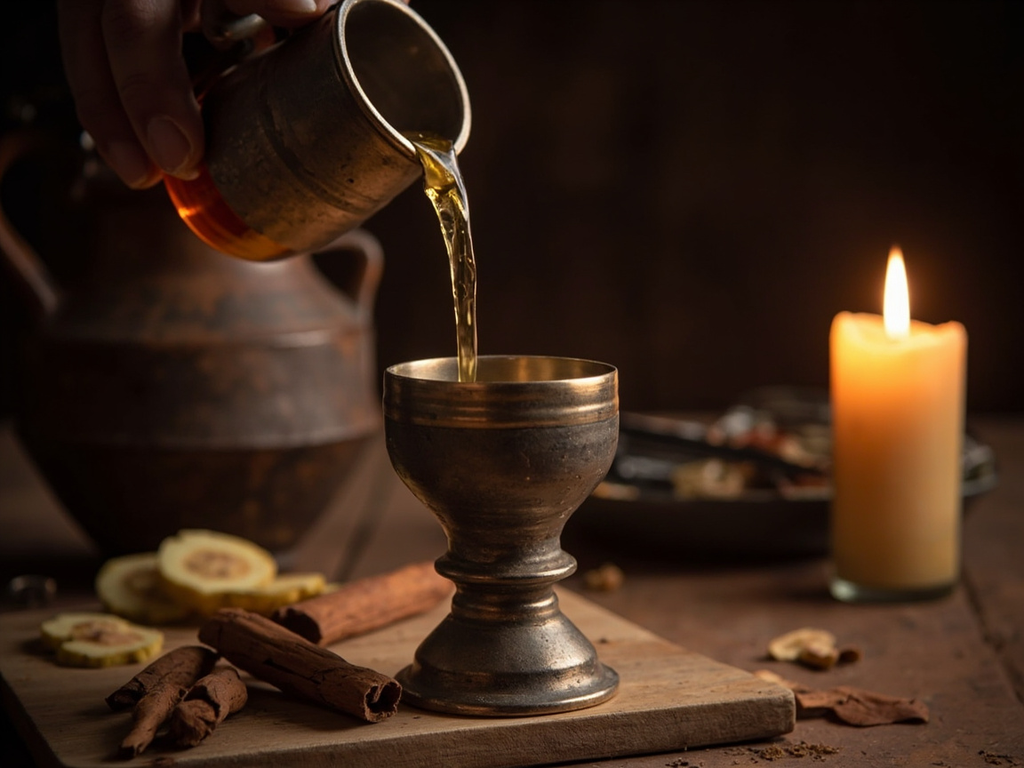
- Pour the wine into a saucepan; add the honey, cinnamon, ginger, and pepper.
- Heat very gently without ever boiling (the alcohol should not evaporate abruptly) for 10 min.
- Let steep off the heat for 15–20 min to allow the spices to infuse.
- Strain through a fine cloth or a sieve lined with cheesecloth.
- Dilute with water (cold or warm) to the desired sobriety; taste and adjust honey.
- Serve warm in cups or goblets. Non-alcoholic version: replace wine with grape juice and proceed similarly.
How it was made : 'Claré' and 'hypocras' referred to spiced, sweetened wines, strained through a cloth bag called 'Hippocrates' sleeve' — hence the name. Diluting wine with water was a general table norm in the Middle Ages, and even more an obligation among mendicant orders concerned with temperance.
The contemporary twist : Served chilled and well-diluted with sparkling water, this claré becomes a spicy medieval spritz, perfect for a summer aperitif.
Sources : Le Mesnagier de Paris, recipe for hypocras (late 14th c., reference technique) · Constitutions de l'Ordre des Prêcheurs, prescriptions on wine diluted with water (13th c.)
Albert the Great · Charactorium