Italian-style banquet — credenza and cucina courses
The grand princely feast of the Italian Renaissance, codified by papal cook Bartolomeo Scappi (*Opera*, 1570), does not oppose starter-main-dessert but alternates two registers: the *servizio di credenza* (cold dishes arranged on the buffet — cured meats, fruit pastes, confections, candied fruits) and the *servizio di cucina* (hot dishes from the kitchen — roasts, soups, pies). Several courses are served, each comprising multiple dishes, with sweet and savory mingling throughout, and spices signaling the host's rank. At the table of a Farnese, grandson of a pope and prince of Parma, profusion was political discourse.
Signature : Saffron and agresto (the play of sweet-and-sour)
The Italian court cuisine of the Cinquecento loves the gold of saffron and the balance of *agrodolce*: *agresto* (sour green grape juice, or verjuice) and vinegar sharpened with sugar, cinnamon, and ginger. This sweet-sour-spicy tension, inherited from the Middle Ages but refined by Scappi, perfumes both a roast and a drink.
Alessandro Farnese at the table
1520 — 1589
4 period recipes
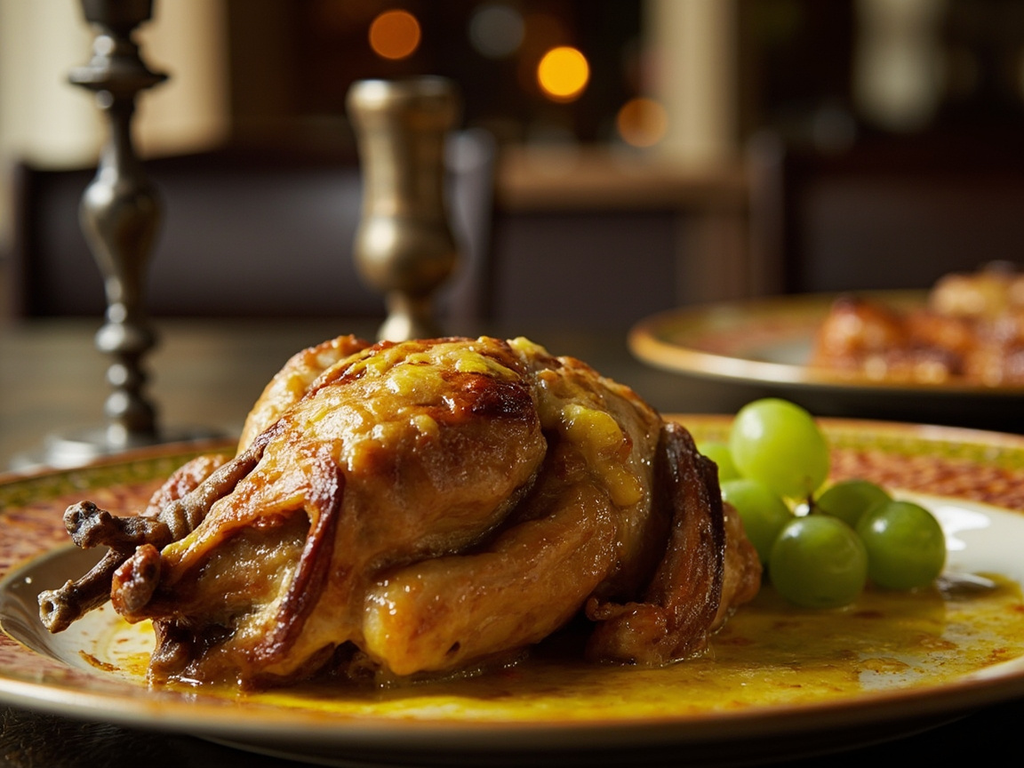 Festive
Roasted partridge with saffron agresto
Servizio di cucina — roast of the hot course
🍋 🌶️· 50 min
View the recipe
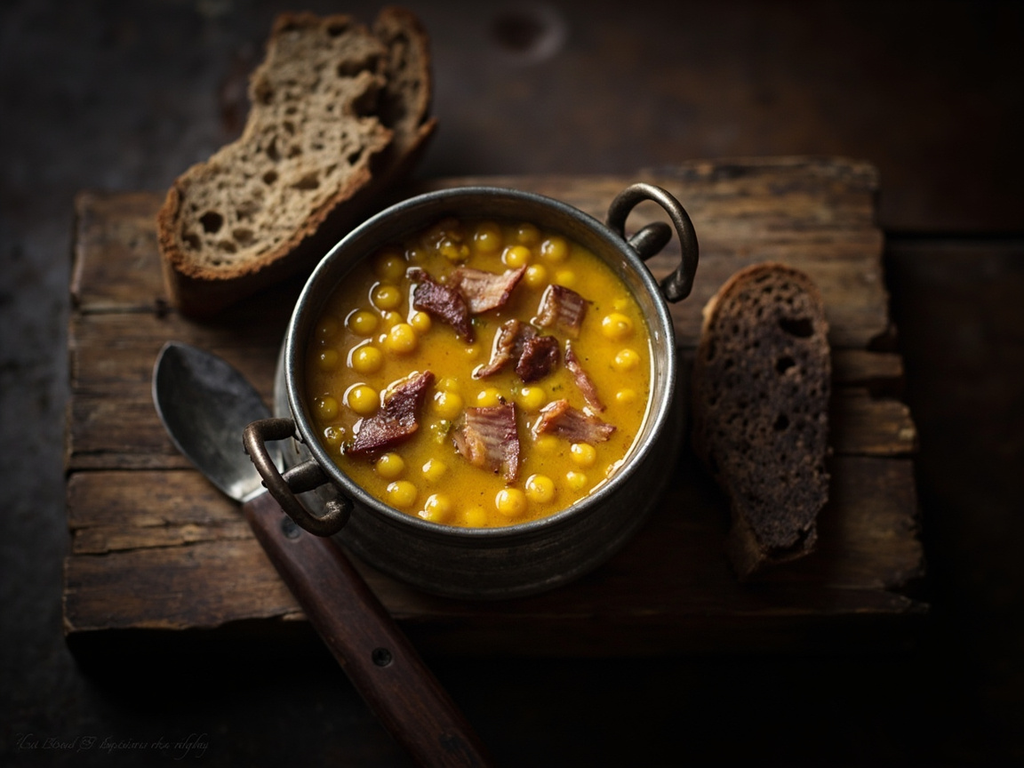 Everyday
Pease pottage with bacon from the Flemish camps
Ordinary field fare — shared mess under the tent
🧂 🍄· 1 h 10
View the recipe
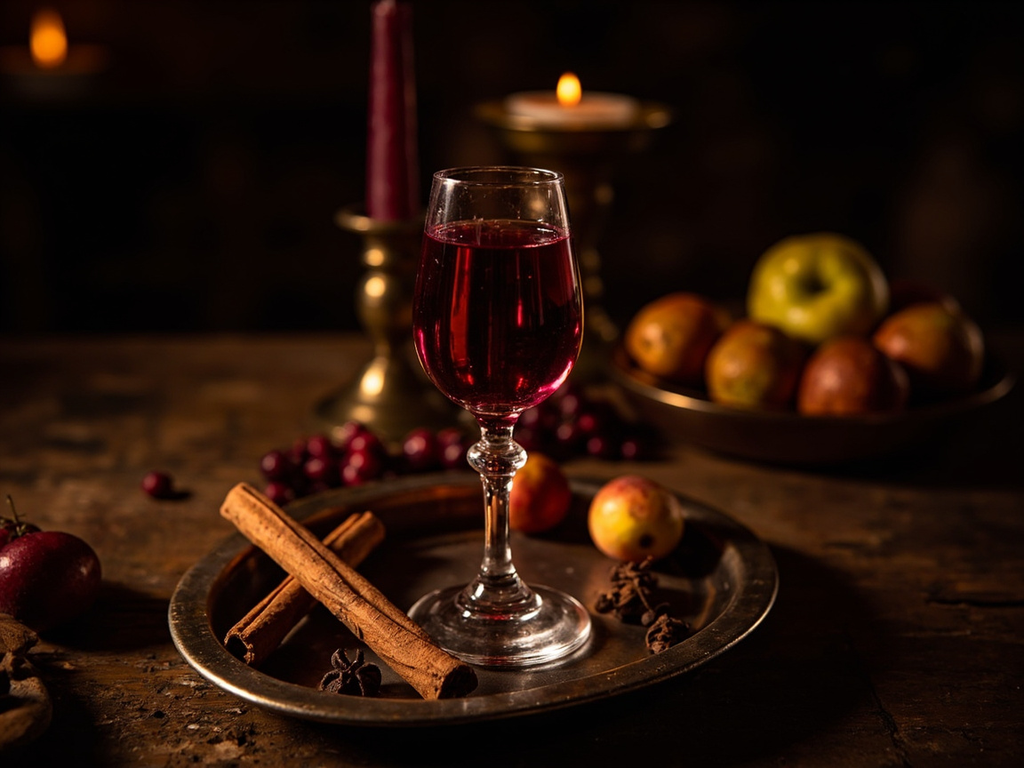 Drink
DrinkIpocrasso — spiced golden wine
Servizio di credenza — showpiece drink served at the close
🍯 🌶️· 15 min (+ maceration)
View the recipe
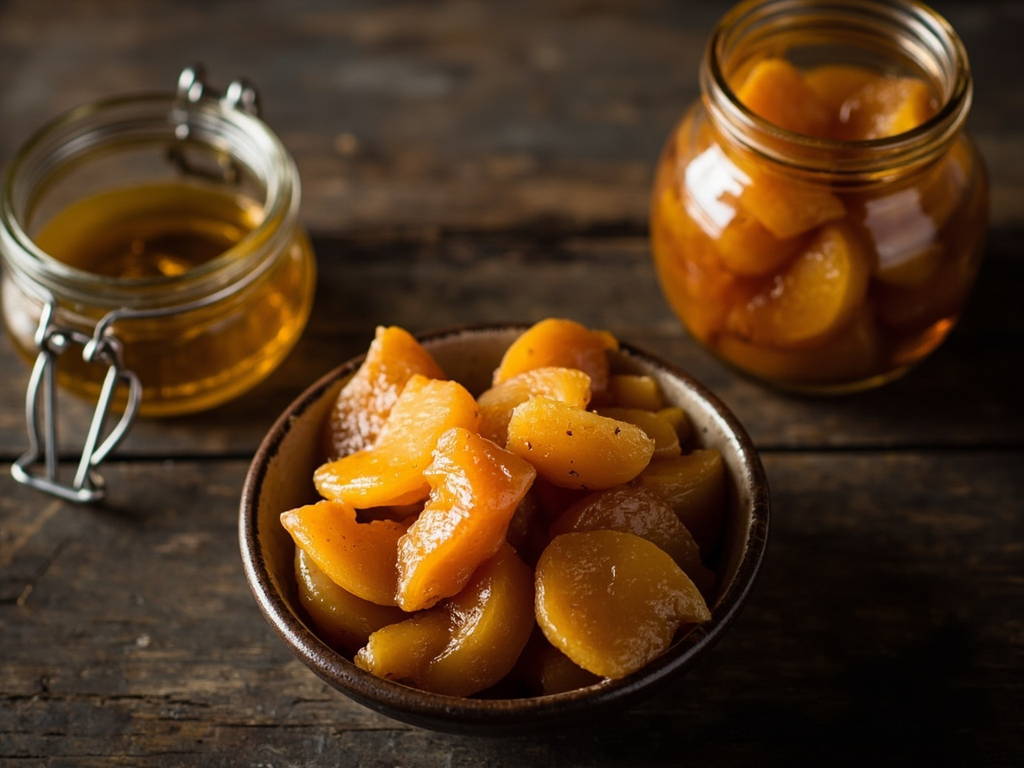 Preserving
Mostarda of Parma — fruits in syrup with mustard
Servizio di credenza — sweet condiment preserved in the cold buffet
🍯 🍋 🌶️· 45 min active (+ 2–3 days candying)
View the recipe