 flip
flipIpocrasso — spiced golden wine
Ipocrasso — spiced golden wine
Why this dish? The bio reminds us: at his table they drank wines of Italy and Spain. Spiced and sweet, hippocras crowned princely Renaissance banquets, served with the confections of the last course.
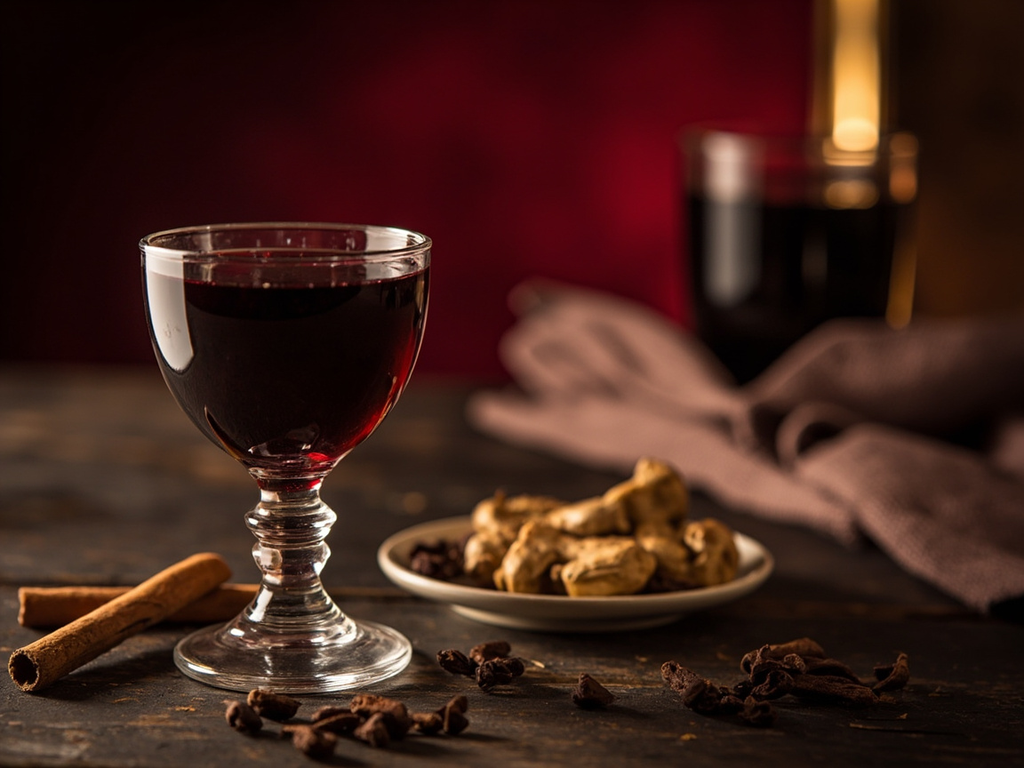
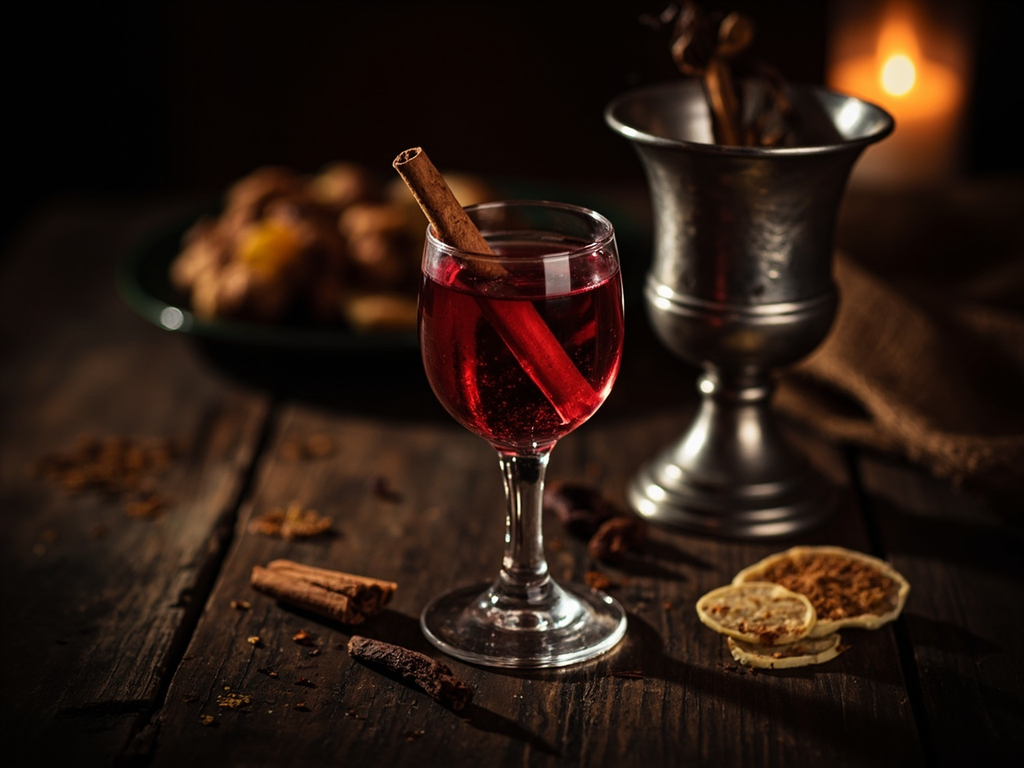
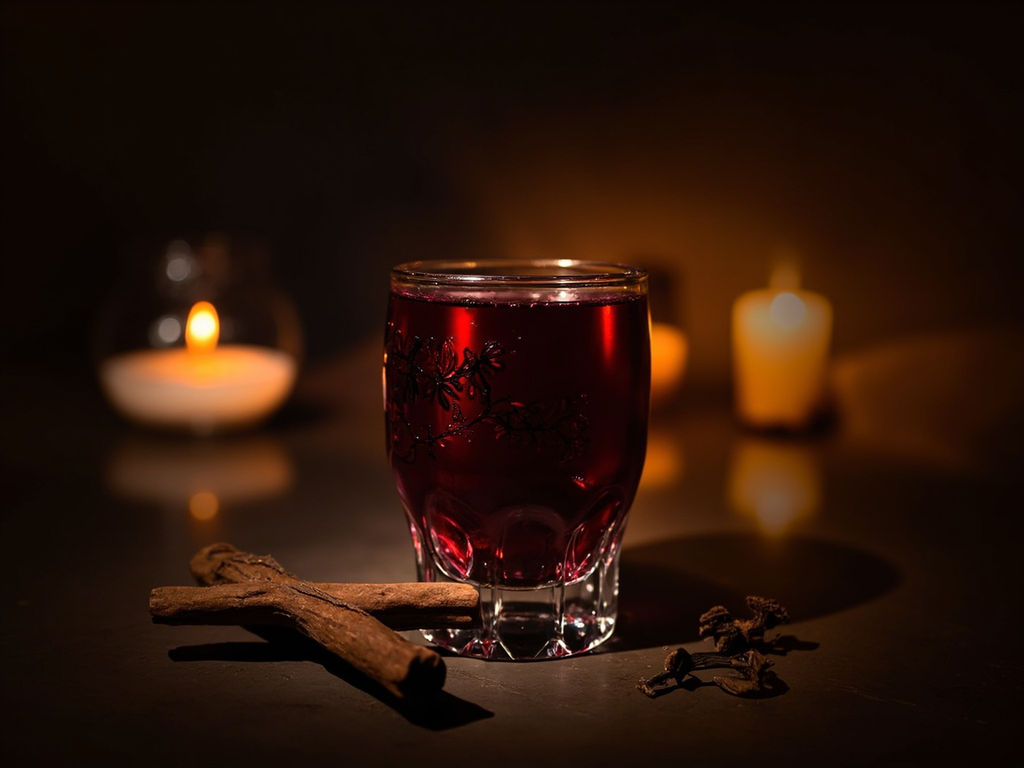
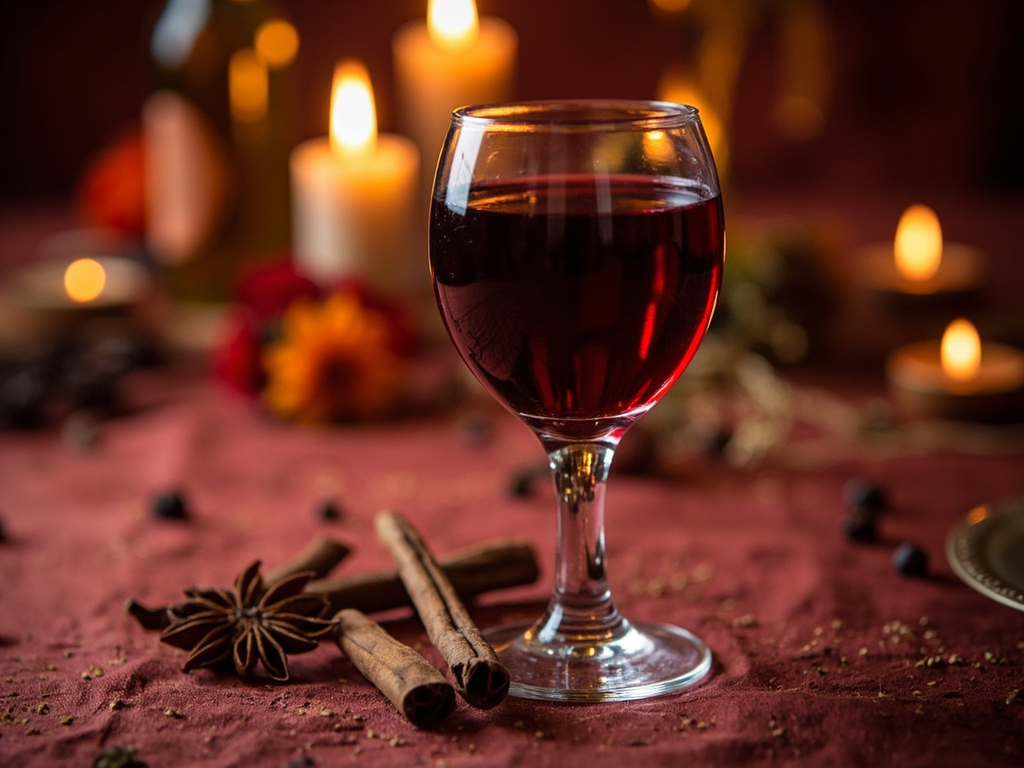
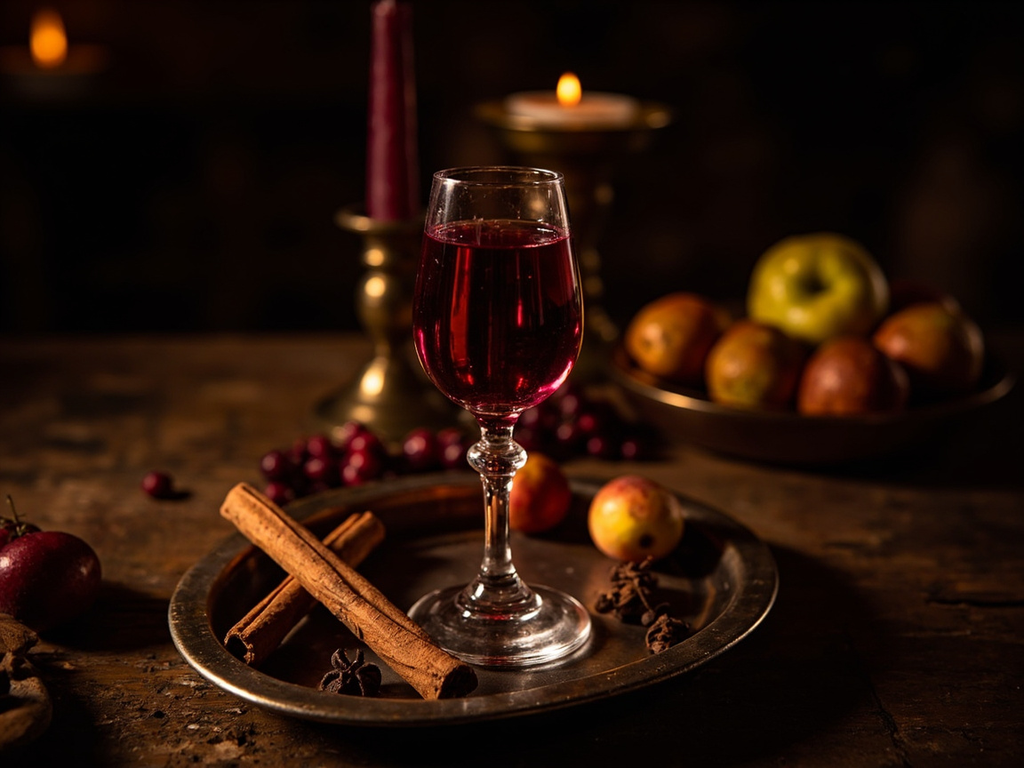
A red or white wine infused with cinnamon, ginger, cloves, and sugar, then clarified through a wool filter: the golden liqueur that seals a great meal and warms Flemish evenings.
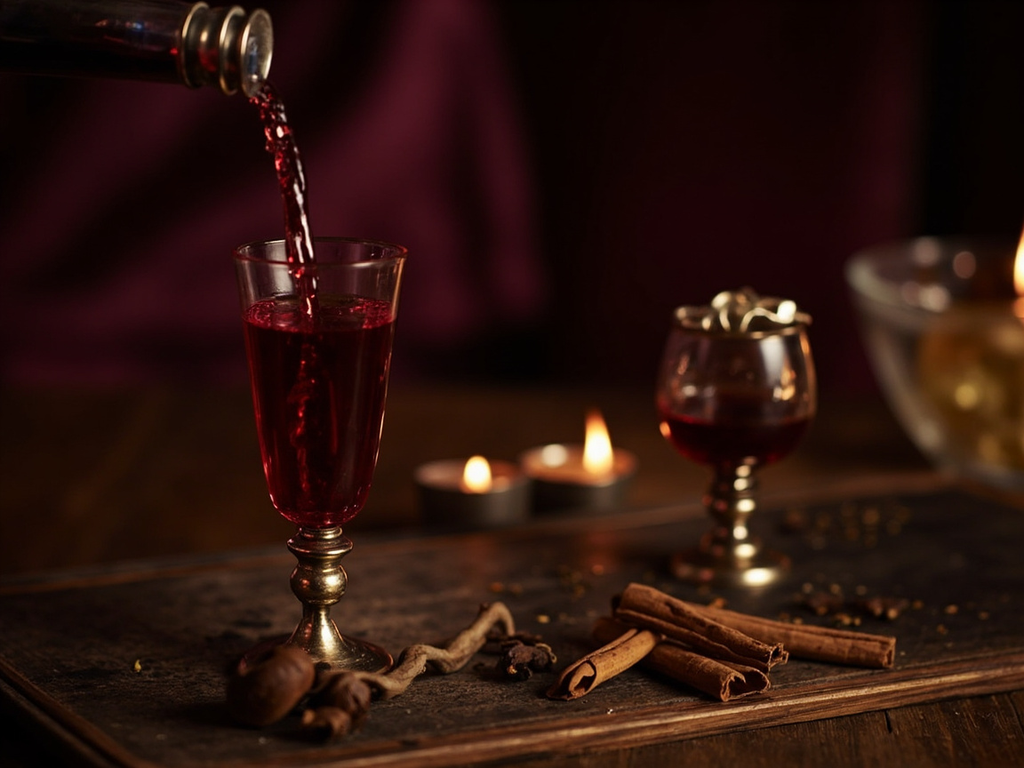
To close a meal with dignity, one cannot do without *ipocrasso*. Take a good wine — from Italy for warmth, from Spain for strength — and marry it with cinnamon, ginger, and cloves, with enough sugar to caress the tongue. Let the spices steep, then strain and strain again through the woolen sleeve until it runs clear as a ruby. It is poured to guests with dragées and candied fruits: thus one leaves the mouth sweet and the spirit content.
- •Wine (red or white, from Italy or Spain) — a pint (base)
- •Sugar — generously (sweetness)
- •Cinnamon — one stick (master spice)
- •Ginger — a little (warmth)
- •Clove — a few (fragrance)
- •Grains of paradise or long pepper — a pinch (noble pungency)
Ipocrasso — spiced golden wine
A red or white wine infused with cinnamon, ginger, cloves, and sugar, then clarified through a wool filter: the golden liqueur that seals a great meal and warms Flemish evenings.
Why this dish? The bio reminds us: at his table they drank wines of Italy and Spain. Spiced and sweet, hippocras crowned princely Renaissance banquets, served with the confections of the last course.
To close a meal with dignity, one cannot do without *ipocrasso*. Take a good wine — from Italy for warmth, from Spain for strength — and marry it with cinnamon, ginger, and cloves, with enough sugar to caress the tongue. Let the spices steep, then strain and strain again through the woolen sleeve until it runs clear as a ruby. It is poured to guests with dragées and candied fruits: thus one leaves the mouth sweet and the spirit content.
Ingredients (period version)
- Wine (red or white, from Italy or Spain) — a pint (base)
- Sugar — generously (sweetness)
- Cinnamon — one stick (master spice)
- Ginger — a little (warmth)
- Clove — a few (fragrance)
- Grains of paradise or long pepper — a pinch (noble pungency)
Ingredients
- Full-bodied red wine (or sweet white) — 750 ml (base)
- Sugar — 100 to 120 g (sweetness)
- Cinnamon stick — 1 (master spice)
- Fresh ginger — 3 thin slices (warmth)
- Cloves — 3 (fragrance)
- Long pepper (or black pepper, if unavailable) — 1 pinch (pungency)
- Grated nutmeg — a pinch (fragrance)
Method
- Combine the wine, sugar, and all spices in a bowl; stir to dissolve the sugar.
- Let infuse cold for at least 2 hours (ideally overnight) — period hippocras was not boiled, it macerated.
- Strain carefully through a fine cloth or coffee filter several times until perfectly clear.
- Serve chilled or at room temperature in small goblets, with candied fruits or biscuits.
- Hot version (optional, for a Flemish winter evening): warm gently without boiling before straining.
How it was made : Hippocras takes its name from Hippocrates' sleeve, the conical wool filter through which it was clarified. Medieval in origin, it remained the closing beverage of banquets in the Cinquecento, at once a sweet treat, a digestif, and a display of luxury (sugar and spices were costly). It was drunk with the dry preserves of the *servizio di credenza*.
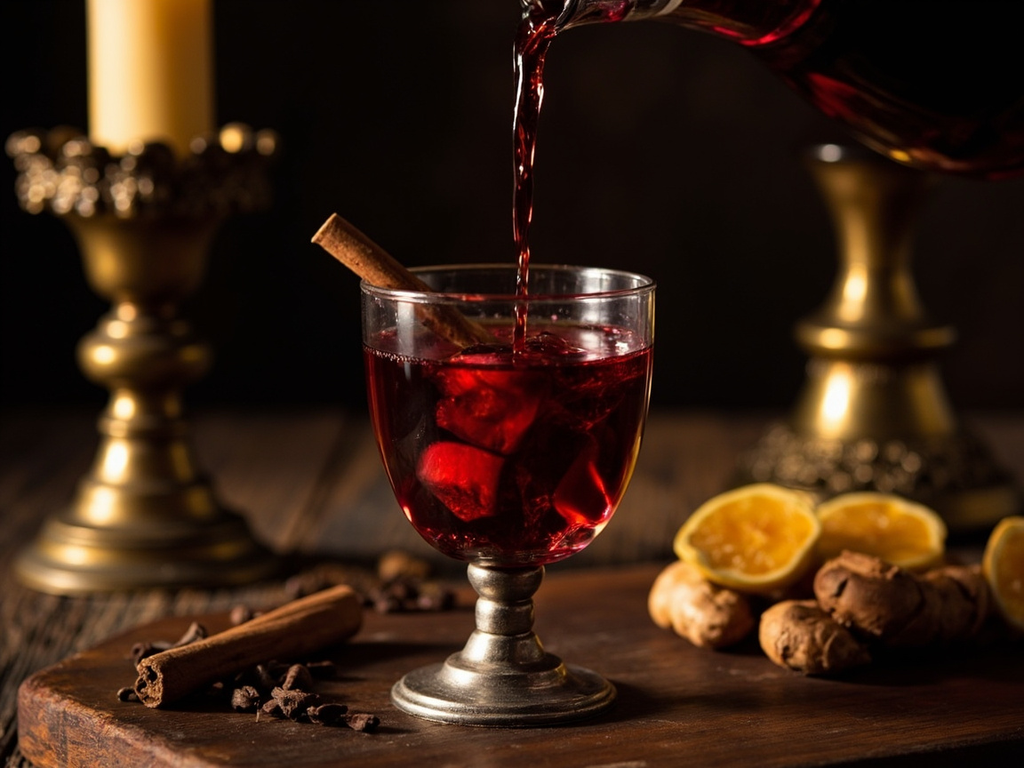
The contemporary twist : Served over a large ice cube with an orange twist, *ipocrasso* becomes a surprising Renaissance aperitif for a modern table.
Sources : Le Ménagier de Paris, circa 1393 (ypocras recipe) · Bartolomeo Scappi, Opera, 1570
Alessandro Farnese · Charactorium