 flip
flipPease pottage with bacon from the Flemish camps
Pease pottage with bacon from the Flemish camps
Why this dish? At the Siege of Antwerp (1584–1585), Farnese built his famous bridge of boats across the Scheldt. In the field, the general's ordinary fare approached that of the soldier: dried peas and salted bacon, garrison food that keeps and travels well.
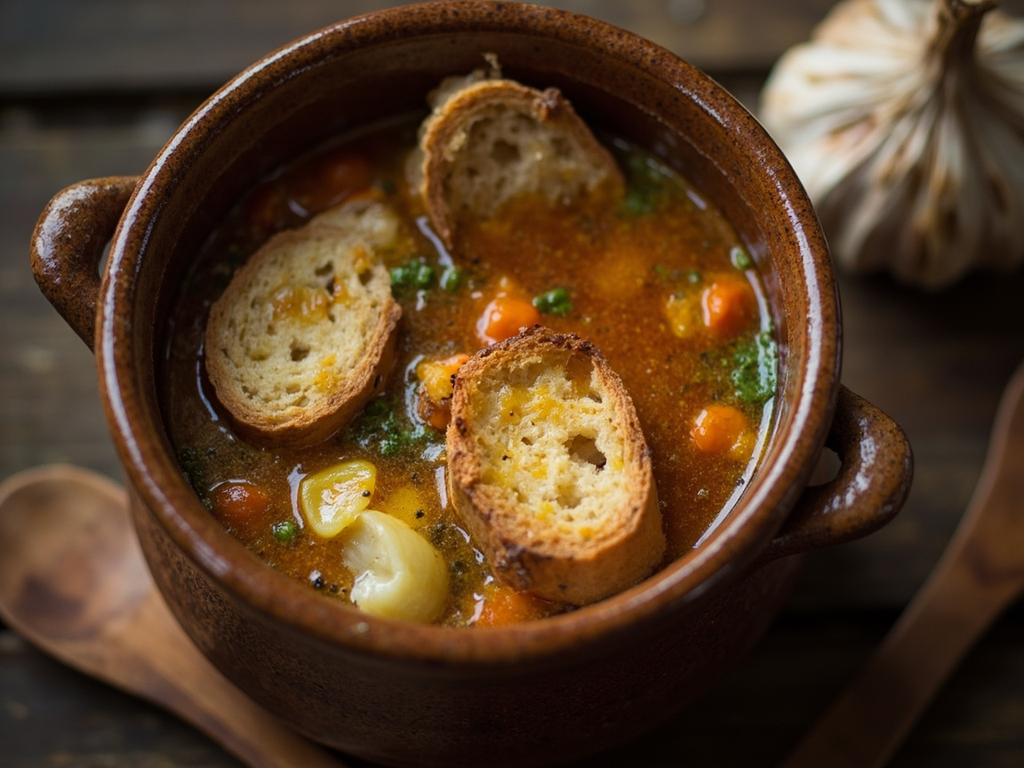
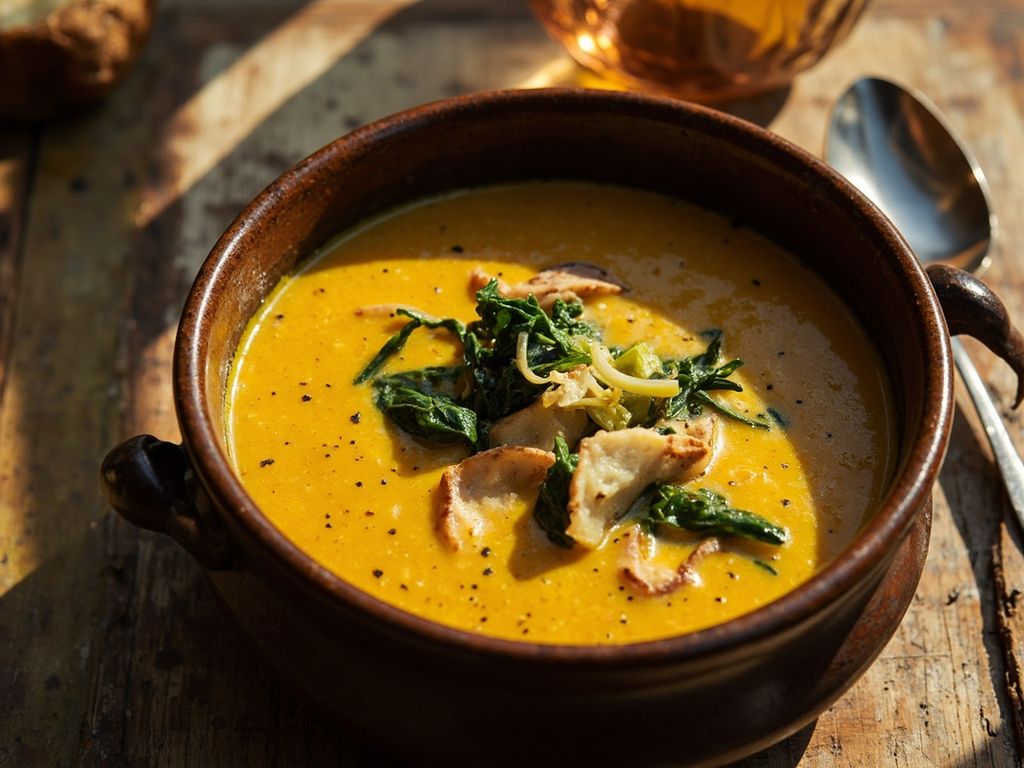
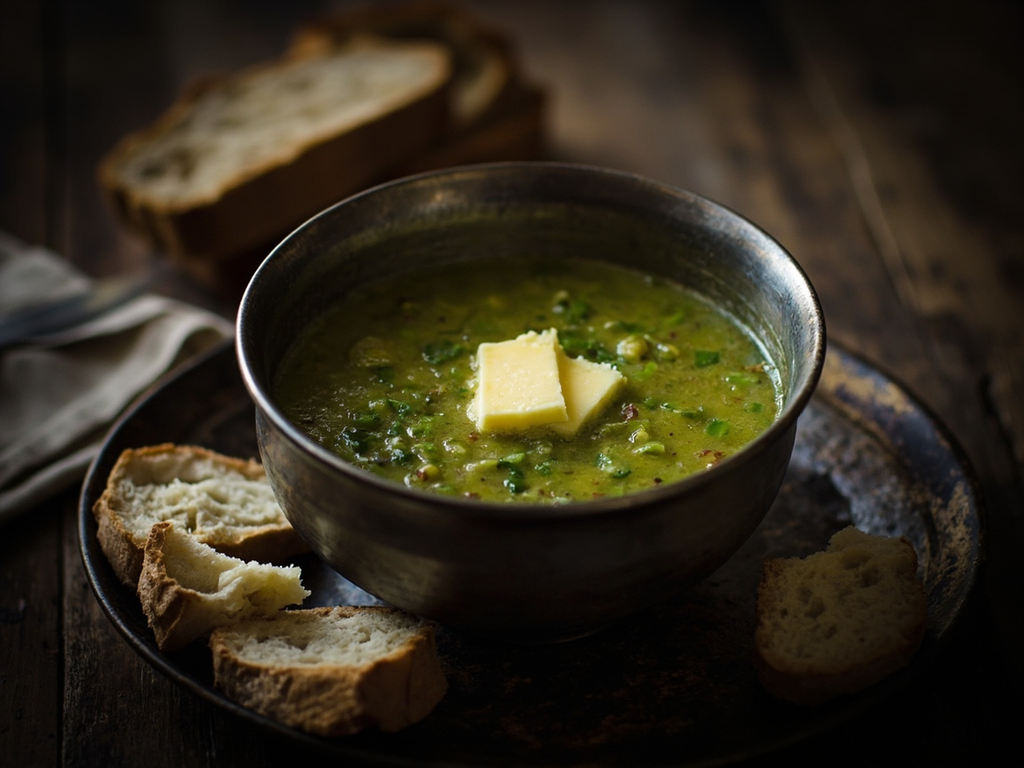
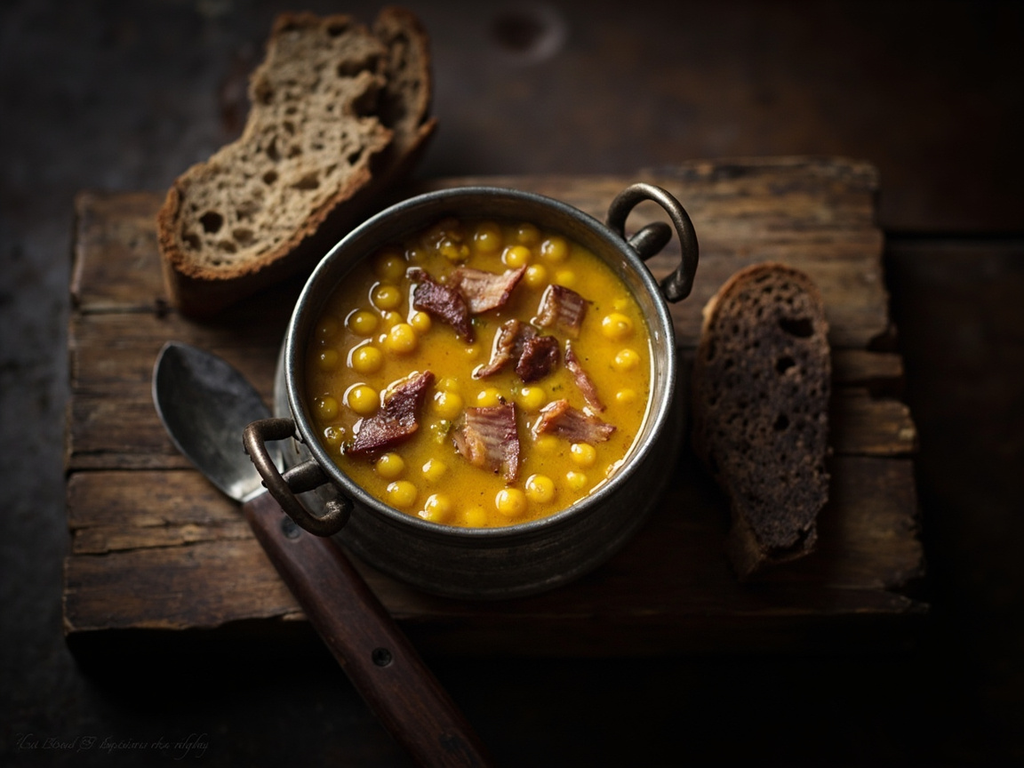
A thick porridge of split peas simmered with salted bacon, onion, and a touch of spice: the belly of the armies of Flanders, hearty and comforting under the northern rain.
Do not think that in camp I always dine like a prince. Before Antwerp, while my men labored to build the bridge over the Scheldt, I ate as they did: this pottage of peas and bacon, thick enough to stand a spoon upright, warming a man chilled by the mists of this waterland. Cook it long, until the peas fall apart, and spare neither bacon nor onion. A captain who shares his soldiers' mess is better obeyed than one who wields the command staff.
- •Dried peas (split) — a good bowlful (nourishing base)
- •Salted bacon — a piece (fat and salt, preservation)
- •Onion — one or two (aromatic)
- •Pepper and a little saffron — according to rank (spice)
- •Stale bread — as desired (accompaniment, for dipping)
Pease pottage with bacon from the Flemish camps
A thick porridge of split peas simmered with salted bacon, onion, and a touch of spice: the belly of the armies of Flanders, hearty and comforting under the northern rain.
Why this dish? At the Siege of Antwerp (1584–1585), Farnese built his famous bridge of boats across the Scheldt. In the field, the general's ordinary fare approached that of the soldier: dried peas and salted bacon, garrison food that keeps and travels well.
Do not think that in camp I always dine like a prince. Before Antwerp, while my men labored to build the bridge over the Scheldt, I ate as they did: this pottage of peas and bacon, thick enough to stand a spoon upright, warming a man chilled by the mists of this waterland. Cook it long, until the peas fall apart, and spare neither bacon nor onion. A captain who shares his soldiers' mess is better obeyed than one who wields the command staff.
Ingredients (period version)
- Dried peas (split) — a good bowlful (nourishing base)
- Salted bacon — a piece (fat and salt, preservation)
- Onion — one or two (aromatic)
- Pepper and a little saffron — according to rank (spice)
- Stale bread — as desired (accompaniment, for dipping)
Ingredients
- Split peas — 300 g (base)
- Salt-cured or smoked bacon — 150 g (fat and umami)
- Onion — 1 large (aromatic)
- Pepper — to taste (spice)
- Saffron (optional) — 1 pinch (color, courtly nod)
- Water or broth — 1.2 L (cooking liquid)
- Rustic stale bread — a few slices (for dipping)
Method
- Rinse the split peas. Dice the bacon into lardons, slice the onion.
- Sweat the lardons and onion in a pot until colored.
- Add the peas and water (or broth), bring to a boil, then simmer covered for 45–60 minutes, stirring occasionally, until the peas break down.
- Season with pepper; add saffron if you want the court's gold in the camp mess. Salt cautiously (the bacon is already salty).
- Serve very thick, over slices of stale bread that soak up the pottage.
How it was made : The armies of the 16th–17th centuries lived on army bread, peas, and salted bacon — dry provisions that kept and could be transported. In the soggy Flemish lowlands, this hot pottage was the true strength of the troops; it was thickened with bread to fill stomachs before a march or assault.
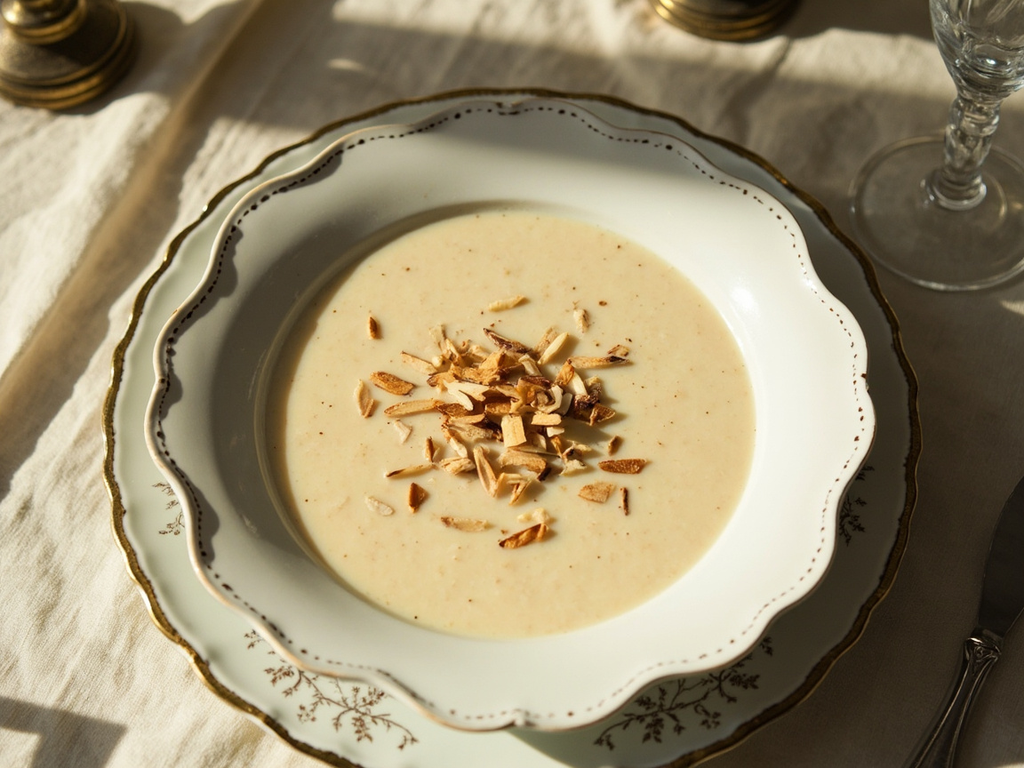
The contemporary twist : A spoonful of mustard and a few butter-toasted croutons turn this siege mess into a rustic velouté entirely presentable today.
Sources : Geoffrey Parker, The Army of Flanders and the Spanish Road, 1567–1659, 1972
Alessandro Farnese · Charactorium