Between the Llano Hearth and the European Table
Humboldt did not eat according to a single menu but according to two worlds that his existence connected. In the American field, the rhythm was that of the traveler: a hot drink at dawn before the march, a cold ration of dried meat and corn cake at midday near the fogón (campfire), a medicinal herbal tea in the evening as a precaution. In Europe, it was the mesa, the regulated table of the learned dinners of Berlin and Paris. Each recipe is therefore named by its place in one or the other of these structures, rather than by the starter-main course-dessert grid.
Signature : Cacao and Cinchona Bark
Two American plants that Humboldt observed and described with a naturalist's attention: cacao, which he studied in Venezuelan plantations and whose trade he discussed, and cinchona (cinchona) from the Andes of Loja, the febrifuge bark that fascinated the scholars of his time. One nourishes and warms, the other heals — both speak to the scientific gaze Humboldt cast upon what he brought to his mouth.
Alexander von Humboldt at the table
1769 — 1859
5 period recipes
 Travel
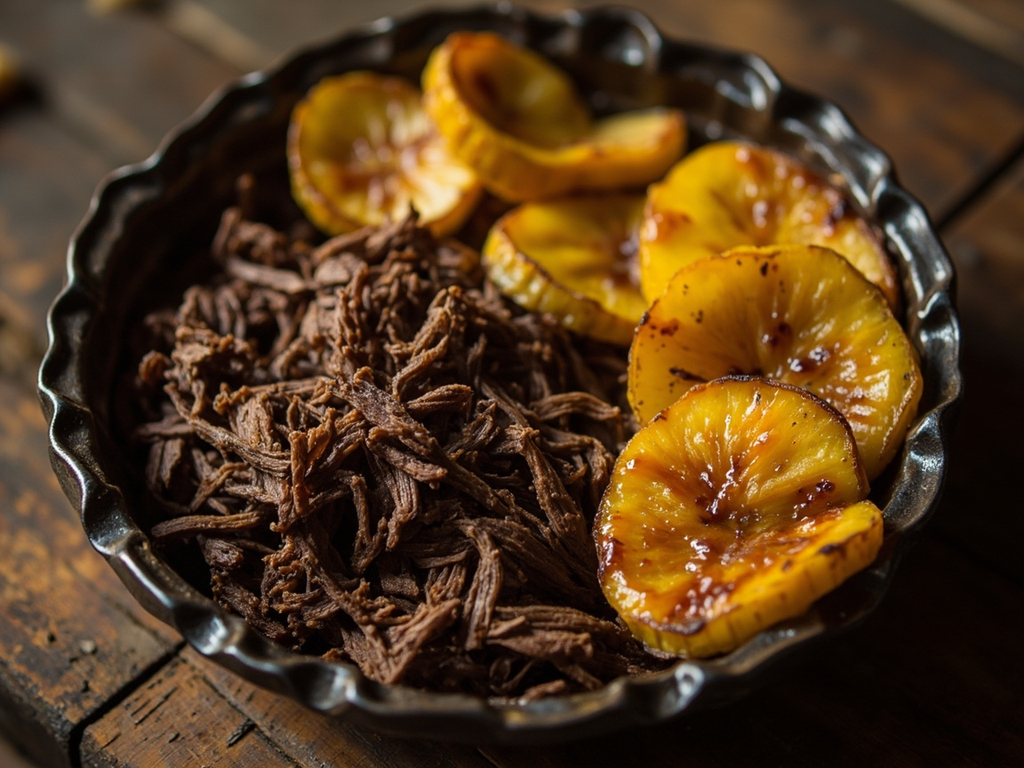
Ración de tasajo con plátano (Dried Meat and Plantain from the Campfire)
Ración de fogón — the traveler's cold portion, taken at midday near the campfire
🧂 🍄· 40 min (plus soaking)
View the recipe
 Drink
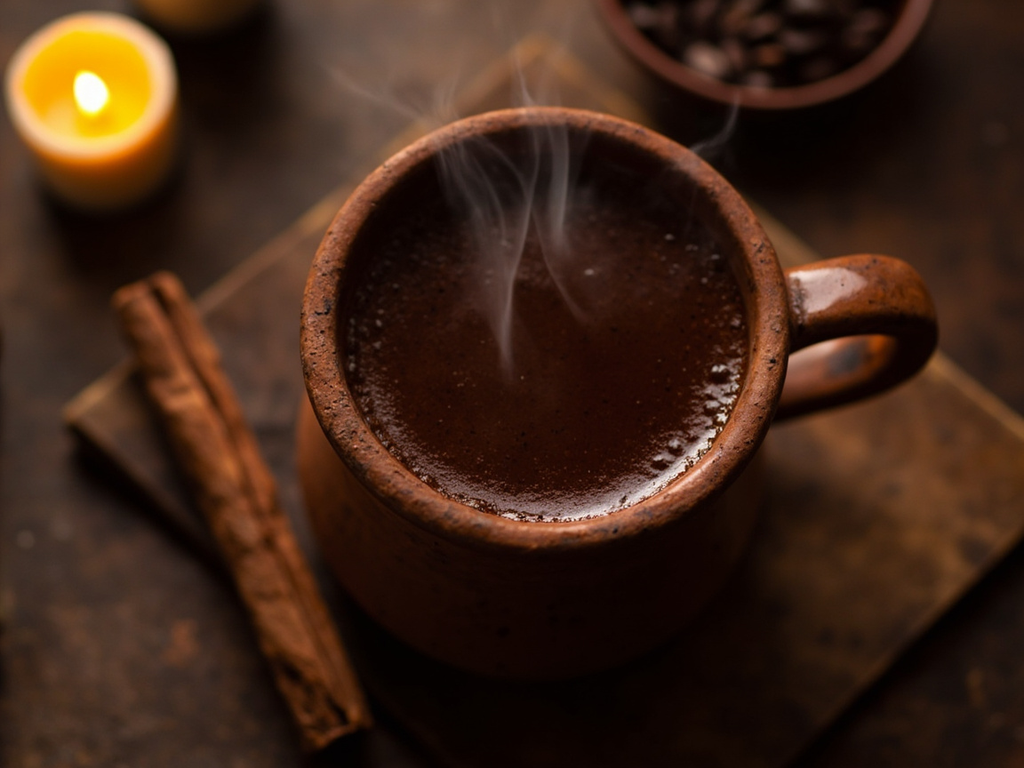
DrinkChocolate criollo (Whipped Cacao of the Americas)
Bebida de la mañana — the hot drink at dawn, before the march
☕ 🍯 🌶️· 15 min
View the recipe
 Everyday
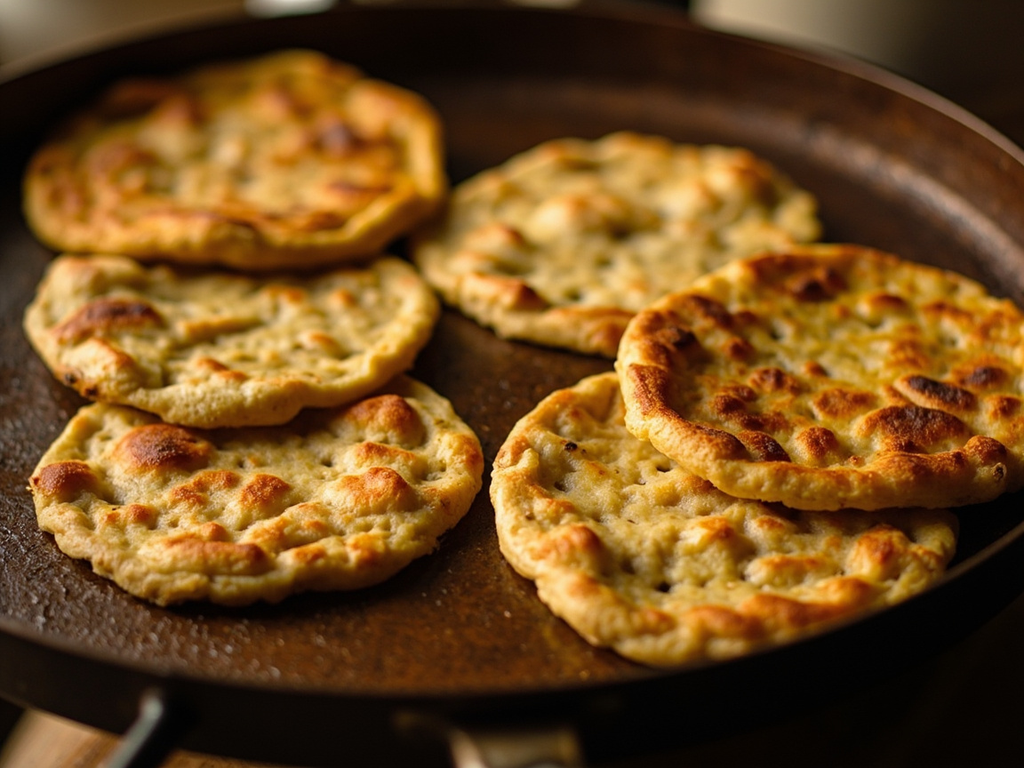
Arepa de maíz (Corn Cake of the Plains)
Pan de maíz — the daily bread, cooked on the griddle, replacing wheat bread
🧂· 30 min
View the recipe
 Festive
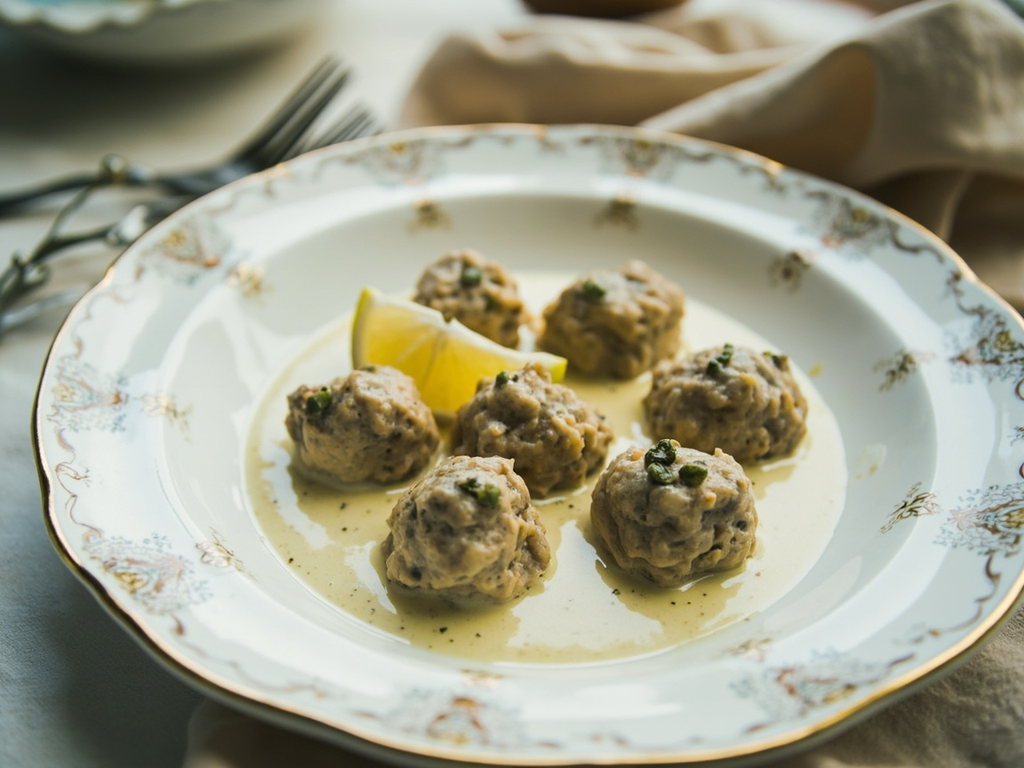
Königsberger Klopse (Prussian Meatballs in Caper Sauce)
Plato de mesa — the dish of the regulated European table, served at dinner
🧂 🍋· 1 h
View the recipe
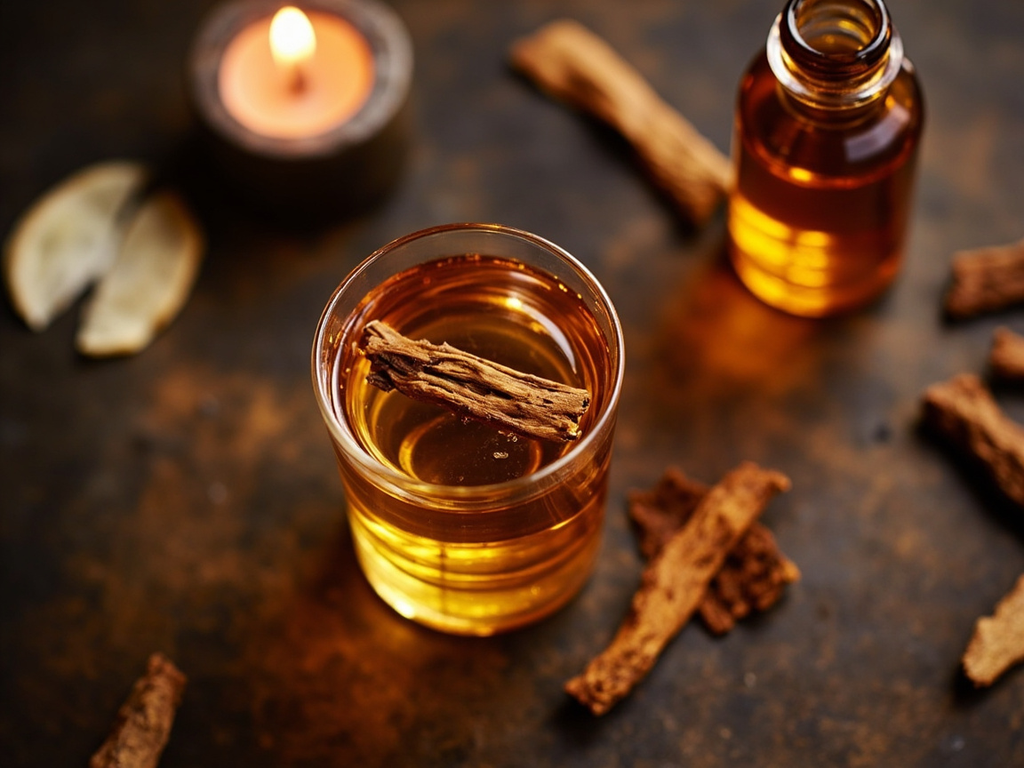 Remedy
Cinchona Bark Infusion (Febrifuge Herbal Tea of the Andes)
Tisana de botica — the medicinal evening preparation, as a precaution against fevers
☕· 15 min
View the recipe