 flip
flipCinchona Bark Infusion (Febrifuge Herbal Tea of the Andes)
Cinchona Bark Infusion (Febrifuge Herbal Tea of the Andes)
Why this dish? Humboldt studied the cinchona forests in the Andes of Loja and discussed the febrifuge bark, then the most prized febrifuge in Europe. In the tropics where fevers raged, a light infusion of bitter bark was the precaution of the learned traveler.
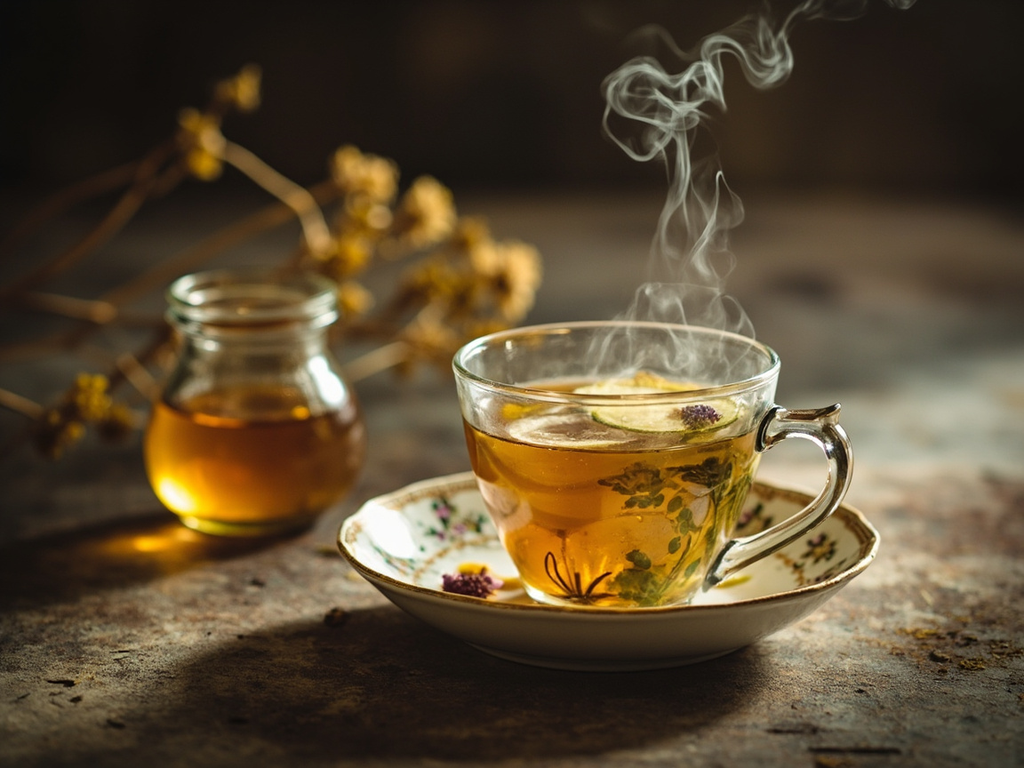
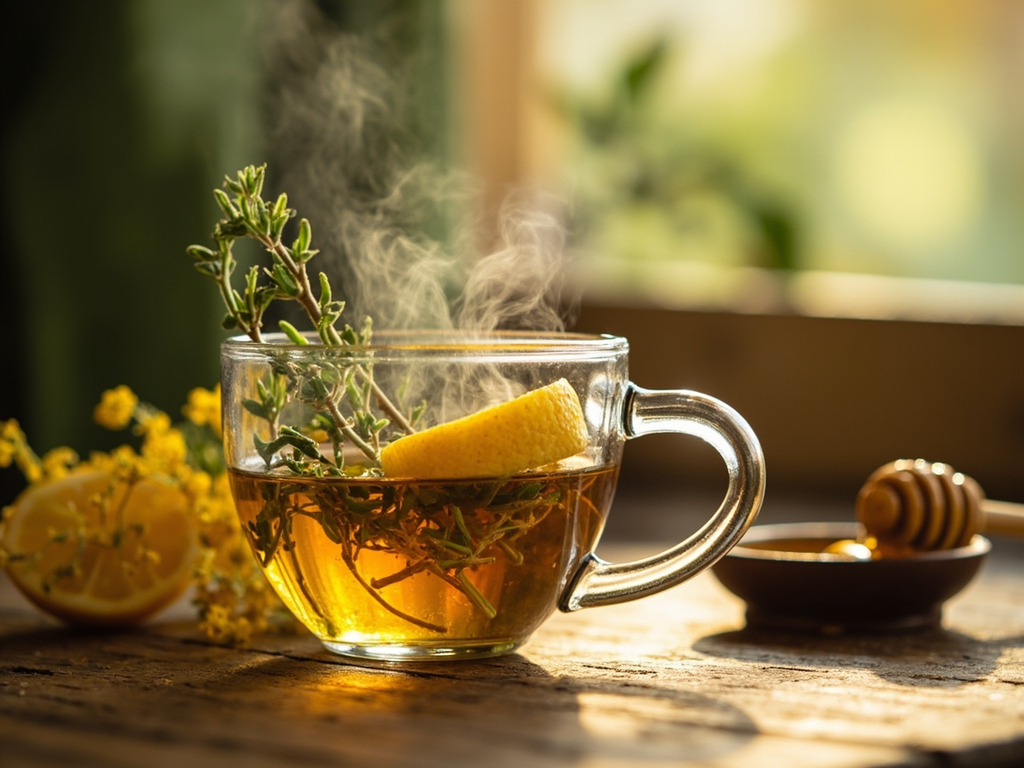
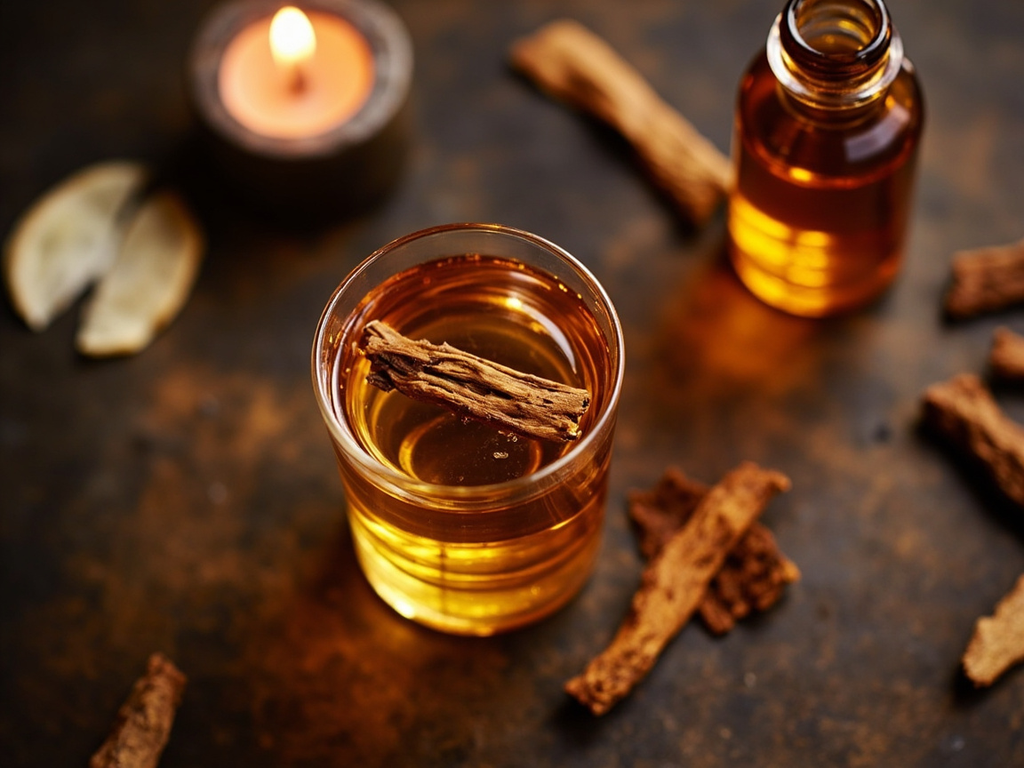
A bitter golden infusion of cinchona bark, sweetened with a little sugar and a citrus zest. A remedy-drink, to be taken in small sips, emblematic of the meeting between botany and medicine in Humboldt's time.
The bark that the Spaniards call quina, I myself sought in the humid forests of the Andes of Loja and described its species with care. It is extremely bitter — but in it lies the remedy against those fevers that decimate travelers in hot lands. A little is steeped in hot water, barely sweetened, and drunk as a precaution. Let him who ventures into the tropics never forget his supply of quina.
- •Cinchona bark (cinchona) — a small amount (bitter febrifuge principle)
- •Hot water — one cup (infusion)
- •Sugar — very little (sweetener)
- •Citrus zest — a little (flavor)
Cinchona Bark Infusion (Febrifuge Herbal Tea of the Andes)
A bitter golden infusion of cinchona bark, sweetened with a little sugar and a citrus zest. A remedy-drink, to be taken in small sips, emblematic of the meeting between botany and medicine in Humboldt's time.
Why this dish? Humboldt studied the cinchona forests in the Andes of Loja and discussed the febrifuge bark, then the most prized febrifuge in Europe. In the tropics where fevers raged, a light infusion of bitter bark was the precaution of the learned traveler.
The bark that the Spaniards call quina, I myself sought in the humid forests of the Andes of Loja and described its species with care. It is extremely bitter — but in it lies the remedy against those fevers that decimate travelers in hot lands. A little is steeped in hot water, barely sweetened, and drunk as a precaution. Let him who ventures into the tropics never forget his supply of quina.
Ingredients (period version)
- Cinchona bark (cinchona) — a small amount (bitter febrifuge principle)
- Hot water — one cup (infusion)
- Sugar — very little (sweetener)
- Citrus zest — a little (flavor)
Ingredients
- Cinchona bark (from herbalist) OR failing that, a quinine tonic water + light tea — 1 tsp bark / or 150 ml tonic (signature bitterness)
- Simmering water — 200 ml (infusion)
- Honey or cane sugar — 1 tsp (sweetener)
- Lemon or orange zest — 1 strip (flavor)
Method
- Heat the water to a simmer without boiling.
- Add the cinchona bark and citrus zest, cover, and steep 8–10 minutes (bitterness rises quickly: taste as you go).
- Strain carefully.
- Sweeten with a little honey or cane sugar — without masking the bitterness, which is the mark of the remedy.
- Drink warm, in small sips. (Non-herbalist version: mix a quinine tonic water with a light tea and zest to evoke the taste without preparing a medication.)
How it was made : Cinchona bark, brought from the Andes in the 17th century, was the first effective treatment against malaria; it was steeped and infused long before quinine was isolated in 1820. Travelers in hot lands carried it as prevention. Humboldt described its botany and lamented the destructive exploitation of quina forests.
The contemporary twist : Present as an 'apothecary tisane' in an amber glass vial and small glass, with a handwritten label — a nod to the naturalist's cabinet. (Consume as a taste evocation, not as medicine.)
Sources : Alexander von Humboldt & Aimé Bonpland, Plantes équinoxiales (1808-1809)
Alexander von Humboldt · Charactorium