The Russian Obed and the Cult of the Samovar
The traditional Russian meal (obed) revolves around a first hot liquid course — soup (pervoe), the nourishing foundation of every table, from palace to worker's home — followed by a second course of cereal porridge or pasta (vtoroe), accompanied by ever-present black bread. Everything ends and warms up around the samovar, where tea flows endlessly from morning to night. Among revolutionaries in exile like Kollontai, this structure was reduced to the essentials: a soup, a kasha, bread, and tea that united comrades for discussions until dawn.
Signature : Buckwheat (Grechka) and Fermented Sauerkraut
Two pillars of the Russian table that wealth could not gentrify: the roasted buckwheat grain, robust and earthy, and the cabbage soured by lacto-fermentation, which brought acidity and vitamin C to long winters. These two democratic foods, from peasantry to revolutionary committees, were those of a woman who despised bourgeois luxury.
Alexandra Kollontai at the table
1872 — 1952
5 period recipes
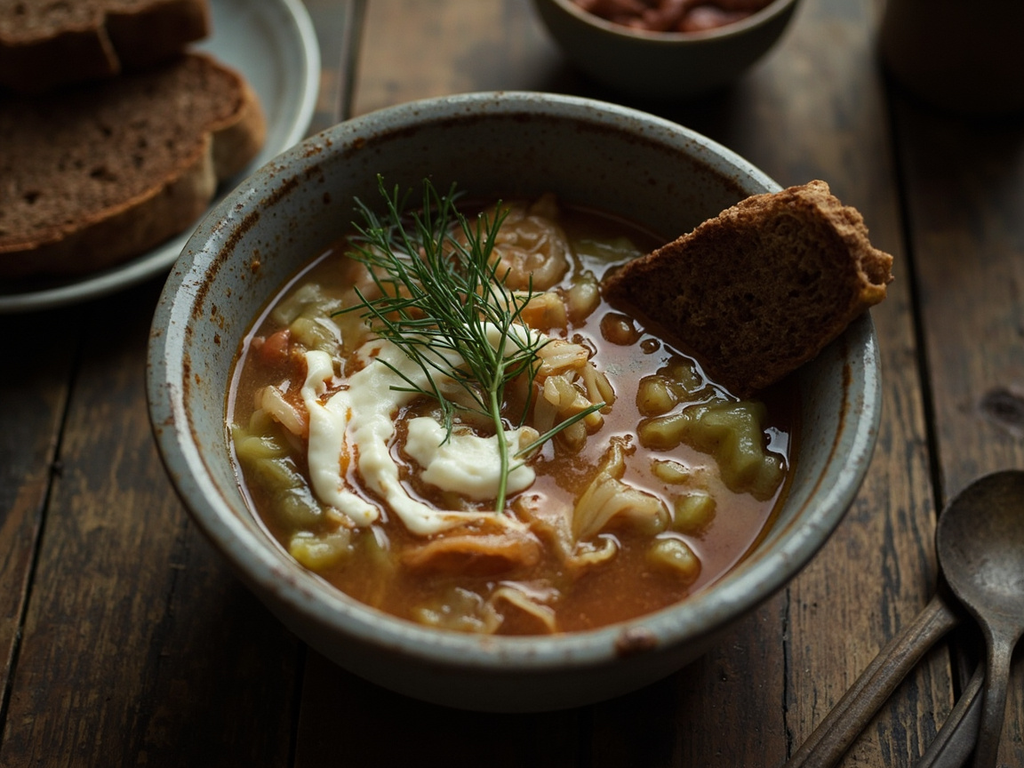 Everyday
Shchi with Sauerkraut (Sour Cabbage Soup)
Pervoe — the first liquid course, foundation of the obed
🍋 🧂· 1 h 15
View the recipe
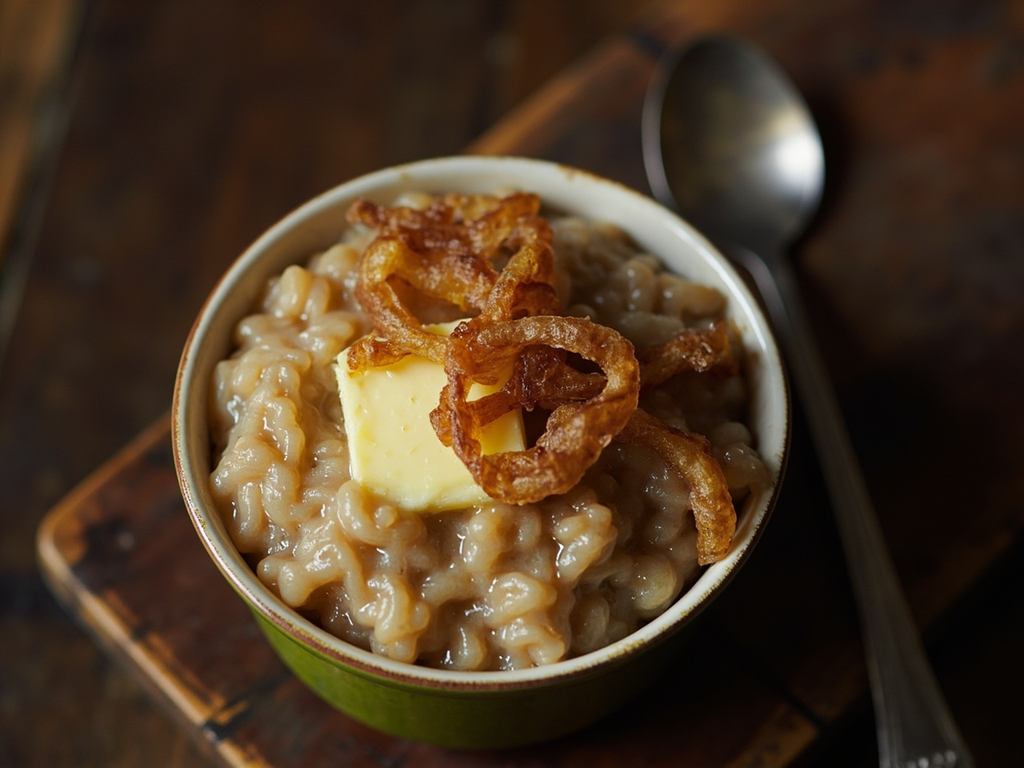 Travel
Grechnevaya Kasha (Roasted Buckwheat Porridge)
Vtoroe — the second cereal course, robust and filling
🍄 🧂· 35 min
View the recipe
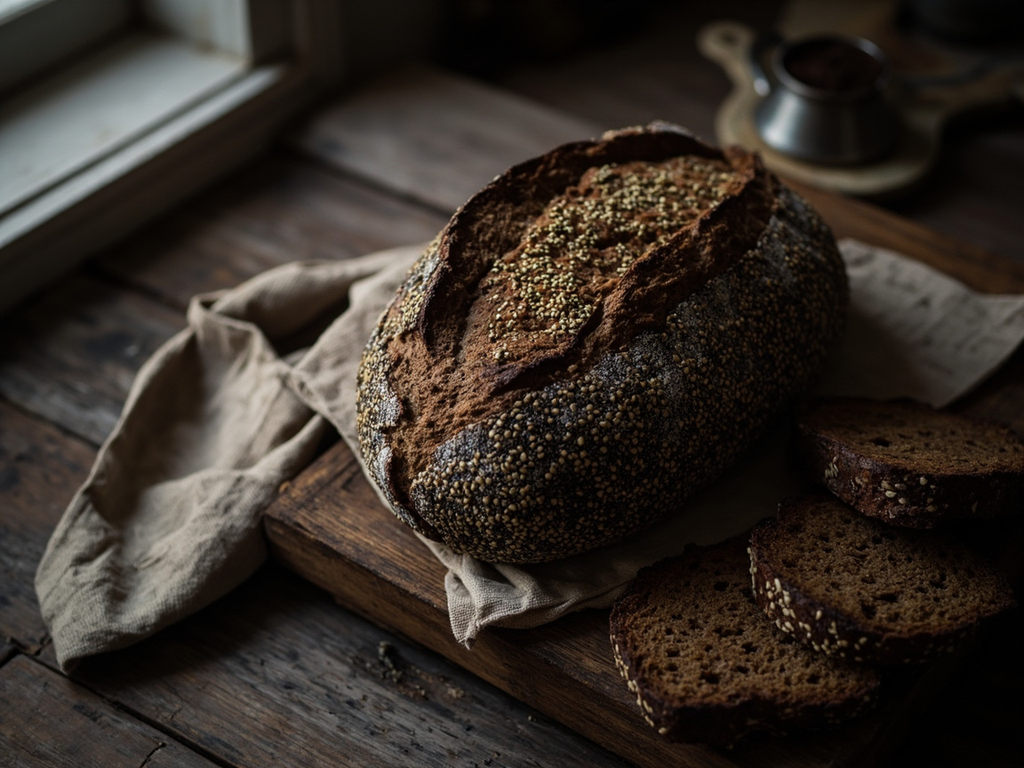 Preserving
Khleb Chyorny — Black Rye Sourdough Bread
Khleb — bread, the constant and sacred presence on the table
🍋 ☕· Rest 24 h + 1 h active
View the recipe
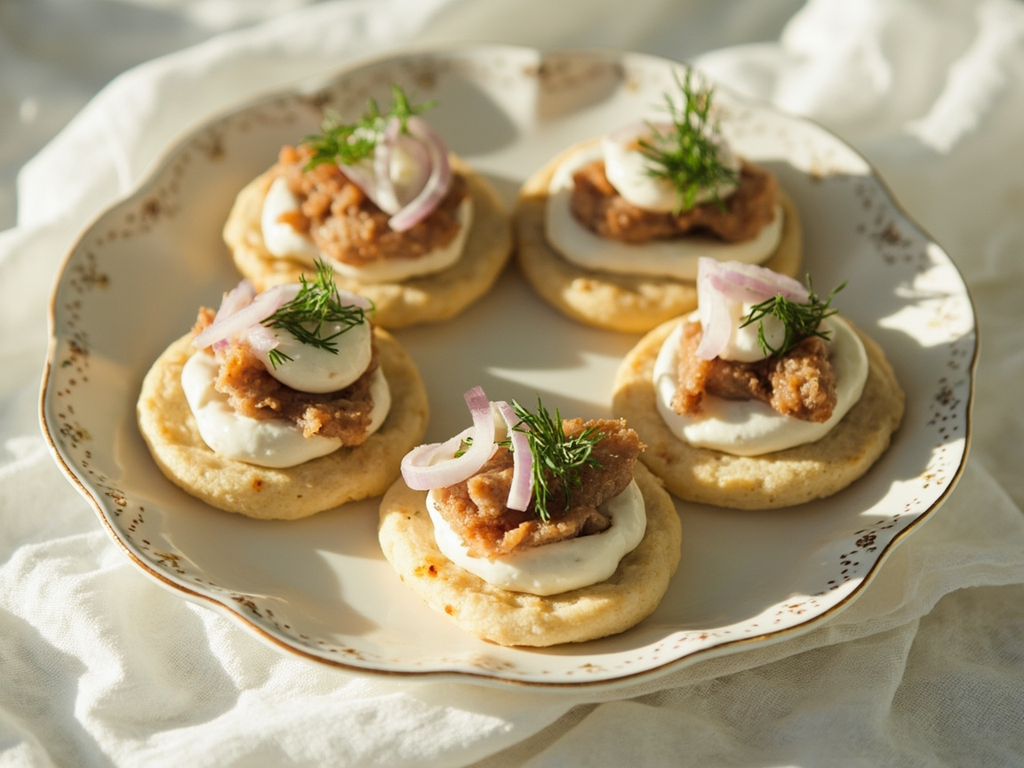 Festive
Festive Blini with Smetana and Herring
Festive Zakuski — the small reception dishes that open the table
🧂 🍄· 2 h (including rising)
View the recipe
 Drink
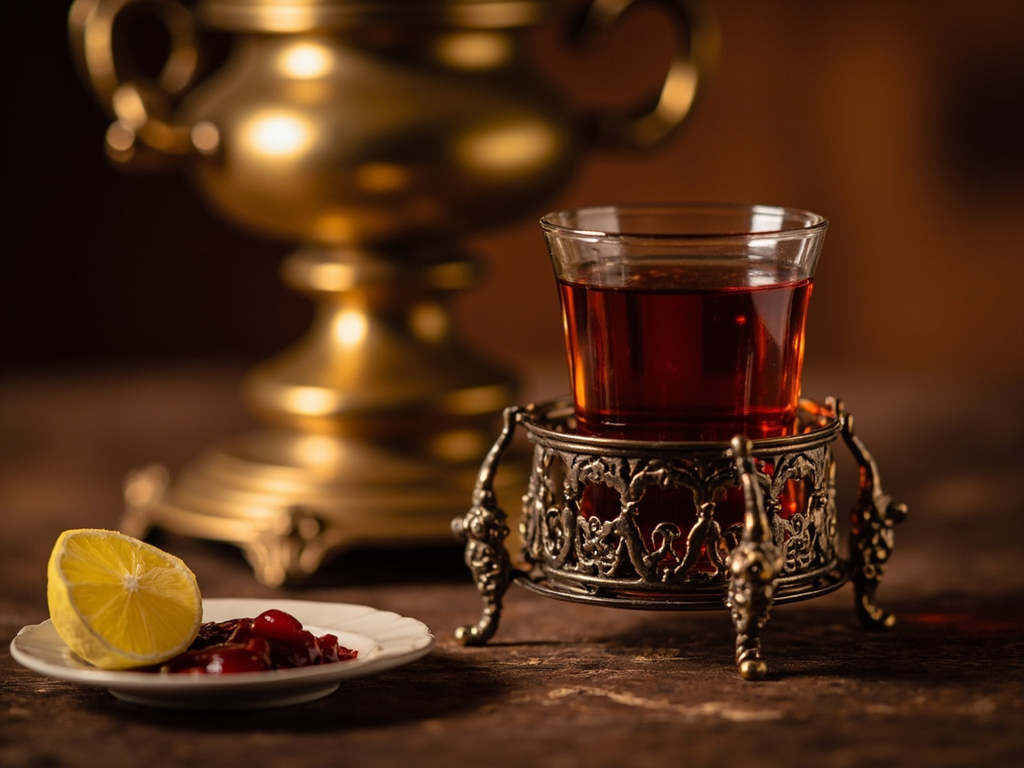
DrinkSamovar Tea with Red Currant Jam (Varenie)
Chaepitie — the tea moment, social heart of the Russian home
🍯 🍋· 15 min
View the recipe