Russian service: zakuski, pervoe, vtoroe and tea from the samovar
At a 19th-century St. Petersburg table, the meal unfolds in several stages. It begins with *zakuski* (small cold appetizers, black bread, fish, pickles) taken standing up, then comes *pervoe* (first course, always a hot soup), followed by *vtoroe* (second course, meat, fish or kasha). The meal lingers long around the samovar, where tea flows endlessly, accompanied by preserves and sweets — it was in this unceremonious hospitality that Borodin received his friends and students.
Signature : Lacto-fermented cabbage (kvashenaya kapusta) and the samovar
Two pillars of the Russian table: the sour fermented cabbage that perfumes soups and side dishes with a lively acidity, and the copper samovar that keeps tea hot for hours, the heart of Russian hospitality.
Alexander Borodin at the table
1833 — 1887
5 period recipes
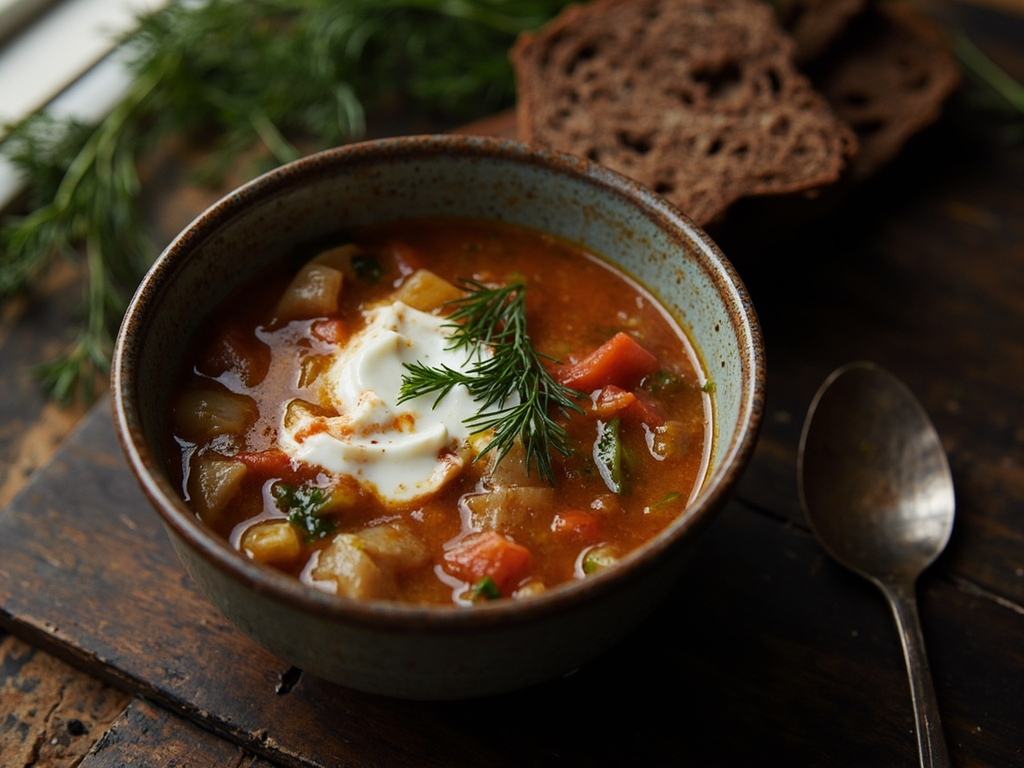 Everyday
Shchi with sour cabbage (everyday soup)
Pervoe — the first course, the hot soup that opens the real meal
🍋 🍄 🧂· 2 h 30
View the recipe
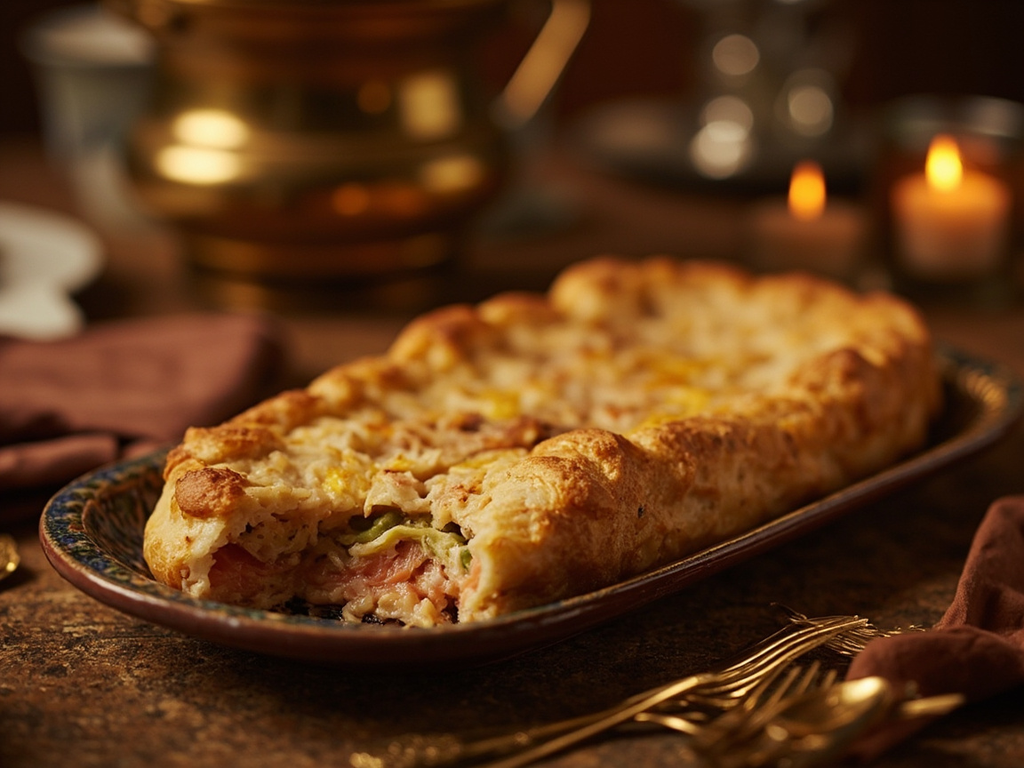 Festive
Kulebyaka of fish (the grand reception dish)
Festive vtoroe — the main course for dinner parties and feast days
🧂 🍄· 1 h 30
View the recipe
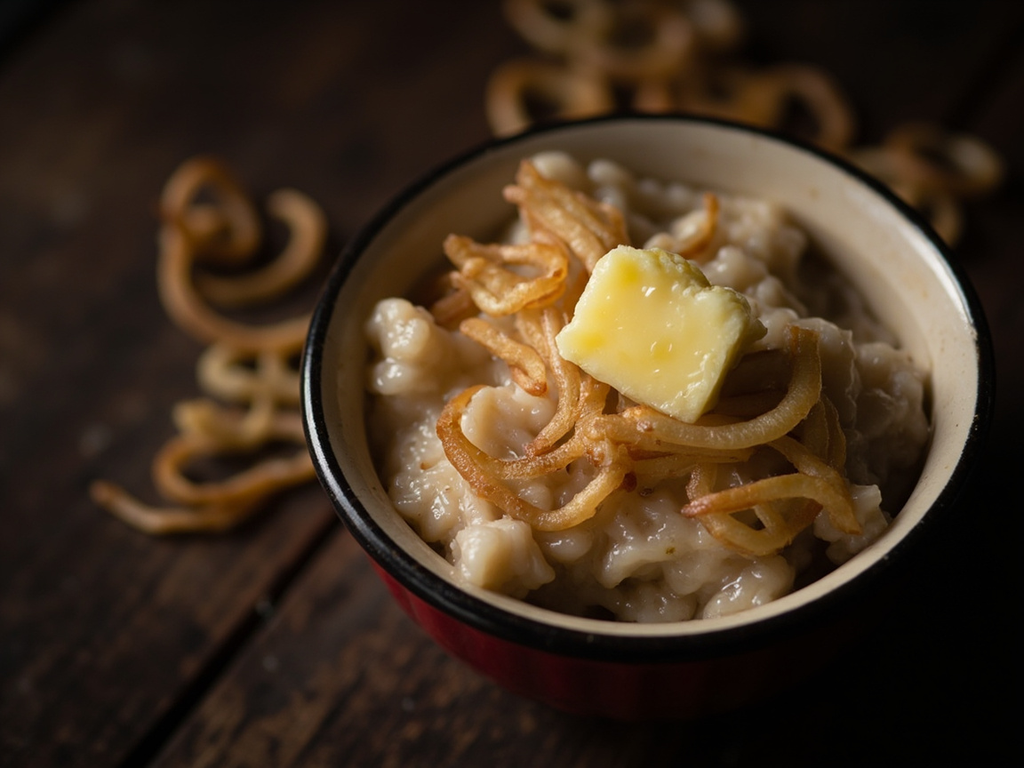 Travel
Buckwheat kasha with butter (everyday and travel dish)
Modest vtoroe — kasha, the cereal staple that accompanies or substitutes for a dish
🍄 🧂· 30 min
View the recipe
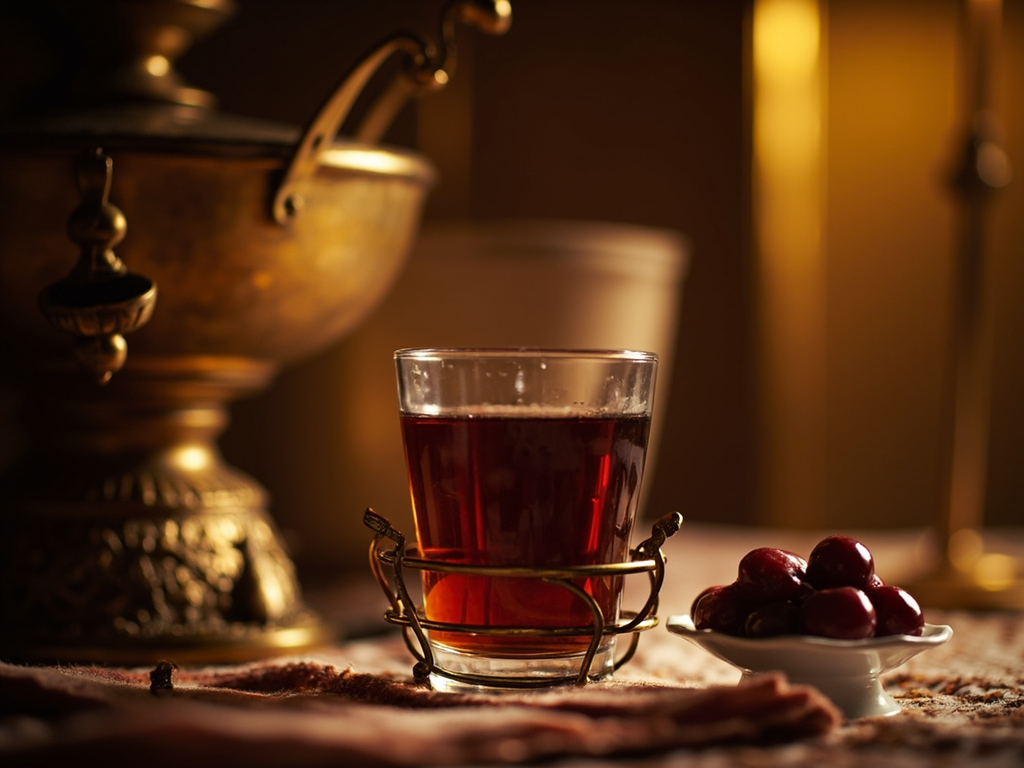 Drink
DrinkSamovar tea and cherry preserves (varenie)
Chaepitie — the long tea session, heart of Russian hospitality after the meal
🍯 🍋· 1 h (preserves) + 10 min (tea)
View the recipe
 Remedy
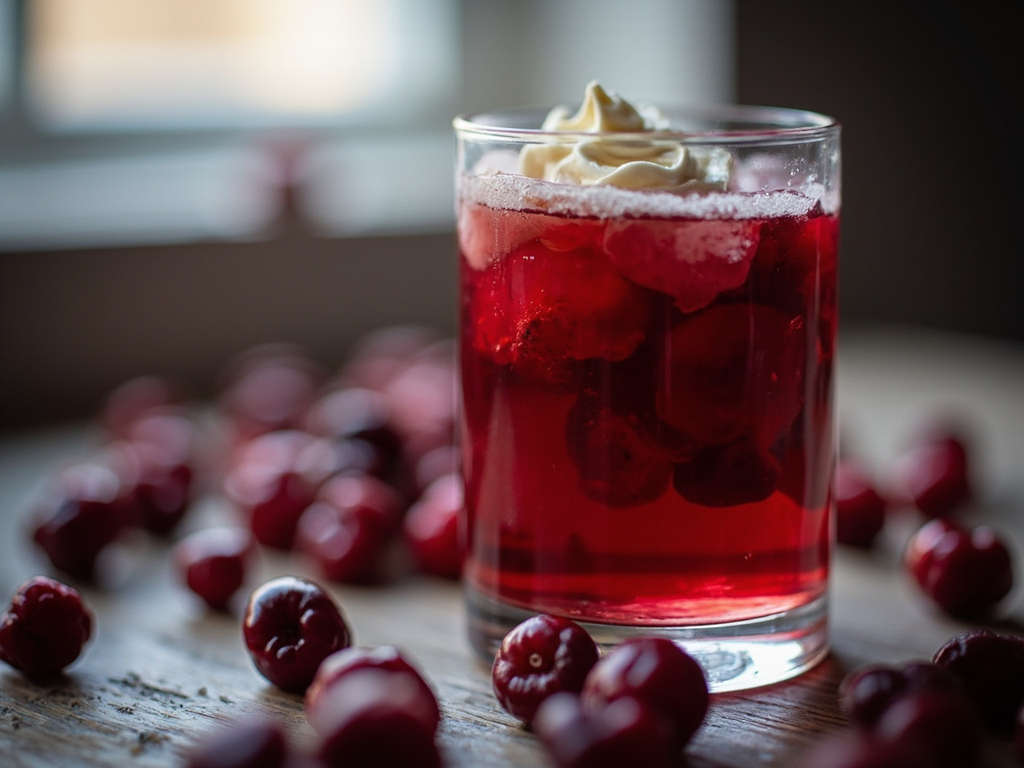
Lingonberry kissel (the trembling sweet for convalescents)
Sladkoe — the final sweet, half-drink half-dessert, served warm or cold
🍋 🍯· 25 min
View the recipe