 flip
flipLingonberry kissel (the trembling sweet for convalescents)
Lingonberry kissel (the trembling sweet for convalescents)
Why this dish? A physician by training (Medico-Surgical Academy), Borodin was steeped in a culture of care. Berry kissel, sweet and tart, bound into a light jelly, was the comforting treat for sick and children in Russia — an attention from the composer's hospitable home.
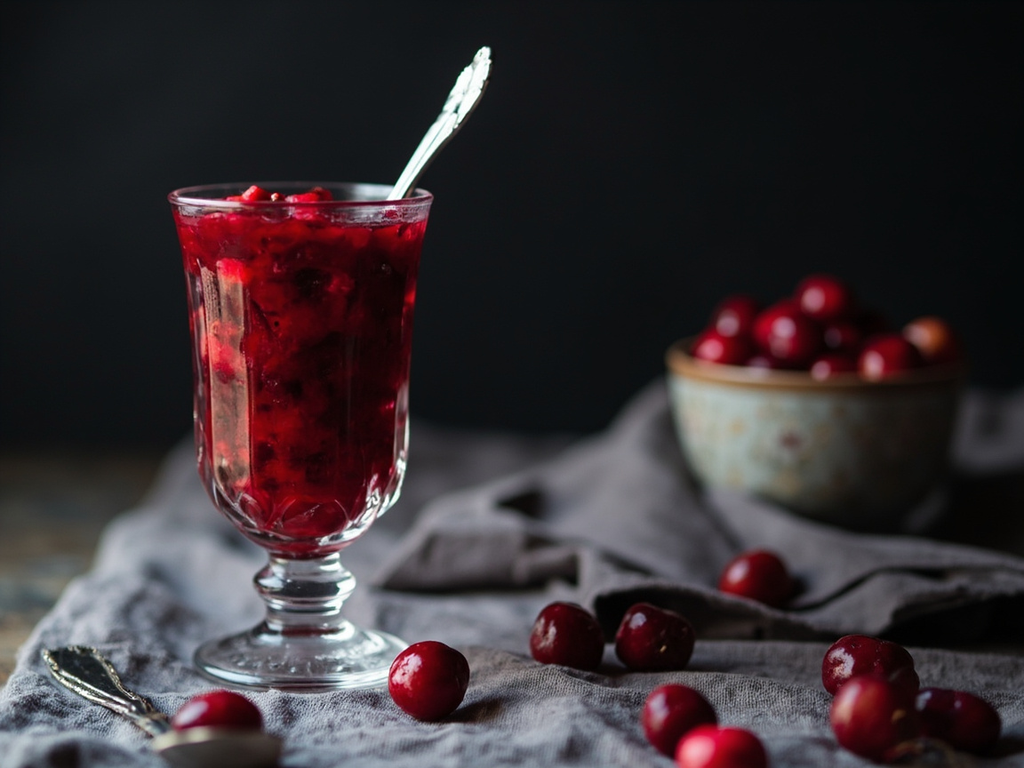
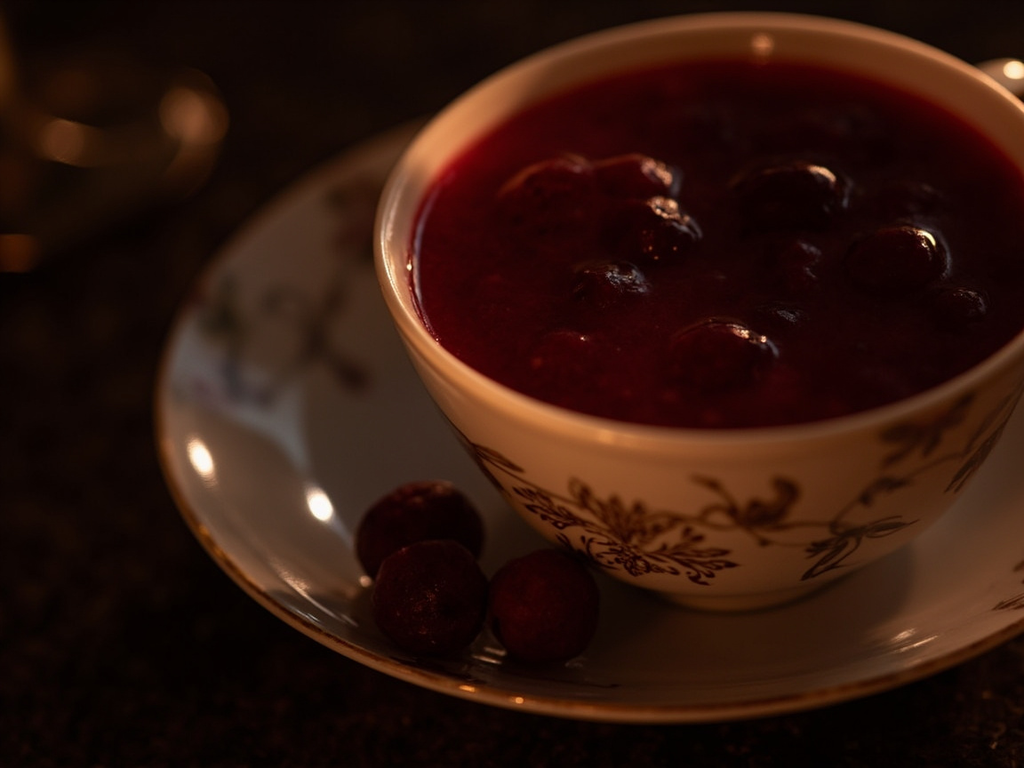
A fluid, trembling jelly of tart northern berries, halfway between compote and drink, thickened with starch. Mild, fresh, comforting — the dessert-remedy of Russian winters.
A physician by training, I know that a tired body craves sweetness as much as rest. Kissel, you see, is almost a remedy: these berries from our northern forests, lingonberry, cranberry, cooked with a little sugar and bound until they quiver in the bowl. Neither quite soup nor quite drink — you drink it warm when the cold bites, you take it cool in summer. I used to have it sent to sick students: nothing like it to bring a little color back to the cheeks and courage to the heart.
- •Northern berries (lingonberries, cranberries, currants) — a bowlful (tart fruit)
- •Water — to cover (infusion)
- •Honey or sugar — to taste (sweetness)
- •Starch (potato or other) — a few spoonfuls (thickener)
Lingonberry kissel (the trembling sweet for convalescents)
A fluid, trembling jelly of tart northern berries, halfway between compote and drink, thickened with starch. Mild, fresh, comforting — the dessert-remedy of Russian winters.
Why this dish? A physician by training (Medico-Surgical Academy), Borodin was steeped in a culture of care. Berry kissel, sweet and tart, bound into a light jelly, was the comforting treat for sick and children in Russia — an attention from the composer's hospitable home.
A physician by training, I know that a tired body craves sweetness as much as rest. Kissel, you see, is almost a remedy: these berries from our northern forests, lingonberry, cranberry, cooked with a little sugar and bound until they quiver in the bowl. Neither quite soup nor quite drink — you drink it warm when the cold bites, you take it cool in summer. I used to have it sent to sick students: nothing like it to bring a little color back to the cheeks and courage to the heart.
Ingredients (period version)
- Northern berries (lingonberries, cranberries, currants) — a bowlful (tart fruit)
- Water — to cover (infusion)
- Honey or sugar — to taste (sweetness)
- Starch (potato or other) — a few spoonfuls (thickener)
Ingredients
- Lingonberries or cranberries (fresh or frozen) — 300 g (tart fruit)
- Water — 750 ml (infusion)
- Sugar — 80 to 100 g (sweetness)
- Corn or potato starch — 3 tbsp dissolved in a little cold water (thickener)
Method
- Cook the berries in water with sugar for 10 minutes until they burst.
- Strain (or leave whole fruit for a rustier version), return the juice to the heat.
- Dissolve the starch in a little cold water, pour in a stream into the simmering juice while stirring constantly.
- Cook for 1 to 2 minutes until lightly thickened and coating the spoon (kissel should remain fluid and quiver, not set solid).
- Pour into bowls; enjoy warm in winter or chilled in summer.
- For a more drinkable version, reduce starch by half.
How it was made : Kissel is one of the oldest Slavic desserts: originally made from fermented cereals (oats, rye) and rather sour — its name comes from the word meaning “sour.” The berry version thickened with starch became widespread in the 19th century. The consistency ranges from thick drink to jelly depending on the amount of starch.
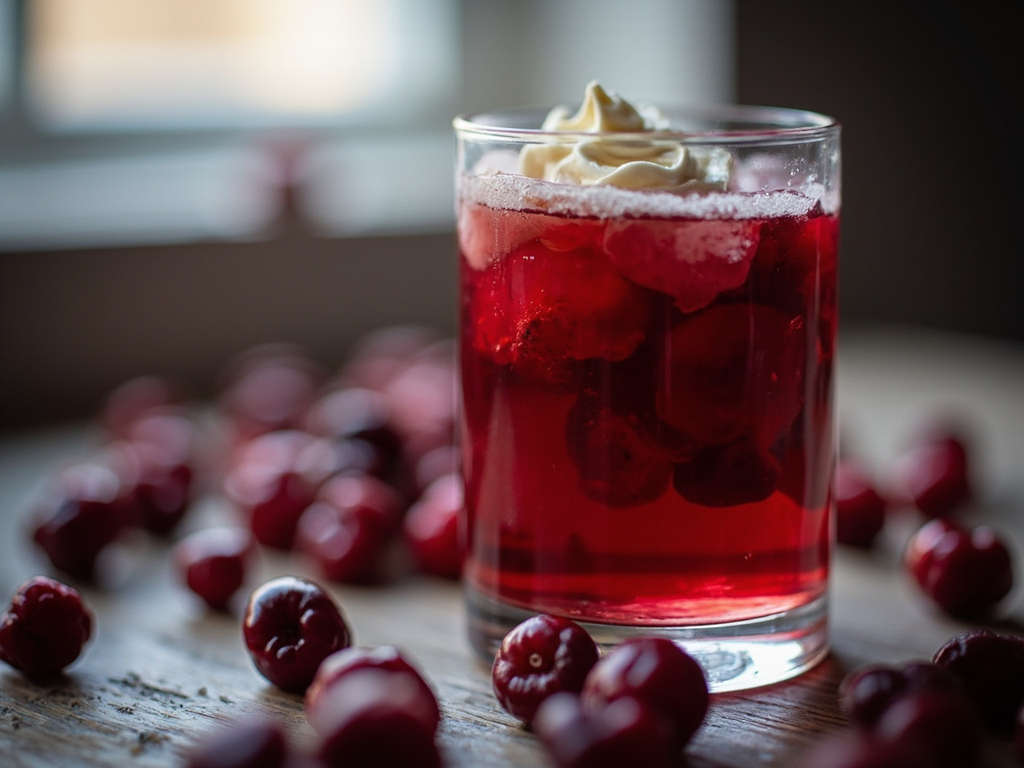
The contemporary twist : Serve it in a verrine, semi-set, topped with a dollop of whipped smetana: the tart-creamy contrast turns this old remedy into a chic dessert.
Sources : Pohlebin V., History of Russian Cuisine · Elena Molokhovets, A Gift to Young Housewives (1861)
Alexander Borodin · Charactorium