 flip
flipGrilled Sweet Millas from Toulouse
Grilled Sweet Millas from Toulouse
Why this dish? Millas, a cornmeal porridge cooled then grilled, was the treat of fairs and markets in Toulouse — pieces were sold dusted with sugar. Falguière, a child of Toulouse streets before Parisian glory, surely bit into this little hot snack on market days.
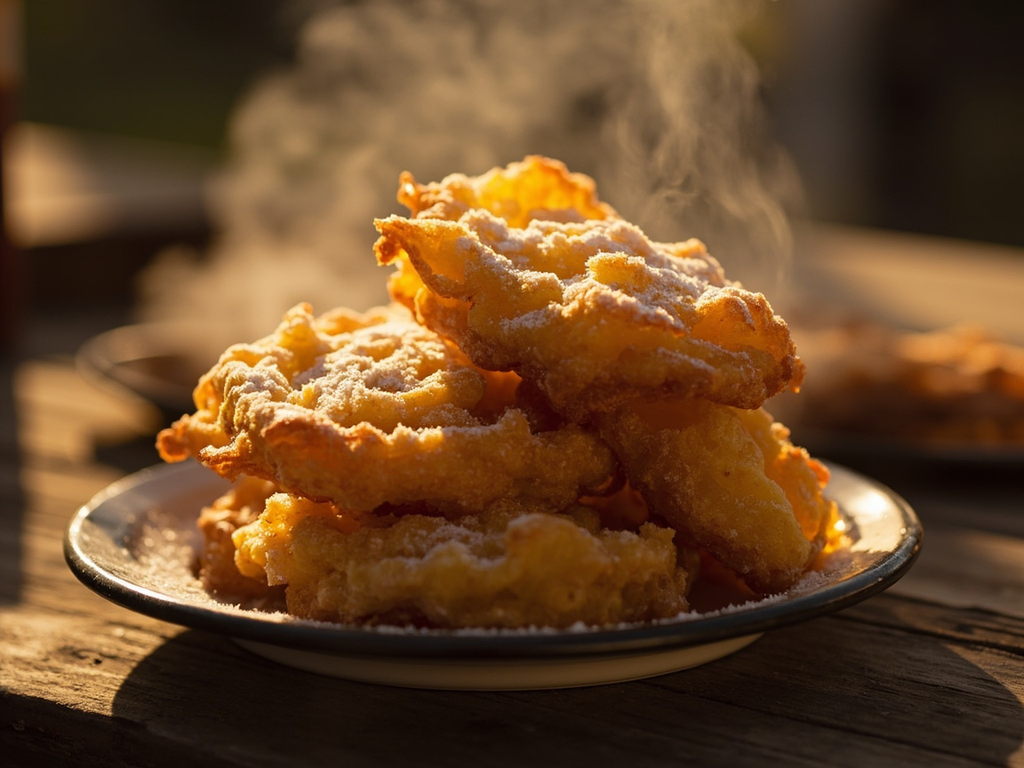
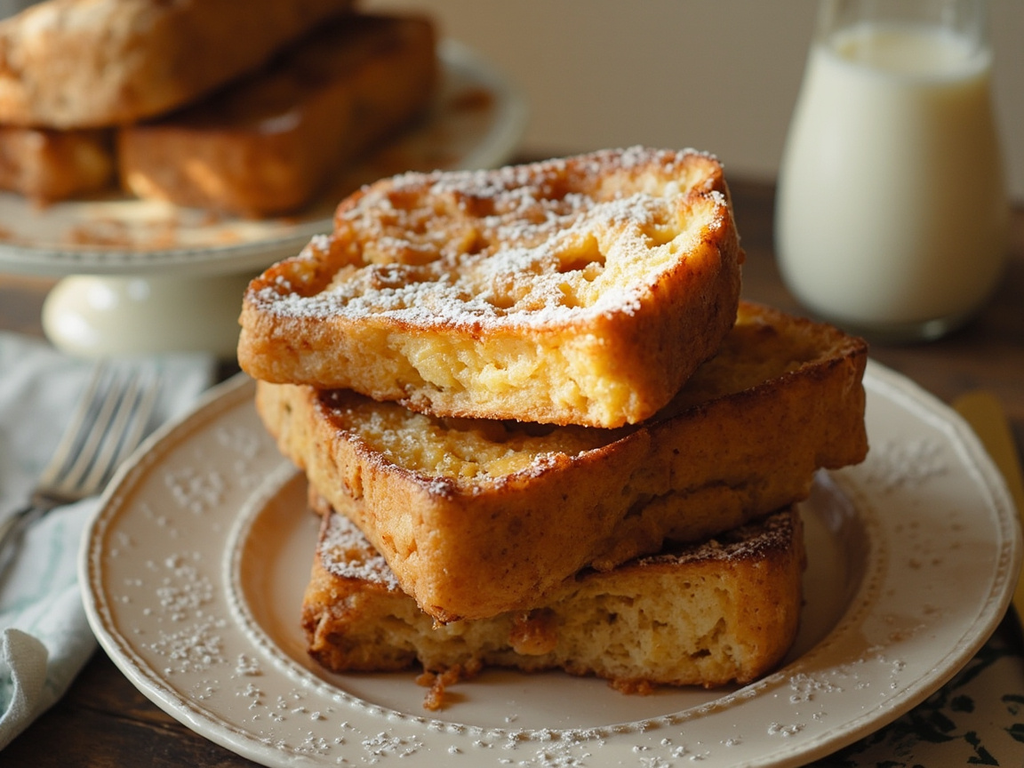
A thick cornmeal porridge, left to cool then cut into diamonds and pan-fried in fat until golden and crispy, served hot and sweet. The street indulgence of the Toulouse region.
As a child, at the Toulouse market, I would watch for the smell of millas grilling in the pan. The woman would pour her cornmeal porridge into a large dish, let it set, and cut it into diamonds. Into the hot fat, and when it was nicely golden, crispy outside and melting inside, she'd hand it to you dusted with sugar, burning your fingers. We'd eat it right out of our hands, running around. It's a small thing, and yet I've never eaten anything as good in Paris — childhood memories are priceless.
- •Cornmeal — a good amount (base)
- •Water (or broth) — three times the cornmeal (cooking liquid)
- •Goose or duck fat — for the pan (frying fat)
- •Sugar — for dusting (finishing)
- •Salt — a pinch (seasoning)
Grilled Sweet Millas from Toulouse
A thick cornmeal porridge, left to cool then cut into diamonds and pan-fried in fat until golden and crispy, served hot and sweet. The street indulgence of the Toulouse region.
Why this dish? Millas, a cornmeal porridge cooled then grilled, was the treat of fairs and markets in Toulouse — pieces were sold dusted with sugar. Falguière, a child of Toulouse streets before Parisian glory, surely bit into this little hot snack on market days.
As a child, at the Toulouse market, I would watch for the smell of millas grilling in the pan. The woman would pour her cornmeal porridge into a large dish, let it set, and cut it into diamonds. Into the hot fat, and when it was nicely golden, crispy outside and melting inside, she'd hand it to you dusted with sugar, burning your fingers. We'd eat it right out of our hands, running around. It's a small thing, and yet I've never eaten anything as good in Paris — childhood memories are priceless.
Ingredients (period version)
- Cornmeal — a good amount (base)
- Water (or broth) — three times the cornmeal (cooking liquid)
- Goose or duck fat — for the pan (frying fat)
- Sugar — for dusting (finishing)
- Salt — a pinch (seasoning)
Ingredients
- Fine cornmeal (or corn semolina) — 200 g (base)
- Water — 60 cl (cooking liquid)
- Duck fat (or butter) — 2 tbsp (frying fat)
- Sugar — 3 tbsp (finishing)
- Salt — 1 pinch (seasoning)
Method
- Bring salted water to a boil. Rain in the cornmeal while whisking vigorously to avoid lumps.
- Cook over low heat for 15 to 20 min, stirring constantly with a wooden spoon: the porridge should become very thick and pull away from the sides.
- Pour into an oiled dish to 1.5 cm thickness, smooth, and let cool completely (ideally several hours, until firm).
- Unmold and cut into diamonds or rectangles.
- Heat the fat in a pan and fry the pieces for 2 to 3 min per side until a crispy crust forms.
- Generously dust with sugar and serve immediately, hot.
How it was made : Millas (or milhàs) is documented throughout the South-West since the arrival of corn in the 17th century. A basic countryside porridge, it was eaten plain, salted with meat, or — in the indulgent version of fairs and markets — grilled and sweetened as a street treat.
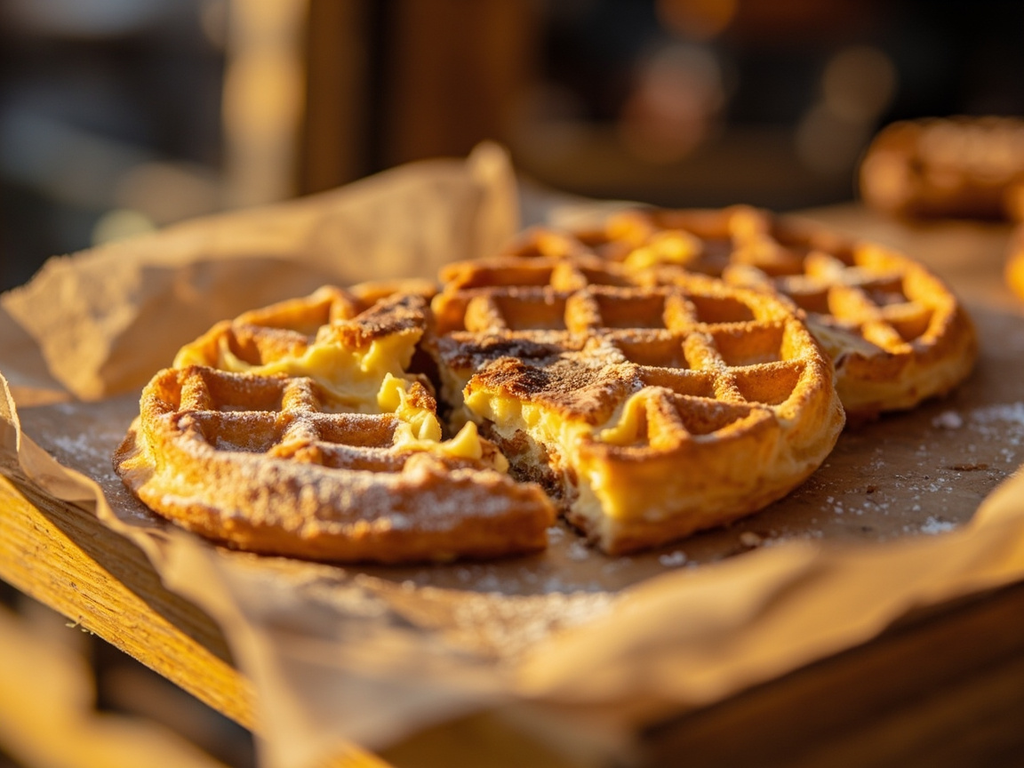
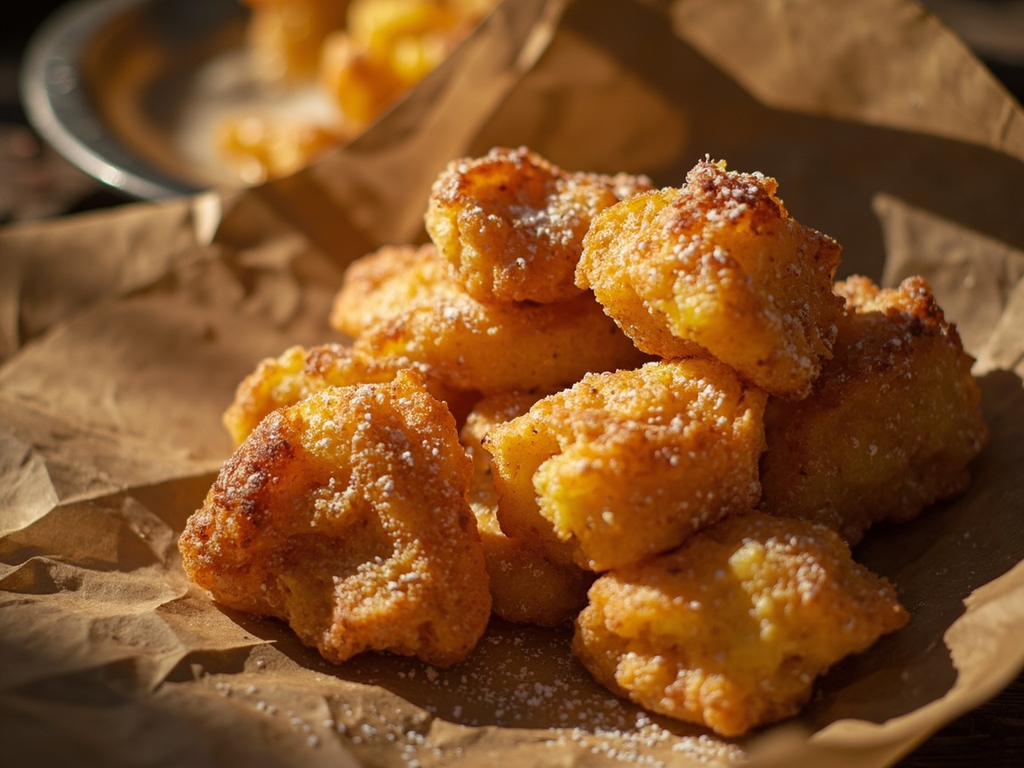
The contemporary twist : Serve the diamonds piled on kraft paper like a market stall, with a veil of sugar and a grating of lemon zest for freshness.
Sources : Ethnographic studies on millas/milhàs of Occitan South-West · Traditions of Toulouse markets in the 19th century
Alexandre Falguière · Charactorium