Stol russkiy (the Imperial Russian Cover)
The Russian court meal under Alexander I blends two worlds: it opens with zakouski (cold savory or pickled hors d'oeuvres eaten standing, accompanied by vodka), continues with a foundation soup (pervoïé blioudo, hot in winter, iced in summer), a hot dish (goriatchéïé) often of noble fish or game, and closes with sweets and honey drinks (napitki). Onto this peasant and Orthodox skeleton is grafted the French refinement of the chefs of the Saint Petersburg court.
Signature : The Sour-Fermented (kvas, smetana, salting)
The soul of Russian taste is neither sweet nor spicy but living acidity: fermented rye kvas, smetana (sour cream), mushrooms and cabbage in brine. It is this tangy freshness, born of the need to preserve during the long winters, that distinguishes the Russian table from the French cuisine that dresses it on the surface.
Alexander I at the table
1777 — 1825
5 period recipes
 Everyday
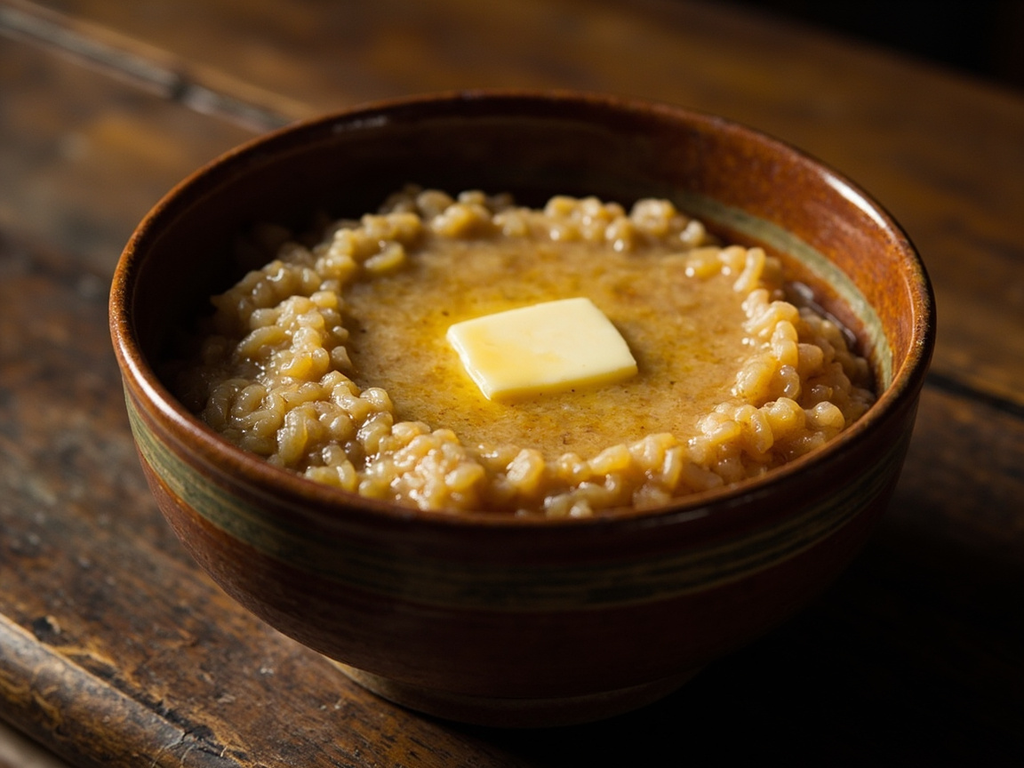
Gretchnévaïa kacha (Buckwheat Kasha with Butter)
Everyday Goriatchéïé — the basic hot dish of all Russian tables, from moujik to emperor
🧂 🍄· 35 min
View the recipe
 Festive
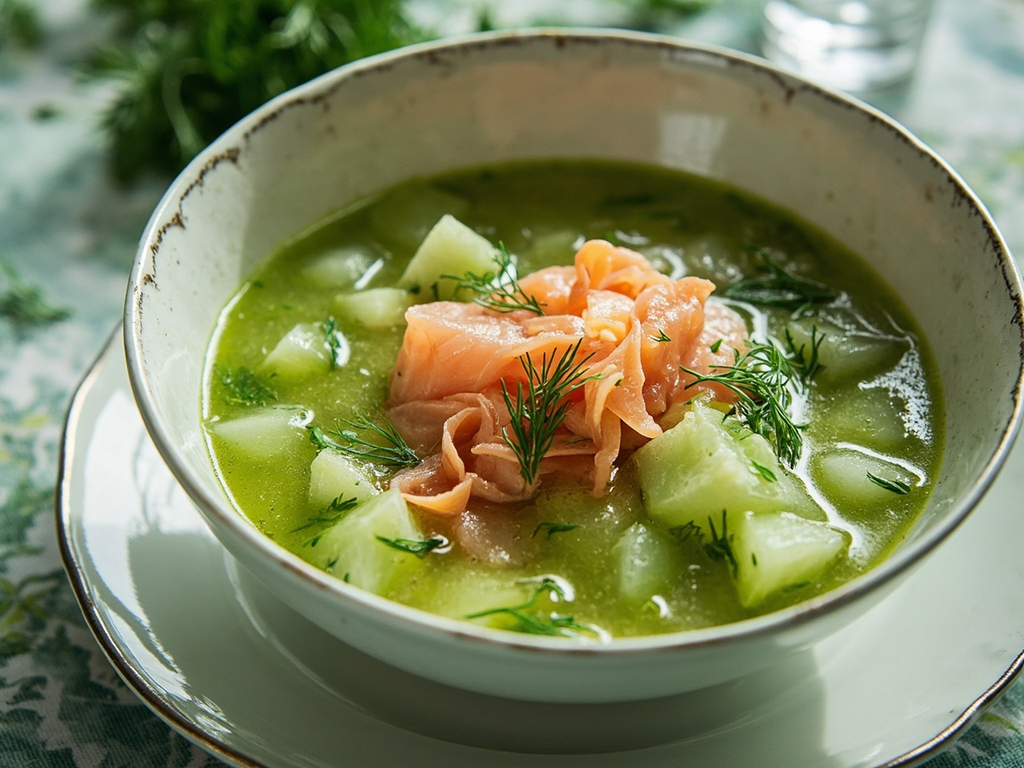
Botvinia with Noble Fish (Cold Kvas Soup)
Summer Pervoïé blioudo — the chilled foundation soup served on fine days, before the hot dish
🍋 🫙 🧂· 40 min + refrigeration
View the recipe
 Drink
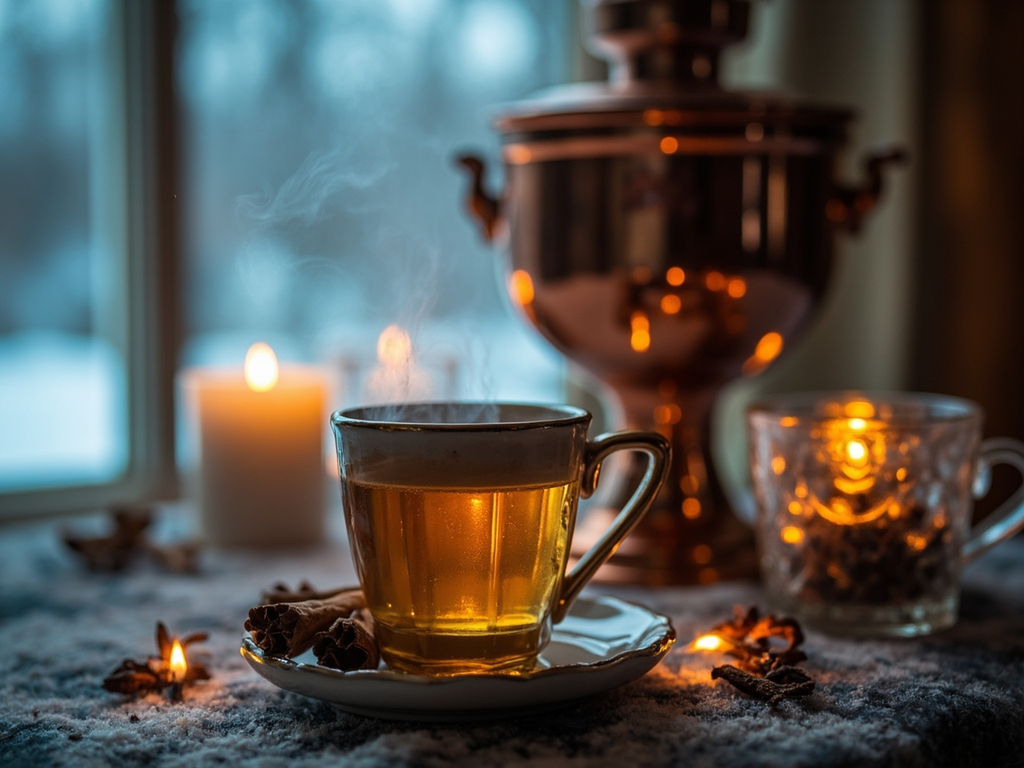
DrinkSbiten with Honey and Spices
Hot Napitok — the comforting street and evening drink, before tea from the samovar took over
🍯 🌶️· 25 min
View the recipe
 Preserving
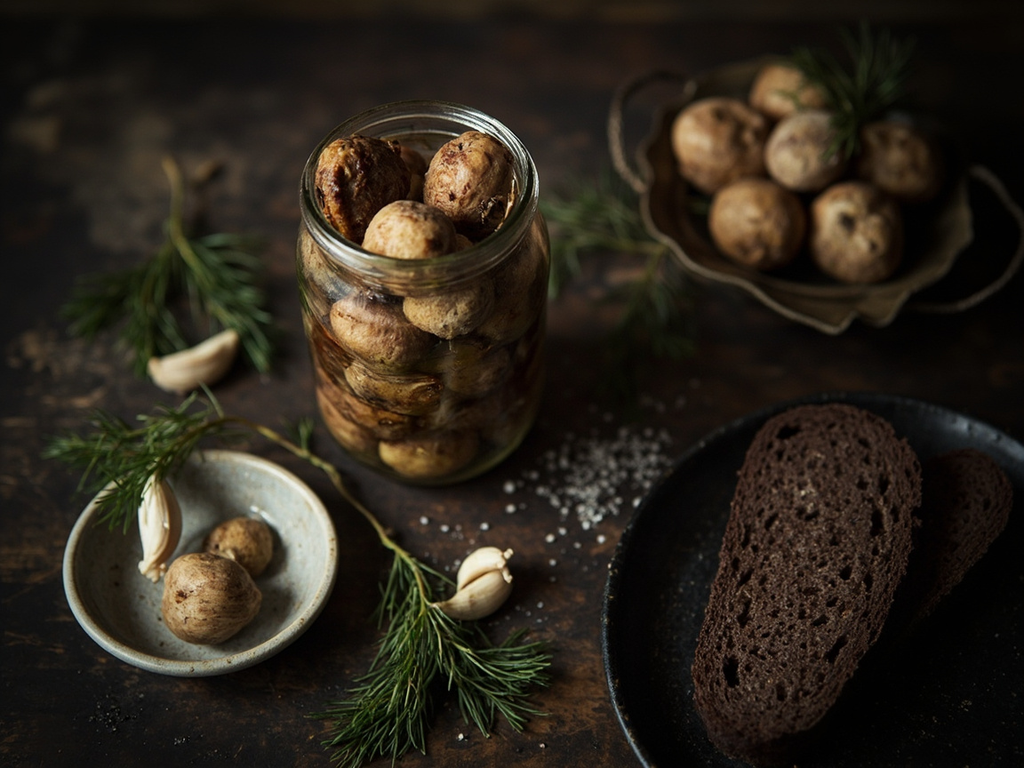
Gruzdi solionié (Salt-Cured Milk Mushrooms)
Zakouska — the cold, pickled appetizer nibbled at the start of the meal with vodka
🧂 🫙 🍄· 30 min (+ fermentation 3-6 weeks)
View the recipe
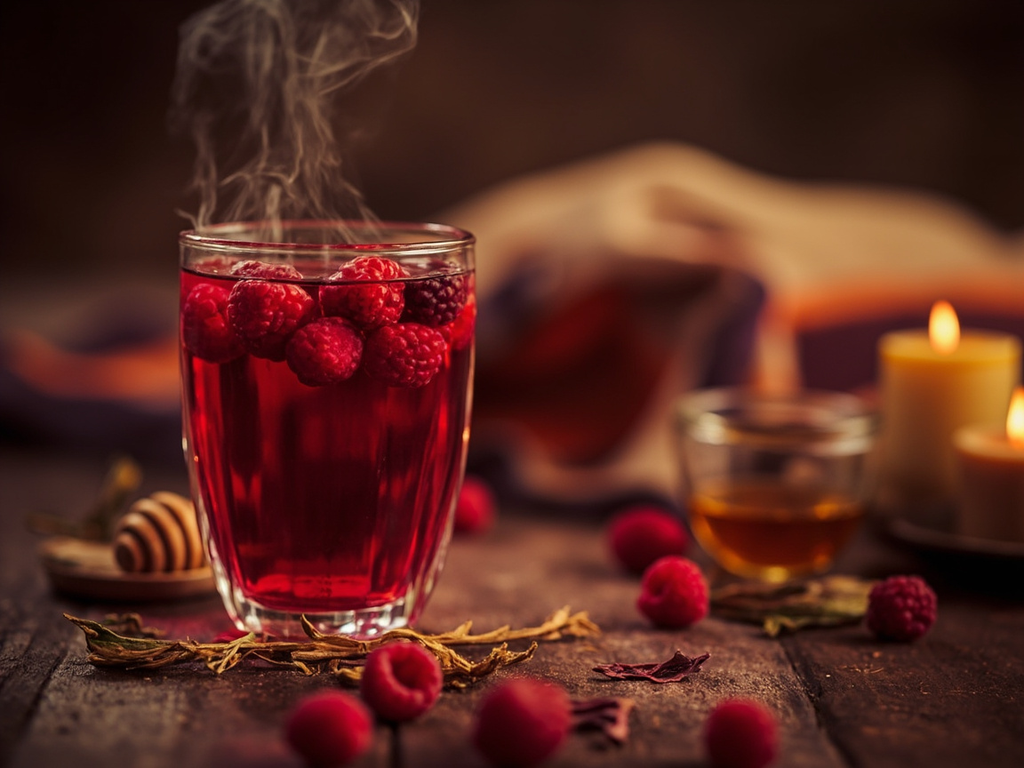 Remedy
Raspberry and Honey Infusion (malinovy uzvar)
Remedy Napitok — the hot herbal tea of sickbed evenings, inherited from Russian domestic medicine
🍯 🍋· 15 min
View the recipe