 flip
flipRaspberry and Honey Infusion (malinovy uzvar)
Raspberry and Honey Infusion (malinovy uzvar)
Why this dish? Alexander I died in November 1825 in Taganrog, carried off by a fever (likely typhus) after a tour of the south. Raspberry and honey tea was the quintessential Russian remedy for fever — the one that would have been prepared at his bedside, as at that of all the Empire's sick.
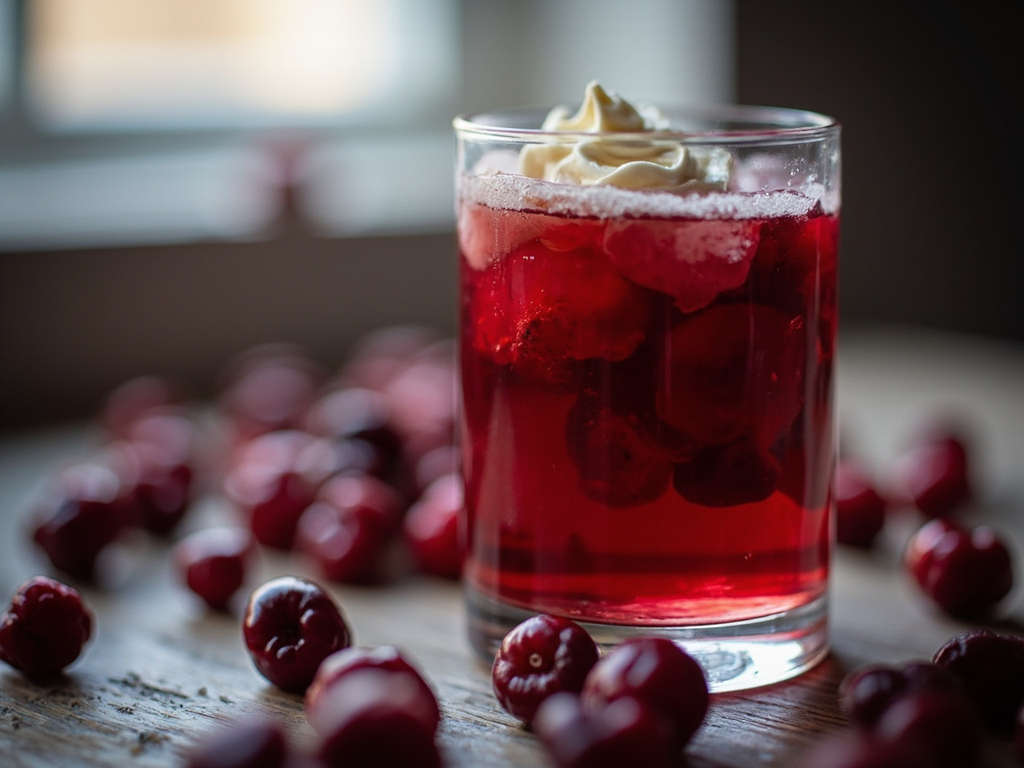
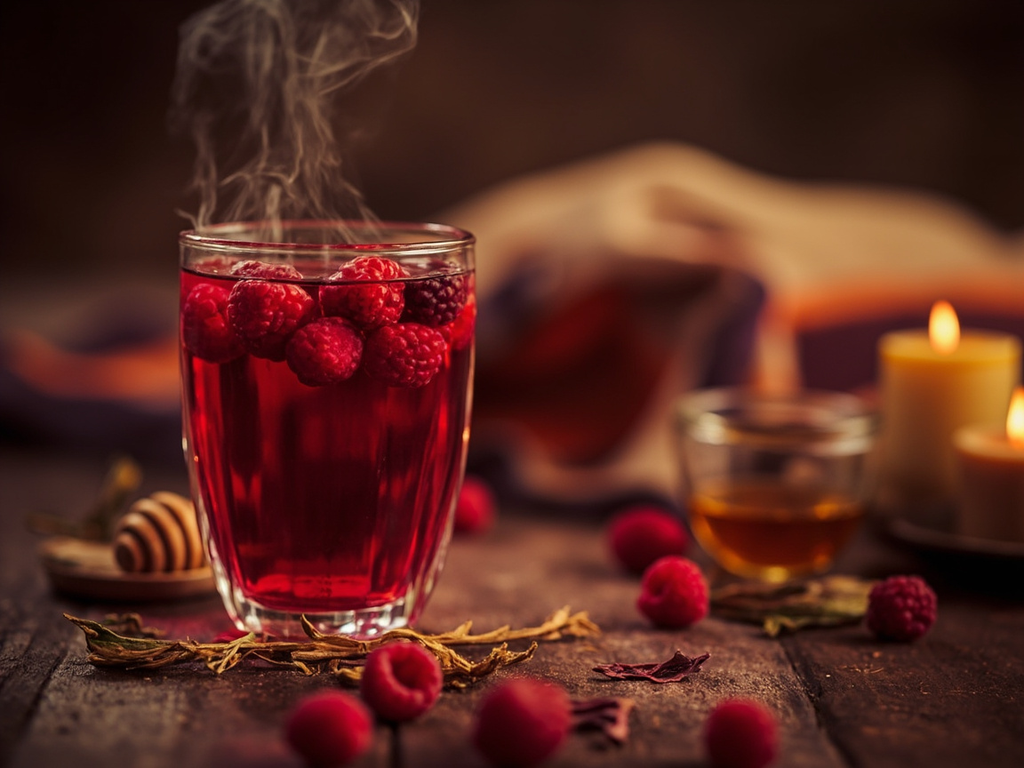
A scalding herbal tea of raspberries (fresh in summer, dried in winter) and raspberry leaves, sweetened with honey. Sweet-tart, sudorific, it is the universal comfort for Russian colds and fevers.
Here, in Taganrog, far from my capital, the fever holds me and no imperial pomp can help. So bring me the remedy of the humble: the raspberry. Pour boiling water over the dried berries of summer and their leaves, cover, let the aroma surrender, then honey off the heat. Drink it as hot as you can bear, under three blankets, to bring on the sweat that drives out the illness. The crown does not heal men; raspberry and patience sometimes do.
- •Dried raspberries (summer harvest) — a handful (active principle and acidity)
- •Raspberry leaves — a few (infusion base)
- •Honey — a spoonful (sweetener)
- •Boiling water — a bowl (base)
Raspberry and Honey Infusion (malinovy uzvar)
A scalding herbal tea of raspberries (fresh in summer, dried in winter) and raspberry leaves, sweetened with honey. Sweet-tart, sudorific, it is the universal comfort for Russian colds and fevers.
Why this dish? Alexander I died in November 1825 in Taganrog, carried off by a fever (likely typhus) after a tour of the south. Raspberry and honey tea was the quintessential Russian remedy for fever — the one that would have been prepared at his bedside, as at that of all the Empire's sick.
Here, in Taganrog, far from my capital, the fever holds me and no imperial pomp can help. So bring me the remedy of the humble: the raspberry. Pour boiling water over the dried berries of summer and their leaves, cover, let the aroma surrender, then honey off the heat. Drink it as hot as you can bear, under three blankets, to bring on the sweat that drives out the illness. The crown does not heal men; raspberry and patience sometimes do.
Ingredients (period version)
- Dried raspberries (summer harvest) — a handful (active principle and acidity)
- Raspberry leaves — a few (infusion base)
- Honey — a spoonful (sweetener)
- Boiling water — a bowl (base)
Ingredients
- Raspberries (fresh or frozen) or dried — a large handful (80 g) (active principle and acidity)
- Dried raspberry leaves (or tea) — 1 tbsp (infusion base)
- Honey — 1-2 tsp (sweetener)
- Water — 300 ml (base)
Method
- Lightly crush raspberries in the bottom of a cup or teapot.
- Add raspberry leaves, pour over simmering water (not vigorously boiling).
- Cover and let infuse 8-10 minutes.
- Strain, let cool a minute then stir in honey (never into boiling water).
- Drink very hot, ideally in bed, well covered.
How it was made : Russian domestic medicine (and later 19th-century manuals) recommended raspberry as the reference sudorific for colds and fevers; supplies were dried and preserved each summer. Honey, a mild antiseptic, always accompanied it.
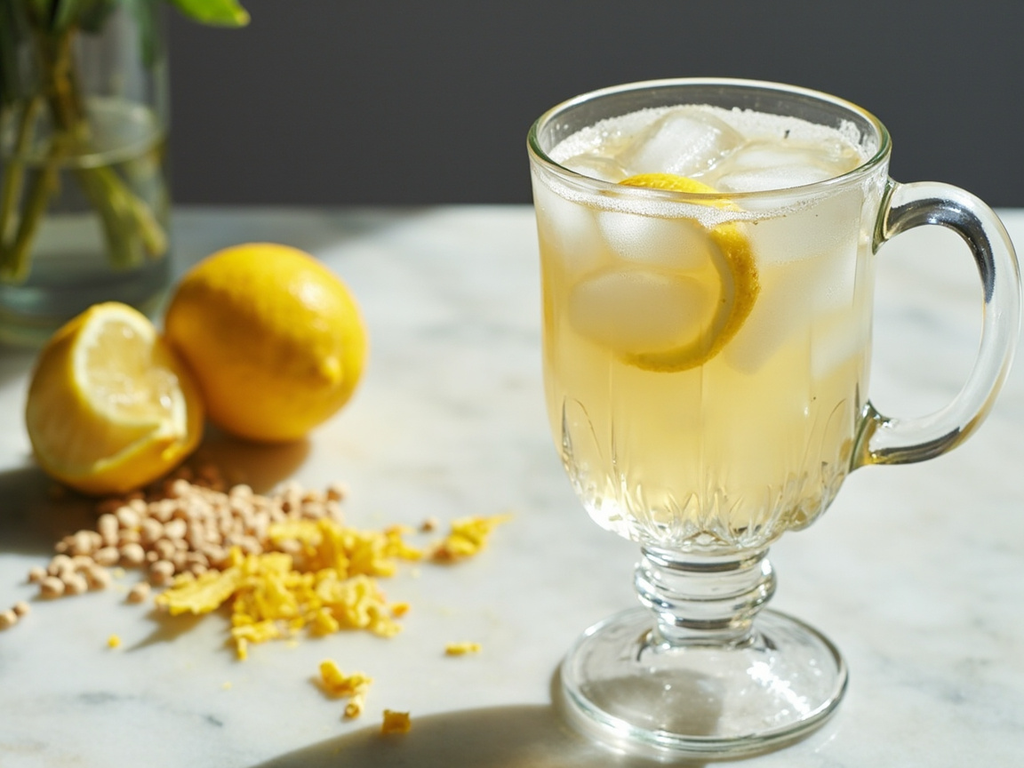
The contemporary twist : Add a thin slice of ginger and a lemon zest for a 'non-alcoholic grog' version that warms winter evenings.
Sources : Tradition of Russian domestic medicine (19th c.) · Darra Goldstein, 'Beyond the North Wind' (2020)
Alexander I · Charactorium