From Deipnon to Symposion
The classic Greek meal separates eating from conversing. The ariston (daytime snack) and deipnon (evening meal) are built around sitos — the staple food, almost always a barley cake or porridge — accompanied by opson, the 'that-which-enhances': olives, cheese, fish, vegetables. Then, with stomach settled, comes the symposion: tables are cleared, heads are crowned, wine is mixed with water in the krater, and tragemata (sweets) are served while conversation flows. For an Ionian philosopher like Anaxagoras, the portion of sitos is generous and that of opson deliberately meager: sobriety is a discipline of the mind.
Signature : Barley (krithê) and Olive Oil
Barley, the grain of the poor and the wise, is eaten as a kneaded cake (maza) or diluted as a drink (kykeon) — it is the common thread of a frugal table. Olive oil, poured raw, binds and flavors without masking: it is the king of seasonings in the Greek world, long before the butter of the Barbarians.
Anaxagoras of Clazomenae at the table
499 av. J.-C. — 427 av. J.-C.
4 period recipes
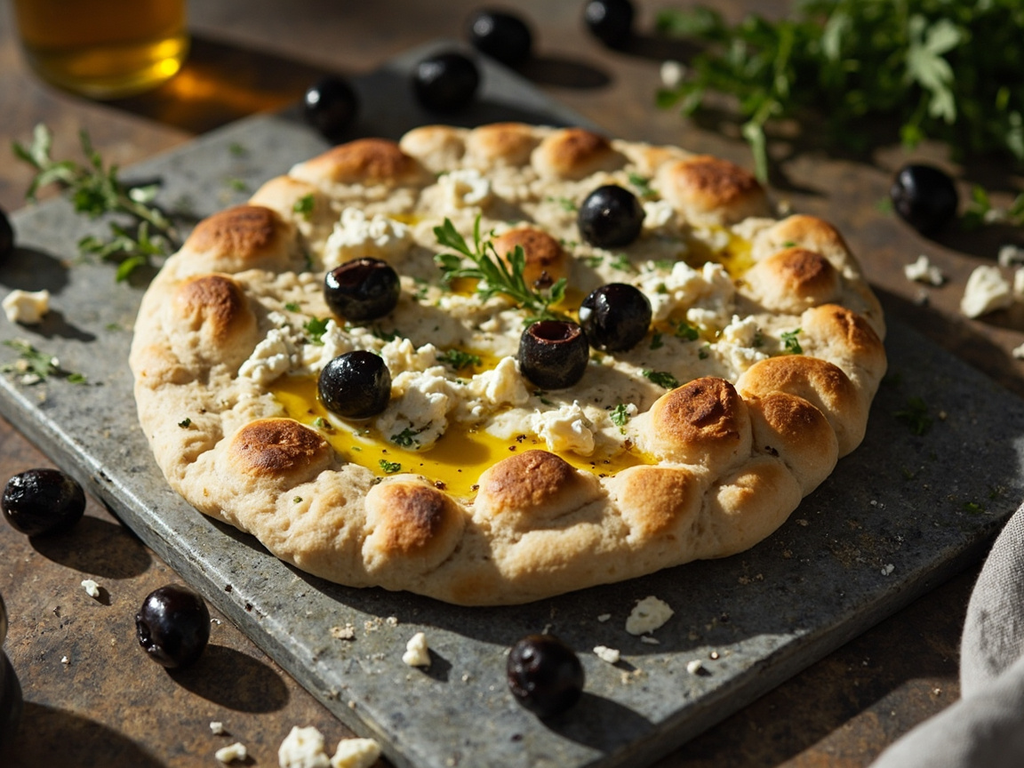 Everyday
Maza with Oil and Olives
Sitos (staple food of the deipnon)
🧂 ☕· 30 min
View the recipe
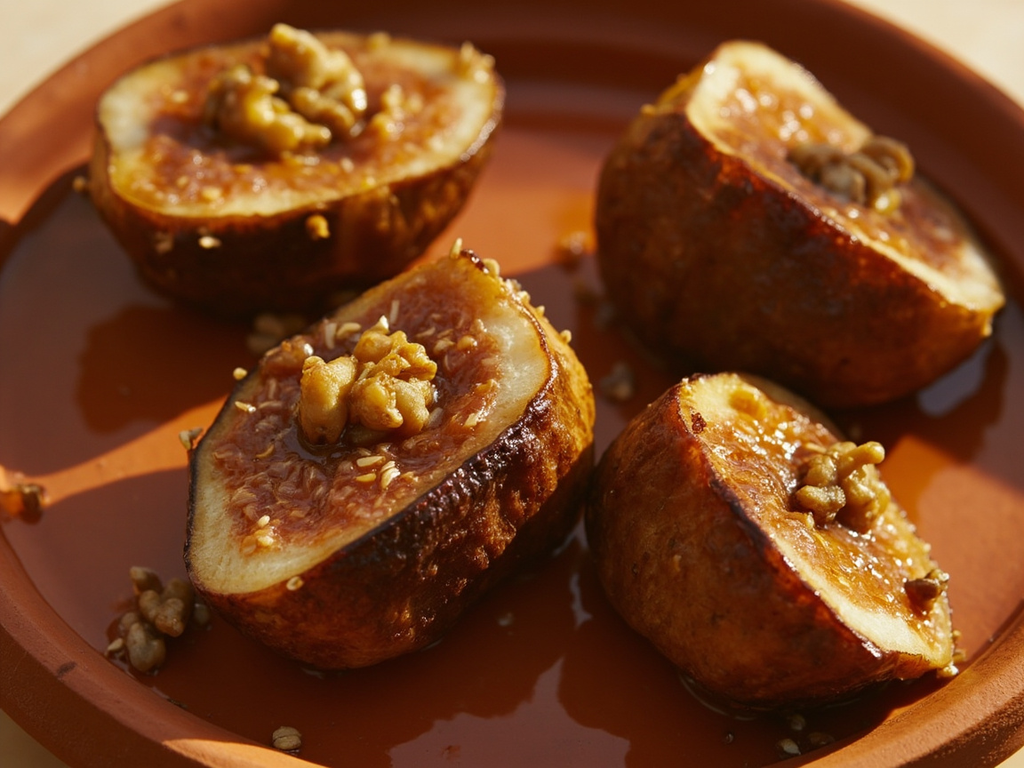 Festive
Tragemata of Figs, Honey and Walnuts
Tragemata (symposion sweets, second course)
🍯· 35 min
View the recipe
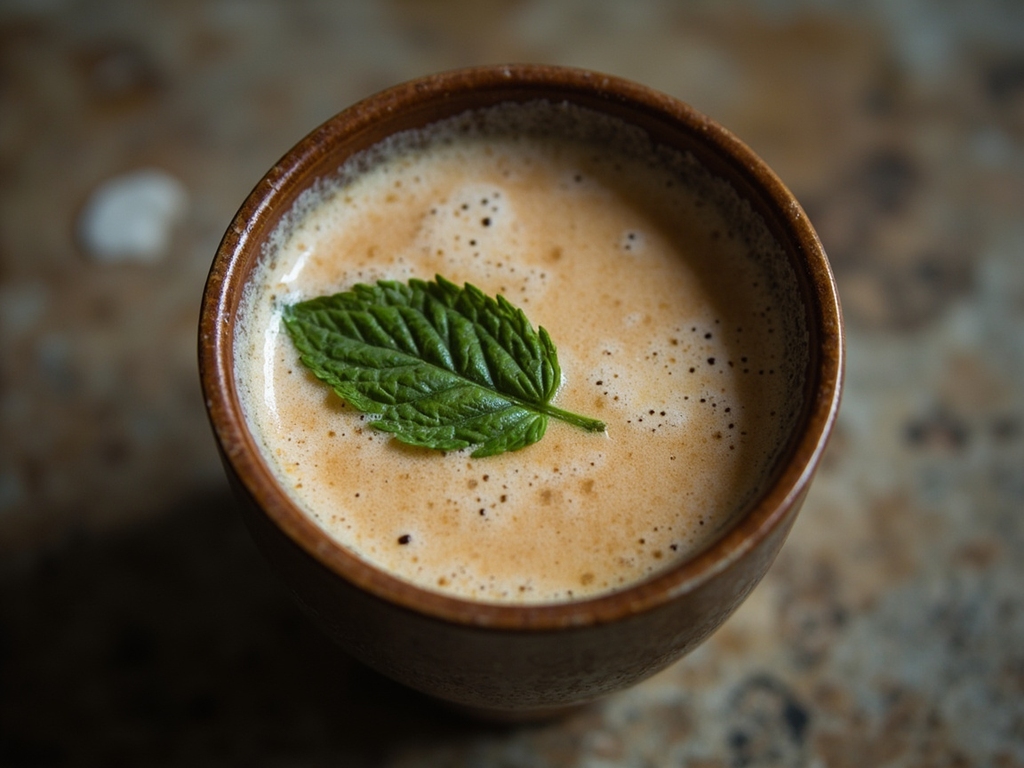 Drink
DrinkIonian Kykeon
Potos (drink-meal, taken at rising or on the road)
🍋 🫙· 10 min
View the recipe
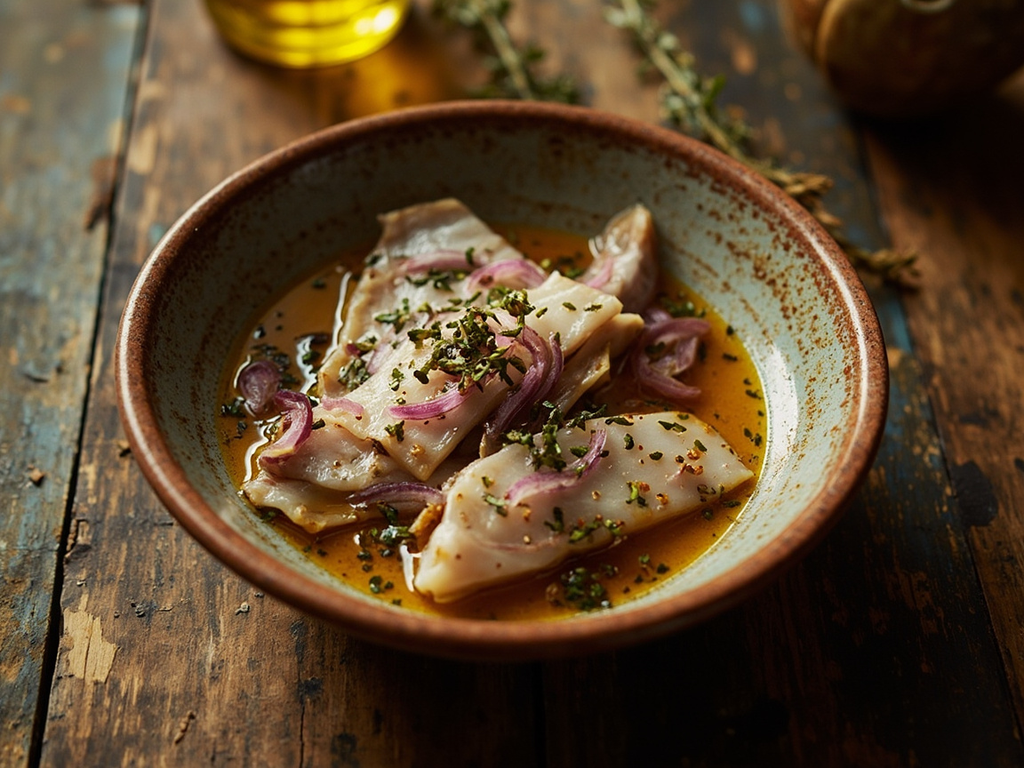 Preserving
Tarichos — Hellespont Dried Fish with Oil and Thyme
Opson of preservation (traveler's reserve)
🧂 🍄· 1 h (excluding salting)
View the recipe